.webp&w=384&q=75)

Loading, please wait...
Loading, please wait...

Researchers recently investigated how state-level immigration policies influence immigrant mental health distress through workplace safety and interpersonal discrimination. This ecological study reveals that structural environments play a pivotal role in the psychological well-being of migrant communities. Healthcare providers must understand these systemic links to provide more effective, equity-focused care for diverse populations.
The study tested a model linking policy climates to physical work safety and emotional suffering. In states with anti-immigrant policies, health equity measures significantly correlated with safer working conditions. However, the researchers found that safer work environments consistently predicted lower levels of discrimination across all policy climates. Furthermore, higher discrimination acts as a direct driver of psychological suffering and anxiety.
Clinical interventions alone often fail to resolve the root causes of immigrant mental health distress. Consequently, doctors should consider the impact of workplace environments and policy-driven xenophobia when assessing patient health. Equitable state policies can mitigate these stressors by improving labor conditions and reducing the daily burden of discrimination. Moreover, advocacy for migrant justice remains a vital component of public health equity.
Healthcare systems can support these populations by implementing trauma-informed care and providing linguistically accessible resources. Additionally, collaborating with community organizations helps bridge the gap between clinical services and social support. Therefore, addressing structural barriers is essential for improving the mental health trajectory of immigrant workers.
Safer physical work environments reduce the risk of injury and lower the incidence of interpersonal discrimination, which significantly decreases mental health distress.
Yes, inclusive state policies improve access to health equity, foster safer labor practices, and reduce the xenophobic climates that contribute to psychological suffering.
Interpersonal discrimination acts as a primary mediator, turning structural disadvantages into chronic mental health conditions like depression and anxiety.
Disclaimer: This content is for informational and educational purposes only. It does not constitute medical advice or establish a doctor-patient relationship. Refer to the latest local and national guidelines for clinical practice.
References
1. Cadenas GA et al. Immigrant mental health, safe work, discrimination, and state policies: From racism and xenophobia to health equity. Am J Community Psychol. 2026 May 10. doi: 10.1002/ajcp.70074. PMID: 42106957.
2. World Health Organization. Refugee and migrant health. Geneva: WHO; 2025.
3. Health Affairs. Mitigating The Health Impacts Of Exclusionary Immigration Policies: An Evidence Review. Health Aff. 2025 Nov 6.

Read summarized clinical updates, watch expert medical content, and earn CME certifications right from your smartphone.
Open your smartphone camera to scan and install.





New research shows how immigration policies and work conditions drive discrimination and mental health distress among migrants, emphasizing health equity....
5 months ago
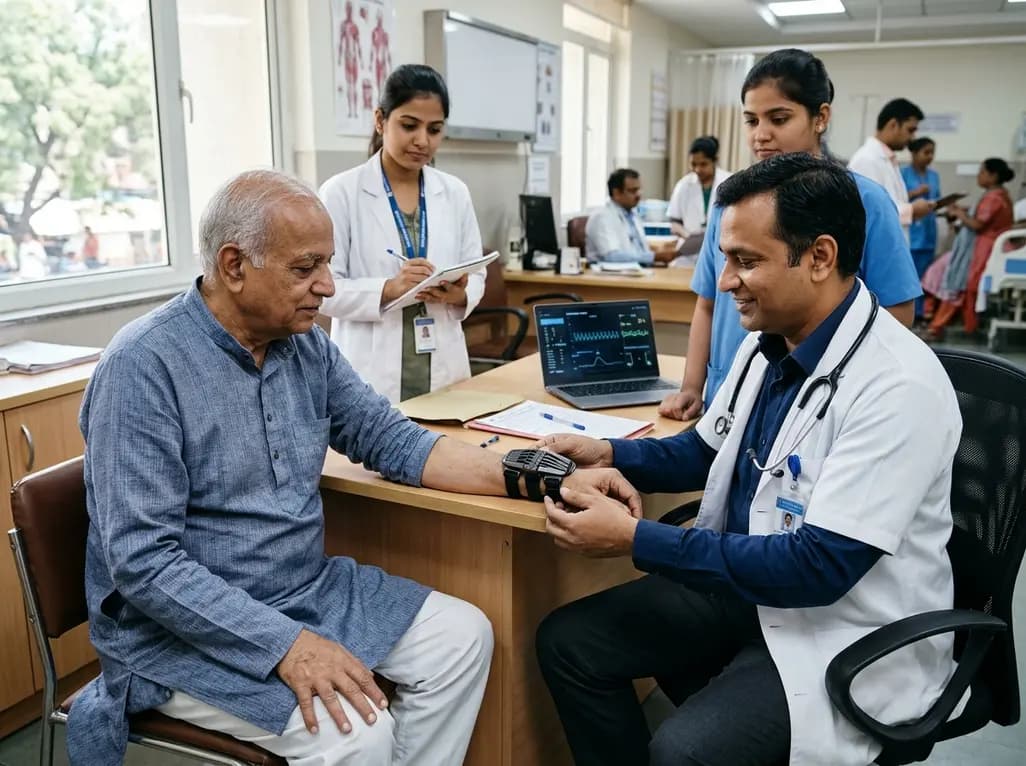
The TREM-AB open-label pilot study evaluated a wearable passive nonlinear vibration absorber for essential tremor. The Nonlinear Energy Sink bracelet reduced clinical Fahn-Tolosa-Marin tremor scores by 32.1% and electrophysiological tremor power by 49.2% with no adverse effects reported.
Today

A population-based study of 20,928 children reveals that small vulnerable newborns face sex-divergent mental capital outcomes at ages 6-7: term SGA girls show higher behavioral difficulties and lower resilience, while preterm non-SGA boys experience increased behavioral problems.
Today
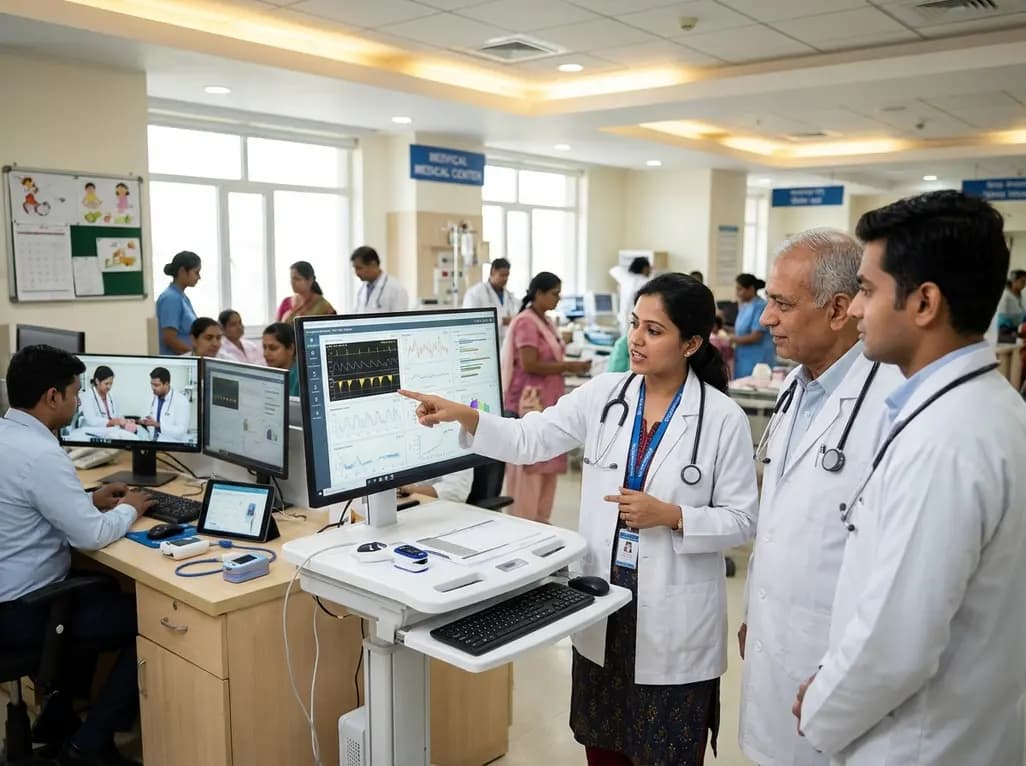
A landmark study details how an enterprise pediatric remote patient management model expanded from a single cardiology pilot to 16 diverse specialty programs by combining centralized digital operations with specialty clinical leadership.
Today

A comparative review of tension band wiring and intramedullary screw fixation in thumb metacarpophalangeal arthrodesis, evaluating union rates, hardware complications, and clinical outcomes.
Today
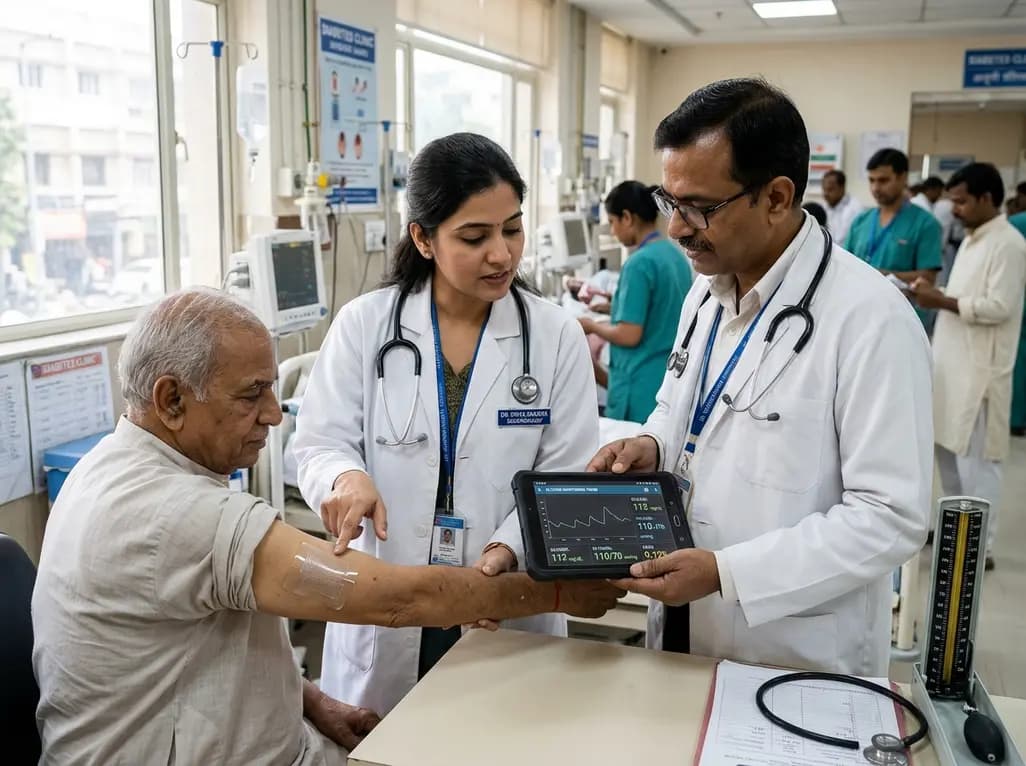
A breakthrough ultrathin multimodal sensor decouples physical hemodynamic monitoring from disposable electrochemical calibration, achieving long-term wearable glucose prediction with 81.36% accuracy and a 9.12% MARD. This offers a robust, drift-free solution for outpatient metabolic surveillance.
Today
