.webp&w=384&q=75)

Loading, please wait...
Loading, please wait...
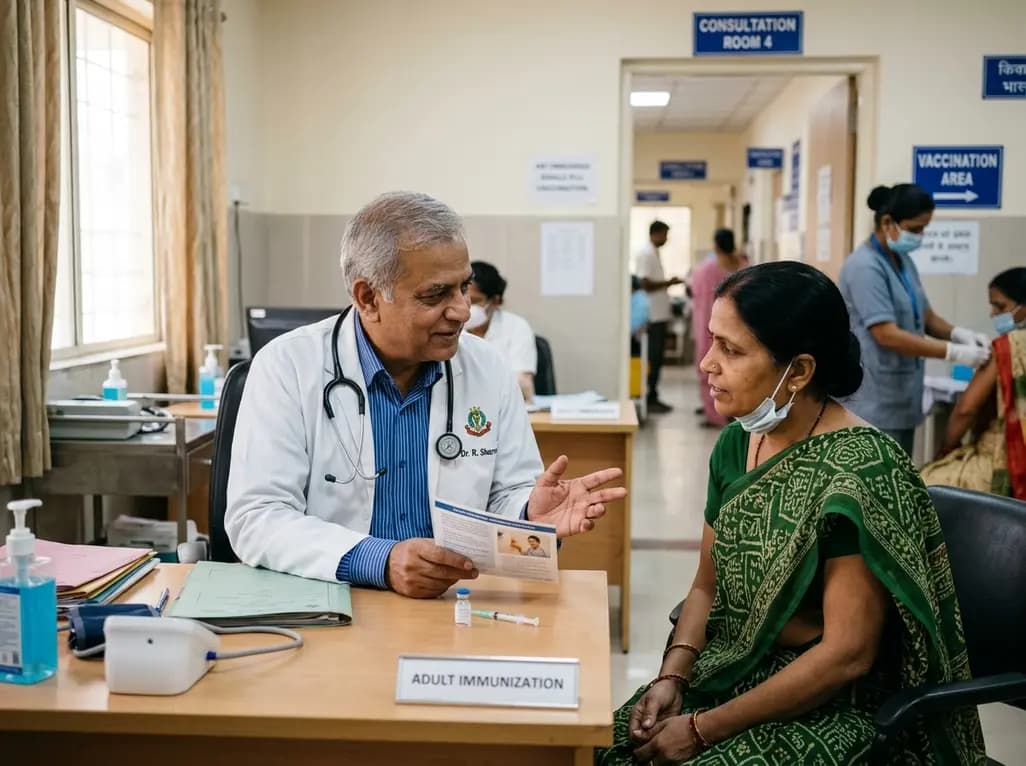
Routine adult flu vaccination remains one of the most underutilized preventive health measures across the Indian subcontinent. Although pediatric immunization programs achieve widespread reach, adult immunization rates continue to lag significantly behind global benchmarks. To address this persistent clinical deficit, the Indian Medical Association has partnered with Abbott to inaugurate Indian Immunization Week from September 21 to 27. Consequently, this initiative seeks to raise nationwide awareness regarding seasonal influenza while equipping clinicians with evidence-based guidance to resolve common clinical dilemmas surrounding immunization timing.
Data from the National Sample Survey highlight a substantial deficit in adult immunization coverage nationwide. Specifically, survey findings indicate that only 1.98 percent of Indian adults aged 18 and older have received recommended adult vaccines. Furthermore, the coverage rate falls to a concerning 0.40 percent among geriatric individuals aged 60 and above. In addition, a multi-city epidemiological study revealed that merely 19.7 percent of older adults demonstrated basic awareness of influenza illness. Consequently, only 1.4 percent of this demographic had ever received a seasonal influenza shot during their lifetime.
These findings demonstrate that systemic misconceptions and poor awareness create massive barriers to preventive care. Many clinicians fail to proactively recommend seasonal vaccines during routine outpatient consultations. Similarly, patients frequently perceive influenza as an ordinary viral cold rather than an infection capable of causing severe respiratory and systemic illness. Therefore, targeted physician advocacy remains essential to elevate public perception and enhance vaccine acceptance across all adult cohorts.
Influenza infection produces significant morbidity and mortality, particularly among high-risk patient populations. For instance, individuals living with underlying cardio-metabolic diseases face substantial risks of severe secondary complications following acute influenza. Studies indicate that influenza virus infection can destabilize chronic plaques, thereby triggering acute coronary syndromes or acute heart failure exacerbations. Similarly, patients suffering from chronic obstructive pulmonary disease or bronchial asthma often experience severe disease exacerbations that necessitate intensive care admission.
Furthermore, diabetic patients exhibit impaired cell-mediated immune responses, which markedly increases their risk of severe secondary bacterial pneumonia. Geriatric patients undergo progressive immunosenescence, making them uniquely susceptible to rapid clinical deterioration and prolonged hospitalizations. In addition, pregnant women face heightened hazards of cardiopulmonary compromise and adverse fetal outcomes when infected. By administering annual influenza prophylaxis, clinicians can dramatically reduce hospitalization rates, diminish intensive care admissions, and prevent catastrophic medical outcomes in these vulnerable populations.
A major obstacle to achieving optimal adult immunization coverage involves clinical hesitation surrounding acute febrile episodes. Historically, both patients and general practitioners have routinely delayed immunization whenever a patient experienced recent pyrexia. Consequently, patients frequently leave clinics without receiving their designated injections and fail to return for subsequent follow-up visits. This widespread uncertainty creates significant coverage dropouts and leaves high-risk patients completely unprotected throughout the peak viral transmission season.
To eliminate this hesitation, the Indian Medical Association released clear clinical recommendations reviewing vaccination safety during and after fever. Importantly, the panel clarified that mild febrile episodes or uncomplicated upper respiratory symptoms should not prompt vaccine deferral. Clinicians can safely proceed with immunization once patients exhibit clinical stability without severe systemic toxicities. However, in cases presenting with moderate or severe acute systemic illness, clinicians should temporarily defer vaccination until acute symptoms abate. Crucially, clinicians must provide an explicit rescheduling date rather than an open-ended deferral.
Healthcare providers occupy the most influential position in driving adult vaccine uptake within the Indian community. First, medical practitioners should integrate immunization status checks into routine outpatient workflow protocols. Every patient presenting with diabetes, chronic kidney disease, or cardiovascular disorders should receive a structured preventive review. Clinicians must clearly explain that an annual influenza shot provides vital organ protection alongside prescribed pharmacotherapy.
Moreover, hospitals and private clinics should establish dedicated adult immunization desks or automated electronic reminder systems. Such infrastructure ensures that patients receive proactive prompts before regional influenza activity surges. In addition, professional medical associations must conduct regular continuing medical education modules to dispel physician-level vaccine hesitancy. By normalizing adult vaccination during routine clinical touchpoints, primary care physicians and medical specialists can collectively transform preventive health metrics across urban and rural practices.
Managing influenza prevention across India requires an understanding of distinct regional meteorological patterns and circulating strains. Because India features diverse climatic zones, influenza transmission exhibits marked geographical variability throughout the calendar year. In northern regions, viral transmission typically peaks during the colder winter months between December and February. Conversely, southern and peninsular states observe prominent influenza surges coinciding with the onset of the southwest monsoon season between June and September.
Therefore, clinicians must align immunization timing with local surveillance data to ensure optimal antibody titers prior to peak viral circulation. Modern quadrivalent influenza vaccines confer broad antigenic coverage by incorporating two influenza A subtypes and two influenza B lineages. Administering updated formulations annually remains imperative because influenza viruses undergo continuous antigenic drift. By keeping clinical teams informed about circulating strains, healthcare facilities can optimize protection for vulnerable patients year-round.
Q1: Does a recent mild fever contraindicate the administration of an influenza vaccine?
No, a mild fever or low-grade viral illness does not contraindicate influenza vaccination. According to recent expert guidance from the Indian Medical Association, clinicians can safely administer the vaccine to patients experiencing mild illness. Deferral is only warranted during moderate to severe acute febrile illness. When deferral becomes necessary, clinicians should assign a specific follow-up appointment to avoid missing immunization altogether.
Q2: Why do adults require an annual influenza vaccination instead of a single lifetime dose?
Adults require annual revaccination for two primary immunological reasons. First, circulating influenza viruses undergo continuous genetic alterations known as antigenic drift, which alters their surface glycoproteins each year. Consequently, vaccine manufacturers update annual formulations to match anticipated circulating strains. Second, vaccine-induced antibody titers naturally wane over six to twelve months, necessitating regular booster doses to maintain protective immunity.
Q3: Which specific adult patient populations should be prioritized for influenza immunization?
Clinicians should actively prioritize individuals aged 60 and older, pregnant women at any gestational stage, and healthcare personnel. Furthermore, adults living with chronic comorbid conditions—such as diabetes mellitus, cardiovascular disease, chronic obstructive pulmonary disease, asthma, and chronic renal failure—require annual protection. Immunocompromised individuals and caregivers of high-risk patients should also receive immediate vaccination to prevent severe secondary complications.
Disclaimer: This content is for informational and educational purposes only. It does not constitute medical advice or replace professional judgment. Refer to the latest local and national guidelines for clinical practice.
References

Read summarized clinical updates, watch expert medical content, and earn CME certifications right from your smartphone.
Open your smartphone camera to scan and install.





The Indian Medical Association and Abbott have launched Indian Immunization Week to champion adult flu vaccination across India. Addressing critical coverage gaps and low awareness, new clinical recommendations clarify post-fever immunization protocols to assist healthcare professionals in protecting vulnerable adults.
Today
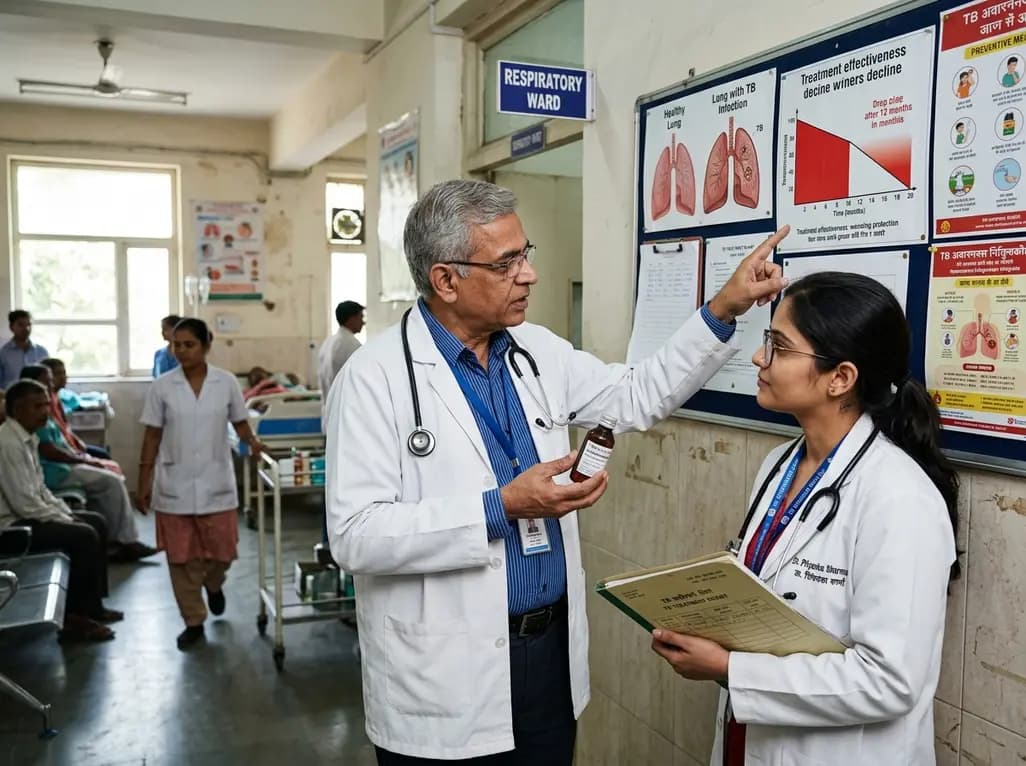
Recent findings in The Lancet Respiratory Medicine reveal that tuberculosis preventive treatment wanes after one year in high-burden settings, unlike the decade-long protection seen in low-burden regions. Clinicians in endemic nations must combine antibiotic chemoprophylaxis with active transmission control.
Today

A school-based intervention using the Health Action Process Approach (HAPA) significantly enhanced adolescents' perceived benefits of consulting healthcare providers and promoted proactive menstrual health behaviors, offering key clinical insights for managing adolescent dysmenorrhea and endometriosis.
Today

A global dose-response meta-analysis of 8.8 million adults reveals that consuming an extra 100 grams of processed food daily raises cardiovascular event risk by 14%. Explore how industrial additives, systemic inflammation, and metabolic disruption heighten long-term multimorbidity and cardiometabolic risks.
Today

A comprehensive analysis of the Translational Maturity Framework for nanomedicine-device combination products, evaluating regulatory complexity, manufacturing hurdles, and clinical readiness across oncology, cardiology, and orthopedics.
Today
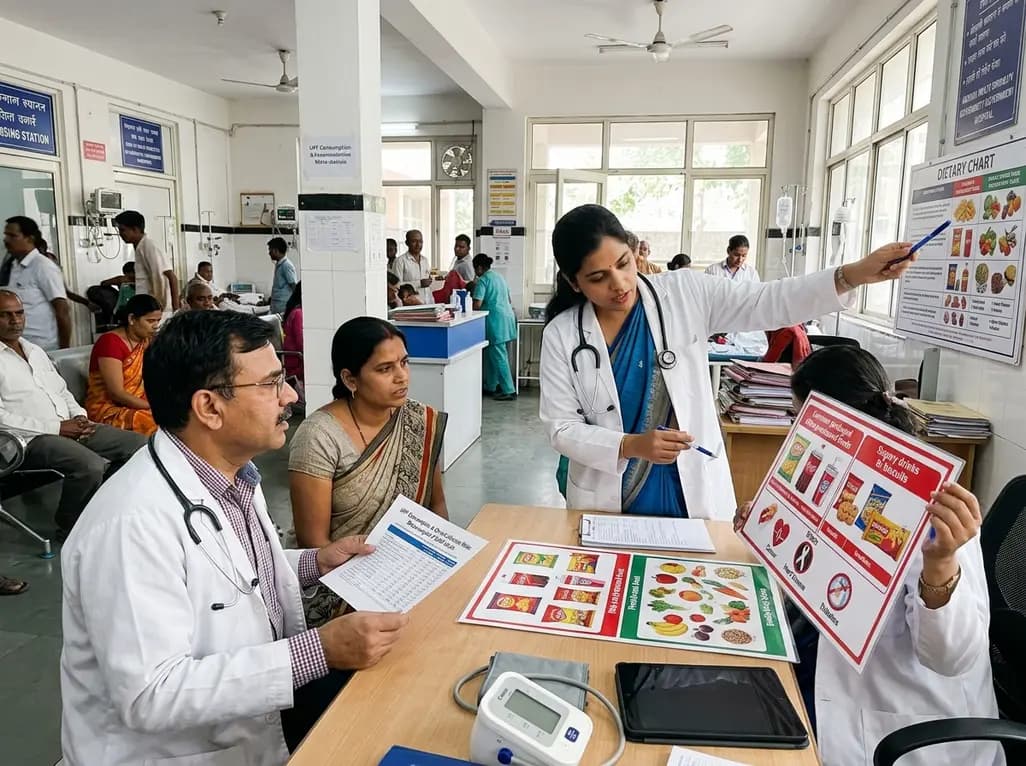
A landmark dose-response meta-analysis of 8.8 million adults reveals that high ultra-processed food intake significantly elevates risks for cardiovascular disease, cancer, diabetes, depression, and all-cause mortality, highlighting urgent needs for clinical lifestyle interventions.
Today
