.webp&w=384&q=75)

Loading, please wait...
Loading, please wait...
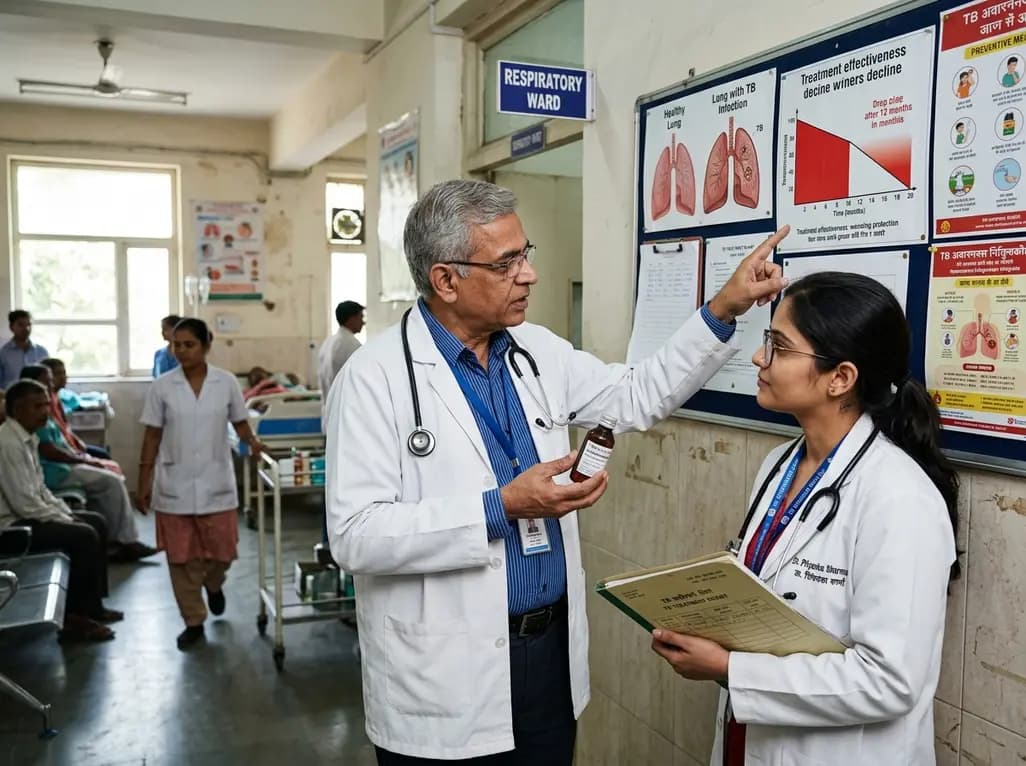
Tuberculosis preventive treatment is a cornerstone of global tuberculosis elimination efforts. Clinicians in high-burden settings routinely prescribe chemoprophylaxis to prevent active disease in infected patients. However, recent evidence highlights that protection wanes rapidly in high-transmission communities. While antibiotic regimens eliminate latent bacilli, continuous airborne exposure presents serious hazards. Consequently, healthcare providers must understand these protective limits to optimize management. Recent data demonstrate that protection declines after twelve months in endemic areas. Therefore, practitioners must adapt clinical protocols to protect vulnerable populations.
Tuberculosis preventive treatment targets latent Mycobacterium tuberculosis infection before organisms proliferate into active disease. Standard chemoprophylaxis protocols traditionally rely on regimens such as isoniazid monotherapy or rifamycin combinations. For example, clinicians frequently prescribe three months of weekly rifapentine plus isoniazid or four months of daily rifampicin. These courses aim to eradicate quiescent bacilli lodged within host tissue. Furthermore, the World Health Organization emphasizes these preventive therapies as central tools to achieve End TB milestones. Health authorities specifically recommend prophylaxis for household contacts, immunosuppressed individuals, and people living with HIV. In clinical practice, physicians observe substantial immediate risk reductions following regimen completion. Additionally, national health programs have expanded access to short-course rifamycin-based therapies over the past decade. These shorter protocols significantly improve patient adherence compared to extended nine-month courses. However, preventive antibiotics cannot offer perpetual immunity against future airborne exposures. Instead, the medication only sterilizes existing bacterial burdens present during drug administration. Hence, the durability of protective coverage depends profoundly on the surrounding epidemiological environment. When patients remain in settings with widespread transmission, circulating pathogens constantly challenge this biological shield. Consequently, sustained success requires minimizing ongoing community exposure.
A comprehensive meta-analysis in The Lancet Respiratory Medicine evaluated the long-term effectiveness of preventive chemotherapy. Researchers from Boston University and the University of California Berkeley synthesized individual-level data from forty-four cohort studies. This robust investigation pooled over 84,000 individuals across twenty-four distinct nations with varying disease incidence rates. Overall, the researchers observed potent protective effects during the initial twelve to twenty-four months post-treatment. In low-burden settings, this protective umbrella persisted reliably for up to thirteen years. Similarly, participants in medium-burden settings retained substantial clinical protection for at least eight years. Interestingly, treatment completion rates did not significantly alter the long-term durability observed in low-incidence countries. However, the scenario differed drastically within high-burden epidemiological environments. In these hyper-endemic regions, the protective effect declined precipitously after the first twelve months. By the second year, the adjusted hazard ratio showed notable attenuation of protective benefit. Thus, individuals faced escalating risks of contracting tuberculosis despite previously finishing complete preventative therapy. Furthermore, the authors demonstrated that continuous environmental pressure eroded this prophylactic advantage. Consequently, the research team highlighted an urgent need to re-evaluate standalone chemoprophylaxis policies in endemic areas.
The rapid decline of prophylactic benefit in high-burden settings stems primarily from recurrent exogenous reinfection. Tuberculosis preventive treatment eradicates dormant bacilli currently residing in the human host. Nevertheless, antibiotics provide no ongoing immunological shield against subsequent inhalational encounters with infectious aerosol droplets. In low-burden countries, individuals rarely encounter an active, infectious index case following treatment completion. As a result, relapse of the original latent infection represents the primary risk factor. Because chemoprophylaxis successfully sterilizes that initial infection, protection endures for more than a decade. Conversely, individuals living in high-burden settings navigate dense airborne exposure within crowded households, workplaces, and public transit. Therefore, frequent re-exposure introduces new, virulent bacterial strains into previously treated lung parenchyma. In addition, persistent socioeconomic determinants such as undernutrition, poor ventilation, and indoor air pollution impair systemic host immunity. These adverse conditions accelerate the progression from recent reinfection to active clinical disease. Consequently, physicians must recognize that waning protection reflects persistent community transmission rather than therapeutic drug failure. Understanding this distinction helps clinicians differentiate between true biological relapse and exogenous reinfection among vulnerable household contacts. Moreover, this insight explains why isolated pharmaceutical treatment cannot stop disease transmission cycles in heavily populated endemic areas.
India accounts for over a quarter of the global tuberculosis burden, making these findings extraordinarily relevant. Medical practitioners across the country actively participate in expanding preventive coverage through the National Tuberculosis Elimination Program. Currently, programmatic guidelines recommend preventive regimens, such as 3HP, for household contacts and immunocompromised individuals. However, clinicians cannot assume that a completed preventive course confers permanent safety in high-density communities. Instead, physicians must maintain high diagnostic suspicion whenever a previously treated patient presents with respiratory complaints. Furthermore, healthcare teams should implement structured clinical follow-up protocols beyond the initial post-treatment year. Regular symptom screening, including evaluation for chronic cough, fever, and unintended weight loss, remains essential. In addition, clinicians must emphasize infection control measures within households and medical clinics. For example, educating families on natural room ventilation and cough etiquette significantly reduces persistent airborne transmission. Moreover, practitioners should rigorously screen and treat any newly diagnosed index cases in the immediate domestic circle. By coupling chemoprophylaxis with vigilant long-term surveillance, Indian clinicians can protect high-risk individuals from subsequent disease reactivation and reinfection. Ultimately, active post-prophylaxis monitoring ensures prompt detection if reinfection occurs after drug cessation. Consequently, long-term vigilance protects patient health while strengthening national elimination efforts.
Achieving enduring control over tuberculosis requires public health programs to move beyond standalone antibiotic chemoprophylaxis. Health systems must integrate pharmaceutical prevention with aggressive active case-finding initiatives across vulnerable populations. Specifically, mobile diagnostic vans and rapid molecular testing expedite the identification and prompt isolation of infectious cases. When authorities cure active spreaders rapidly, community transmission drops precipitously, thereby preserving the gains of preventive treatment. Additionally, environmental interventions play a decisive role in reducing transmission risk in congregate settings. For instance, enhancing indoor ventilation and deploying ultraviolet germicidal irradiation substantially lower airborne bacterial densities. Furthermore, addressing underlying clinical and social risk factors remains paramount for sustaining immune resilience. Clinicians must actively manage comorbid diabetes mellitus, promote smoking cessation, and address macro- and micro-nutrient deficiencies. Nutritional supplementation programs, such as food basket initiatives, markedly enhance cell-mediated immunity against mycobacterial reinfection. Simultaneously, researchers continue to evaluate novel booster vaccines designed to reinforce post-exposure immunological memory. Thus, combining pharmacological regimens with aggressive source control and social interventions offers the only viable pathway toward lasting tuberculosis elimination. Consequently, multidisciplinary care models provide the strongest defense against disease resurgence in vulnerable communities. Accordingly, comprehensive action ensures that clinical investments deliver lasting epidemiological benefits.
Q1: Why does tuberculosis preventive treatment lose its protective effect after one year in high-burden countries?
The loss of protective effect occurs primarily because of continuous community exposure and exogenous reinfection. Tuberculosis preventive treatment effectively clears latent bacilli residing within the host during therapy. However, these medications offer no lasting immunological barrier against subsequent inhalational exposures. In high-transmission settings, treated individuals frequently inhale fresh mycobacterial droplets from undiagnosed community contacts. Consequently, new infections establish and progress to active disease.
Q2: Should clinicians in high-burden settings continue to prescribe tuberculosis preventive treatment?
Yes, healthcare providers should definitely continue prescribing preventive therapy to eligible high-risk patients. The study confirms that preventive treatment provides powerful protection during the initial twelve to twenty-four months. This protection remains vital for household contacts and people living with HIV. However, clinicians must combine chemoprophylaxis with active contact tracing, household infection control, and routine symptom monitoring to prevent subsequent reinfection episodes.
Q3: How does the duration of protection differ between low-burden and high-burden settings?
In low-burden settings, preventive treatment provides robust protection that endures for up to thirteen years. In medium-burden countries, protection lasts at least eight years after treatment completion. In these areas, reinfection risks remain negligible, effectively preventing endogenous reactivation. Conversely, in high-burden nations, intense community transmission leads to frequent reinfection. Consequently, protective efficacy drops markedly after twelve months, requiring comprehensive transmission-control strategies.
Disclaimer: This content is for informational and educational purposes only. It does not constitute medical advice or replace professional judgment. Refer to the latest local and national guidelines for clinical practice.
References

Read summarized clinical updates, watch expert medical content, and earn CME certifications right from your smartphone.
Open your smartphone camera to scan and install.





Recent findings in The Lancet Respiratory Medicine reveal that tuberculosis preventive treatment wanes after one year in high-burden settings, unlike the decade-long protection seen in low-burden regions. Clinicians in endemic nations must combine antibiotic chemoprophylaxis with active transmission control.
Today

A school-based intervention using the Health Action Process Approach (HAPA) significantly enhanced adolescents' perceived benefits of consulting healthcare providers and promoted proactive menstrual health behaviors, offering key clinical insights for managing adolescent dysmenorrhea and endometriosis.
Today
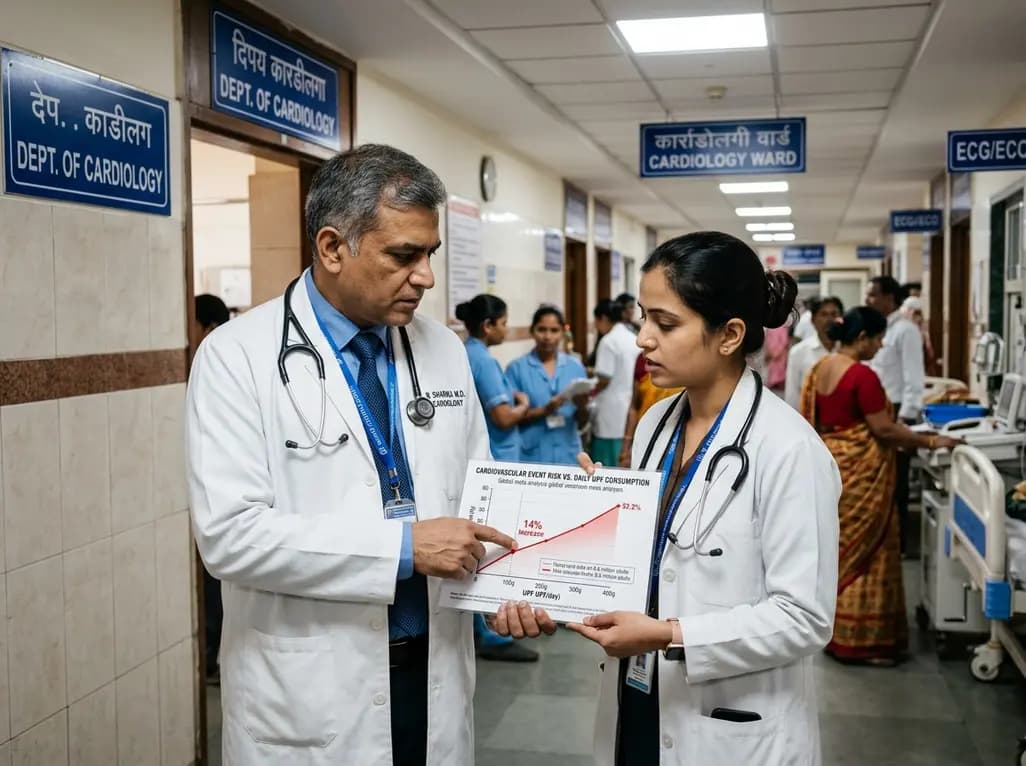
A global dose-response meta-analysis of 8.8 million adults reveals that consuming an extra 100 grams of processed food daily raises cardiovascular event risk by 14%. Explore how industrial additives, systemic inflammation, and metabolic disruption heighten long-term multimorbidity and cardiometabolic risks.
Today

A comprehensive analysis of the Translational Maturity Framework for nanomedicine-device combination products, evaluating regulatory complexity, manufacturing hurdles, and clinical readiness across oncology, cardiology, and orthopedics.
Today
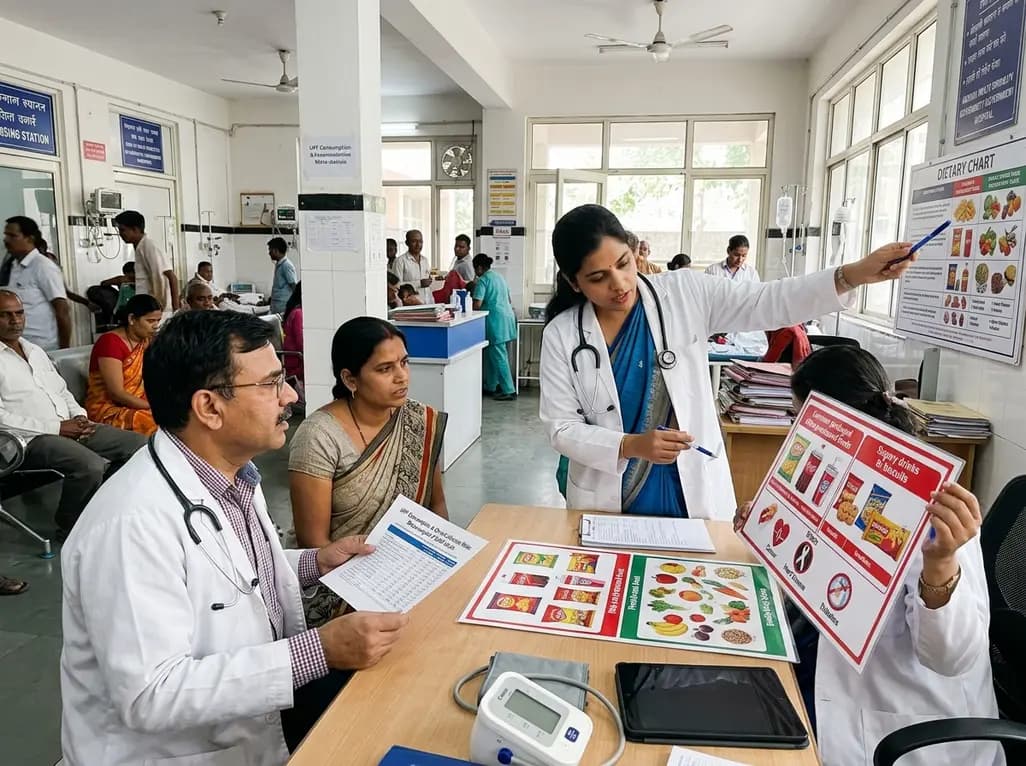
A landmark dose-response meta-analysis of 8.8 million adults reveals that high ultra-processed food intake significantly elevates risks for cardiovascular disease, cancer, diabetes, depression, and all-cause mortality, highlighting urgent needs for clinical lifestyle interventions.
Today
