.webp&w=384&q=75)

Loading, please wait...
Loading, please wait...

Modern dietary patterns increasingly feature heavily manufactured, ready-to-eat products that challenge human physiology. Recent clinical evidence demonstrates that habitual consumption of ultra-processed foods correlates directly with elevated cardiovascular and metabolic disease burdens. Furthermore, public health researchers now recognize these dietary items as substantial drivers of preventable chronic illness. Consequently, primary care physicians must understand how even modest daily exposures influence long-term patient survival and cardiometabolic stability.
Recent data from Duke-NUS Medical School have illuminated the profound global scale of dietary risks. Specifically, investigators conducted a massive meta-analysis combining 51 prospective cohort studies. This rigorous research spanned four continents, including the Americas, Europe, Asia, and Oceania. In total, the evaluation monitored more than 8.8 million participants across extended timeframes ranging from 2 to 32 years. Moreover, the participant cohort represented a broad demographic profile, with subjects aged between 23 and 77 years.
Importantly, the findings published in Family Medicine and Community Health reveal consistent risk elevations across diverse populations. Researchers observed that high dietary exposure does not merely affect isolated metabolic biomarkers. Instead, extensive industrial processing creates pervasive physiological liabilities across entire organ systems. For instance, heavy consumers exhibited a 24 percent higher risk of cardiovascular events compared to minimal consumers. Additionally, these participants experienced a 24 percent higher likelihood of developing metabolic syndrome or diabetes. Furthermore, the highest consumption tiers demonstrated elevated rates of digestive disorders, clinical depression, and overall mortality. Therefore, this expansive epidemiological synthesis provides definitive evidence regarding the widespread dangers of industrially manufactured dietary items.
Beyond categorical comparisons, the study established alarming linear relationships through detailed dose-response analyses. Specifically, each additional 100 grams of processed food consumed daily triggered a 14 percent higher risk of cardiovascular events. Furthermore, this incremental daily intake produced an 11 percent increase in hypertension risk. The data also revealed a 4 percent rise in incident cancer and a 3 percent climb in all-cause mortality. Consequently, clinical risk escalates progressively with every packaged snack or sweetened beverage added to daily meals.
In addition, researchers identified dramatic metabolic consequences related to relative caloric intake. Every 10 percent increase in weight-adjusted energy derived from these products raised metabolic syndrome and diabetes risk by 16 percent. Notably, excessive energy density and rapid gastric emptying exacerbate systemic insulin resistance. Patients who consistently consume high volumes face compounding microvascular and macrovascular complications. Moreover, the study documented a 23 percent rise in obesity risk and a 27 percent increase in anxiety or depression. Thus, clinicians must recognize that small dietary increments generate exponential physiological harm. Even minor daily transgressions alter long-term vascular health and accelerate chronic cardiometabolic decline.
The pathogenesis connecting industrial food products to cardiovascular impairment involves diverse molecular disruptions. Primarily, ultra-processed items undergo severe physical and chemical alterations during commercial manufacturing. These processes strip vital dietary fiber, protective micronutrients, and high-quality proteins. Meanwhile, manufacturers introduce substantial amounts of refined sugars, trans fats, and sodium to enhance product shelf life. Consequently, these foods promote hyper-palatability, driving passive caloric overconsumption and chronic glycemic volatility.
Furthermore, emerging evidence highlights a destructive additive cocktail effect within human intestinal tissues. Industrial formulations frequently combine multiple artificial emulsifiers, synthetic preservatives, texturizers, and coloring agents. Together, these exogenous chemicals erode the protective intestinal mucus layer and alter gut microbiota composition. As a result, microbial dysbiosis permits systemic translocation of lipopolysaccharides into the bloodstream. This circulating endotoxemia triggers widespread vascular endothelial inflammation, oxidative stress, and early atherogenesis. In addition, persistent cellular inflammation disrupts normal insulin signaling across hepatic and peripheral muscle tissues. Ultimately, these intersecting metabolic disturbances promote sustained hypertension and destabilize arterial wall architecture over time. Accordingly, regular consumers experience heightened cardiometabolic stress independent of traditional lifestyle risks.
In addition to artificial chemical additives, thermal manufacturing techniques generate hazardous xenobiotic compounds. For example, high-temperature industrial frying and baking produce substantial quantities of acrylamide. This toxic contaminant forms when free asparagine reacts with reducing sugars during thermal treatment of carbohydrate-dense foods. Recent laboratory research directly links circulating acrylamide metabolites to accelerated cardiovascular disease and cellular mutagenesis. Moreover, repeated heating of industrial fats generates acrolein, an extremely reactive and volatile aldehyde.
Consequently, acrolein exposure induces severe oxidative damage within vascular endothelial cells. The compound actively depletes cellular glutathione levels and stimulates profound mitochondrial dysfunction. In response, damaged endothelial layers lose their normal vasodilatory responsiveness and fail to regulate vascular tone. Furthermore, extensive thermal food processing yields elevated levels of advanced glycation end-products. These glycated molecules cross-link arterial collagen and trigger continuous low-grade inflammatory signaling through specific cell-surface receptors. Thus, patients ingest an array of biologically toxic molecules alongside empty calories. Over time, these cumulative chemical exposures stiffen major arterial conduits and hasten the onset of occlusive coronary events.
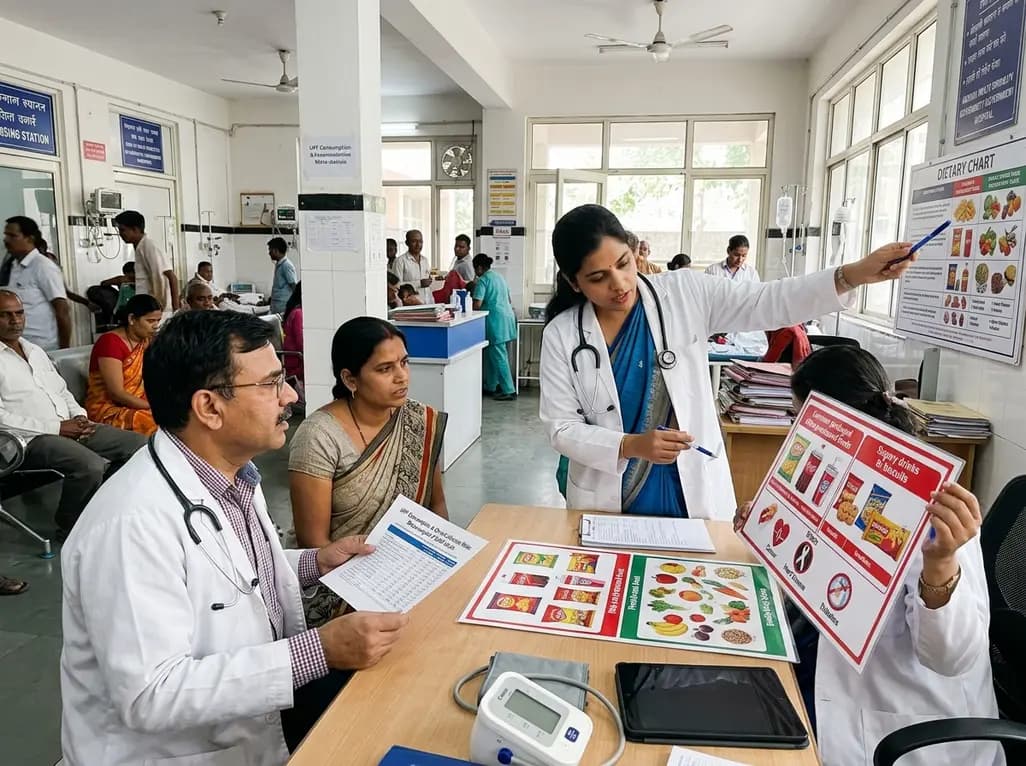
Because ultra-processed food exposures drive multiple organ pathologies, associated disorders rarely occur in isolation. Instead, affected patients frequently present with complex multimorbidity involving hypertension, type 2 diabetes, and coronary artery disease. Therefore, primary care practitioners occupy the frontline in mitigating this emerging epidemiological crisis. Clinicians must routinely incorporate structured dietary assessments into standard preventative consultations. Specifically, identifying daily reliance on pre-packaged meals, sugary drinks, and convenience snacks allows for targeted early intervention.
Moreover, medical teams should educate patients on gradual, practical dietary substitutions. Advising individuals to swap two or three daily industrial items for whole, minimally processed foods delivers measurable vascular benefits. For instance, replacing packaged chips with whole fruits, raw nuts, or homemade legumes substantially reduces daily sodium and toxic contaminant intake. Additionally, healthcare institutions must advocate for broader public health policies that mandate clear front-of-pack nutritional warnings. Such population-level transparency empowers consumers to recognize harmful industrial ingredients before making grocery purchases. Ultimately, integrating nutritional literacy into clinical practice represents an indispensable cornerstone of preventive cardiology and chronic disease management.
Q1: What defines an ultra-processed food compared to a minimally processed alternative?
Ultra-processed foods represent industrial formulations created predominantly from substances derived from food alongside synthesized cosmetic additives. Manufacturers typically include emulsifiers, artificial flavors, hydrogenated oils, and colorants while removing natural dietary fiber and micronutrients. In contrast, minimally processed alternatives consist of whole foods that undergo only basic preservation methods such as drying, boiling, freezing, or pasteurization. Examples include fresh produce, plain whole grains, unflavored milk, and freshly prepared homemade dishes.
Q2: Why does an extra 100 grams of daily intake significantly increase heart risk?
Consuming an additional 100 grams daily delivers concentrated amounts of refined carbohydrates, harmful fats, sodium, and chemical contaminants like acrylamide. Consequently, this continuous exposure initiates rapid blood glucose spikes, promotes vascular endothelial dysfunction, and elevates systemic blood pressure. Furthermore, industrial additives disrupt intestinal permeability and induce chronic low-grade inflammation. Over extended timeframes, these cumulative physiological insults accelerate arterial wall stiffening, promote coronary plaque vulnerability, and significantly increase the incidence of acute myocardial events.
Q3: How can primary care clinicians help patients reduce reliance on these foods?
Clinicians can begin by taking brief dietary histories during routine outpatient examinations to identify high-risk consumption patterns. Rather than demanding drastic dietary overhauls, practitioners should recommend substituting two or three ultra-processed items each day with whole food alternatives. For example, patients can replace sugar-sweetened beverages with water and packaged savory snacks with nuts or fruit. Additionally, referring patients to registered dietitians ensures continuous nutritional education and fosters sustainable long-term dietary modification.
Disclaimer: This content is for informational and educational purposes only. It does not constitute medical advice or replace professional judgment. Refer to the latest local and national guidelines for clinical practice.
References

Read summarized clinical updates, watch expert medical content, and earn CME certifications right from your smartphone.
Open your smartphone camera to scan and install.





A global dose-response meta-analysis of 8.8 million adults reveals that consuming an extra 100 grams of processed food daily raises cardiovascular event risk by 14%. Explore how industrial additives, systemic inflammation, and metabolic disruption heighten long-term multimorbidity and cardiometabolic risks.
Today

A school-based intervention using the Health Action Process Approach (HAPA) significantly enhanced adolescents' perceived benefits of consulting healthcare providers and promoted proactive menstrual health behaviors, offering key clinical insights for managing adolescent dysmenorrhea and endometriosis.
Today

A comprehensive analysis of the Translational Maturity Framework for nanomedicine-device combination products, evaluating regulatory complexity, manufacturing hurdles, and clinical readiness across oncology, cardiology, and orthopedics.
Today

A cross-sectional study reveals that sarcopenic obesity independently increases functional impairment and severe disc degeneration in patients with degenerative lumbar spinal stenosis, highlighting the need for body composition assessment.
Today
A landmark dose-response meta-analysis of 8.8 million adults reveals that high ultra-processed food intake significantly elevates risks for cardiovascular disease, cancer, diabetes, depression, and all-cause mortality, highlighting urgent needs for clinical lifestyle interventions.
Today
