.webp&w=384&q=75)

Loading, please wait...
Loading, please wait...

Managing a malignancy presents severe psychological challenges for women. In particular, illness uncertainty in cancer represents a pervasive cognitive stressor that complicates treatment trajectories and emotional recovery. Clinicians frequently encounter patients who struggle with ambiguous symptom interpretations, unpredictable prognoses, and complex treatment regimens. Consequently, patients often experience heightened vulnerability to depressive symptoms and psychological distress. Understanding how uncertainty manifests across patient subgroups helps oncologists, gynecologists, and mental health professionals tailor supportive care effectively.
Mishel conceptualized illness uncertainty as the inability of a person to determine the meaning of illness-related events. When women receive a diagnosis of breast or gynecologic cancer, their cognitive appraisal mechanisms frequently become overwhelmed. Therefore, individuals struggle to construct a coherent cognitive framework regarding their disease trajectory, survival probability, and therapeutic side effects. Although medical teams provide standard clinical information, patients often interpret prognostic ambiguity through idiosyncratic emotional filters. In addition, acute physiological side effects from chemotherapy or surgical resection often amplify perceived vulnerability. Consequently, illness uncertainty in cancer does not represent a uniform, static psychological state. Instead, it fluctuates significantly across clinical milestones and interpersonal contexts. Recent investigations emphasize that treating all oncology patients as a homogeneous cohort obscures critical differences in coping capacities. For example, some individuals adapt rapidly to complex medical realities, whereas others remain paralyzed by persistent doubt and cognitive confusion. By acknowledging this marked variability, multidisciplinary cancer teams can recognize subtle warning signs of psychological decompensation early in the care continuum.
To delineate individual variability, researchers utilized latent profile analysis among 413 patients undergoing treatment for gynecologic and breast cancers. Importantly, this statistical methodology revealed three distinct phenotypic profiles characterized by unique cognitive patterns. The largest cohort comprised 54.4% of participants, categorized as the high uncertainty-cognitive ambiguity class. These individuals experienced profound confusion regarding symptoms, diagnostic interpretations, and treatment efficacy. In contrast, the second group represented 37.6% of the cohort, characterized as moderate uncertainty-complexity distress. Patients in this category understood basic disease mechanisms but felt overwhelmed by intricate treatment protocols, financial strains, and administrative coordination. Finally, only 8.0% of participants belonged to the low uncertainty-psychological adaptation group. These resilient individuals demonstrated clear illness understanding, adaptive cognitive framing, and manageable distress levels. Consequently, these findings highlight that more than half of women with breast and gynecologic malignancies endure intense cognitive ambiguity throughout their care. Moreover, this substantial skew toward high uncertainty underscores an urgent clinical gap in supportive care delivery.
Several distinct demographic and clinical factors strongly predict which latent uncertainty profile a patient enters. First, educational attainment plays a pivotal role in shaping illness comprehension. Patients with lower educational levels frequently struggle with sophisticated medical terminology, which dramatically elevates cognitive ambiguity. In contrast, higher formal education often equips patients with superior health literacy and proactive information-seeking strategies. Second, caregiver status significantly influences emotional equilibrium. Patients who rely on primary caregivers other than spouses often report higher uncertainty, possibly due to disrupted emotional intimacy and logistical instability. Third, time elapsed since initial diagnosis substantially alters cognitive perceptions. Specifically, patients in the acute post-diagnostic phase experience peak uncertainty because treatment pathways remain volatile and unfamiliar. Over time, familiarity with hospital routines and treatment responses tends to mitigate acute ambiguity, although fears of recurrence can persist. Furthermore, perceived social support correlates inversely with uncertainty severity. When families and healthcare teams provide robust assistance, patients process medical stressors with greater psychological resilience.
Depressive disorders frequently complicate oncology care, reducing adherence to antineoplastic therapy and impairing overall quality of life. Structural equation modeling demonstrated that illness uncertainty serves as a critical mediator between perceived social support and depressive symptoms. Specifically, the indirect mediating pathway accounted for 22.3% of the total effect, yielding a statistically significant effect size. Social support directly alleviates depressive symptoms by fostering interpersonal validation, practical assistance, and emotional safety. However, a major portion of this beneficial effect operates indirectly by reducing cognitive ambiguity and perceived illness complexity. When strong social networks buffer patient apprehension, individuals construct more coherent narratives about their health status. Consequently, reduced cognitive confusion prevents the onset of helplessness, despair, and clinical depression. Conversely, when social support falters, illness uncertainty surges rapidly, which subsequently triggers profound depressive manifestations. Therefore, healthcare providers must recognize that supportive relationships actively stabilize cognitive appraisal mechanisms, protecting vulnerable oncology patients from severe affective morbidity.
These empirical insights provide actionable pathways for modern psycho-oncology practice, particularly in high-volume tertiary hospitals. Because patients present with diverse uncertainty profiles, clinical teams must abandon one-size-fits-all supportive counseling. Instead, institutions should implement risk-stratified psychosocial screening at diagnosis. Clinicians can rapidly administer validated screening instruments to identify individuals in the high uncertainty-cognitive ambiguity cluster. For this high-risk group, oncology teams should deliver structured psychoeducational programs, multimedia aids, and dedicated nurse navigation to demystify complex clinical data. Conversely, patients in the moderate uncertainty-complexity distress tier benefit most from practical case management, logistical navigation, and financial counseling. Furthermore, clinicians must integrate family caregivers directly into communication sessions. Because spousal and non-spousal caregivers profoundly influence cognitive appraisals, educating caregivers reduces shared anxiety across the domestic unit. In addition, hospitals should establish peer support groups where long-term survivors share navigational wisdom with newly diagnosed women. Ultimately, integrating profile-specific interventions into conventional oncology protocols will alleviate depressive burdens and elevate survivorship quality.
Illness uncertainty stems primarily from ambiguous symptom interpretation, complex treatment regimens, and unpredictable prognostic trajectories. Furthermore, lower health literacy, limited formal education, inadequate communication from medical staff, and unfamiliarity with hospital environments exacerbate cognitive ambiguity. Lack of strong social and caregiver support also magnifies feelings of vulnerability and confusion.
Illness uncertainty destabilizes cognitive appraisal, leading patients to perceive their cancer diagnosis as uncontrollable and catastrophic. Consequently, persistent cognitive confusion erodes personal coping reserves, promoting chronic psychological distress and learned helplessness. Over time, unaddressed ambiguity and lack of structural reassurance trigger negative affective cascades that culminate in major depressive symptoms.
Oncologists can reduce uncertainty by adopting transparent, empathetic, and jargon-free communication strategies. Additionally, clinicians should provide structured written materials, establish reliable treatment roadmaps, and incorporate dedicated oncology nurse navigators. Routine distress screening and early integration of psychosocial counseling further empower patients, helping them navigate complex diagnostic and therapeutic steps confidently.
Disclaimer: This content is for informational and educational purposes only. It is not intended to be a substitute for professional medical advice, diagnosis, or treatment. Always seek the advice of your physician or other qualified health provider with any questions you may have regarding a medical condition. Refer to the latest local and national guidelines for clinical practice.
References
Zeng H et al. Illness uncertainty in individuals with gynecologic and breast cancer: A latent profile analysis and structural equation modeling. PLoS One. 2026. doi: 10.1371/journal.pone.0358366. PMID: 42758708.
Mishel MH. Uncertainty in illness. Image J Nurs Sch. 1988;20(4):225-232. doi: 10.1111/j.1547-5069.1988.tb00082.x.
Carlson LE, Waller A, Mitchell AJ. Screening for distress and unmet needs in patients with cancer: review and recommendations. J Clin Oncol. 2012;30(11):1160-1177. doi: 10.1200/JCO.2011.39.5418.

Read summarized clinical updates, watch expert medical content, and earn CME certifications right from your smartphone.
Open your smartphone camera to scan and install.





A study of breast and gynecologic cancer patients reveals three distinct profiles of illness uncertainty. High cognitive ambiguity affected over half of participants. Illness uncertainty mediated 22.3% of the link between social support and depression, highlighting the need for targeted psycho-oncology care.
Today
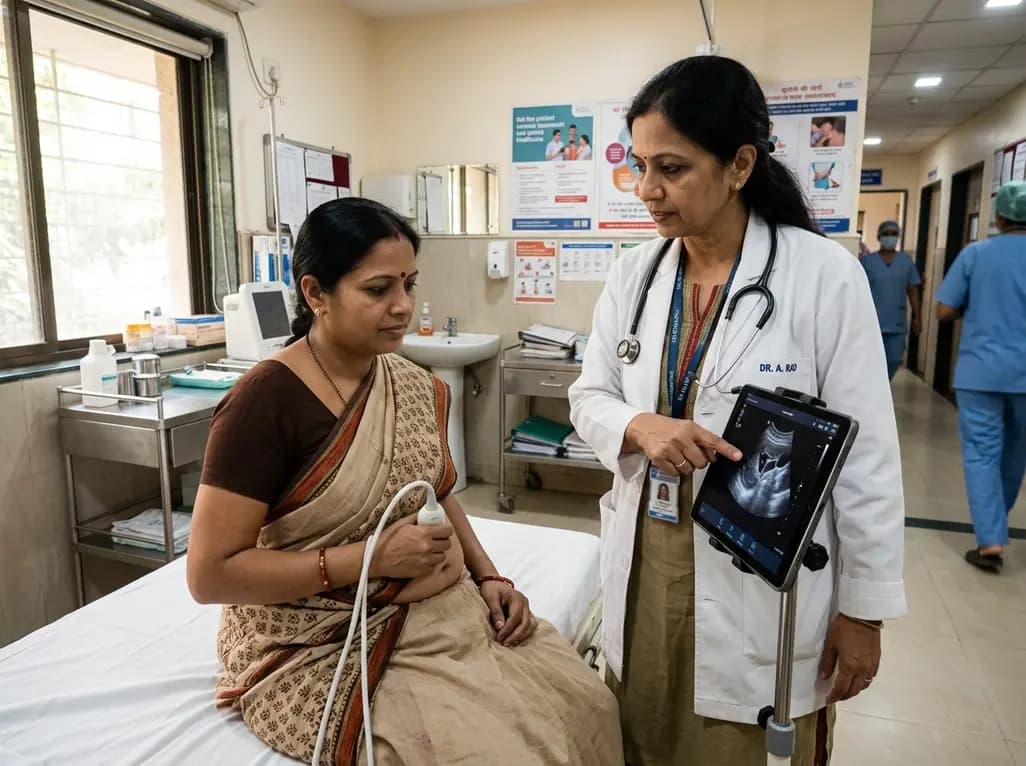
Self-performed ultrasound empowers patients to capture diagnostic-quality scans for remote clinical review. This review evaluates its accuracy, technological challenges, and integration hurdles.
Today
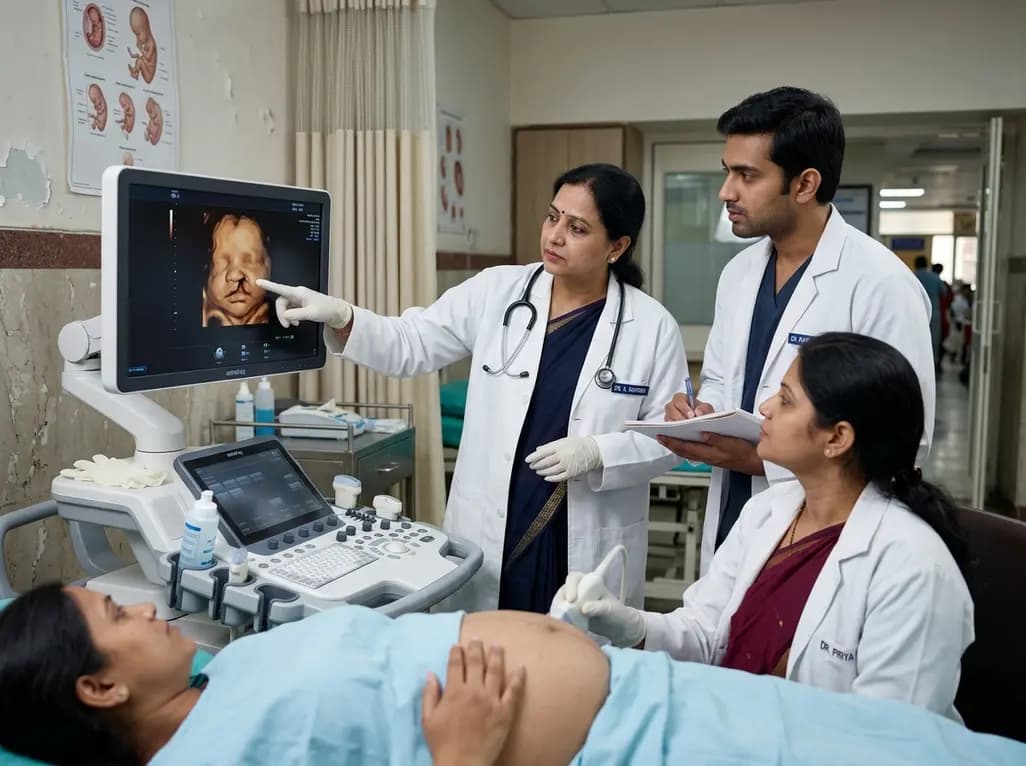
A 5-year retrospective study evaluates prenatal ultrasound detection of fetal cleft lip and palate. While overall detection reached 87%, accuracy varied from 99.3% in combined clefts to 50% in isolated cases. Combined defects showed elevated risks of concurrent structural anomalies and chromosomal abnormalities.
Today

An updated systematic review and meta-analysis of 7,875 patients reveals that routine microaxial left ventricular support during nonemergent high-risk PCI does not reduce mortality or ischemic complications, while significantly increasing major bleeding events.
Yesterday
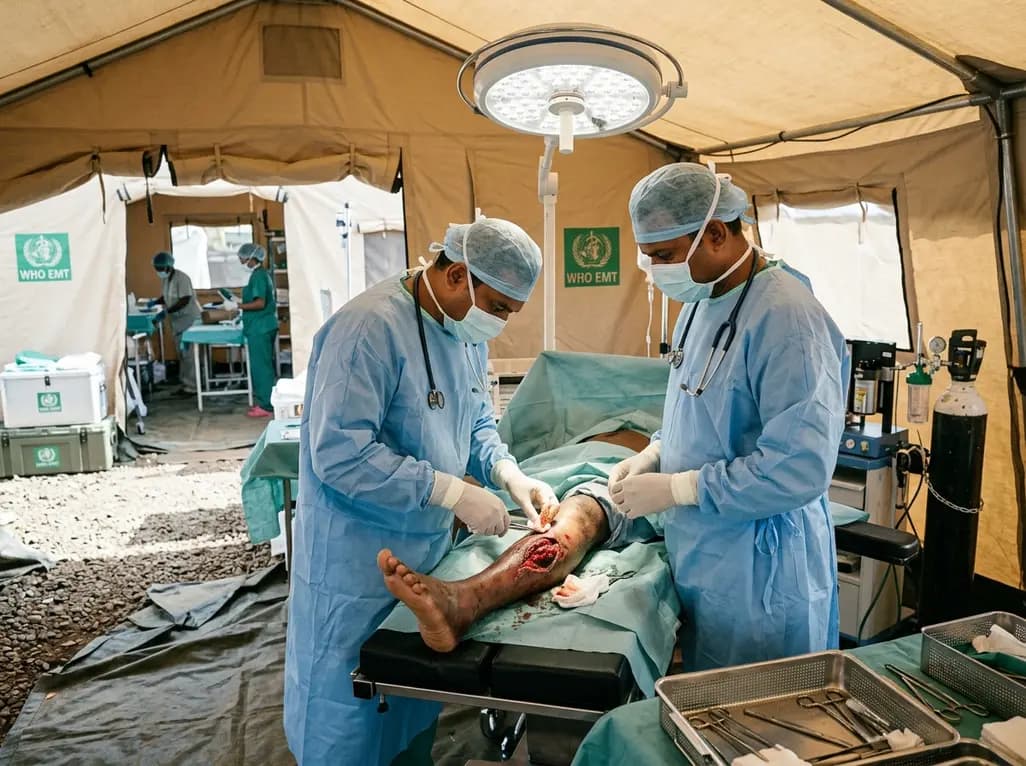
Following Cyclone Chido, a WHO EMT-2 field hospital performed 268 surgeries in Mayotte. While acute trauma is expected initially, 98% of cases were septic wounds of the extremities requiring secondary intention healing, revealing crucial operational insights for disaster surgical preparedness.
Today
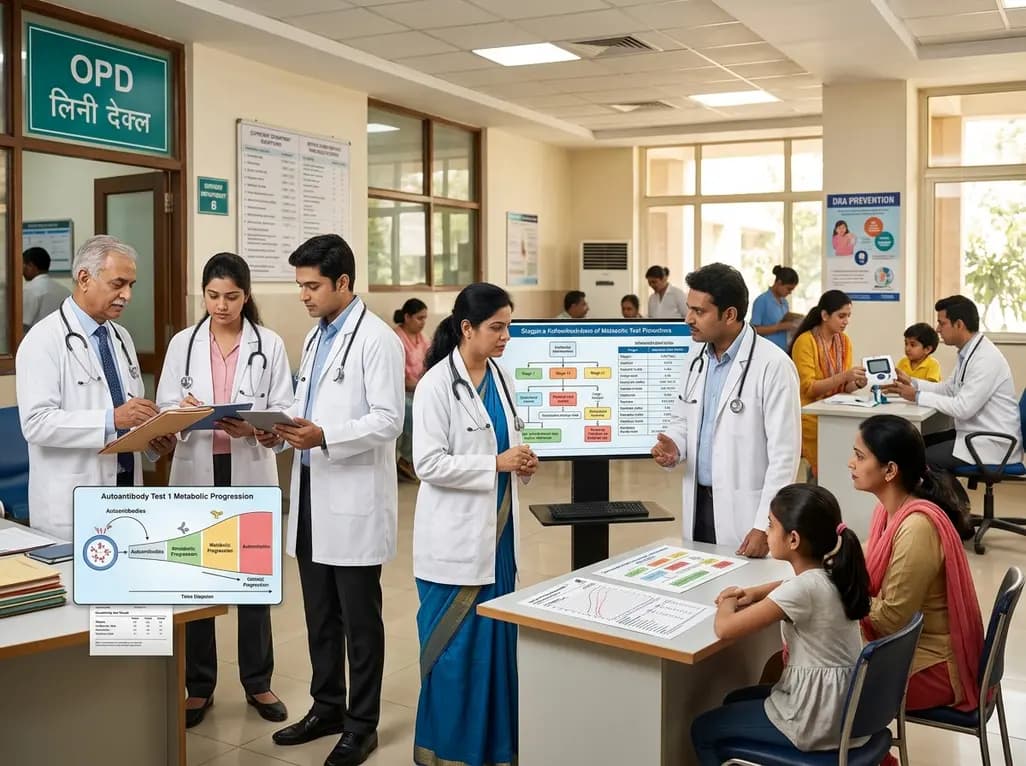
The SED-SEEN-SEEP consensus outlines an Integrated Care Pathway for preclinical type 1 diabetes, structuring target screening, autoantibody confirmation, metabolic staging, and proactive follow-up to prevent diabetic ketoacidosis and facilitate early disease-modifying intervention.
Yesterday
