.webp&w=384&q=75)

Loading, please wait...
Loading, please wait...
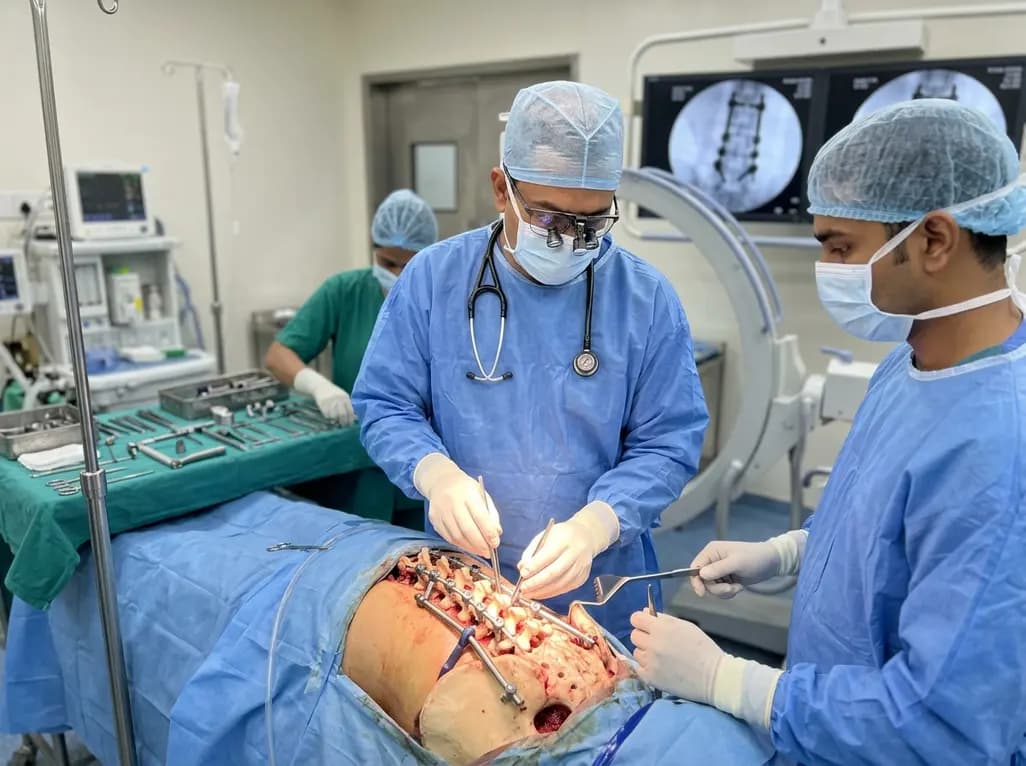
Adult spinal deformity (ASD) surgery represents one of the most complex domains within orthopedic and neurosurgical disciplines. While surgical intervention significantly improves health-related quality of life for patients with scoliosis or sagittal imbalance, mechanical complications remain a frequent hurdle. Specifically, primary rod fracture is a leading cause of unplanned revision surgery, occurring most often within the first two years of the index procedure. Recent prospective multicenter investigations have reported fracture rates between 11% and 14% by the two-year mark. These failures typically occur at sites of high mechanical stress, such as pedicle subtraction osteotomy (PSO) levels or the lumbosacral junction. To mitigate this risk, surgeons have increasingly turned to supplemental rod constructs. Among these innovations, the use of iliac accessory rods has emerged as a promising method to enhance construct rigidity and protect primary rods from fatigue failure. This technique aims to distribute the immense biomechanical loads experienced during deformity correction across multiple structural pillars, thereby reducing the strain on any single component of the instrumentation.
The biomechanics of long-segment spinal fusions are unforgiving, particularly in the aging population where bone quality may be suboptimal. Surgeons must correct global alignment while ensuring the construct survives until biological fusion is achieved. Standard two-rod constructs often prove insufficient for patients undergoing three-column osteotomies or those with severe sagittal vertical axis (SVA) deviations. Consequently, the concept of "satellite" or accessory rods was introduced to provide additional stiffness. These extra rods act as a safety net, absorbing cyclic loading that would otherwise lead to metal fatigue. Research indicates that rod failure is not merely a material issue but a failure of the construct to manage the dynamic forces of the human torso. By incorporating more material, specifically cobalt-chromium, surgeons can achieve higher stiffness. However, the method of attachment is just as critical as the material itself. Traditional multi-rod setups often involve crossing the lumbosacral junction with rods that terminate at the same anchor points. The novel technique discussed here diverges from that by utilizing independent distal fixation points to further isolate the mechanical stressors.
The technical execution of placing iliac accessory rods requires precise planning and specialized hardware. In this novel approach, each accessory rod anchors to an independent iliac bolt located caudally. This is achieved via a lateral connector, which allows the accessory rod to sit in parallel to the primary construct without crowding the surgical field. Moving rostrally, the accessory rod attaches to the primary rod using a side-to-side connector. This configuration creates a "delta" or triangulated support structure that is exceptionally resistant to bending and torsion. During the procedure, surgeons typically place these rods bilaterally, as seen in 87% of the cases in recent clinical series. The use of cobalt chromium for these accessory components is preferred due to its superior stiffness compared to titanium alloy. Furthermore, the average surgery involving this technique includes multiple posterior column osteotomies (PCOs) and fusions spanning approximately eight segments. This robust scaffolding ensures that the spinal column remains stabilized in its corrected position throughout the long healing process, minimizing the micro-motion that predisposes rods to catastrophic fracture.
A retrospective analysis of 82 patients who underwent this specific iliac accessory rod technique provides compelling evidence for its efficacy. The patient cohort, with a mean age of 66 years, demonstrated significant improvements across all primary radiographic parameters. Postoperative assessments showed meaningful corrections in the maximum coronal Cobb angle, fractional curve, and sagittal vertical axis. Additionally, improvements in lumbar lordosis and pelvic incidence to lumbar lordosis (PI-LL) mismatch were statistically significant. Most importantly, the clinical utility of this method is reflected in the strikingly low rate of rod fracture. Of the 50 patients with a minimum of two-year follow-up, only one patient (2%) experienced a rod fracture. This resulted in an overall fracture rate of 1.2% for the entire study group. When compared to the 11-14% rates found in current literature, the statistical significance of this reduction is clear. Notably, the single recorded fracture in this series was found incidentally and did not require any surgical intervention, suggesting that the accessory rods effectively maintained stability even after a localized failure.
Beyond rod fracture prevention, any new surgical technique must be evaluated for its overall safety profile. The study of 82 patients reported an average estimated blood loss of 1526 mL, which is consistent with the high complexity of ASD surgery involving multiple osteotomies. Despite the addition of extra hardware, the incidence of other complications remained within expected limits for such extensive procedures. Proximal junctional kyphosis (PJK) occurred in 13% of patients, and proximal junctional failure (PJF) was noted in 7%. These figures highlight that while accessory rods solve the problem of rod fatigue, the transition zones of the spine remain vulnerable. Surgeons must therefore continue to focus on junctional protection strategies alongside rod reinforcement. The revision rate for this cohort was 11% overall, which is lower than many historical benchmarks for complex deformity correction. The fact that only 1.2% of patients required revision specifically for rod issues underscores the targeted success of this independent iliac bolt anchoring method in providing long-term mechanical stability.
The successful implementation of independent iliac anchoring for accessory rods marks a significant step forward in spinal instrumentation. For surgeons in India and globally, this technique offers a reproducible way to tackle the most high-risk cases of adult spinal deformity. As the population ages and the demand for corrective spine surgery increases, reducing the revision burden is paramount. Future studies should focus on larger, multicenter prospective trials to further validate these findings and compare them against other multi-rod configurations. Furthermore, the integration of patient-specific rods with accessory support may offer the next level of personalized surgical care. By combining optimized rod geometry with the mechanical advantages of the iliac accessory rod, surgeons can provide patients with more durable results and fewer reoperations. This evolution in care reflects a broader trend toward biomechanically informed surgical planning, where the focus extends beyond immediate correction to include the long-term integrity of the internal fixation system.
Standard multi-rod constructs often share the same distal anchors or use simple side-connectors to the primary rod. In contrast, this novel technique utilizes independent iliac bolts for the accessory rods. This independent anchoring creates a more stable, triangulated structure that better distributes mechanical loads across the lumbosacral junction, significantly reducing rod fatigue.
The most common risk factors include high-grade osteotomies like pedicle subtraction osteotomies, severe preoperative sagittal imbalance, and long-segment fusions to the sacrum. Patient-specific factors such as a high body mass index (BMI), smoking history, and poor bone mineral density also contribute to the increased likelihood of mechanical failure and rod fracture.
While adding more hardware generally increases the complexity and duration of surgery, studies have not shown a significantly increased risk of infection specifically due to accessory rods. Proper surgical technique, meticulous soft tissue handling, and standard perioperative antibiotic prophylaxis remain the most critical factors in preventing postoperative infections in complex spinal deformity cases.
Disclaimer: This content is for informational and educational purposes only and does not constitute medical advice or a professional relationship between the reader and the author. Always seek the advice of a qualified healthcare provider regarding any medical condition or treatment. Refer to the latest local and national guidelines for clinical practice.
References
Berlin C et al. Novel method of iliac accessory rods for rod fracture prevention in adult deformity surgery: a case series of 82 patients with outcomes and complications. J Neurosurg Spine. 2025 Oct 01. doi: 10.3171/2024.5.SPINE24208. PMID: 39059456.
Guevara-Villazón F, et al. Multiple-rod constructs in adult spinal deformity surgery for pelvic-fixated long instrumentations: an integral matched cohort analysis. Eur Spine J. 2020;29(4):886-895.
Bae J, et al. Characteristics and Risk Factors of Rod Fracture Following Adult Spinal Deformity Surgery: A Systematic Review and Meta-Analysis. Neurospine. 2021;18(3):438-447.
"
Read summarized clinical updates, watch expert medical content, and earn CME certifications right from your smartphone.
Open your smartphone camera to scan and install.





A novel iliac accessory rod technique significantly reduces rod fracture rates in adult spinal deformity surgery. A case series of 82 patients demonstrated a fracture rate of only 1.2%, compared to historical rates of 11-14%, offering a more robust solution for complex thoracolumbar fusions.
3 months ago
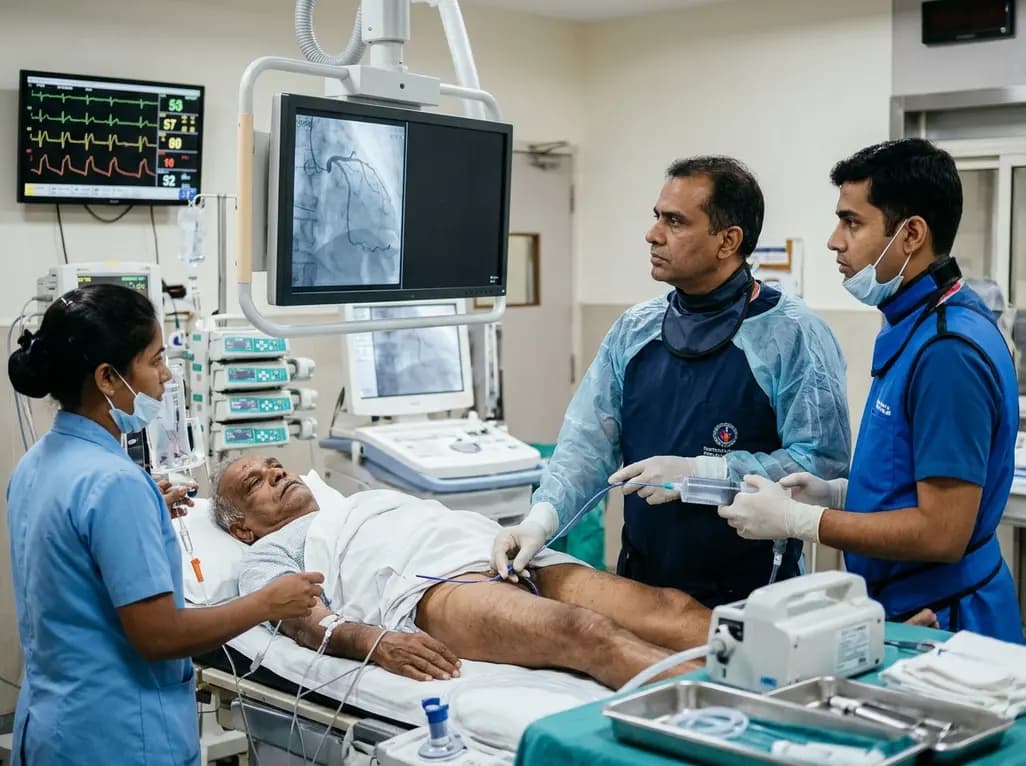
An elderly man with partially repaired Tetralogy of Fallot presented with STEMI caused by coronary embolism rather than atherosclerosis. Successful treatment with sustained mechanical aspiration thrombectomy underscores the vital need for high clinical vigilance in adult congenital heart disease.
Today

Demanding exhaustive hormonal profiling can inadvertently discourage clinical studies involving females. Methodological standards must align with the specific scientific question to expand, not restrict, equitable evidence for women.
Today

A recent study demonstrates that spinal oxygen sensors do not require mitochondrial electron transport to trigger sympathetic excitation during acute hypoxia, revealing new insights into how mitochondrial oxidative stress modulates autonomic tone in cardiovascular and neurological diseases.
Today

A novel calcium polyphosphate coacervate enables injectable bone implants with in situ hierarchical porosity via phase separation and gas foaming, significantly enhancing cell proliferation, energy metabolism, and osteogenic differentiation for minimally invasive bone defect repair.
Today

Following regulatory scrutiny from FSSAI regarding promotional representations and lean muscle preservation claims, Dr. Reddy's Laboratories and Nestlé Health Science are currently reviewing the branding and marketing strategy for their joint nutritional supplement Celevida GLP+.
Today
