

Loading, please wait...
Loading, please wait...

Idiopathic childhood epilepsy remains one of the most pressing neurodevelopmental challenges confronting pediatric clinicians across the globe. In addition, recurrent unprovoked seizures without structural brain lesions often trigger secondary cognitive hurdles, psychosocial stigmatization, and behavioral distress. A comprehensive landmark analysis of Global Burden of Disease data from 1990 to 2021 has illuminated important shifts in disease trajectories. Consequently, pediatricians and general practitioners must reexamine how changing diagnostic capacities and socioeconomic factors influence contemporary pediatric neurology care.
During the past three decades, the worldwide landscape of pediatric epilepsy experienced considerable transformation. Specifically, incident cases of childhood idiopathic epilepsy climbed from approximately 971,000 in 1990 to roughly 1.23 million in 2021, representing an overall increase of 26.34%. Simultaneously, the global incidence rate increased from 55.85 to 61.00 per 100,000 population. Researchers calculate an estimated annual percentage change of 0.20%, indicating a gradual yet steady escalation over time.
However, this expanding caseload reflects diverse underlying drivers. Enhanced parental awareness and widespread adoption of digital electroencephalography have dramatically elevated detection frequencies in both primary and tertiary centers. Furthermore, international classifications have standardized diagnostic thresholds, allowing clinicians to identify subtle focal and absence seizures earlier in life. Therefore, part of this statistical climb likely represents reduced diagnostic omission rather than an absolute biological surge. Nevertheless, increasing population sizes in developing countries expand the absolute volume of affected young patients. Clinicians worldwide now manage larger cohorts requiring dedicated antiepileptic drug management and educational support.
While incident diagnoses expanded, global mortality outcomes showed notable improvements over the thirty-year observation interval. In fact, total annual deaths attributed to idiopathic childhood epilepsy dropped by 29.5%, falling from 25,768 in 1990 to 18,171 in 2021. Consequently, the global childhood mortality rate declined from 1.48 to 0.90 per 100,000 individuals, demonstrating sustained public health progress.
Similarly, disability-adjusted life years fell by nearly 15% across the global pediatric cohort. This positive shift highlights the transformative power of modern acute seizure management and expanded intensive care facilities. In particular, emergency protocols utilizing rapid-acting benzodiazepines have curbed life-threatening status epilepticus episodes in emergency departments. Moreover, broader distribution of affordable anti-seizure medications has prevented fatal secondary injuries, drowning, and lethal seizure-related trauma. Although premature mortality has dropped significantly, surviving children still face extensive long-term disability burdens. Ongoing cognitive screening and early developmental interventions remain necessary to translate lower mortality into superior quality of life. Thus, tertiary teams must continuously refine ambulatory surveillance strategies to maintain these critical survival gains.
Despite overall global progress, the burden of childhood epilepsy remains distributed inequitably across varying economic tiers. In particular, the Sociodemographic Index strongly predicts pediatric seizure outcomes and patient survival. Countries in the lowest sociodemographic tier recorded the highest pediatric mortality rate in 2021, reaching 1.46 per 100,000 children. In contrast, higher-income regions recorded markedly lower mortality figures alongside much higher reported incidence rates.
Furthermore, regional analyses uncover striking national contrasts in clinical morbidity. For example, Ecuador documented the highest global incidence rate, whereas Tajikistan suffered the highest childhood mortality rate in 2021. Meanwhile, Zambia recorded the highest childhood disability-adjusted life years, highlighting persistent systemic challenges in sub-Saharan Africa. These stark differences stem directly from disparities in diagnostic neuroimaging, pediatric specialist availability, and reliable medication supply chains. Low-resource clinics frequently face chronic shortages of core antiepileptic agents such as sodium valproate and carbamazepine. As a result, children in marginalized communities experience uncontrolled seizures and preventable mortality. Addressing these severe disparities requires targeted governmental subsidies and structured rural outreach initiatives to protect vulnerable young populations.
Managing idiopathic childhood epilepsy extends far beyond mere seizure frequency reduction. Because frequent abnormal electrical discharges disrupt vulnerable developing neural networks, children often experience complex psychiatric and cognitive comorbidities. For instance, affected children carry elevated risks of attention-deficit/hyperactivity disorder, major depressive disorder, severe intellectual impairment, and suicidal ideation.
Additionally, recurrent unpredictable seizures generate significant psychological anxiety for both children and their families. Stigmatizing misconceptions in school environments often cause severe emotional isolation and academic underachievement. Therefore, clinicians must adopt holistic surveillance models that incorporate routine neurocognitive evaluations alongside pharmacological management. Pediatricians should actively screen for educational delays, mood alterations, and behavioral changes during every routine follow-up visit. When antiepileptic therapies begin, physicians must also carefully balance seizure control against drug-induced sedation or cognitive slowing. Selecting medications with favorable cognitive profiles, such as levetiracetam or lamotrigine, helps protect learning capacity during critical formative years. Ultimately, multidisciplinary collaboration among pediatricians, child neurologists, clinical psychologists, and educators ensures optimal developmental outcomes for affected youth.
To counter the persistent worldwide disease burden, health authorities must implement structured pediatric healthcare strategies. First, primary care practitioners require formal training in recognized seizure semiology to distinguish true epileptic seizures from benign pediatric mimics. Prompt identification enables timely specialist referral and prevents catastrophic treatment delays.
Second, healthcare policy must secure consistent, decentralized access to essential anti-seizure medications across rural clinics. Subsidized medications protect economically disadvantaged families from devastating out-of-pocket costs and intermittent therapeutic nonadherence. Furthermore, health systems must integrate emergency rescue medication training for parents, school nurses, and community caregivers. Providing rectal diazepam or intranasal midazolam protocols substantially curtails prolonged convulsive emergencies outside hospital settings. In addition, public health campaigns must actively dispel social myths and school stigma surrounding childhood epilepsy. Promoting community awareness fosters inclusive educational environments where children thrive socially and intellectually. Finally, expanding regional pediatric neurology registries will refine epidemiological monitoring and inform equitable medical resource allocation across diverse global settings.
Idiopathic childhood epilepsy occurs without an identifiable structural brain abnormality, metabolic defect, or acquired neurological injury. Clinicians attribute these conditions primarily to genetic predispositions or channelopathies. In contrast, secondary epilepsy arises directly from identifiable brain trauma, central nervous system infections, perinatal hypoxia, intracranial hemorrhage, or congenital cerebral malformations.
Incidence rates rose primarily due to enhanced diagnostic capabilities, improved international disease classification, and expanded healthcare access worldwide. Conversely, mortality dropped substantially because modern pediatric emergency medicine delivers prompt seizure termination using rapid-acting anticonvulsants. In addition, broader access to safe maintenance therapies significantly reduces status epilepticus fatalities and accidental deaths.
Children with epilepsy face elevated risks of intellectual disabilities, attention-deficit disorders, learning impairments, and depressive symptoms. Chronic abnormal electrical discharges disrupt vulnerable developing neural circuits, impairing memory and concentration. Furthermore, psychological stress, social stigmatization, and antiepileptic drug side effects often exacerbate behavioral challenges, necessitating proactive multidisciplinary neurodevelopmental monitoring.
Disclaimer: This content is for informational and educational purposes only and does not constitute formal medical advice, diagnosis, or treatment. Healthcare professionals must evaluate individual clinical scenarios independently and exercise professional judgment. Refer to the latest local and national guidelines for clinical practice.
References
Zhang Y et al. Global, Regional, and National Epidemiology of Idiopathic Childhood Epilepsy from 1990 to 2021. Neuroepidemiology. 2026. doi: 10.1159/000545830. PMID: 40245852.
Li L, Wang H. Burden of Childhood Idiopathic Epilepsy in Asia from 1990 to 2021. Neuroepidemiology. 2026. doi: 10.1159/000550339. PMID: 41505368.
GBD 2021 Epilepsy Collaborators. Global, regional, and national burden of epilepsy, 1990–2021: a systematic analysis for the Global Burden of Disease Study 2021. Lancet Neurol. 2025;24(3):210-224.

Read summarized clinical updates, watch expert medical content, and earn CME certifications right from your smartphone.
Open your smartphone camera to scan and install.





A 30-year Global Burden of Disease analysis reveals that while mortality from idiopathic childhood epilepsy has dropped globally, incidence has increased to 1.23 million cases in 2021. Low-SDI regions bear the greatest mortality burden, highlighting crucial challenges for pediatric neurology and equitable care.
Today
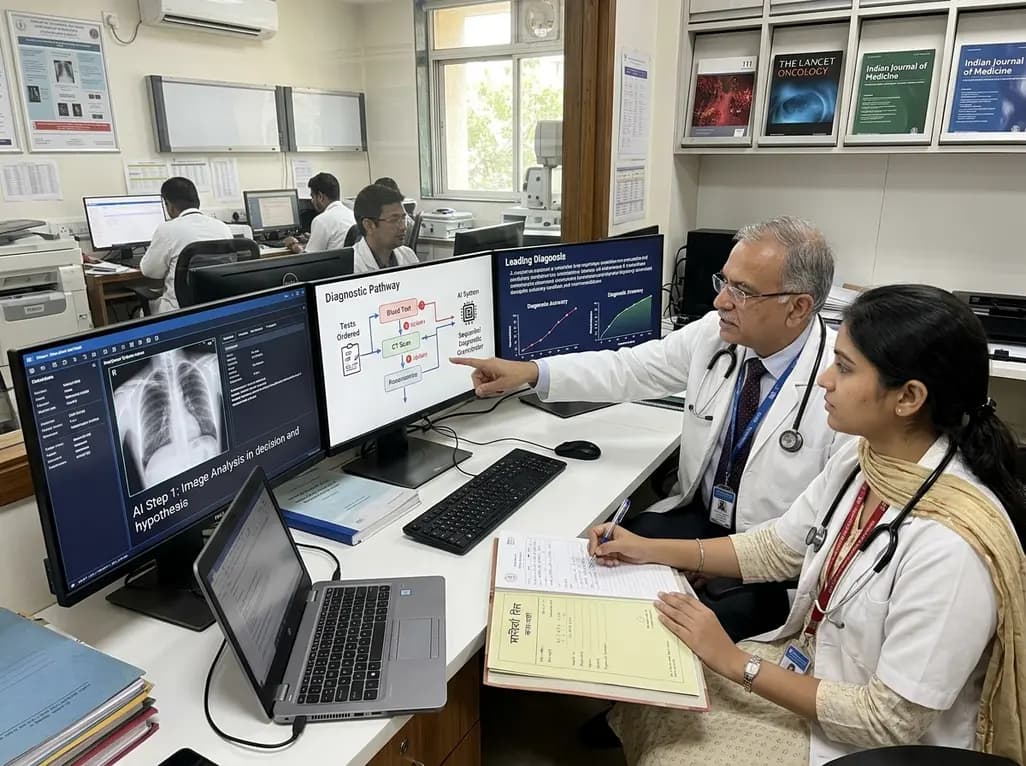
A breakthrough peer-reviewed study demonstrates that a sequential AI diagnosis system can mirror real-world clinical reasoning. By ordering stepwise tests and updating hypotheses dynamically, this multi-agent orchestrator achieved superior diagnostic accuracy while reducing investigative costs.
Today

A prenatal case highlights severe glutaric acidemia type II presenting as bilateral hyperechoic cystic kidneys at 18 weeks. Whole-exome sequencing revealed a novel homozygous ETFDH frameshift variant, demonstrating the power of rapid genetic testing in fetal renal anomalies.
Today

Review how tailored exercise programs benefit frail older patients with heart failure. Explore pathophysiological mechanisms, individualized training prescriptions, and strategies to overcome adherence barriers in clinical practice.
Yesterday

This comparative study evaluates posterior labral tears with and without glenohumeral instability, highlighting distinct demographic patterns, MRI underestimation in stable shoulders, and successful arthroscopic repair outcomes.
Yesterday

A clinical study demonstrates that early intervention with tocilizumab, either as monotherapy or bridged with corticosteroids, achieves significant proptosis reduction and resolves active inflammation in treatment-naive thyroid eye disease.
Yesterday
