.webp&w=384&q=75)

Loading, please wait...
Loading, please wait...
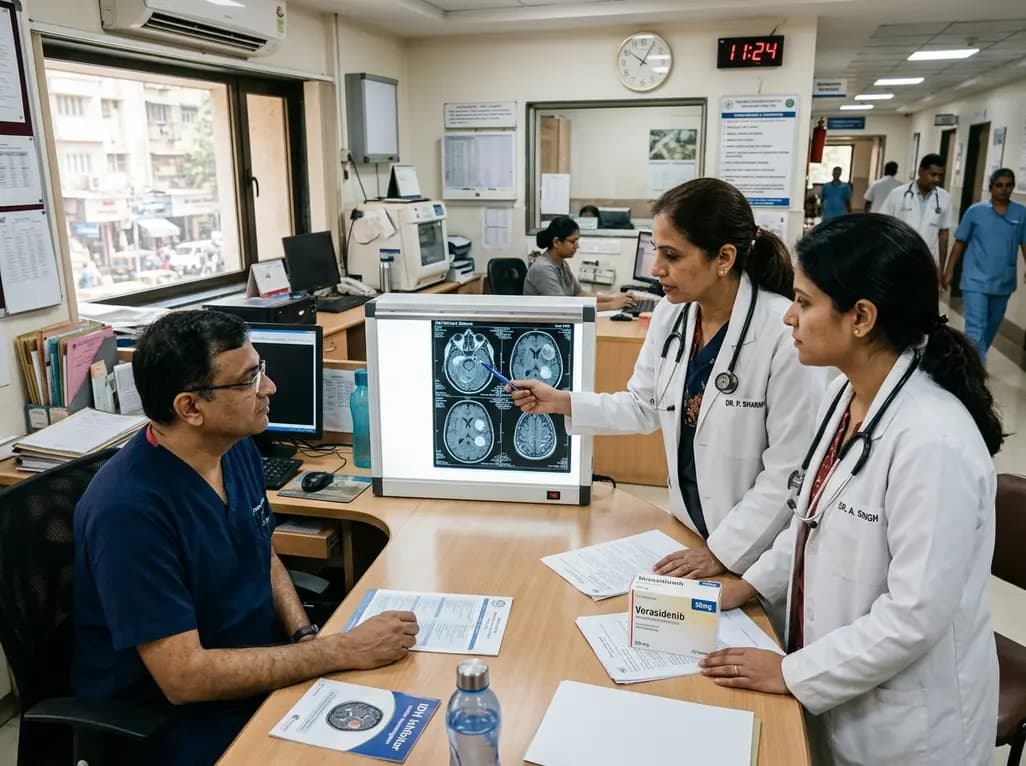
Recent therapeutic developments have fundamentally transformed IDH-mutant glioma management across neuro-oncology, radiation oncology, and neurosurgery. Historically, clinicians relied primarily on maximal safe surgical resection followed by observation or adjuvant chemoradiotherapy based on clinical risk stratification. However, the introduction of targeted therapies, particularly mutant IDH inhibitors such as vorasidenib, has significantly diversified treatment algorithms. Consequently, clinicians now face complex therapeutic choices regarding the timing of molecular targeted therapy versus upfront cytotoxic treatment. A recent multidisciplinary survey evaluated real-world decision-making patterns to determine how clinical practice is evolving among diverse specialists treating IDH-mutant diffuse gliomas.
The standard treatment landscape for IDH-mutant lower-grade gliomas has undergone a major paradigm shift. For decades, clinicians evaluated risk factors such as patient age, extent of resection, and neurological deficits to decide whether to recommend observation or immediate adjuvant radiotherapy plus procarbazine, lomustine, and vincristine (PCV) or temozolomide. However, the approval of brain-penetrant dual IDH1/2 inhibitors has established targeted molecular therapy as a viable therapeutic strategy. Therefore, practitioners must now determine how to sequence these oral therapies alongside established modalities. While targeted inhibitors offer disease control with reduced neurocognitive toxicities, selecting the optimal patient subset remains a central clinical challenge.
To characterize clinical consensus and variability, investigators surveyed 153 oncology specialists, including neuro-oncologists, medical oncologists, radiation oncologists, and neurosurgeons. The investigators presented ten to thirteen standardized clinical scenarios depicting common patient presentations across different disease stages. Interestingly, consensus—defined as greater than 75% agreement—was reached in half of the clinical scenarios. Clear consensus emerged for standard presentations, such as initiating upfront chemoradiotherapy for high-risk grade 3 astrocytomas with residual disease. Conversely, substantial treatment heterogeneity appeared in scenarios involving borderline-risk grade 2 oligodendrogliomas and asymptomatic residual disease after subtotal resection.
A prominent finding of the multi-institutional analysis was the divergence in treatment preferences between subspecialties. Neuro-oncologists and medical oncologists demonstrated significantly higher enthusiasm and earlier adoption of mutant IDH inhibitors. In contrast, radiation oncologists were significantly less likely to recommend upfront IDH inhibitors, favoring established adjuvant radiation regimens or structured active surveillance. This variation highlights differing clinical priorities between disciplines. Medical oncologists frequently seek to defer radiotherapy-induced long-term neurocognitive impairment, whereas radiation oncologists prioritize proven overall survival data established in landmark phase III clinical trials.
Beyond subspecialty differences, provider demographics and practice environments substantially influenced therapeutic choices. Clinicians practicing at academic medical centers and high-volume neuro-oncology referral centers were more comfortable integrating targeted inhibitors into personalized treatment plans. Additionally, clinicians with greater exposure to clinical trials exhibited higher familiarity with managing unique toxicities associated with IDH inhibition, such as hepatic transaminase elevations. Conversely, community clinicians often adhered strictly to traditional postoperative observation or standard chemoradiation protocols due to limited institutional experience with novel targeted agents.
As targeted therapies gain widespread availability globally, establishing harmonized clinical guidelines for IDH-mutant glioma management is essential. Multidisciplinary tumor boards serve a pivotal role in bridging the communication gap between surgeons, radiation specialists, and medical oncologists. Furthermore, prospective registry data and real-world post-marketing studies will help clarify the durability of targeted responses, resistance mechanisms, and optimal sequencing strategies. Integrating molecular diagnostics and collaborative decision-making frameworks will ultimately standardize care and enhance progression-free survival while preserving quality of life.
Mutant IDH inhibitors, such as vorasidenib, target specific metabolic enzymes driving tumorigenesis in IDH-mutant gliomas. They provide meaningful central nervous system disease control, reduce tumor growth rates, and delay the need for potentially neurotoxic interventions like cytotoxic chemotherapy and cranial radiation therapy in eligible adult patients.
Specialists often weigh clinical priorities differently. Neuro-oncologists frequently prioritize deferring delayed radiation-induced cognitive decline by utilizing targeted oral therapies early. In contrast, radiation oncologists emphasize mature, long-term overall survival and local progression control proven by historical phase III trials evaluating conventional radiotherapy and alkylating chemotherapy regimens.
Clinicians evaluate key risk factors including histological grade, patient age, neurological functional status, molecular features like 1p/19q codeletion, and the extent of surgical resection. Favorable, low-risk patients may receive targeted therapy or observation, whereas higher-risk patients generally require prompt definitive chemoradiation.
Disclaimer: This content is for informational and educational purposes only. It is not intended to replace professional medical advice, diagnosis, or treatment. Always seek the advice of your physician or other qualified health provider with any questions you may have regarding a medical condition. Refer to the latest local and national guidelines for clinical practice.
References
1. Lanman TA et al. Contemporary practice patterns in IDH-mutant glioma management: a multidisciplinary multi-institutional survey. J Neurooncol. 2026 Jun 08. doi: 10.1007/s11060-026-05630-3. PMID: 42258073.
2. Mellinghoff IK, van den Bent MJ, Blumenthal DT, et al. Vorasidenib in IDH1- or IDH2-Mutant Low-Grade Glioma. N Engl J Med. 2023;389(7):589-601.
3. Weller M, van den Bent M, Preusser M, et al. EANO guidelines on the diagnosis and treatment of diffuse gliomas of adulthood. Nat Rev Clin Oncol. 2021;18(3):170-186.

Read summarized clinical updates, watch expert medical content, and earn CME certifications right from your smartphone.
Open your smartphone camera to scan and install.





Explore contemporary clinical practice patterns in IDH-mutant glioma management following the integration of targeted mutant IDH inhibitors like vorasidenib, highlighting multidisciplinary decision-making across neuro-oncology, radiation oncology, and neurosurgery.
last month
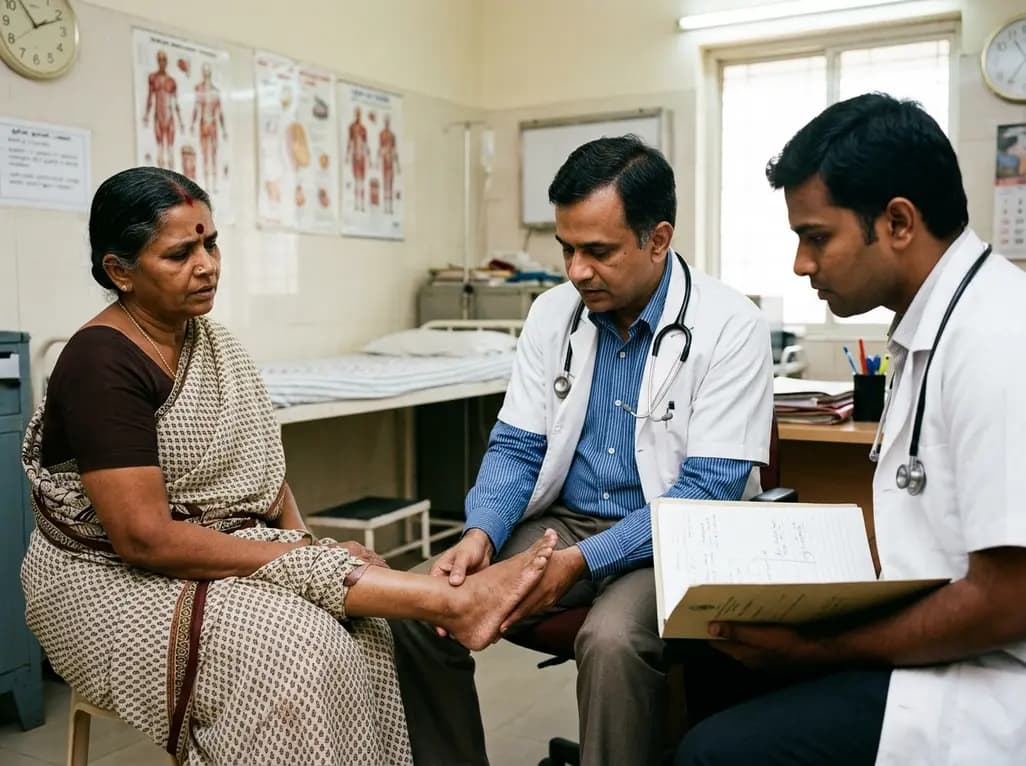
Discover how to identify superimposed entrapment neuropathy in diabetic patients. This review details clinical evaluation, surgical decompression evidence, and a structured algorithm for primary care referrals to prevent ulcers and preserve limb function.
Today

A retrospective cohort study evaluated 1,000 low-risk singleton births to assess maternal and neonatal outcomes during office-hours versus off-hours. Off-hours deliveries were significantly associated with higher odds of intrapartum cesarean sections and episiotomies, highlighting critical obstetric staffing considerations.
Today
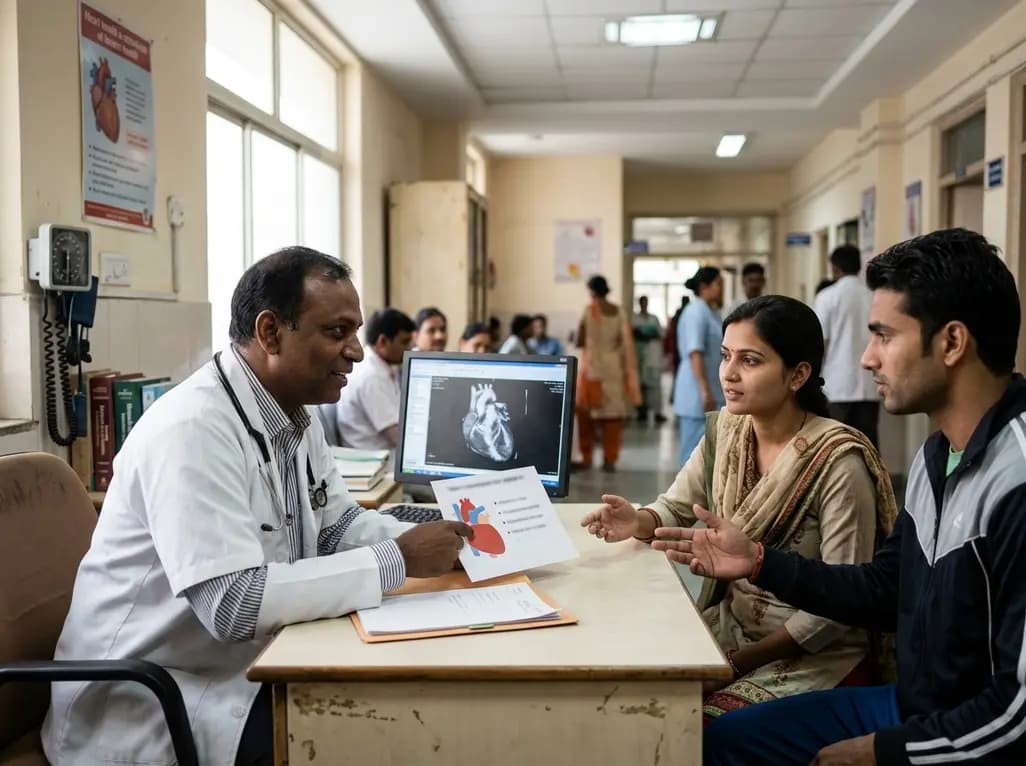
New clinical evidence demonstrates a shift away from strict exercise restrictions in genetic heart disease. While patients with channelopathies engage in more vigorous activity than those with cardiomyopathies, shared decision-making and individualized risk assessments ensure safe, beneficial exercise participation.
Today
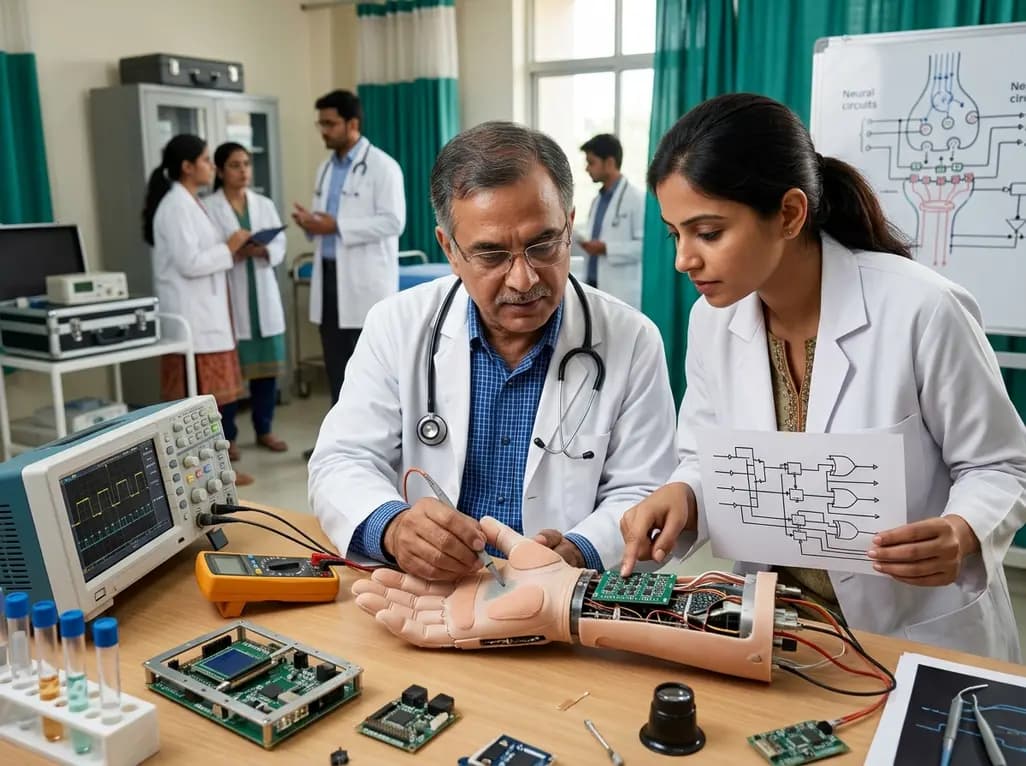
Researchers have engineered an artificial sensory-pain integrated receptor using a multi-threshold organic synaptic transistor. The system distinguishes benign touch from noxious stimuli, enabling safer, more responsive prosthetic limbs with built-in memory and simplified hardware architecture.
Today
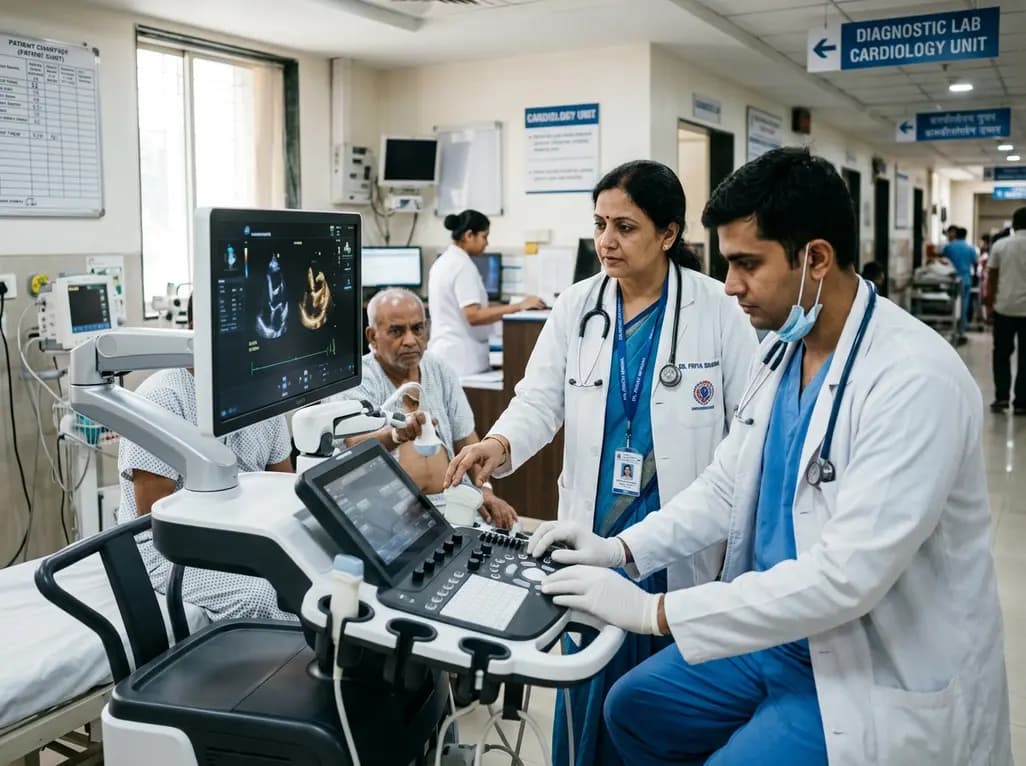
Medical robotics is transitioning beyond operative suites into diagnostics, cardiology, and endocrinology. Explore how innovations in tele-robotics, AI integration, and nanomedicine are overcoming geographical barriers and transforming precision healthcare delivery across India's evolving disease landscape.
Today
