.webp&w=384&q=75)

Loading, please wait...
Loading, please wait...
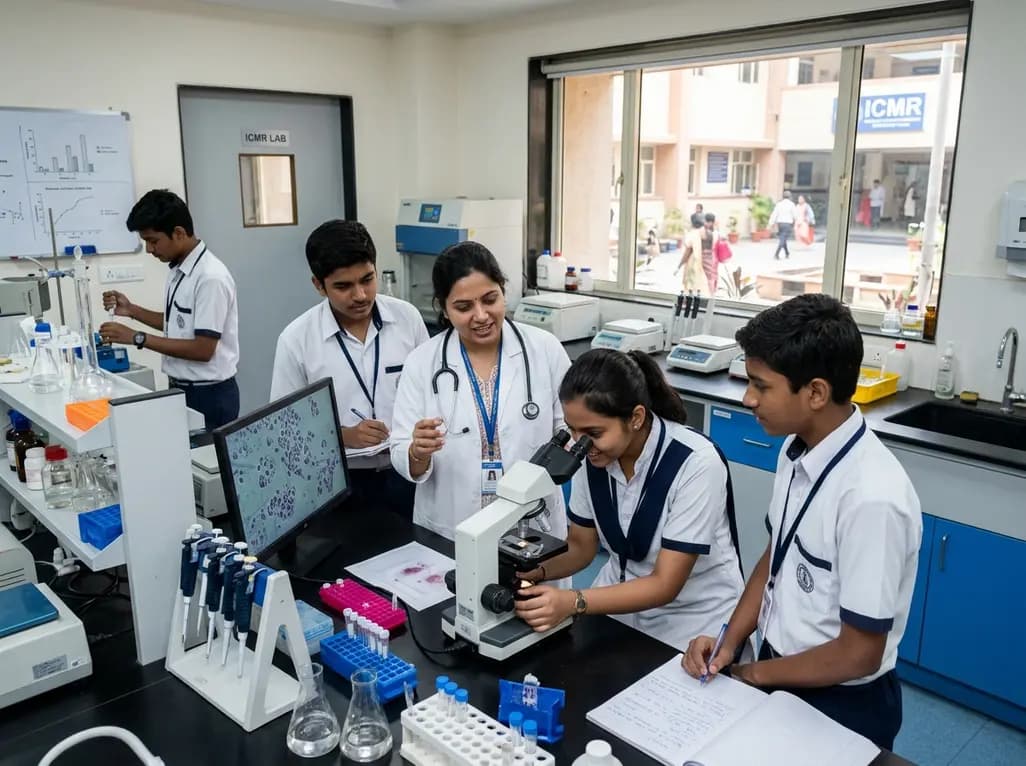
The Indian Council of Medical Research has officially launched the second edition of its nationwide student outreach program. Known as the ICMR SHINE initiative, this ambitious project stands for Science, Health and Innovation for NextGen Explorers. The initiative addresses Prime Minister Narendra Modi's vision encouraging young students to spend one day as a scientist. Furthermore, the Department of Health Research and ICMR aim to bridge the gap between academic education and practical biomedical science. By opening laboratory doors across the country, health authorities are actively fostering scientific temper among high school students. Consequently, thousands of young learners will experience cutting-edge public health research, medical technology, and disease management firsthand during this transformative two-day national event.
The primary purpose of the ICMR SHINE initiative centers on inspiring school students from Grades 9 to 12 to explore scientific careers. By connecting young learners directly with leading health researchers, the program transforms abstract textbook concepts into tangible medical advancements. Moreover, the Department of Health Research emphasizes early exposure to real-world biomedical challenges. Students learn how scientists develop diagnostic kits, evaluate novel therapeutics, and execute large-scale epidemiological surveys. Consequently, this experiential approach nurtures critical thinking and curiosity regarding pressing national health problems.
Additionally, the outreach program prioritizes equal participation across diverse social backgrounds. Invited participants include students from both government and private institutions across urban and rural regions. Therefore, young minds gain unprecedented insight into how public health policy intersects with laboratory innovation. Medical institutions showcase critical research achievements, including vaccine development, tuberculosis eradication strategies, and digital health interventions. Furthermore, by framing health research as an accessible career path, the initiative builds a strong foundation for future generations of Indian clinical researchers and healthcare innovators. Ultimately, these educational efforts strengthen national research infrastructure while inspiring high school students to pursue scientific inquiry actively and confidently in their academic journeys.
To achieve its broad educational goals, the second edition of the outreach campaign dramatically expanded its physical reach. Specifically, the initiative spans 83 premier facilities nationwide, including specialized ICMR institutes and Department of Health Research Model Rural Health Research Units. In addition, affiliated field units in remote areas are actively hosting local student cohorts. This extensive infrastructure enables the campaign to engage approximately 30,000 students across multiple states and union territories. Consequently, learners in non-metropolitan districts receive the exact same high-quality exposure as students in major urban centers.
Furthermore, hosting the event across Model Rural Health Research Units ensures that rural health challenges receive appropriate focus. Students observe how localized field research addresses vector-borne diseases, maternal healthcare, and nutritional deficiencies in community settings. Therefore, the program underscores the vital link between laboratory discovery and grassroots clinical delivery. Meanwhile, regional ICMR research centers demonstrate advanced diagnostic equipment, computational facilities, and high-containment biosafety laboratories. Local scientific coordinators organize structured schedules to ensure safe, engaging, and orderly group visits throughout the two-day event. Overall, this nationwide decentralization guarantees that scientific outreach reaches underprivileged communities, promoting inclusive growth in health sciences education.
During the two-day event, participating students engage in an immersive array of educational activities. Guided laboratory tours allow young visitors to observe sophisticated analytical instruments, high-powered microscopy, and sterile cell culture facilities. Furthermore, interactive scientific exhibitions present real-world applications of public health research. Demonstrations highlight key historical and recent milestones, such as indigenous COVID-19 vaccine development, drone-based medical delivery systems, and advanced diagnostic assays. Consequently, abstract scientific principles become visual, tangible, and memorable experiences for young attendees.
In addition to laboratory walks, students attend specialized research poster exhibitions and video presentations tailored for school audiences. Interactive live demonstrations showcase how scientists track infectious disease outbreaks and analyze complex genetic data. Moreover, engaging educational elements, including relatable scientific mascots and visual storytelling, help simplify complex biomedical concepts. As a result, students gain a clear understanding of how systematic experimentation leads to practical healthcare solutions. Consequently, these hands-on sessions spark intense curiosity among participants, encouraging them to ask probing questions about disease mechanisms, public health policies, and medical engineering. By making science approachable and exciting, the program demystifies research environments for young learners across India.
Direct interaction with accomplished healthcare researchers forms a core pillar of the outreach event. Students engage in structured open-floor Q&A sessions with senior scientists, epidemiologists, and lab technicians. Furthermore, these direct conversations give young learners authentic insight into professional research careers, academic pathways, and daily laboratory work. Scientists openly share their personal educational journeys, professional challenges, and passion for medical discovery. Consequently, students receive realistic mentorship regarding future studies in medicine, biotechnology, and public health.
Moreover, these interactive dialogues allow scientists to explain how ongoing research projects directly benefit local communities. Researchers illustrate how systematic inquiry solves urgent health threats, including antimicrobial resistance, viral epidemics, and lifestyle diseases. Therefore, students realize that scientific research directly improves human lives and national well-being. Additionally, scientists encourage young visitors to maintain a questioning mindset and apply scientific methods to everyday observations. This personal engagement breaks down hierarchical barriers, helping students view research professionals as accessible mentors. By learning directly from practicing experts, students appreciate the rigorous ethical and analytical standards required in modern clinical studies. As a result, the mentorship experience instills deep confidence in students, motivating them to consider long-term contributions to India's expanding biomedical ecosystem.
The nationwide expansion of student outreach directly aligns with India's Viksit Bharat 2047 vision. Fostering a robust scientific temper among the youth is essential for transforming the country into a global leader in health innovation. Furthermore, the Indian Council of Medical Research recognizes that sustainable medical breakthroughs require continuous nurturing of young talent. By introducing school students to health research today, authorities are building the talent pipeline needed for tomorrow's healthcare challenges. Consequently, early research exposure supports long-term national strategic goals in health sovereignty and biosecurity.
Additionally, empowering young minds to analyze public health issues encourages community-level problem-solving. Students learn to evaluate local health problems through evidence-based thinking and scientific reasoning. Therefore, the program nurtures responsible, health-conscious citizens alongside future scientific leaders. Public health officials emphasize that achieving self-reliance in biomedical research demands sustained public engagement and educational investment. Ultimately, initiatives like this national outreach program bridge institutional research with public awareness. By inspiring tens of thousands of school children annually, the medical research establishment secures a bright, innovative future for national healthcare development across all sectors.
Q1: What is the primary purpose of the ICMR SHINE program?
The primary purpose of this nationwide initiative is to introduce high school students to health and biomedical research. By providing hands-on laboratory experience and direct interaction with senior scientists, the program ignites scientific curiosity. Furthermore, it encourages students to pursue future careers in public health, biomedical engineering, and medical research, thereby strengthening national health research capabilities under India's long-term development vision.
Q2: Who is eligible to participate in this national outreach event?
The program specifically targets school students enrolled in Grades 9 through 12 from both government and private institutions. Participation is organized through invitation, with local ICMR institutes and DHR Model Rural Health Research Units reaching out to nearby schools. Consequently, thousands of young learners from urban and rural regions gain equal access to state-of-the-art research laboratories and professional mentorship.
Q3: What specific activities do students experience during their laboratory visits?
Participating students take part in structured, interactive activities over a two-day schedule. These activities include guided laboratory tours, research poster exhibitions, and live scientific demonstrations. Additionally, students view educational video presentations highlighting major medical achievements and participate in direct Q&A sessions with health researchers, gaining comprehensive insights into public health innovation and daily scientific inquiry.
Disclaimer: This content is for informational and educational purposes only. It does not constitute medical advice or replace professional judgment. Refer to the latest local and national guidelines for clinical practice.
References

Read summarized clinical updates, watch expert medical content, and earn CME certifications right from your smartphone.
Open your smartphone camera to scan and install.





The Department of Health Research and ICMR are organizing the second edition of the SHINE initiative across 83 nationwide locations. Reaching 30,000 students from Grades 9 to 12, this program offers guided lab tours, scientific interaction, and hands-on public health exposure to foster India's future researchers.
Today
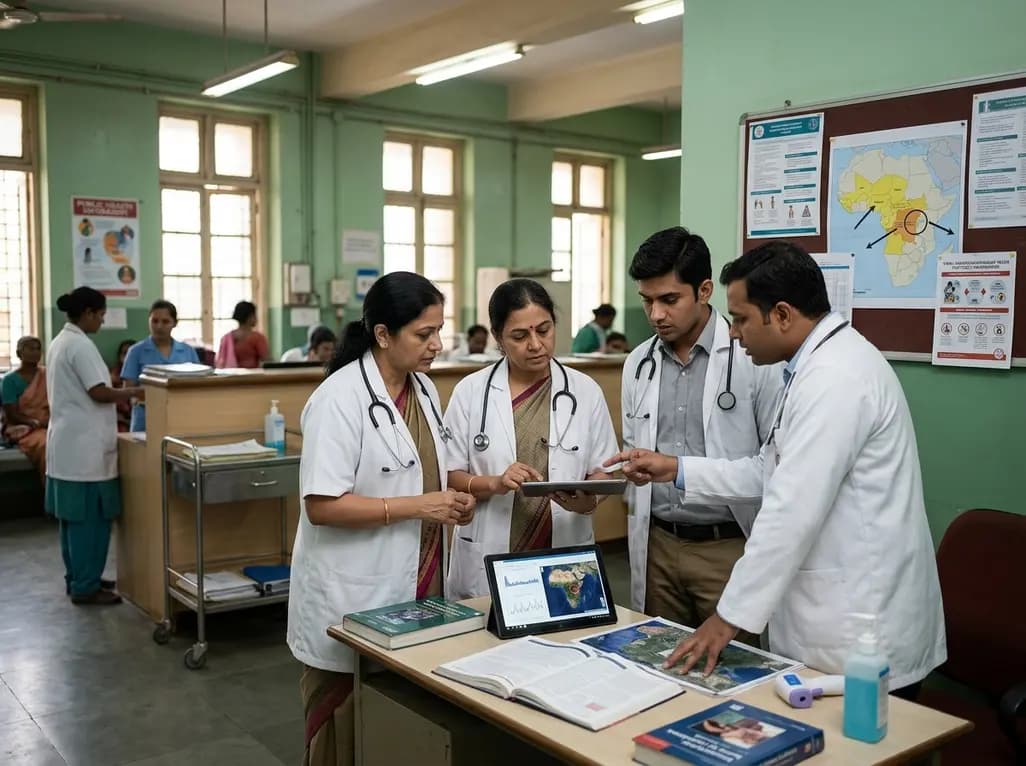
The World Health Organization warns that the rapid Bundibugyo Ebola virus outbreak in eastern Congo began months prior to official declaration. Misdiagnoses and a lack of specific vaccines exacerbate response efforts in the conflict-affected region, highlighting urgent global public health priorities.
Today
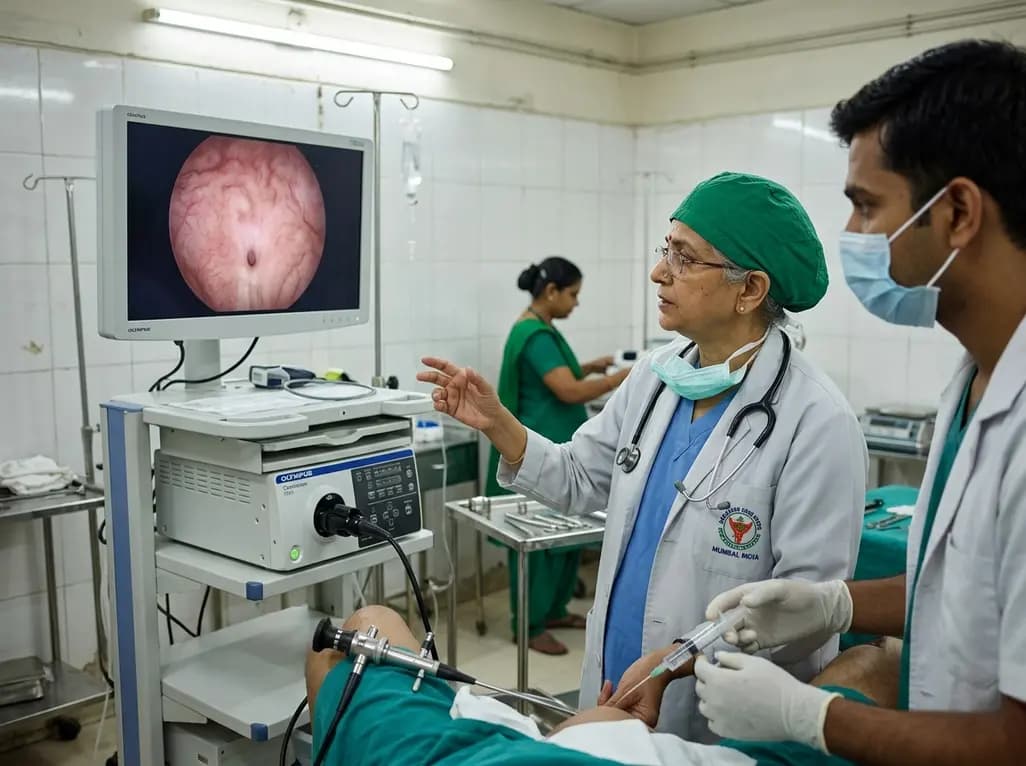
This pilot study compares cystoscopic versus periurethral Bulkamid injections for post-obstetric fistula repair incontinence (POFRI) in Madagascar. Results show both methods offer initial continence improvement, highlighting periurethral delivery as a practical option for resource-constrained clinical settings.
Today
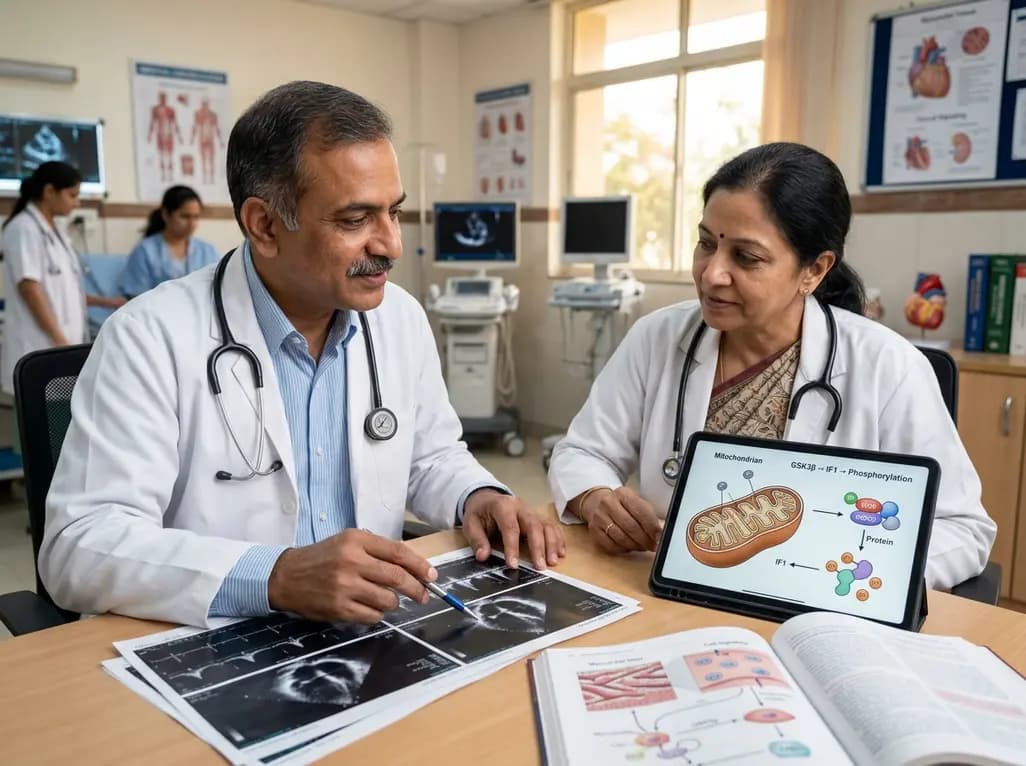
Discover how GSK3β-mediated phosphorylation of ATP synthase inhibitory factor 1 (IF1) at Ser27 accelerates proteasomal degradation during myocardial ischemia-reperfusion injury. Blocking this site offers a novel therapeutic approach to preserve mitochondrial function and reduce cardiac damage.
Today
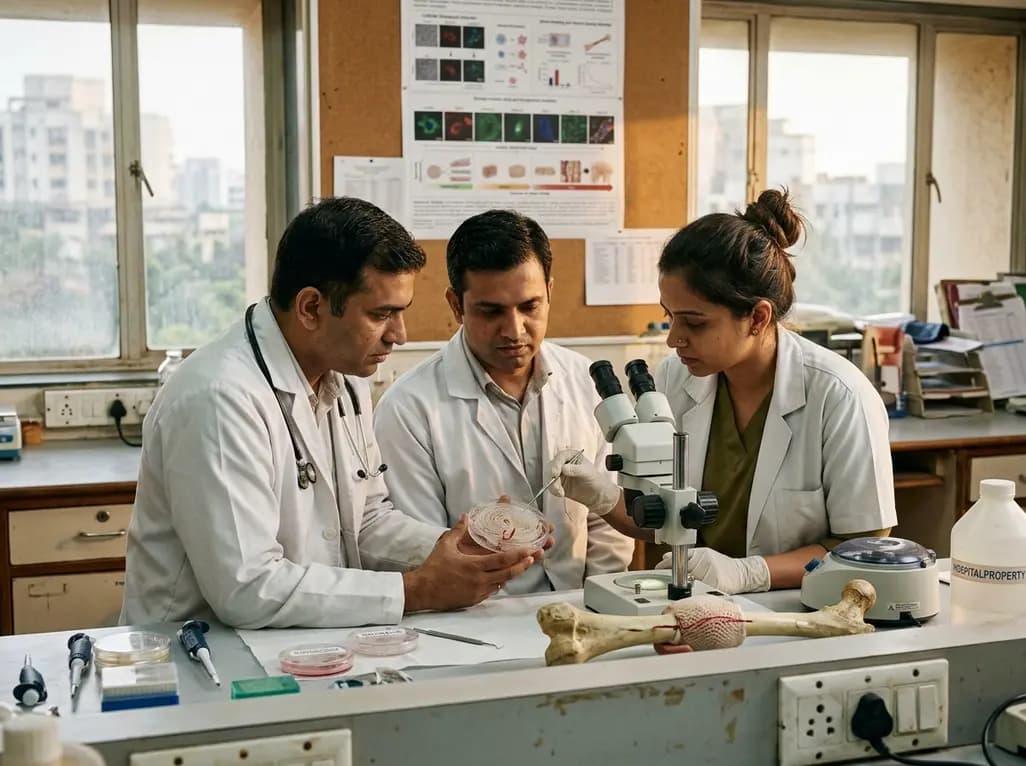
Researchers developed a Haversian-inspired composite scaffold that addresses delayed vascularization and wet-state mechanical deterioration in critical bone defect repair. By integrating spatially programmed calcium phosphate minerals and selective silica reinforcement, the design promotes vascularized bone repair.
Today
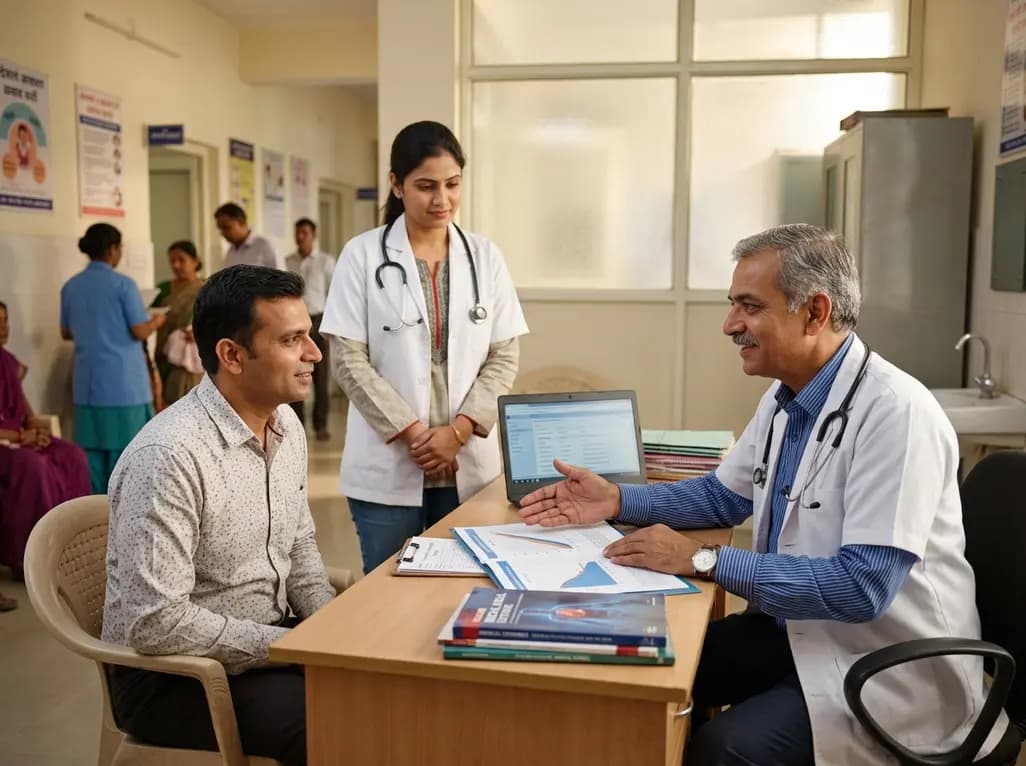
Early weight loss in adults with impaired glucose tolerance is linked to significant long-term reductions in all-cause mortality and cardiovascular risk, according to new findings from the Da Qing Diabetes Prevention Outcome Study.
Today
