.webp&w=384&q=75)

Loading, please wait...
Loading, please wait...
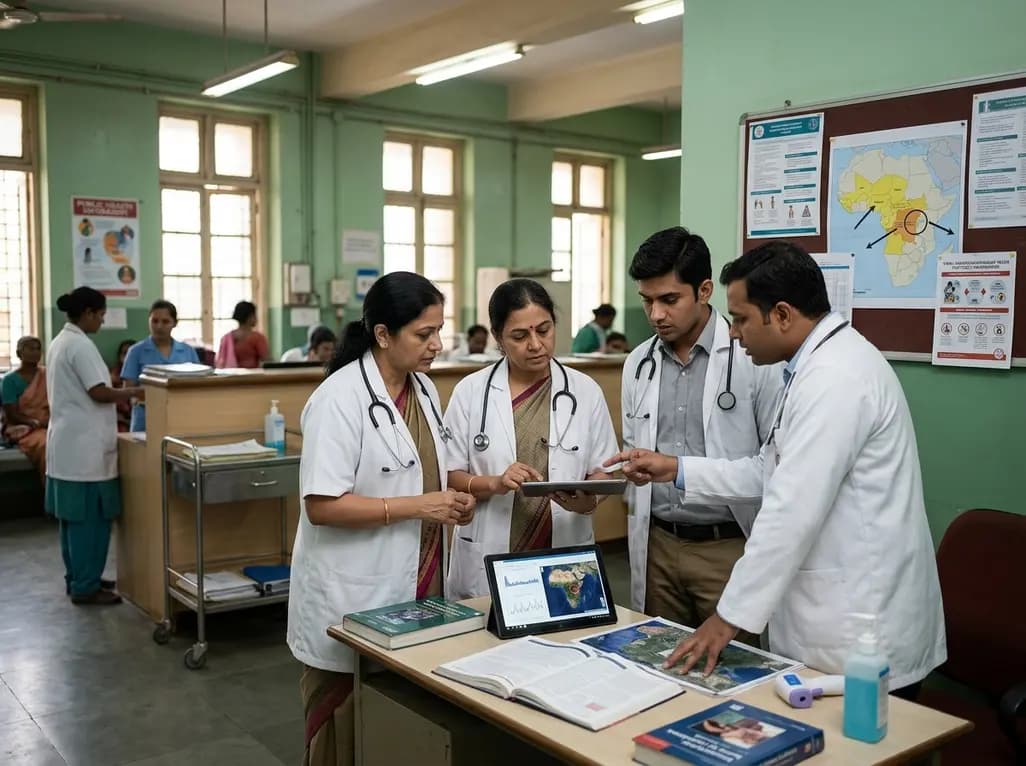
The World Health Organization (WHO) recently announced that the expanding Bundibugyo Ebola virus outbreak in eastern Democratic Republic of the Congo began months before its official declaration. Genomic sequencing revealed that transmission commenced in February 2026, well before public health alerts in May. Consequently, frontline responders are struggling to catch up with unmonitored transmission chains. Initial cases were wrongly attributed to prevalent endemic conditions like malaria and typhoid. Therefore, essential containment measures were delayed significantly during early viral amplification. Confirmed cases have now exceeded 4,200, with reported fatalities surpassing 1,900. Additionally, the outbreak is spreading rapidly across provinces and neighboring regions. Medical professionals must understand the factors behind this delayed recognition to strengthen early detection protocols.
Early recognition of viral hemorrhagic fevers remains a major clinical challenge in endemic regions. Initially, patients presented with non-specific constitutional symptoms including high fever, profound fatigue, myalgia, and gastrointestinal distress. Because these signs overlap with malaria and typhoid fever, clinicians relied on routine syndromic management. Furthermore, early laboratory evaluations lacked specific diagnostic assays for non-Zaire filovirus species. Standard rapid tests primarily targeted Zaire ebolavirus, causing false-negative routine screenings. As a result, infected individuals continued to seek care in general health centers without special precautions. Consequently, unscreened community transmission expanded rapidly across multiple health zones.
Proper differential diagnosis requires high clinical suspicion during early febrile illness. Physicians must evaluate travel history, local exposure, and unexplained cluster deaths. Moreover, rapid molecular testing via reverse transcription-polymerase chain reaction (RT-PCR) must be deployed promptly. Viral genomic sequencing under specialized laboratory leadership eventually identified the specific pathogen. This delay emphasizes the urgent need for multiplex diagnostic platforms in rural centers. Early isolation remains the most effective strategy to break ongoing transmission chains. Therefore, healthcare systems must integrate flexible testing algorithms for all emerging febrile pathogens.
The ongoing Bundibugyo Ebola virus outbreak represents only the third documented emergence of this distinct viral species. Originally identified in 2007, Bundibugyo ebolavirus belongs to the filovirus family alongside Zaire and Sudan species. Historical outbreaks demonstrated case fatality rates between 30% and 50%. Consequently, this strain presents significant clinical lethality, despite being slightly less fatal than Zaire ebolavirus. Transmission occurs predominantly through direct contact with infectious bodily fluids, including blood, vomit, stool, and semen. Furthermore, contact with contaminated bedding or surfaces poses severe exposure risks for caregivers.
Importantly, the virus is not transmitted through airborne droplets. Thus, global spread risk remains classified as low by public health agencies. However, secondary transmission within healthcare facilities occurs rapidly without adequate protective measures. Incubation periods range from 2 to 21 days, with individuals becoming contagious only after symptom onset. Additionally, overt hemorrhagic manifestations, such as mucosal bleeding, typically appear late in severe disease. Most patients suffer primarily from severe dehydration, electrolyte imbalances, and multi-organ failure. Understanding these distinct clinical features enables medical providers to identify suspect cases quickly and implement rigorous infection control measures.
A critical hurdle in managing this crisis is the complete absence of approved vaccines or targeted antiviral therapeutics. Existing licensed vaccines, such as Ervebo, specifically target the glycoprotein of Zaire ebolavirus. Consequently, these immunizations offer no cross-protection against Bundibugyo virus infection. Furthermore, approved monoclonal antibody treatments like Inmazeb and Ebanga are similarly ineffective against this species. Therefore, medical management relies entirely on aggressive, high-quality supportive care. Early administration of intravenous fluid resuscitation is paramount to correct profound hypovolemia.
Additionally, healthcare teams must carefully monitor serum electrolytes, renal function, and acid-base equilibrium. Treating concurrent infections, including malaria co-infections, significantly improves overall survival outcomes. Meanwhile, global research consortiums are accelerating candidate vaccines through clinical trial frameworks. Candidate platforms utilizing viral vectors are currently entering early phase human trials. However, deployment at scale will require several months of rigorous evaluation. Until specific medical countermeasures become available, standardized supportive protocols remain the cornerstone of clinical therapy. Consequently, rapid clinical triage and fluid management save the greatest number of patient lives.
Containing an outbreak becomes extraordinarily difficult in areas affected by complex humanitarian emergencies. Eastern Congo faces severe challenges, including ongoing armed conflict, civil instability, and widespread population displacement. Furthermore, health facilities suffer from chronic shortages of personal protective equipment (PPE) and clean water access. Unpaid health workers have conducted strikes, further straining an already fragile health system. Consequently, community trust has eroded, giving rise to fear and widespread misinformation regarding disease origin.
In response, public health teams are prioritizing robust risk communication and community engagement. Overcoming community resistance is essential for effective contact tracing and safe burial practices. Moreover, health centers must establish strict infection prevention and control (IPC) protocols. Staff require rigorous training in observed PPE donning and doffing techniques. Triage stations must isolate suspected patients immediately upon arrival before general admission. Additionally, cross-border health screenings at transit points help prevent geographical expansion into neighboring nations. Strengthening local healthcare infrastructure and protecting frontline medical personnel are indispensably linked to successfully halting viral transmission.
Although the localized threat in Central Africa is severe, the global risk remains low due to transmission mechanics. Direct contact with infectious fluids is required for spread, making rapid containment achievable with standard precautions. Nevertheless, imported cases in urban centers or international travel hubs remain a potential concern. Consequently, global public health bodies advocate for enhanced syndromic surveillance at border entry points. Hospitals worldwide should maintain updated protocols for evaluating febrile travelers returning from affected regions.
Clinicians must take detailed travel histories for patients presenting with unexplained fever and gastrointestinal symptoms. If an exposure risk is identified, immediate isolation in a single room with negative pressure is recommended. Furthermore, contact with body fluids must be strictly minimized while diagnostic testing is coordinated with public health laboratories. Rapid reporting to national disease surveillance networks ensures rapid contact tracing if a case is confirmed. Ultimately, this outbreak serves as a stark reminder of global vulnerability to emerging zoonotic filoviruses. Continued investment in global surveillance, broad-spectrum antivirals, and universal filovirus vaccines remains an urgent priority for international health security.
Q1: How does Bundibugyo ebolavirus differ from the Zaire strain?
Bundibugyo ebolavirus is a distinct species within the filovirus family. Historically, it exhibits a slightly lower case fatality rate (30% to 50%) compared to Zaire ebolavirus (up to 90%). Crucially, approved vaccines like Ervebo and monoclonal treatments such as Inmazeb target Zaire glycoprotein specifically and do not protect against Bundibugyo. Consequently, management relies entirely on supportive care while candidate vaccines undergo clinical evaluation.
Q2: Why was the declaration of this Ebola outbreak delayed for several months?
Initial cases were misdiagnosed because early symptoms closely resemble endemic diseases like malaria and typhoid fever. Furthermore, early diagnostic testing relied on routine assays specific to Zaire ebolavirus, yielding false negatives. Viral transmission began in February 2026, but genomic sequencing at central reference laboratories only confirmed Bundibugyo ebolavirus in May. Additionally, regional conflict, remote geography, and limited healthcare access hindered timely epidemiological surveillance and reporting.
Q3: What are the primary clinical management strategies for affected patients?
Because no specific antiviral treatments exist for Bundibugyo ebolavirus, optimized supportive care is the primary treatment intervention. Aggressive oral and intravenous rehydration is vital to combat severe diarrhea and vomiting. Additionally, clinicians must correct electrolyte imbalances, monitor organ function, and manage secondary bacterial infections or malaria co-infections. Early supportive care significantly reduces mortality, emphasizing the critical importance of prompt patient triage and immediate clinical admission.
Disclaimer: This content is for informational and educational purposes only. It does not constitute medical advice or replace professional judgment. Refer to the latest local and national guidelines for clinical practice.
References

Read summarized clinical updates, watch expert medical content, and earn CME certifications right from your smartphone.
Open your smartphone camera to scan and install.





The World Health Organization warns that the rapid Bundibugyo Ebola virus outbreak in eastern Congo began months prior to official declaration. Misdiagnoses and a lack of specific vaccines exacerbate response efforts in the conflict-affected region, highlighting urgent global public health priorities.
last month

A secondary analysis of an HIV cure-related trial in South Africa highlights the acceptability and safety of serial excisional lymph node and gut biopsies among young women. Clear communication, empathetic care, and altruistic motives helped mitigate initial apprehension and sustain longitudinal trial engagement.
Today
Explore the crucial link between dietary protein and immunocompetence. This review examines how low-protein nutrition shifts metabolic resources away from pathogen defense toward early reproduction, compromising host survival and immunity against severe bacterial infections.
Today
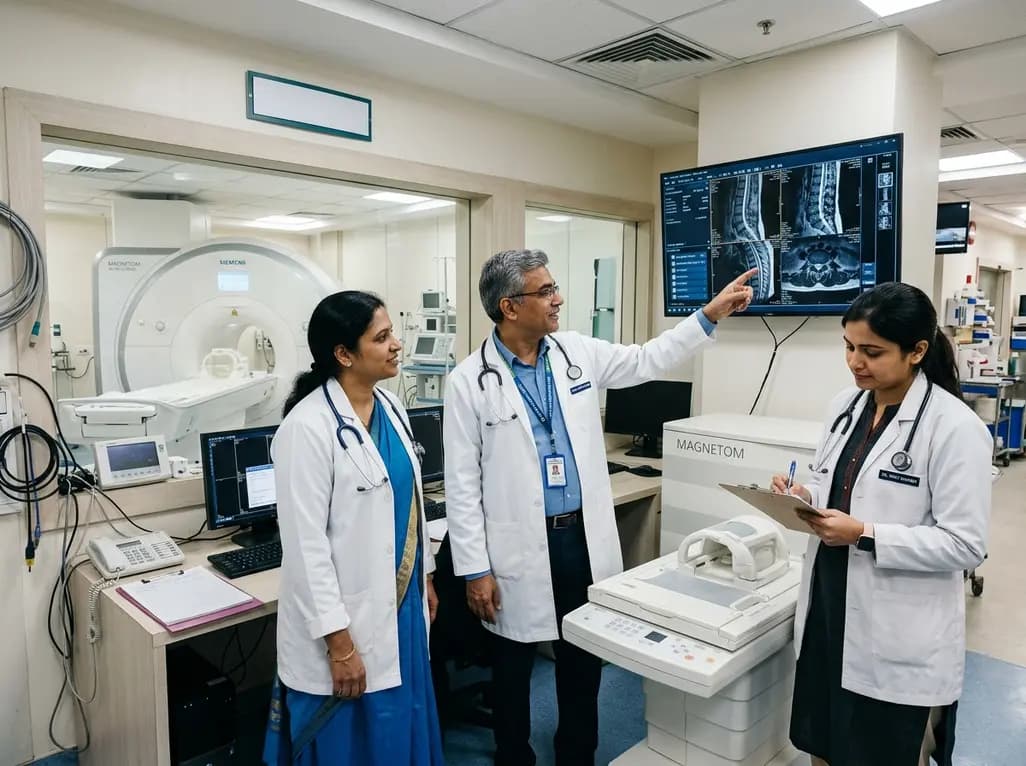
Under India's PLI initiative, domestic production of 57 critical medical devices has commenced, including MRI and CT scanners, cath labs, and heart valves. Global partnerships and local investments are expanding high-end technology, curbing import reliance, and strengthening clinical accessibility nationwide.
Today
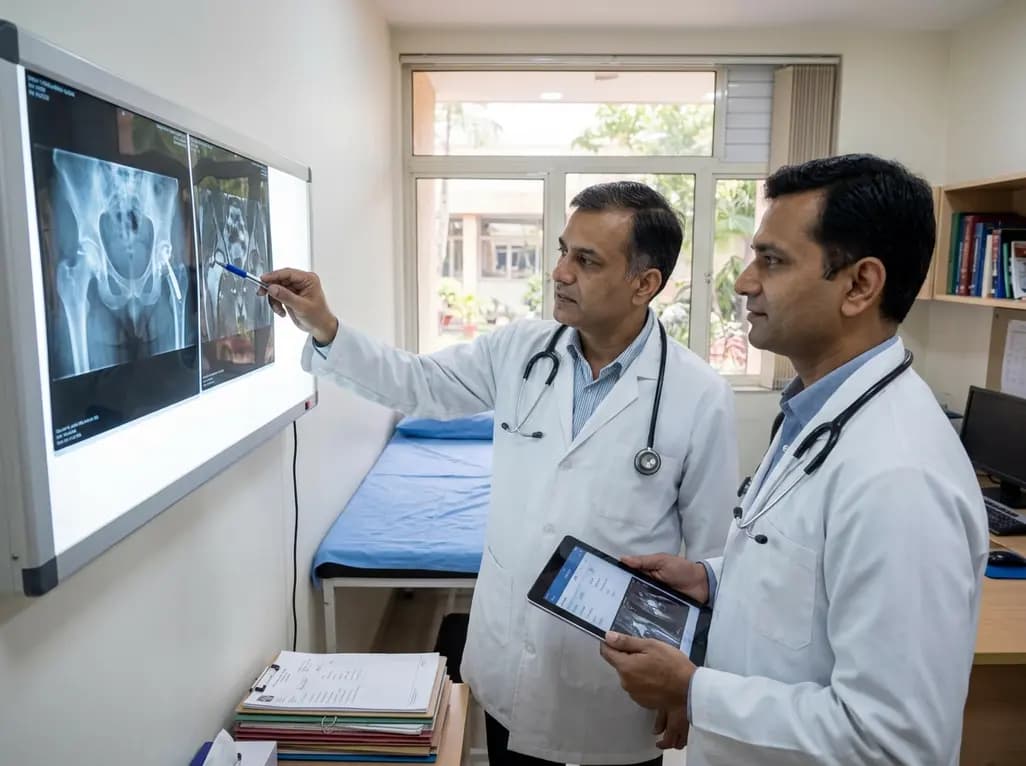
A longitudinal study reveals that patients undergoing staged bilateral hip arthroscopy experience progressive contralateral labral deterioration during surgical intervals. However, structural degradation does not compromise 2-year postoperative clinical outcomes or patient-reported satisfaction scores.
Today
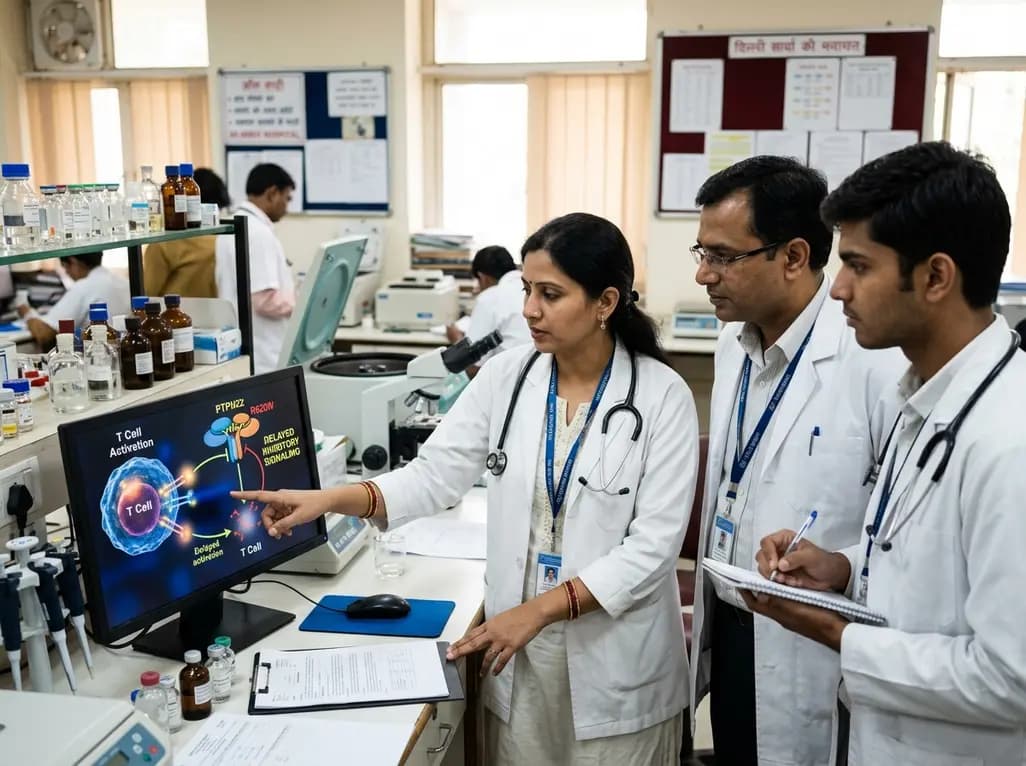
New immunological research reveals how PTPN22 forms a delayed inhibitory signaling complex to restrain T cell activation, explaining how the autoimmune-linked R620W variant disrupts feedback control and promotes persistent inflammation in conditions like rheumatoid arthritis and type 1 diabetes.
Today
