.webp&w=384&q=75)

Loading, please wait...
Loading, please wait...
Obstetric fistula repair represents a monumental surgical achievement for women affected by prolonged, obstructed labor. However, successful anatomical closure of the fistula defect does not always guarantee complete urinary continence. Many patients continue to experience significant urinary leakage due to severe urethral sphincter damage, tissue loss, and extensive periurethral scarring. This distressing condition, known as post-obstetric fistula repair incontinence, places an immense physical, psychological, and social burden on affected women. Traditional surgical procedures for persistent stress urinary incontinence often carry high failure rates or significant morbidity in scarred pelvic tissue. Consequently, clinicians have sought minimally invasive therapeutic options to restore sphincter competence without risking additional tissue injury.
Persistent leakage after successful closure of vesicovaginal or urethrovaginal fistulas predominantly stems from intrinsic sphincter deficiency. Tissue devascularization and fibrotic scarring during prolonged labor impair normal urethral coaptation. Therefore, standard treatments like midurethral synthetic slings or pubovaginal slings may pose significant risks of urethral erosion or re-fistulization. In recent years, urethral bulking agents have emerged as a promising alternative for low-pressure urethral segments. Polyacrylamide hydrogel, commercially known as Bulkamid, provides durable submucosal bulk without inducing excessive localized inflammatory responses. Furthermore, the hydrogel integrates cleanly into surrounding connective tissues, maintaining structural stability over extended periods. Because the material requires no surgical dissection, clinicians can administer it safely even in severely compromised anatomical beds. However, determining the most effective route of administration remains an essential clinical objective. Specifically, practitioners must decide whether cystoscopic guidance offers distinct clinical advantages over direct periurethral injection without cystoscopy. Evaluating these technical approaches helps clinicians tailor therapies to varying healthcare environments, especially in low-resource settings where specialized endoscopic equipment and trained personnel might be scarce.
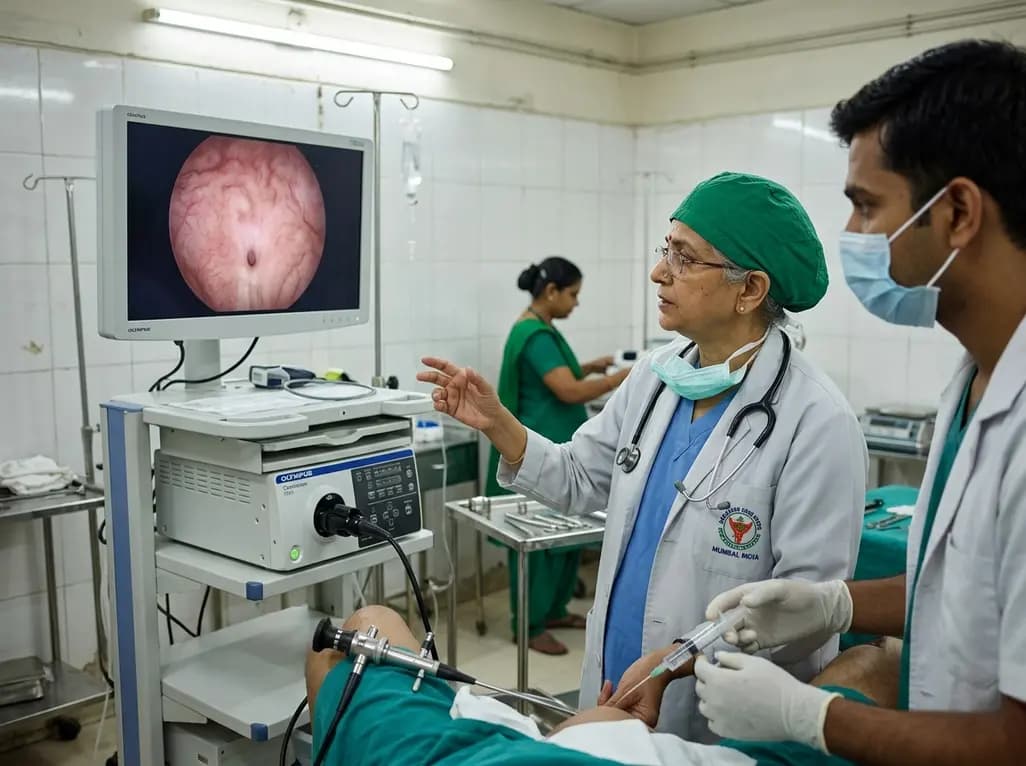
A recent prospective pilot study conducted at the Freedom from Fistula unit in Tamatave, Madagascar, evaluated the comparative utility of cystoscopic versus periurethral Bulkamid injections. Researchers divided patients into two distinct treatment cohorts based on the technique used for hydrogel delivery. Cohort 1 underwent traditional cystoscopic-guided injection, enabling direct visual visualization of the urethral lumen and precise submucosal coaptation. Cohort 2 received periurethral injections without cystoscopic visualization, relying instead on anatomical landmarks and tactile guidance. Both cohorts comprised women suffering from persistent stress urinary incontinence following successful fistula closure. Clinical evaluators recorded standardized subjective and objective parameters at baseline, hospital discharge, and three months postoperatively. Specifically, outcomes included pad weight tests, validated symptom scores, and the Patient Global Impression of Improvement scale. Furthermore, investigators sought to determine whether blind periurethral placement could achieve comparable clinical success while reducing equipment requirements. This technical comparison carries substantial clinical significance for global health initiatives. If non-endoscopic periurethral delivery demonstrates acceptable efficacy, remote fistula care centers could expand treatment access significantly. Consequently, women living in remote surgical outposts could receive effective continence therapy without needing high-cost endoscopic infrastructure.
The clinical trial revealed valuable insights regarding treatment response immediately after injection and at intermediate follow-up. At hospital discharge, 72.7% of women in the cystoscopic injection cohort achieved the primary outcome of significant clinical improvement. Similarly, 64.7% of patients in the non-cystoscopic periurethral cohort met primary success criteria at discharge. Across both treatment arms combined, initial discharge success reached 67.9%. However, evaluation at three months demonstrated a noticeable reduction in treatment response across both groups. Specifically, success rates dropped to 40% in the cystoscopic group and 60% in the periurethral group, yielding a combined three-month success rate of 53.3%. Despite this attrition in global subjective improvement, objective measures demonstrated lingering functional benefits. Both cohorts showed statistically significant reductions in mean Questionnaire for Urinary Incontinence Diagnosis scores at three months compared to baseline levels. Furthermore, pad weight testing reflected consistent decreases in objective urinary loss. These findings indicate that while single-dose bulkamid administration provides meaningful short-term relief, treatment durability remains a primary clinical hurdle. Therefore, repeating bulking sessions or optimizing injection volume may prove necessary to sustain long-term continence in severely damaged urethral beds.
Managing post-fistula incontinence requires practical strategies tailored to healthcare facilities in low- and middle-income nations. Cystoscopic guidance offers superior visual verification of urethral coaptation during hydrogel deposition. However, formal cystoscopy demands expensive rigid endoscopes, dedicated light sources, specialized sterilization protocols, and trained urological staff. Consequently, relying exclusively on cystoscopy restricts bulking therapy to major tertiary referral centers. In contrast, blind periurethral administration requires minimal specialized instrumentation, making it highly adaptable for rural surgical camps. The pilot study showed that periurethral delivery yielded therapeutic success comparable to, if not exceeding, cystoscopic administration at three months. Moreover, periurethral placement demonstrated lower operational costs and shorter procedure times. However, clinicians must maintain rigorous anatomical precision during blind placement to avoid accidental urethral perforation or intravasation. Proper training in identifying the urethrovesical junction through palpation remains paramount for safety. Additionally, pre-procedure screening must exclude active urinary infections, severe tissue necrosis, or large residual fistula defects. By establishing standardized periurethral protocols, care teams can safely expand bulking agent deployment across resource-constrained regions globally.
Urinary incontinence profoundly impacts emotional well-being, personal dignity, and community reintegration for fistula survivors. Consequently, evaluating patient-reported outcome measures represents a critical component of post-repair assessment. In the Madagascar trial, validated questionnaires such as the International Consultation on Incontinence Questionnaire-Urinary Incontinence Short Form provided crucial subjective insights. Women receiving Bulkamid reported significant reductions in daily leakage frequency and symptom severity. Furthermore, improvements in pad weight testing directly correlated with enhanced physical comfort and personal mobility. Patients reported greater confidence when engaging in social gatherings, domestic tasks, and market activities. Interestingly, many women expressed satisfaction with partial continence improvement, as even reduced leakage substantially lightened their daily hygiene burden. However, psychological support and realistic expectations remain essential components of comprehensive fistula care. Clinicians must counsel patients that bulking therapy serves as a reconstructive aid rather than an absolute cure for severe anatomical damage. Therefore, integrating bulkamid procedures with structured pelvic floor muscle rehabilitation may yield synergistic benefits, maximizing quality of life improvements for affected individuals.
The findings from this pilot study highlight both the therapeutic promise and current boundaries of urethral bulking for complex post-fistula incontinence. Polyacrylamide hydrogel demonstrates an excellent safety profile with minimal tissue reactivity, rendering it far safer than synthetic mesh slings in scarred tissue. Nevertheless, the decline in success rates from discharge to three months emphasizes the need for ongoing protocol refinement. Future research must evaluate whether top-up injections, higher initial hydrogel volumes, or combined surgical techniques enhance long-term durability. Moreover, larger multicenter randomized trials are required to definitively establish equivalency between cystoscopic and periurethral administration. Expanding training programs for regional surgeons will also play a critical role in scaling up access to minimally invasive continence care. Overall, Bulkamid represents a vital addition to the reconstructive armamentarium, offering renewed hope for women facing persistent post-fistula leakage.
Post-obstetric fistula repair incontinence refers to persistent urinary leakage occurring after successful surgical closure of a vesicovaginal or urethrovaginal fistula. Although the structural defect is sealed, severe urethral sphincter damage, devascularization, and extensive pelvic scarring often impair normal bladder closure. Consequently, patients suffer from persistent stress urinary incontinence, requiring secondary therapeutic interventions to restore urinary control and improve quality of life.
Bulkamid is a non-resorbable polyacrylamide hydrogel composed of water and polyacrylamide. When injected into the urethral submucosa, it adds tissue volume to the urethral wall. This volume expansion enhances urethral coaptation, enabling the sphincter mechanism to resist increased intra-abdominal pressure during coughing or physical exertion. The hydrogel provides durable structural support without causing significant tissue inflammation or foreign body rejection.
Clinical pilot data suggests that periurethral Bulkamid injection without cystoscopy achieves clinical success rates comparable to traditional cystoscopic-guided delivery. At three months post-procedure, periurethral injection demonstrated favorable continence outcomes, along with significant reductions in standardized symptom scores and pad weights. Periurethral delivery offers a practical, lower-cost alternative for healthcare settings that lack specialized endoscopic equipment and infrastructure.
Disclaimer: This content is for informational and educational purposes only. It does not constitute medical advice or substitute for professional clinical judgment. Refer to the latest local and national guidelines for clinical practice.
References

Read summarized clinical updates, watch expert medical content, and earn CME certifications right from your smartphone.
Open your smartphone camera to scan and install.





This pilot study compares cystoscopic versus periurethral Bulkamid injections for post-obstetric fistula repair incontinence (POFRI) in Madagascar. Results show both methods offer initial continence improvement, highlighting periurethral delivery as a practical option for resource-constrained clinical settings.
last month

Diaphragmatic dysfunction affects over a third of chronic stroke patients, worsening sleep, mood, and functional mobility. Ultrasound assessment and inspiratory training improve outcomes.
Today

The ClinGen Prenatal Gene Curation Expert Panel evaluated 63 disease relationships across 61 genes, establishing clinical validity for severe fetal phenotypes like hydrops and stillbirth to enhance prenatal genomic interpretation and clinical care.
Yesterday

Managing refractory hypoxemia after cardiothoracic surgery becomes perilous when prolonged air leak limits positive-pressure ventilation. This case-based review details how high-flow nasal cannula, paired with awake rehabilitation, enabled successful extubation and avoided invasive re-intubation.
Today

Idiopathic axillary web syndrome (IAWS) is a rare cause of shoulder pain and mobility restriction characterized by palpable axillary cording without prior surgery or trauma. Early diagnosis, nonsteroidal anti-inflammatory therapy, and physical rehabilitation lead to complete resolution of symptoms.
Today
SWEDEPAD-1 trial insights show paclitaxel-coated devices do not improve long-term limb salvage in patients with chronic limb-threatening ischemia and tissue loss. While one-year reinterventions decreased, the devices were linked to a higher risk of major amputation at three months.
Today
