.webp&w=384&q=75)

Loading, please wait...
Loading, please wait...
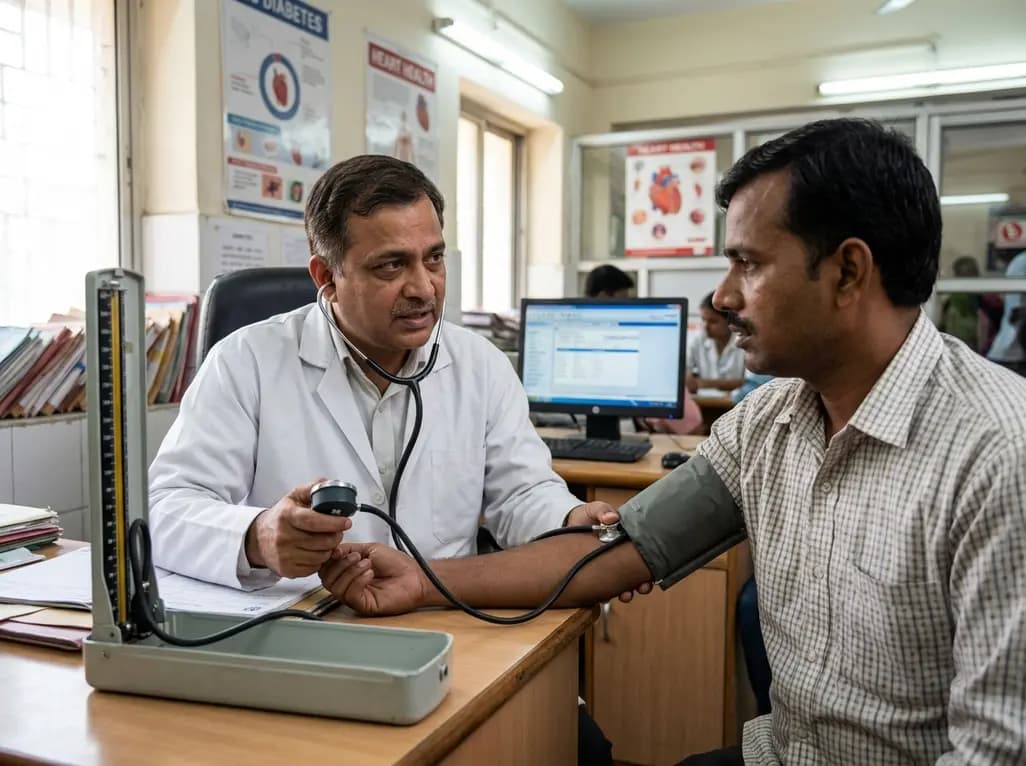
Managing hypertension in prediabetes is a critical clinical challenge that demands immediate attention from healthcare providers worldwide. The intersection of glucose dysregulation and elevated blood pressure creates a synergistic risk profile for cardiovascular diseases that often goes unrecognized until significant damage has occurred. Recent epidemiological data from the National Health and Nutrition Examination Survey (NHANES), covering the period from 1999 to 2016, highlights a concerning prevalence of untreated, uncontrolled, and resistant hypertension among adults with prediabetes. Prediabetes, defined by fasting plasma glucose levels of 5.6-7.0 mmol/L or a hemoglobin A1c of 5.7%-6.4%, often precedes the formal onset of type 2 diabetes. However, it is far from being a benign physiological state; rather, it is a period of heightened vascular vulnerability. When hypertension co-exists with this metabolic impairment, the risk of all-cause and cardiovascular disease (CVD) mortality increases in a stepwise fashion. This relationship necessitates a proactive and aggressive approach to blood pressure management even before the transition to overt diabetes occurs. Clinical evidence suggests that many individuals in this pre-diagnostic phase remain entirely unaware of their hypertensive status, leading to missed opportunities for early intervention and risk mitigation. Understanding the specific prevalence and prognostic significance of these conditions is essential for primary care physicians, cardiologists, and endocrinologists to improve long-term survival.
According to the extensive NHANES analysis, the age- and sex-standardized prevalence of hypertension among American adults with prediabetes is approximately 43%. This percentage represents a staggering estimated population of 53.3 million individuals, underscoring the massive burden of these co-morbidities within the general adult population. Despite the high prevalence, the rates of successful treatment and physiological control are less than optimal. Among those diagnosed with hypertension in this group, only 62% were receiving any form of antihypertensive medication. This significant treatment gap suggests that millions of people with prediabetes are exposed to the damaging effects of uncontrolled blood pressure every day, which can accelerate macrovascular and microvascular complications. Furthermore, even among those receiving treatment, the results were not uniformly positive. Only about 66% of treated individuals achieved adequate blood pressure control. The remaining treated population was categorized into uncontrolled hypertension (26.5%) and resistant hypertension (7.5%). These findings point toward a critical clinical need for improved screening protocols and more aggressive therapeutic strategies. In the context of prediabetes, where some degree of metabolic dysfunction is already present, the failure to control blood pressure significantly compounds the risk of adverse clinical outcomes. Healthcare systems, particularly in regions with high metabolic risk like India, must prioritize the integration of metabolic and cardiovascular screening to capture this burden.
The most striking finding of the latest clinical research is the progressive and significant increase in mortality risk across the different categories of hypertension. Compared to non-hypertensive individuals, those classified with untreated, controlled, uncontrolled, and resistant hypertension showed a clear and statistically significant upward trend in hazard ratios (HRs) for cardiovascular mortality. Specifically, the risk for CVD-related death was significantly higher in individuals with uncontrolled and resistant hypertension, with hazard ratios recorded at 2.03 and 1.83, respectively. This data underscores a vital clinical message: merely being on a treatment regimen is not sufficient to protect the patient; achieving actual physiological control is the primary driver of improved survival. Even untreated hypertension showed a trend toward increased risk, although the association was strongest and most statistically significant among those with the most severe or difficult-to-manage phenotypes. The metabolic environment of prediabetes likely exacerbates the detrimental effects of high blood pressure on the arterial wall, promoting rapid atherosclerosis and adverse cardiac remodeling. This synergistic effect between hyperglycemia and hypertension increases the likelihood of heart failure, stroke, and sudden cardiac death. Clinicians must recognize that prediabetes is not just a waiting room for diabetes but an active risk state where the presence of hypertension significantly alters the patient's long-term prognosis and total lifespan.
Resistant hypertension, which is defined as blood pressure that remains stubbornly above target despite the concurrent use of three or more antihypertensive medications of different classes, represents a particularly high-risk subgroup of patients. In the prediabetic population analyzed in this study, resistant hypertension was found in 7.5% of those receiving treatment. This phenotype is frequently associated with more severe and irreversible end-organ damage, including chronic kidney disease, retinal damage, and left ventricular hypertrophy. The prognostic data indicates that these patients face a nearly twofold increase in cardiovascular mortality compared to those with normal blood pressure levels. Managing resistant hypertension in the setting of prediabetes is notoriously complex, as underlying factors like insulin resistance, visceral obesity, and sympathetic nervous system overactivity often drive both conditions simultaneously. Treatment usually requires a combination of high-dose medications and, in many cases, the addition of mineralocorticoid receptor antagonists or other fourth-line specialized therapies. Furthermore, lifestyle interventions such as strict sodium restriction, weight management, and sleep apnea treatment are crucial but often difficult for patients to sustain long-term. The presence of resistant hypertension in a prediabetic patient should serve as a major red flag for clinicians, signaling a very high probability of future cardiovascular complications and premature mortality if not addressed with specialist care.
The cumulative evidence clearly advocates for a much more aggressive and comprehensive approach to managing hypertension in patients with prediabetes. Clinicians should adopt a very low threshold for initiating treatment when blood pressure exceeds 140/90 mmHg, and many contemporary guidelines now suggest even tighter targets of less than 130/80 mmHg for those with metabolic risk factors. In India, where the prevalence of the "thin-fat" phenotype makes individuals even more susceptible to metabolic damage, organizations like the Indian Society of Hypertension (InSH) and the Research Society for the Study of Diabetes in India (RSSDI) emphasize the importance of early detection. The use of combination therapies, particularly those involving ACE inhibitors or Angiotensin II receptor blockers (ARBs), is often preferred as first-line therapy due to their well-documented renoprotective effects and metabolic neutrality. For patients who do not reach targets, adding calcium channel blockers or thiazide-like diuretics is typically the next logical step. Beyond medication, addressing the underlying metabolic syndrome through lifestyle modification is essential. This includes promoting the DASH diet, increasing physical activity to at least 150 minutes per week, and ensuring absolute smoking cessation. The ultimate goal is to move patients from the uncontrolled or resistant categories into the controlled stage, as this transition is associated with a measurable and life-saving reduction in mortality risk for millions of adults.
Hypertension in individuals with prediabetes is often more clinically aggressive because the underlying insulin resistance and chronic low-grade inflammation associated with glucose dysregulation accelerate vascular damage. While blood pressure elevation in a metabolically healthy adult is a significant risk factor, its coexistence with prediabetes creates a synergistic effect that markedly increases the probability of severe cardiovascular events. Consequently, these patients require more frequent clinical monitoring and often more intensive, multi-drug therapeutic strategies to prevent the rapid progression of arterial stiffness and end-organ damage. Failure to address this early can lead to a much faster transition to overt diabetes and cardiovascular disease than in those with normal glucose levels.
The prevalence of resistant hypertension in prediabetic individuals is primarily driven by complex metabolic factors, including visceral obesity, hyperinsulinemia, and the overactivation of the renin-angiotensin-aldosterone system. These biological factors lead to increased sodium retention by the kidneys and heightened sympathetic nervous system tone, making the blood pressure significantly harder to control with standard medication regimens. Furthermore, the structural changes in the microvasculature that often begin during the prediabetic phase can limit the effectiveness of common antihypertensive medications. This necessitates the use of advanced multi-drug combinations, including mineralocorticoid receptor antagonists, and a focus on treating the underlying metabolic syndrome to achieve targets and reduce risk.
Current international and Indian clinical guidelines, such as those from the RSSDI, generally recommend a target blood pressure of less than 130/80 mmHg for individuals with prediabetes or diabetes. This is especially critical if other cardiovascular risk factors or early signs of end-organ damage, such as microalbuminuria, are present. Achieving these lower targets has been shown in various trials to provide superior protection against stroke, myocardial infarction, and progressive kidney disease. Clinicians usually achieve this through a combination of lifestyle modifications, such as the DASH diet and regular aerobic exercise, alongside personalized pharmacological therapy that typically begins with ACE inhibitors or ARBs to protect the cardiovascular system and maintain renal function.
Disclaimer: This content is for informational and educational purposes only... Refer to the latest local and national guidelines for clinical practice.
References
Lin Y et al. Prevalence and Prognostic Significance of Untreated, Uncontrolled and Resistant Hypertension among American Adults with Prediabetes. Blood Press. 2026 Jul 04. doi: 10.1080/08037051.2026.2698913. PMID: 42401999.
Anjana RM, et al. Prevalence of diabetes and prediabetes in India: Phase I results of the ICMR-INDIAB study. Diabetologia. 2011;54(12):3022-7.
Gupta R, et al. Indian Society of Hypertension (InSH) Consensus Guideline for the Management of Hypertension, 2025. Hypertension Journal. 2025;11(4):76-138.
"
Read summarized clinical updates, watch expert medical content, and earn CME certifications right from your smartphone.
Open your smartphone camera to scan and install.





New study reveals that 43% of adults with prediabetes suffer from hypertension. The research highlights a critical link between uncontrolled blood pressure and significantly higher risks of cardiovascular and all-cause mortality, emphasizing the need for early clinical intervention and better treatment control.
3 months ago

Following Nigeria's first recorded Ebola case linked to regional travel, the Africa CDC has convened an emergency ministerial summit. This alert underscores critical clinical priorities for healthcare professionals, including differentiating early viral infection from malaria, implementing barrier nursing, and triage.
Today

Leucine Rich Bio has introduced South Asia's first comprehensive vaginal microbiome test, BugSpeaks. By profiling microbial dysbiosis, pathogens, and antimicrobial resistance, this next-generation diagnostic platform provides clinicians with deeper insights into recurrent infections, fertility, and reproductive health.
Today

Review how tailored exercise programs benefit frail older patients with heart failure. Explore pathophysiological mechanisms, individualized training prescriptions, and strategies to overcome adherence barriers in clinical practice.
Today

This comparative study evaluates posterior labral tears with and without glenohumeral instability, highlighting distinct demographic patterns, MRI underestimation in stable shoulders, and successful arthroscopic repair outcomes.
Today

A clinical study demonstrates that early intervention with tocilizumab, either as monotherapy or bridged with corticosteroids, achieves significant proptosis reduction and resolves active inflammation in treatment-naive thyroid eye disease.
Today
