

Loading, please wait...
Loading, please wait...
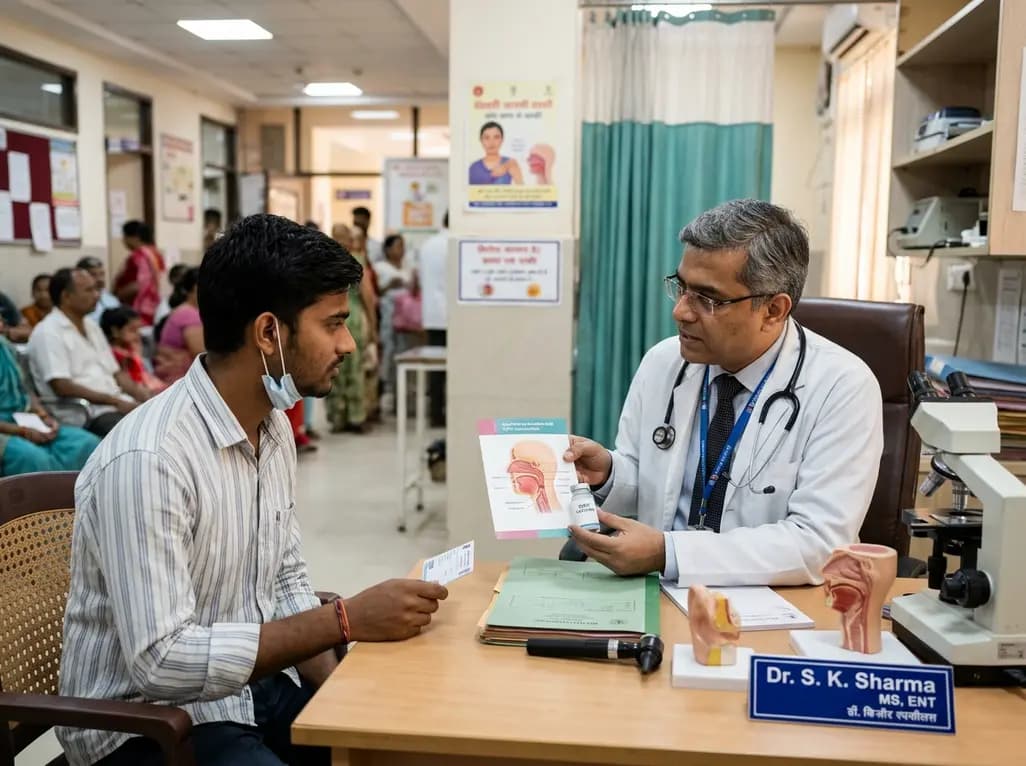
The landscape of head and neck oncology is changing rapidly across the globe. Today, oncogenic human papillomavirus drives a significant proportion of oropharyngeal malignancies. In this context, offering HPV vaccination in otolaryngology clinics presents an innovative opportunity to expand primary prevention. Otolaryngologists frequently evaluate mucosal lesions, throat discomfort, and persistent cervical lymphadenopathy. Consequently, these specialists occupy an ideal clinical position to counsel patients on oncogenic viral risks. However, traditional health models often relegate vaccine delivery exclusively to primary care physicians or pediatricians. As a result, eligible adolescents and adults miss vital windows for protective immunisation. Evaluating how specialist clinics can actively address this gap remains essential for clinical practice.
A recent cross-sectional study evaluated adult outpatients visiting a county hospital otolaryngology clinic between September 2023 and July 2026. The investigators surveyed 201 individuals to assess baseline viral awareness, understanding of oncologic risks, and receptiveness toward immunisation. Crucially, the patient demographic comprised predominantly Spanish-speaking Hispanic females who were unvaccinated against the virus. Overall, the findings highlighted an alarming health literacy deficit regarding mucosal viral transmission and related malignancies within this vulnerable clinical cohort.
Specifically, only 52.2 percent of participants had previously heard of human papillomavirus. Even more concerning, merely 25.1 percent recognized that the infection can directly cause oropharyngeal cancer. In addition, nearly three-fifths of the cohort had never encountered information regarding the preventive vaccine. Therefore, profound communication barriers and educational disparities persist within historically underserved public hospital environments. Furthermore, patients often associate viral infection exclusively with female reproductive health. Consequently, they remain entirely unaware of potential head and neck neoplastic risks. Otolaryngologists must proactively demystify these associations during routine clinical evaluations. Clear communication directly establishes a foundation for proactive cancer prevention across vulnerable patient populations who otherwise lack access to comprehensive preventive guidance.
The clinical investigation uncovered substantial disparities in viral literacy when comparing male and female participants. Specifically, female respondents demonstrated statistically significantly higher awareness of human papillomavirus compared to males. Furthermore, women exhibited a greater comprehension of the link between viral infection and both cervical and oropharyngeal carcinomas. They also expressed higher baseline confidence in the clinical efficacy and safety of immunisation, reflecting greater historical engagement with reproductive preventative healthcare.
In contrast, male patients exhibited pronounced knowledge deficits across all measured educational domains. This finding carries significant clinical implications because men bear a disproportionate burden of human papillomavirus-associated oropharyngeal squamous cell carcinomas. When men lack foundational knowledge about oncogenic viral transmission, they rarely seek preventive immunisations or prompt evaluations for persistent throat symptoms. However, despite these knowledge disparities, the study revealed an encouraging clinical outcome. Male and female patients demonstrated equivalent willingness to receive the vaccine when offered by clinical staff. Therefore, the observed gap in vaccination rates does not stem from male vaccine refusal. Instead, it reflects an absence of targeted health education and proactive clinician recommendations. Structured discussions during outpatient appointments can effectively dismantle these gender-based educational disparities and drive meaningful engagement.
Specialist practices regularly evaluate patients who face systemic barriers within fragmented healthcare systems. In this county hospital study, approximately 33 percent of unvaccinated patients expressed immediate openness to receiving the vaccine if offered on-site. This receptive attitude indicates that patients place immense trust in specialist medical recommendations. Consequently, integrating HPV vaccination in otolaryngology workflows creates a dependable avenue for public health intervention.
Historically, otolaryngology practices have viewed immunisation as outside their core surgical scope. Nevertheless, head and neck surgeons manage the devastating physical and functional consequences of late-stage oropharyngeal malignancies daily. By establishing point-of-care vaccination protocols, outpatient clinics can bypass common referral bottlenecks and missed primary care appointments. For example, clinical staff can easily incorporate brief educational pamphlets and electronic screening prompts into routine registration procedures. Furthermore, nursing teams can administer the vaccine during the same appointment following the diagnostic endoscopic examination. Therefore, opportunistic immunisation transforms an ordinary specialist visit into a comprehensive cancer prevention encounter. Such targeted structural interventions maximize health equity among underserved patient demographics while establishing sustainable clinical care pathways.
Despite high patient receptiveness, several practical and perceptual barriers impede widespread immunisation in secondary care settings. First, many adult patients mistakenly believe that immunisation benefits only pediatric or adolescent age groups. Clinicians must actively correct this misconception by explaining expanded national guidelines that approve vaccination for adults up to age 45. In addition, patients frequently harbor unfounded anxieties regarding adverse side effects, long-term vaccine safety, and out-of-pocket expenses.
Second, operational challenges inside busy surgical clinics can hinder routine vaccine administration. These obstacles include cold-chain storage management, regulatory inventory compliance, and complex insurance reimbursement workflows. To overcome these logistical hurdles, hospital departments must establish collaborative care models with institutional outpatient pharmacies. Moreover, adopting standardized clinical decision support tools within electronic health records alerts clinicians to an eligible patient's vaccination status during consultation. When physicians provide strong, unequivocal recommendations, patient vaccine hesitancy diminishes significantly. Accordingly, otolaryngology departments can establish highly efficient protocols that normalize preventive counseling alongside routine diagnostic care, ensuring that preventive opportunities are not squandered.
The observations from this county hospital study hold profound relevance for healthcare systems in India. In India, head and neck squamous cell carcinomas constitute one of the most prevalent malignant burdens. Tobacco chewing and betel quid usage have historically predominated as primary etiologic factors. However, epidemiologists observe a steadily rising proportion of human papillomavirus-associated oropharyngeal tumors among younger, non-smoking urban populations across diverse socioeconomic tiers.
Unfortunately, public awareness regarding viral oncogenesis and vaccine availability remains remarkably low across Indian urban and rural clinics. Most patients exclusively associate the vaccine with cervical cancer prevention among young girls. Consequently, boys and adult men rarely receive counseling on the benefits of immunisation. Furthermore, Indian primary healthcare settings frequently face severe resource constraints and high patient volumes. Otolaryngologists, head and neck oncologists, and general practitioners must therefore unite to champion opportunistic educational counseling. By discussing viral oncogenesis during regular outpatient laryngoscopy or dental checkups, Indian specialists can actively demystify viral prevention. In addition, encouraging both adolescent and catch-up adult immunisation will alleviate the future clinical and economic burden of head and neck malignancies across the country.
Otolaryngologists frequently diagnose and manage head and neck cancers, including HPV-driven oropharyngeal squamous cell carcinomas. Many high-risk patients do not regularly visit primary care physicians but frequently present to ENT clinics for throat complaints. Therefore, otolaryngologists have a unique opportunity to provide authoritative cancer prevention education. Offering opportunistic counseling and point-of-care immunisation bridges critical public health gaps, ensuring eligible individuals receive protection against preventable oncogenic viral infections before malignancy develops.
Catch-up immunisation primarily targets adolescents and young adults through age 26 who missed routine childhood vaccination schedules. Additionally, international and national clinical guidelines support shared clinical decision-making for select adults aged 27 through 45 years. Unvaccinated individuals with new sexual partners or those seeking proactive protection against high-risk oncogenic strains derive substantial preventative benefit. Clinicians should evaluate prior exposure risks and discuss how immunisation prevents ongoing mucosal viral transmission and future epithelial cellular changes.
The recombinant HPV vaccine stimulates the production of high-titer neutralising antibodies against high-risk viral genotypes, particularly types 16 and 18. These specific oncogenic strains cause approximately 70 percent of viral-mediated oropharyngeal malignancies. By preventing initial viral entry and persistent cellular infection in the lymphoid tissue of the tonsils and tongue base, the vaccine halts oncogene activation. Consequently, widespread immunisation effectively blocks cellular malignant transformation, drastically reducing lifetime throat cancer risk.
Disclaimer: This content is for informational and educational purposes only... Refer to the latest local and national guidelines for clinical practice.
References

Read summarized clinical updates, watch expert medical content, and earn CME certifications right from your smartphone.
Open your smartphone camera to scan and install.





A recent clinical study demonstrates that otolaryngology patients often lack awareness regarding HPV and oropharyngeal cancer. However, high vaccine receptiveness indicates that specialist-led counseling and point-of-care vaccination offer a valuable public health opportunity.
Today

A large network analysis of middle-aged and older adults reveals distinct sex-specific dependency pathways between lifestyle factors and cardiometabolic diseases. Physical activity, smoking, and alcohol exhibit divergent bridging roles in men and women, underscoring the need for tailored clinical prevention.
Today

A meta-analysis of 9 randomized controlled trials evaluated health-related quality of life when adding PD-1/PD-L1 inhibitors to standard therapy for endometrial and cervical cancer. Adding immunotherapy did not detectably change global quality of life or worsen functional and symptom domains.
Today
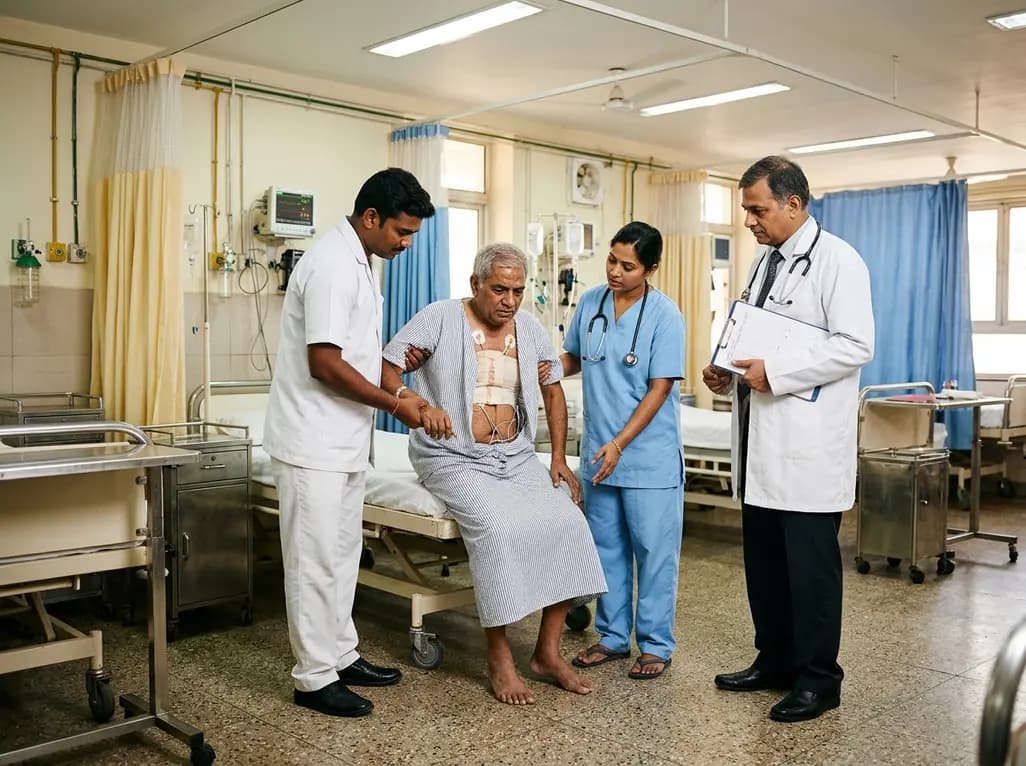
A cross-sectional study evaluates the critical intersection between acute surgical pain, kinesiophobia, and fall risks during initial mobilization after cardiac surgery, emphasizing targeted nursing strategies.
Today
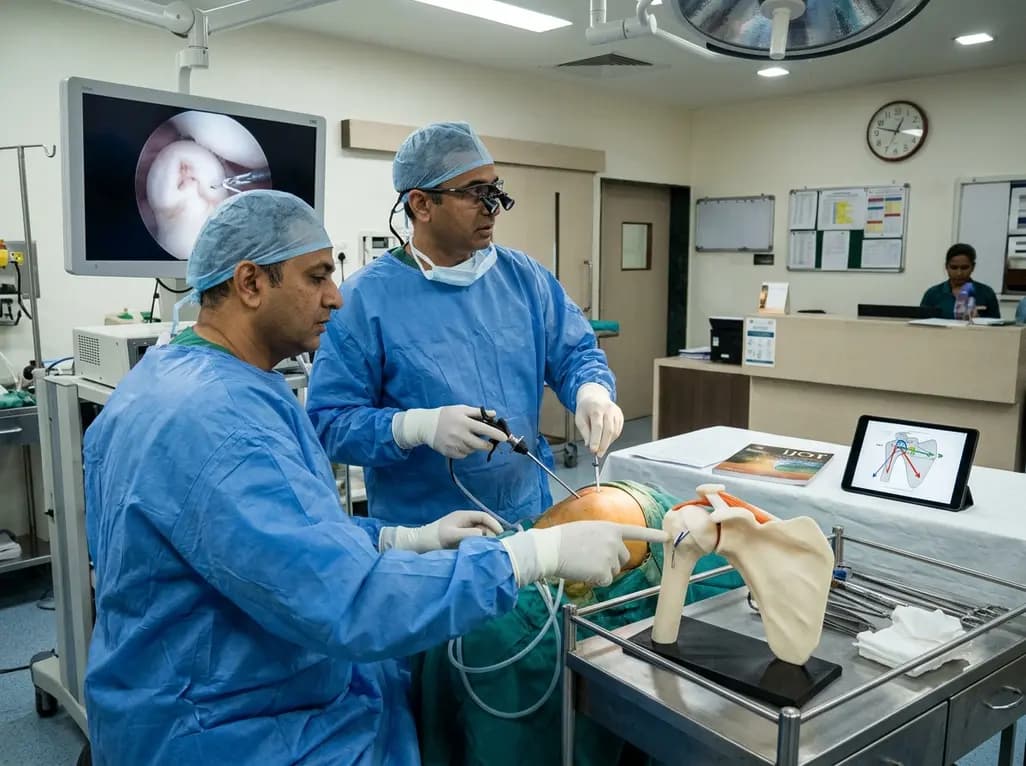
Biomechanical evidence indicates that medial anchor placement in remplissage enhances anterior shoulder stability for engaging Hill-Sachs lesions. Orthopedic surgeons must tailor anchor position to balance stability in collision athletes against the external rotation required by overhead throwers.
Today
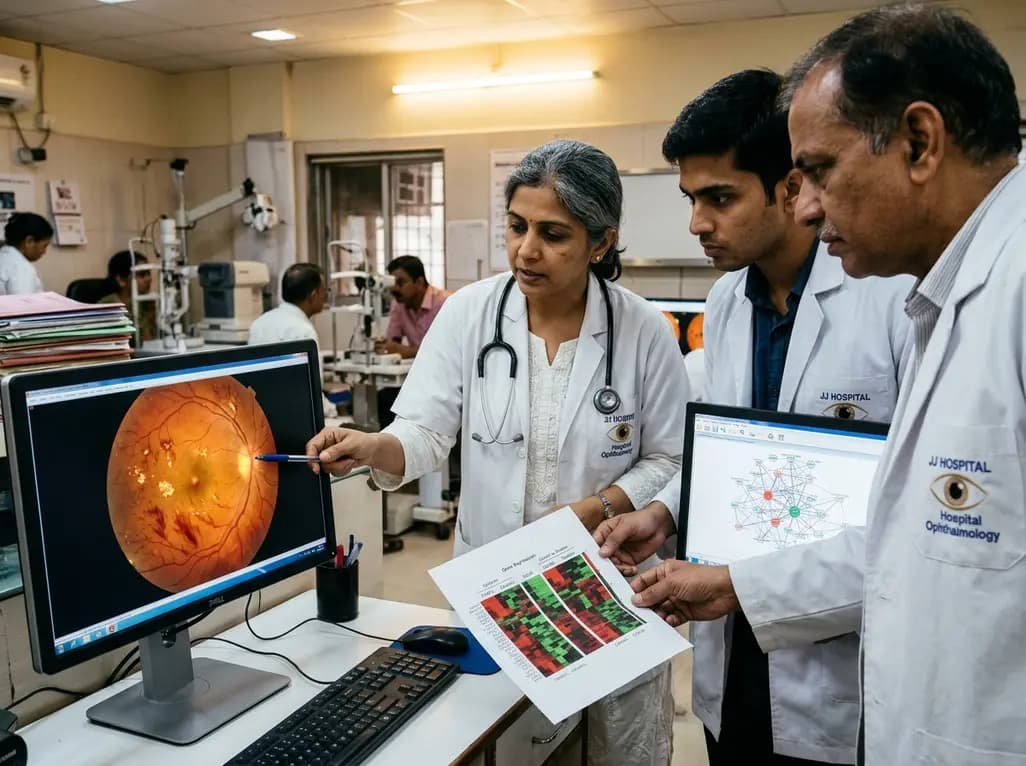
Single-cell transcriptomics reveals that STAP2 promotes retinal endothelial dysfunction in diabetic retinopathy through CXCR4 signaling. In vivo and in vitro studies show STAP2 knockdown reduces capillary drop-out and vascular leakage, uncovering a novel therapeutic target beyond anti-VEGF therapies.
Today
