

Loading, please wait...
Loading, please wait...

During open-heart surgery recovery, patients frequently encounter severe physical and emotional challenges that disrupt early rehabilitation. Median sternotomy and cardiopulmonary bypass induce marked tissue disruption, producing intense acute discomfort. Consequently, patients often experience acute anxiety when clinical teams initiate early mobility protocols. Clinicians must recognize that somatic pain does not operate in isolation after major thoracic surgery. Instead, profound movement fears and fall-related anxiety actively exacerbate perceived pain levels. Therefore, modern cardiovascular surgical wards require comprehensive clinical assessment protocols that target physical and psychological vulnerabilities simultaneously. When bedside clinicians evaluate these interrelated factors systematically, they can guide ambulation safely and effectively. Furthermore, prompt mobilization prevents dangerous post-surgical sequelae, such as pulmonary atelectasis, deep vein thrombosis, and persistent muscular weakness. In addition, lingering immobility increases intensive care unit length of stay and hospital readmission rates. Healthcare professionals must understand how surgical trauma shapes patient confidence during the initial postoperative hours. Ultimately, addressing patient fears proactively ensures a faster, safer return to baseline functional independence.
Early mobilization serves as a cornerstone of evidence-based cardiovascular surgical nursing and accelerated recovery pathways. However, acute post-sternotomy pain frequently acts as a formidable deterrent against physical activity. When patients attempt bed transfers or initial ambulation, mechanical strain on the healing sternum triggers sharp nociceptive responses. As a result, many surgical patients develop rapid kinesiophobia, anticipating catastrophic pain or structural wound compromise. This psychological apprehension often triggers protective muscle splinting, which ironically worsens chest stiffness and respiratory excursion. Furthermore, prolonged recumbency impairs hemodynamic compensatory mechanisms, predisposing individuals to sudden orthostatic drops upon standing. In addition, delayed physical activity significantly increases the incidence of nosocomial respiratory infections and functional debility. Consequently, clinical teams cannot resolve mobility barriers through analgesia alone. Nurses must combine multimodal pharmacological pain control with targeted emotional reassurance at the bedside. By validating patient concerns and providing structured physical assistance, clinicians dissolve movement apprehension effectively. Thus, patients gain the physiological resilience and mental readiness required for safe, unhindered postoperative mobilization.
Cardiopulmonary bypass surgery alters hemodynamic autoregulation and sensory integration, placing recovering patients at an elevated fall risk. Recent clinical studies show that advanced age significantly compounds this vulnerability in surgical wards. Specifically, patients aged sixty-eight years and older exhibit significantly higher fall risk scores than younger individuals. Moreover, coexisting systemic disorders, such as diabetes mellitus and peripheral vascular disease, undermine peripheral proprioception and motor coordination. Patients undergoing coronary artery bypass grafting also experience distinctive balance challenges compared to those receiving valve repairs. Sternal incisions paired with saphenous vein harvest sites generate bilateral lower-extremity stiffness and impaired gait biomechanics. Furthermore, cardiac surgical pharmacotherapy often necessitates high-risk medications that perturb central nervous system alertness and vascular tone. Antihypertensive drugs, beta-blockers, loop diuretics, and potent opioids frequently precipitate orthostatic hypotension and lightheadedness. Consequently, cardiovascular nurses must deploy validated risk assessment scales, such as the Itaki Fall Risk Scale, immediately upon ward transfer. Consequently, standardized fall screening empowers surgical teams to protect vulnerable patients throughout their recovery.
Postoperative pain fear extends far beyond acute physical nociception, representing a complex anticipatory emotional state. Patients often harbor catastrophic beliefs about surgical pain, which heighten sensory perception and hyperarousal. Notably, sensory impairments, especially visual deficits, substantially magnify both fear of pain and fear of falling. Visually impaired individuals cannot easily confirm spatial reference points, generating acute dread during balance-challenging tasks. Similarly, previous surgical exposure profoundly influences a patient's coping mechanisms and postoperative expectations. Individuals undergoing their first major surgical procedure report significantly greater fear of pain than experienced surgical patients. Because first-time patients lack procedural familiarity, they often interpret normal post-sternotomy stretching sensations as evidence of grave bodily harm. Therefore, nursing personnel must provide extensive anticipatory guidance to demystify postoperative physical sensations. In addition, catastrophic thinking triggers autonomic stress cascades that elevate myocardial oxygen demand and blood pressure. Consequently, surgical teams must address cognitive vulnerability through compassionate communication and practical stress-reduction techniques. Neutralizing pain-related dread restores self-efficacy, encouraging patients to engage willingly in essential recovery milestones.
Preventing inpatient falls after open-heart surgery requires continuous interdisciplinary collaboration across surgical, nursing, and rehabilitation specialties. Hospital pharmacists should conduct regular medication reviews to taper unnecessary sedating drugs and minimize orthostatic medication burdens. Simultaneously, cardiovascular physiotherapists should instruct patients on sternal-sparing biomechanics and progressive balance exercises. Furthermore, surgical nurses play a pivotal role by continually monitoring mobility readiness and vital sign stability. Ensuring adequate room illumination, clutter-free pathways, and immediate access to prescribed sensory aids drastically reduces accidental slips. Additionally, clinicians must educate family members about safe mobility boundaries, warning against unassisted patient transfers. Because unassisted standing can trigger sudden dizziness and catastrophic sternotomy disruption, staff must enforce strict bedside assistance protocols. Implementing non-skid footwear, accessible call bells, and structured toileting schedules provides an essential safety net for recovering patients. Furthermore, continuous staff education regarding mobilization safety reinforces a pervasive safety culture across cardiovascular nursing units. Ultimately, coordinated multi-professional care transforms cardiac surgical wards into secure, therapeutic rehabilitation environments.
Patients experience a heightened fear of falling after cardiac surgery due to several converging factors. Invasive median sternotomy disrupts chest wall mechanics, altering natural trunk posture and balance. In addition, patients frequently receive sedatives, narcotics, and antihypertensives that cause transient orthostatic dizziness. When coupled with muscle weakness from bed rest, patients perceive their physical stability as compromised, generating substantial psychological apprehension during their initial post-surgical steps.
Clinical research demonstrates that individuals aged sixty-eight years and older face the highest vulnerability to postoperative falls. Furthermore, patients with preexisting chronic morbidities, including diabetes and peripheral arterial disease, exhibit impaired postural stability. Those who undergo coronary artery bypass grafting also experience higher risks due to combined sternal and saphenous incision trauma. Finally, individuals with uncorrected visual impairments encounter greater balance challenges during early hospital ambulation.
Healthcare teams reduce kinesiophobia by combining thorough preoperative education with proactive pain management. Clinicians should teach sternal splinting techniques, such as hugging a chest pillow, which stabilizes the sternum during movement. Additionally, administering preemptive analgesia prior to walking prevents acute nociceptive flares. Gradual, nurse-assisted mobilization demonstrates to patients that movement is safe. Consequently, verbal encouragement and structured physical milestones systematically dismantle irrational movement fears while fostering rehabilitation confidence.
Disclaimer: This content is for informational and educational purposes only... Refer to the latest local and national guidelines for clinical practice.
References
Güven Yüce F et al. Pain and Falling Fears After Open Heart Surgery: A Cross-sectional Study. Pain Manag Nurs. 2026 Nov 21. doi: undefined. PMID: 43067589.
Gulsen M, et al. The effect of pain on fear of movement in the early period after open heart surgery according to the fear-avoidance model: the role of moderating factors. BMC Nurs. 2025;24:1413.
Xing W, et al. Kinesiophobia and associated factors among patients after cardiac surgery under cardiopulmonary bypass: a cross-sectional study. Front Cardiovasc Med. 2025;12:1342118.

Read summarized clinical updates, watch expert medical content, and earn CME certifications right from your smartphone.
Open your smartphone camera to scan and install.





A cross-sectional study evaluates the critical intersection between acute surgical pain, kinesiophobia, and fall risks during initial mobilization after cardiac surgery, emphasizing targeted nursing strategies.
Today

Drug safety management evolves across a therapeutic product's entire lifecycle. This review examines regulatory standards, active surveillance, AI-supported pharmacovigilance, and pragmatic strategies to mitigate clinical risk from bench to bedside.
Today

A landmark study reveals that congenital DLK1 deficiency in women with a history of central precocious puberty causes visceral adiposity, mitochondrial dysfunction, oxidative stress, and neutrophil activation, highlighting the critical need for lifelong cardiometabolic surveillance.
Today

A recent cross-sectional analysis reveals that over a quarter of randomized controlled trials for non-specific low back pain face discontinuation or unknown status, while more than 36% of completed trials remain unpublished, exposing notable reporting gaps in spine and musculoskeletal clinical research.
Today
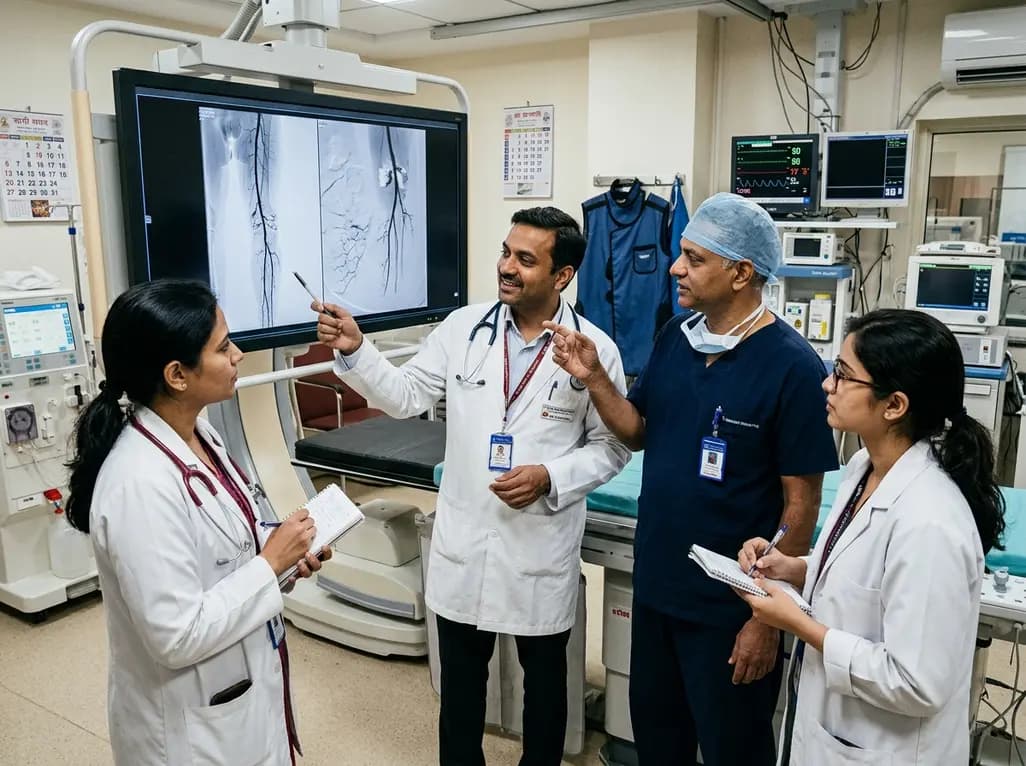
Explore revascularisation strategies in dialysis-dependent chronic limb-threatening ischaemia. This review examines surgical bypass vs endovascular therapy, BEST-CLI trial findings, procedural morbidity, conduit availability, and multidisciplinary decision-making for optimal limb salvage.
Today
