.webp&w=384&q=75)

Loading, please wait...
Loading, please wait...
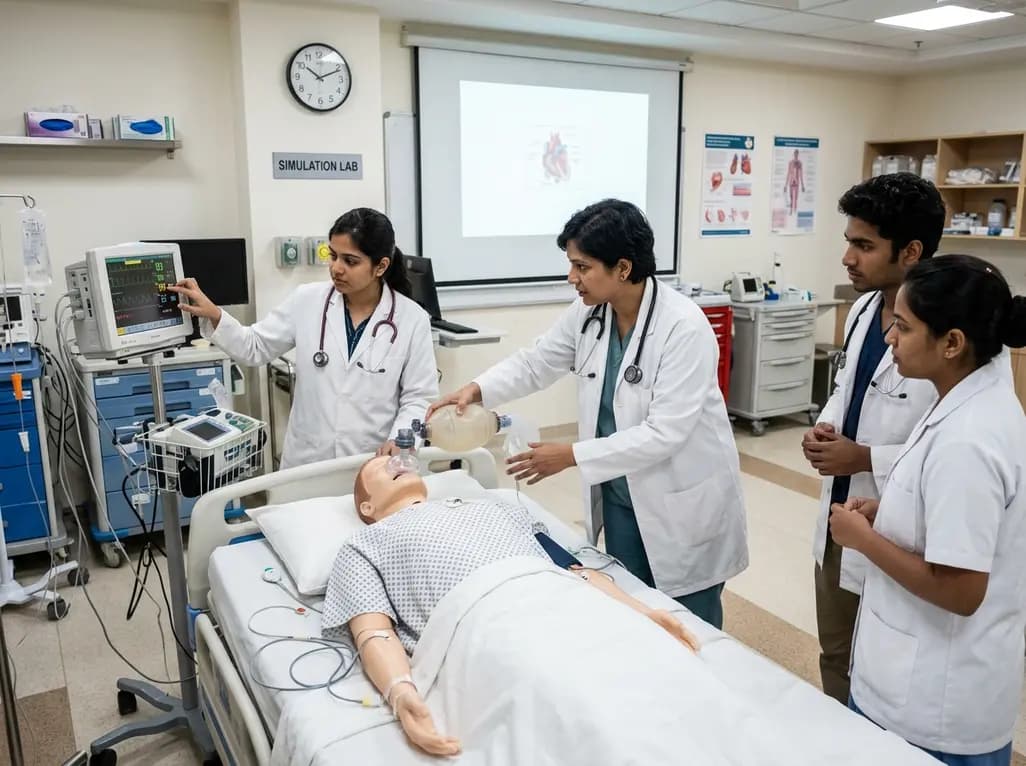
Simulation-based education has emerged as a cornerstone of modern clinical training across medicine and nursing disciplines. Healthcare trainees frequently encounter realistic scenarios designed to sharpen procedural proficiency, critical thinking, and collaborative decision-making skills. However, learners often experience considerable apprehension and performance anxiety before entering the skills laboratory. Proper simulation activity preparation allows participants to overcome psychological barriers and optimize clinical learning. By understanding the foundational phases of simulated learning, healthcare professionals can transform high-stakes training sessions into enriching educational opportunities that advance patient safety.
Modern healthcare curricula increasingly integrate immersive simulation to bridge theoretical concepts with bedside clinical practice. Global regulatory and educational bodies recognize simulation as an essential method for acquiring core competencies and clinical practice hours. For example, high-fidelity simulated scenarios replicate critical medical emergencies, ranging from acute cardiopulmonary arrest to nuanced communication with distressed families. Consequently, trainees can rehearse intricate clinical workflows without exposing patients to unnecessary procedural risks.
Simulated exercises cultivate vital non-technical skills alongside psychomotor abilities. During these immersive exercises, multidisciplinary healthcare professionals refine crisis resource management, closed-loop communication, and situational leadership under pressure. Furthermore, simulation allows educators to standardize learning milestones and assess competency across entire institutional cohorts. When participants approach these sessions with structured intent, they acquire transferable clinical habits that directly enhance bedside care quality in busy healthcare environments. Additionally, experiential learning in a controlled setting enables clinicians to familiarize themselves with emergency protocols and medical equipment. Thus, simulation serves as a safe bridge between textbook theory and clinical execution.
Psychological safety represents a fundamental pillar of effective simulation-based education. Participants must feel confident that instructors and peers will not humiliate, penalize, or judge them for committing honest clinical errors. When educators foster an inclusive and supportive learning atmosphere, students actively engage, ask clarifying questions, and test diagnostic hypotheses without fear of negative evaluation.
Additionally, facilitators build this safety container by framing every simulation as an educational laboratory rather than a punitive examination. They establish a shared basic assumption that all participants possess clinical competence and genuinely endeavor to deliver optimal patient care. Therefore, learners feel empowered to work at the edge of their current knowledge boundaries. Consequently, psychological safety dismantles debilitating performance anxiety and encourages transparent clinical decision-making.
Moreover, mutual respect within the simulation suite promotes genuine vulnerability among team members. When participants observe that peers and faculty embrace mistakes as valuable learning moments, interpersonal defensiveness rapidly dissolves. As a result, healthcare professionals develop resilient learning attitudes that persist throughout their subsequent clinical careers.
Structured orientation and preparatory work serve as essential prerequisites for meaningful simulation experiences. During the pre-briefing phase, facilitators clarify specific learning objectives, outline operational logistics, and introduce manikin capabilities and limitations. Participants should review relevant clinical guidelines, emergency algorithms, and diagnostic criteria before arriving at the skills center.
Moreover, establishing a formal fiction contract during the pre-briefing helps learners suspend disbelief effectively. Trainees agree to treat the scenario as authentic clinical reality, while educators acknowledge the inherent physical constraints of simulated equipment. To maximize practical readiness, participants must clarify their assigned team roles, review room layouts, and agree upon communication protocols with colleagues. Consequently, deliberate simulation activity preparation eliminates operational ambiguity, reduces ambient stress, and aligns expectations across the entire multidisciplinary team.
Furthermore, learners should cultivate an open growth mindset before entering the scenario room. Approaching the exercise as an opportunity to identify individual knowledge gaps improves receptivity to feedback. Thus, thorough mental and logistical preparation directly transforms simulated challenges into impactful developmental milestones.
Debriefing constitutes the central engine of cognitive growth within simulation-based education. After concluding the practical scenario, participants gather with trained facilitators to unpack events, examine clinical decisions, and process emotional reactions. A structured debriefing framework moves participants through systematic phases of emotional reaction, analytical inquiry, and clinical application.
Furthermore, debriefing encourages deep reflective practice rather than superficial performance scoring. Facilitators utilize curious, non-judgmental advocacy-inquiry techniques to uncover the underlying rationales behind clinical actions. When learners openly discuss diagnostic uncertainties and workflow bottlenecks, they develop lasting metacognitive awareness. As a result, teams discover systemic improvements, correct cognitive biases, and consolidate actionable knowledge for real-world practice.
In addition, peer-assisted reflection during debriefing strengthens interprofessional collaboration and mutual empathy. Discussing alternative therapeutic approaches allows team members to appreciate diverse perspectives on patient management. Therefore, structured debriefing transforms fleeting simulated actions into profound, long-lasting clinical wisdom. Consequently, participants leave the debriefing suite with enhanced clarity regarding clinical protocols and improved confidence for future emergency management.
The true measure of successful simulation emerges when clinicians translate simulated experiences into daily patient care. Reflective learning requires practitioners to examine how simulated exercises influence their subsequent clinical behavior, diagnostic reasoning, and team interactions. After completing a simulation workshop, professionals should formally document key insights regarding medication administration, procedural safety, and crisis communication.
In addition, experienced clinicians can utilize their simulation insights to mentor junior colleagues and cultivate supportive departmental cultures. By promoting open dialogue, psychological safety, and continuous quality improvement within hospital wards, healthcare teams foster high reliability. Furthermore, regular engagement in simulated drills helps healthcare systems identify latent organizational hazards and optimize emergency response pathways.
Ultimately, proactive participation in simulation training empowers clinicians to deliver safer, more compassionate, and highly coordinated care. By integrating continuous reflection into daily workflows, healthcare professionals ensure that their practice remains resilient, adaptive, and strictly aligned with current clinical evidence. Thus, simulation-based education serves as an enduring vehicle for personal professional growth and systemic healthcare improvement.
Pre-briefing establishes clear learning objectives, explains simulator mechanics, and outlines scenario expectations. By familiarizing participants with the environment and establishing explicit ground rules, educators remove ambiguity. Furthermore, facilitators introduce a collaborative learning contract that frames errors as learning opportunities. Consequently, trainees feel emotionally supported, which significantly lowers anticipatory anxiety and improves overall engagement during simulated clinical encounters.
A fiction contract is an explicit agreement between educators and learners to optimize simulated realism. Facilitators commit to making scenarios as realistic as possible while acknowledging equipment limitations. In return, participants agree to treat the scenario and manikins as real patients. This mutual compact fosters active immersion, suspends disbelief, and creates a highly productive environment for clinical skill acquisition.
Debriefing provides a structured setting for reflective discussion and cognitive analysis following a simulated scenario. Participants examine their clinical choices, identify knowledge gaps, and evaluate team communication dynamics. Guided by skilled facilitators, learners convert raw experiential actions into generalized clinical insights. This deliberate reflection strengthens diagnostic reasoning and ensures long-term retention of critical patient safety principles.
Disclaimer: This content is for informational and educational purposes only and does not constitute formal professional or medical advice. Trainees and clinicians should exercise clinical judgment and adhere to relevant institution protocols. Refer to the latest local and national guidelines for clinical practice.
References

Read summarized clinical updates, watch expert medical content, and earn CME certifications right from your smartphone.
Open your smartphone camera to scan and install.





Explore actionable guidance on preparing for simulation-based education. Learn how pre-briefing, psychological safety, and structured debriefing optimize clinical training and patient safety.
last month
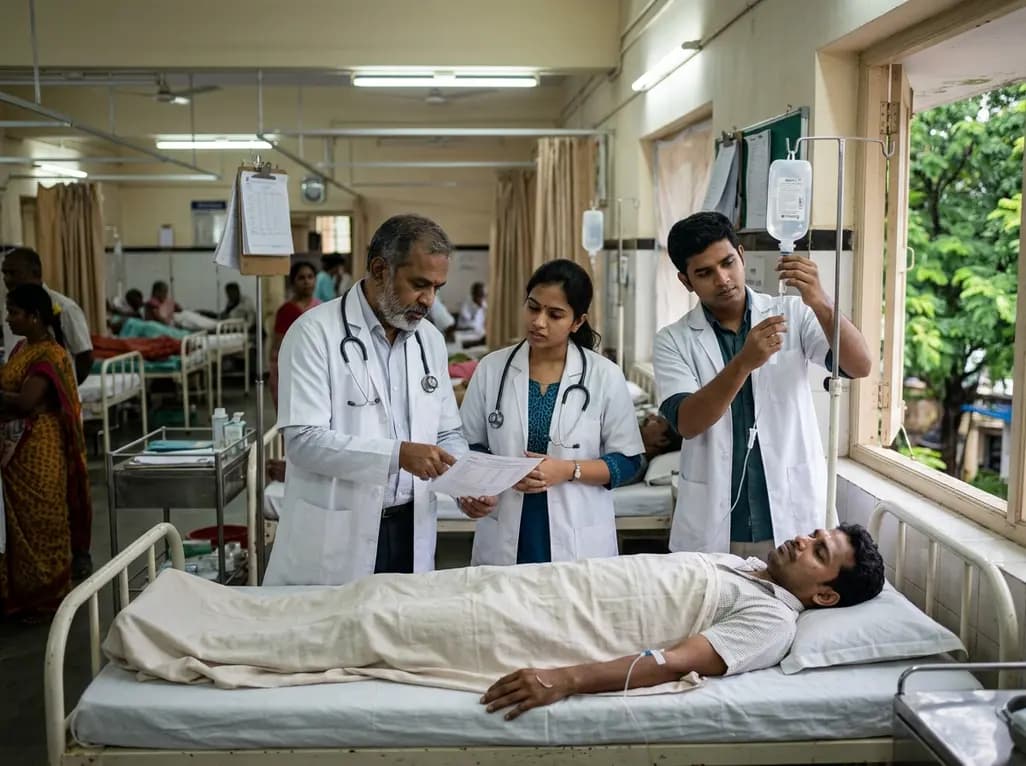
With post-monsoon dengue surges threatening South Asian health systems, physicians must refine triage and management. This guide covers vital warning signs, plasma leakage detection, crystalloid titration, and vector containment strategies to prevent mortality during seasonal arboviral epidemics.
Today
Findings from Project Viva indicate that sustained postpartum weight retention, rather than excessive gestational weight gain alone, directly worsens women's mid-life cardiovascular health, degrading blood pressure and glycemic parameters decades after delivery.
Today
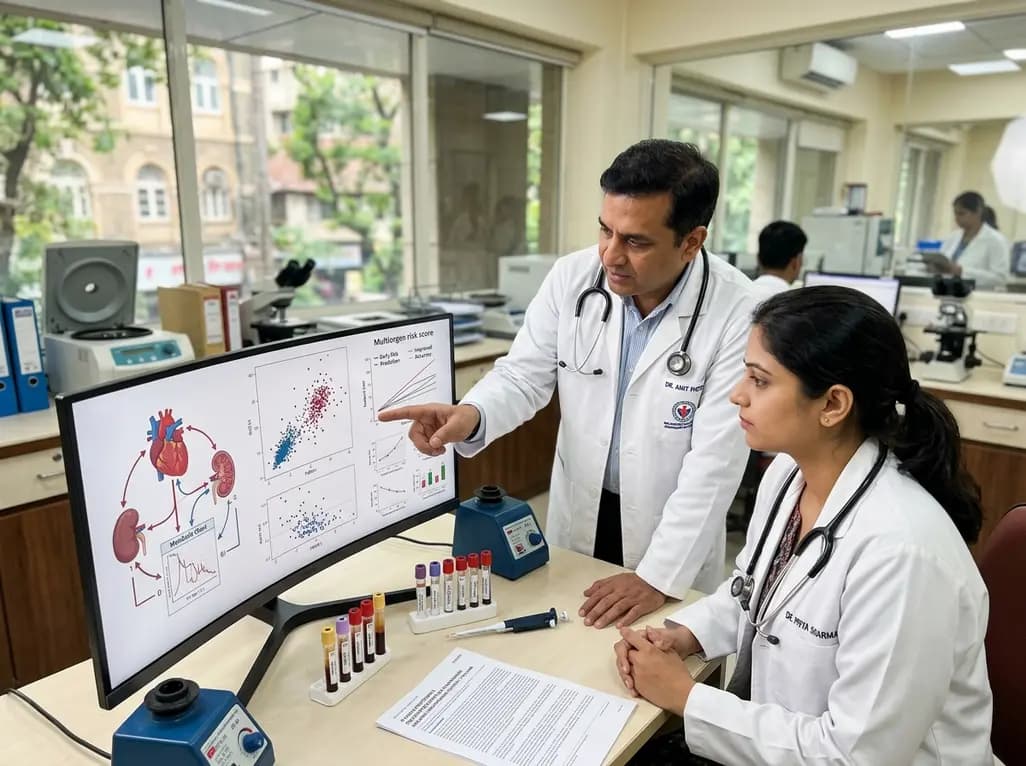
A large UK Biobank study reveals that plasma proteomic signatures capture preclinical organ damage and improve multiorgan risk prediction across early CKM syndrome stages 0 to 2 beyond traditional PREVENT clinical models.
Today
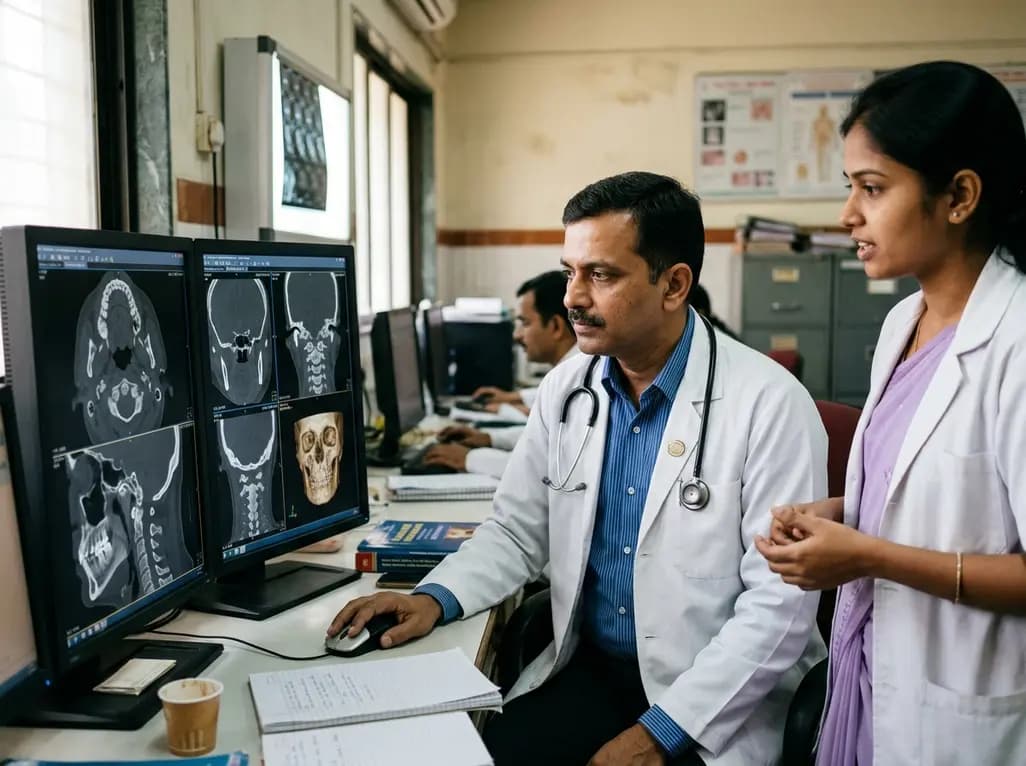
A retrospective CBCT study reveals that superior TMJ space asymmetry correlates moderately with occipital condyle-atlas-axis asymmetry in unilateral TMJ osteoarthritis, highlighting an imaging correlate between jaw biomechanics and upper cervical alignment rather than a standalone diagnostic marker.
Today

A Bayesian multilevel meta-analysis reveals that aerobic training combined with moderate carbohydrate restriction modestly lowers HbA1c in type 2 diabetes. However, sparse data and very low certainty leave incremental benefits over exercise or diet alone unproven, highlighting the need for individualized care.
Today
