

Loading, please wait...
Loading, please wait...
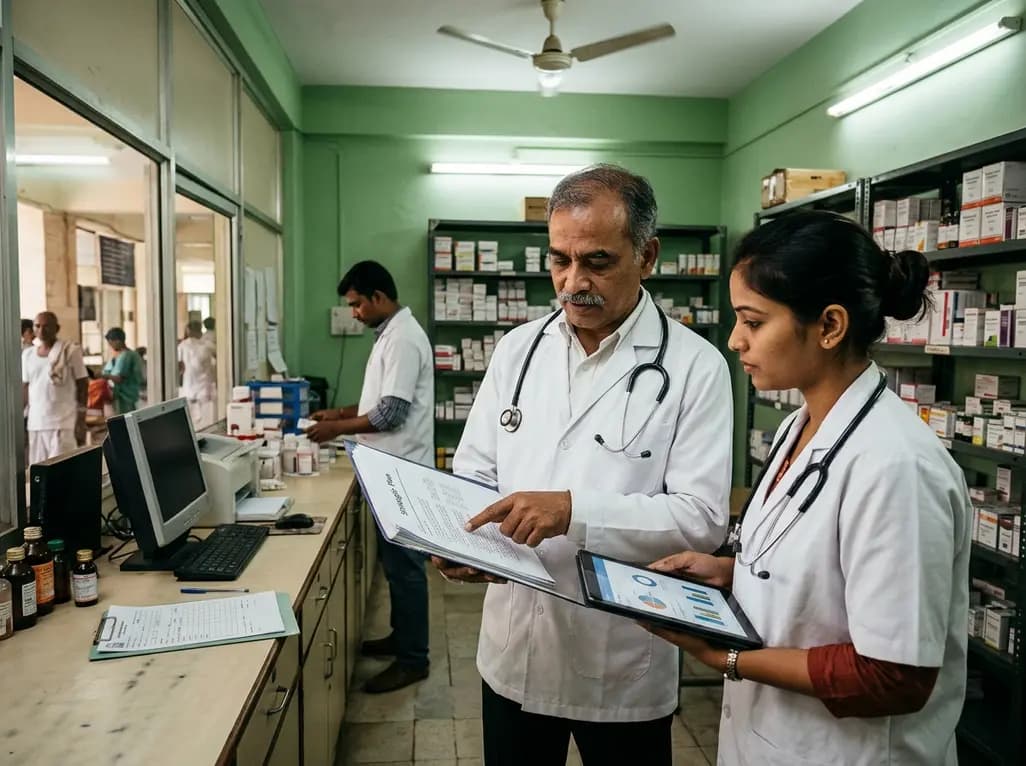
Modern healthcare systems rely heavily on integrated medication management to deliver optimal patient outcomes and ensure systemic safety. As therapeutic complexity accelerates worldwide, hospital pharmacy strategic challenges have become central to institutional resilience and clinical governance. A nationwide self-assessment study evaluating the baseline status of the Spanish Society of Hospital Pharmacy 2030 Project (SEFH 2030) provides crucial insights into how health systems modernize their pharmaceutical infrastructure. The investigation systematically reviewed 100 benchmark standards across 20 distinct strategic priorities. Consequently, the findings expose vital strengths in clinical risk governance while underscoring urgent gaps in open innovation, digital interoperability, and primary care coordination that resonate across inpatient institutions globally.
The cross-sectional evaluation surveyed 374 hospital pharmacy departments categorized across structural parameters, including teaching status, ownership model, bed capacity, and geographic distribution. A total of 199 institutions participated, representing an overall institutional response rate of 53.2 percent. The comprehensive assessment grouped hospital pharmacy strategic challenges into four overarching thematic domains to capture clinical, operational, and organizational maturity. The aggregate baseline implementation score across all surveyed standards reached 45.4 percent, demonstrating that contemporary departments have established foundational protocols but still require systematic expansion to achieve visionary targets.
Transversal activities, professional education, and clinical research recorded the highest collective adoption at 57.4 percent. Similarly, comprehensive pharmaceutical care achieved an implementation level of 51.9 percent, reflecting robust bedside clinical engagement and integrated pharmacotherapy follow-up. Conversely, domains examining workforce dynamics and organizational governance scored lower across the nation. The people and professional teams domain attained 40.0 percent implementation, while organizations and broader health systems achieved only 34.2 percent. These structural disparities show that institutional policies frequently lag behind bedside clinical ambitions.
A closer look at individual strategic domains reveals significant contrasts between traditional operational proficiencies and emergent healthcare technologies. Specifically, leadership in clinical safety achieved the highest overall maturity score at 73.6 percent across participating hospitals. Hospital pharmacists have successfully established rigorous dispensing protocols, pharmacovigilance networks, high-risk medication administration safeguards, and standardized compounding workflows. Therefore, medication error prevention and sterile preparation remain deeply consolidated operational pillars within tertiary healthcare environments.
In stark contrast, open innovation recorded the lowest implementation score at an alarming 18.1 percent. Digital transformation initiatives, artificial intelligence integration, and decentralized patient engagement frameworks also revealed pronounced vulnerabilities. Most pharmacy departments continue to utilize disparate software architectures that hinder seamless communication with outpatient care teams. Furthermore, structured innovation incubators and collaborative translational research models remain underdeveloped. Institutional leadership must address these digital divides rapidly, as future pharmacological breakthroughs necessitate real-time data exchange, predictive analytics, and automated inventory systems.
The national assessment demonstrated significant variability in operational readiness based on hospital typology, ownership structures, and bed capacity. Large public teaching hospitals with over 999 beds led the baseline evaluation with an average implementation rate of 61.7 percent. These major academic referral centers benefit from dedicated clinical specialists, structured academic departments, advanced research infrastructure, and integrated multidisciplinary rounding teams. In comparison, specialized single-specialty centers recorded an overall implementation score of merely 31.1 percent, reflecting narrower institutional scopes and restricted operational funding.
Substantial geographical inequalities also emerged across regional health administrations, with mean adoption rates fluctuating between 53.7 percent and 28.8 percent across autonomous territories. In addition, private healthcare institutions exhibited lower participation rates, which may inadvertently overestimate the actual systemic baseline across non-academic facilities. Addressing hospital pharmacy strategic challenges therefore requires targeted capital allocation and policy standardization. Health policymakers must ensure smaller community facilities receive adequate technological support so clinical safety standards remain consistent across all healthcare tiers.
The structural findings from the SEFH 2030 Project carry vital lessons for medical directors, clinicians, and health administrators worldwide, including rapidly expanding tertiary systems in India. Modern clinical pharmacology demands proactive cross-functional integration rather than siloed medication dispensing. When hospital pharmacists lead antimicrobial stewardship programs, conduct comprehensive discharge medication reconciliation, and monitor specialized biologics, adverse drug events decline dramatically. However, achieving this level of comprehensive care requires health institutions to systematically dismantle interdisciplinary barriers and invest in specialized clinical pharmacy training pathways.
Healthcare facilities aiming to overcome persistent hospital pharmacy strategic challenges should actively harmonize inpatient pharmacy systems with electronic health records. Establishing structured clinical pharmacy rounds within intensive care units, oncology wards, and emergency departments enhances therapeutic precision. Furthermore, hospitals must bridge the transition of care between tertiary discharge and community ambulatory follow-up. By embedding robust quality indicators and periodic self-assessment frameworks into standard hospital accreditation, medical institutions can systematically cultivate clinical resilience, minimize therapeutic toxicities, and improve cost efficiency.
Successfully navigating healthcare evolution toward the 2030 milestone requires healthcare executives to align clinical capabilities with organizational strategy. Hospital leadership must transition from viewing pharmacy departments as cost centers to recognizing them as strategic drivers of institutional safety and financial stewardship. Investing in automated closed-loop medication management, barcode verification, and unit-dose repackaging drastically mitigates bedside administration errors. Simultaneously, institutions should formalize career ladders and clinical specialization tracks to retain skilled pharmaceutical personnel amid global healthcare workforce shortages.
Equally critical is the cultivation of collaborative research ecosystems where clinical pharmacists partner with physicians on pharmacogenomic testing and observational outcome studies. Structured digital integration must also connect institutional pharmacies directly with outpatient clinics, ensuring vulnerable patients receive uninterrupted access to essential therapies. As health systems confront complex demographic aging and escalating pharmaceutical expenditures, adopting comprehensive benchmarking tools enables healthcare administrators to prioritize investments effectively and maintain clinical excellence throughout institutional care delivery pathways.
The SEFH 2030 Project self-assessment provides an objective, national baseline evaluating 100 quality standards across 20 distinct strategic challenges within hospital pharmacy services. This comprehensive initiative establishes reproducible benchmarks across clinical care, organizational integration, team management, and technological innovation. Consequently, healthcare authorities can prioritize clinical resource distribution and track strategic healthcare transformation systematically across diverse hospital categories.
Clinical safety achieved high maturity (73.6%) because hospital pharmacy departments have traditionally prioritized error reduction, sterile compounding protocols, and adverse event surveillance as core operational duties. Conversely, open innovation scored lowest (18.1%) due to restricted venture collaboration budgets, fragmented electronic health architectures, and historical shortages of institutional resources dedicated to exploratory technological pilot programs and digital health integration.
Health systems globally can utilize these findings to structure their clinical pharmacy frameworks, align inpatient medication management with electronic health records, and strengthen multidisciplinary care transitions. By addressing organizational gaps and investing in specialized clinical pharmacists, hospitals can improve antimicrobial stewardship, reduce dangerous medication discrepancies during hospital discharge, and elevate overall therapeutic safety across diverse inpatient populations.
Disclaimer: This content is for informational and educational purposes only. It is not intended to provide medical advice, diagnosis, or treatment. Healthcare professionals should exercise their independent clinical judgment. Refer to the latest local and national guidelines for clinical practice.
References
1. Corte-García JJ et al. Hospital pharmacy in Spain towards 2030: A national self-assessment of the baseline status and strategic challenges of the SEFH 2030 Project. Farm Hosp. 2026 Nov 14. doi: undefined. PMID: 43034127.
2. Eckel SF. Pharmacy's Impact on Hospitals and Health Systems. N C Med J. 2025;86(4):PMC11287900.
3. Zellmer WA, ed. Pharmacy forecast 2015-2019: strategic planning advice for pharmacy departments in hospitals and health systems. Bethesda, MD: Center for Health-System Pharmacy Leadership, ASHP Research and Education Foundation; 2014.

Read summarized clinical updates, watch expert medical content, and earn CME certifications right from your smartphone.
Open your smartphone camera to scan and install.





A nationwide assessment reveals critical insights into hospital pharmacy strategic challenges, highlighting high clinical safety standards alongside notable gaps in digital health, open innovation, and community integration.
Today

A cross-sectional study of 543 patients evaluated the clinical and economic impact of hemophilia inhibitors, revealing higher annual bleeding rates, increased treatment complexity, and severe orthopedic disability, highlighting the need for routine inhibitor screening and modern prophylactic strategies.
Today

Doctors at AIIMS New Delhi have achieved a historic milestone by performing India's first open prenatal myelomeningocele repair on a 25-week unborn fetus. This landmark multidisciplinary procedure provides vital neuroprotective benefits, lowers hydrocephalus risks, and transforms maternal-fetal medicine nationwide.
Today
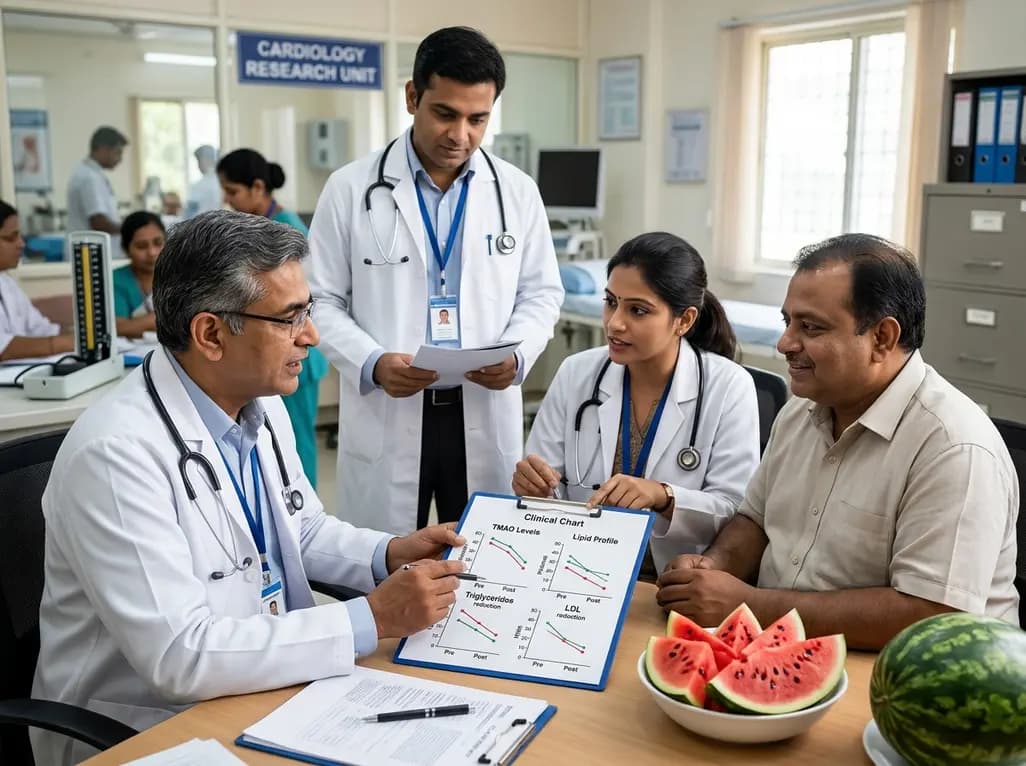
A randomized crossover trial reveals that daily fresh watermelon consumption significantly reduces baseline TMAO levels and favorably modulates lipid profiles, lowering triglycerides and LDL cholesterol in adults with overweight and obesity.
Today

Discover how all-arthroscopic repair using a resorbable bioinductive bovine collagen implant offers a reproducible biologic solution for partial-thickness upper border subscapularis tears, enhancing healing while preserving native tendon architecture.
Today
A large-scale retrospective cohort study demonstrates that GLP-1 receptor agonists significantly reduce all-cause hospitalizations, alcohol-related admissions, major cardiovascular events, and mortality in patients with overweight or obesity and alcohol use disorder, providing profound clinical insights.
Today
