

Loading, please wait...
Loading, please wait...
The Uttar Pradesh government recently initiated a major hospital license cancellation drive across the state. Deputy Chief Minister Brajesh Pathak announced that authorities revoked the licenses of 178 private hospitals following various complaints. These actions address concerns regarding unethical practices and failure to meet established medical standards. However, the government reinstated 59 licenses after formal hearings and appeals.
The state government received approximately 500 complaints against private healthcare facilities before taking action. Furthermore, officials filed FIRs against 281 hospitals for operating while violating established norms. Additionally, the health department seized 533 facilities to prevent further regulatory mismanagement. Consequently, authorities issued formal notices to 1,542 other hospitals, directing them to improve their services immediately.
Moreover, Deputy CM Pathak addressed the assembly regarding concerns over excessive billing in private hospitals. Currently, the state government does not have a policy to fix consultation fees or medical test rates. Therefore, private hospitals maintain autonomy over their specific pricing structures. Nevertheless, the public can access free treatment through state hospitals and the Ayushman Bharat scheme. This national program provides significant financial relief for cardholders and senior citizens.
Q1: Why did the UP government cancel licenses for 178 private hospitals?
The government revoked these licenses following approximately 500 complaints regarding norm violations and unethical practices. The crackdown aims to ensure that all private healthcare providers adhere to state regulations.
Q2: Are there regulations for private hospital consultation fees in Uttar Pradesh?
Currently, there is no state policy to fix or standardize consultation fees and medical test rates in private hospitals. However, the government offers free services in state-run facilities and through the Ayushman Bharat scheme.
Disclaimer: This content is for informational and educational purposes only. It does not constitute medical advice or replace professional judgment. Refer to the latest local and national guidelines for clinical practice.
References

Read summarized clinical updates, watch expert medical content, and earn CME certifications right from your smartphone.
Open your smartphone camera to scan and install.





UP Deputy CM Brajesh Pathak announced the cancellation of 178 private hospital licenses and FIRs against 281 facilities over various regulatory complaints....
8 months ago
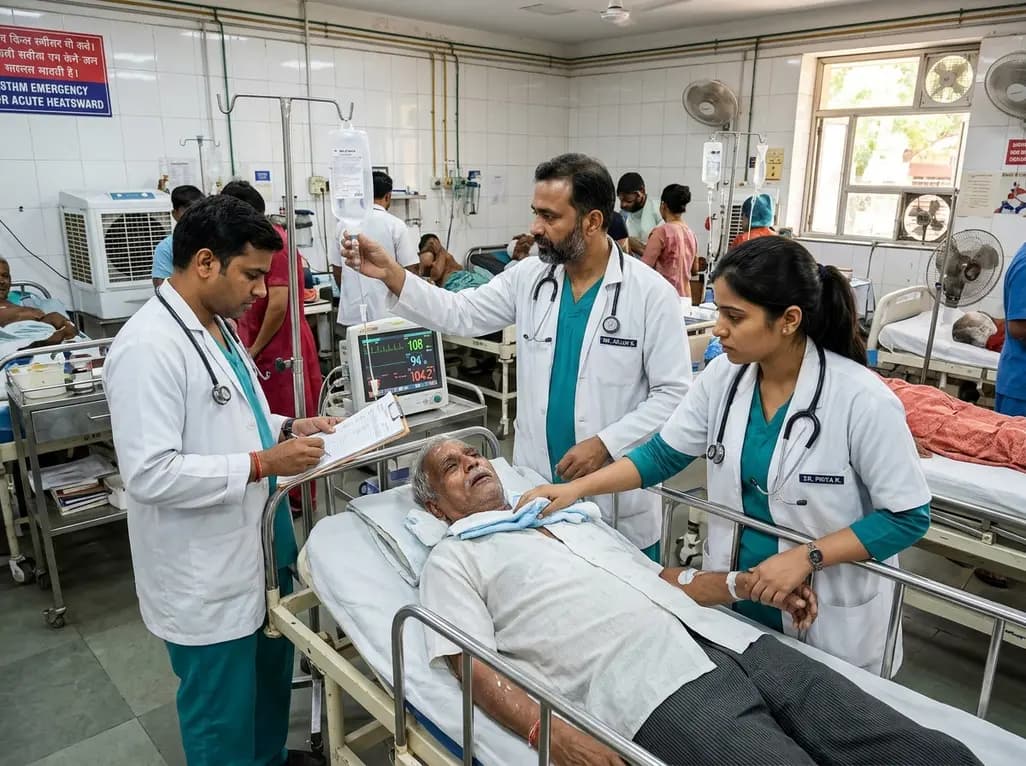
Recent epidemiological data reveals a dramatic surge in summer heat mortality driven by human-induced climate warming. This analysis explores the pathophysiological impacts on cardiac and renal systems, diagnostic dilemmas in death certification, and essential emergency cooling protocols for acute clinical care.
Today
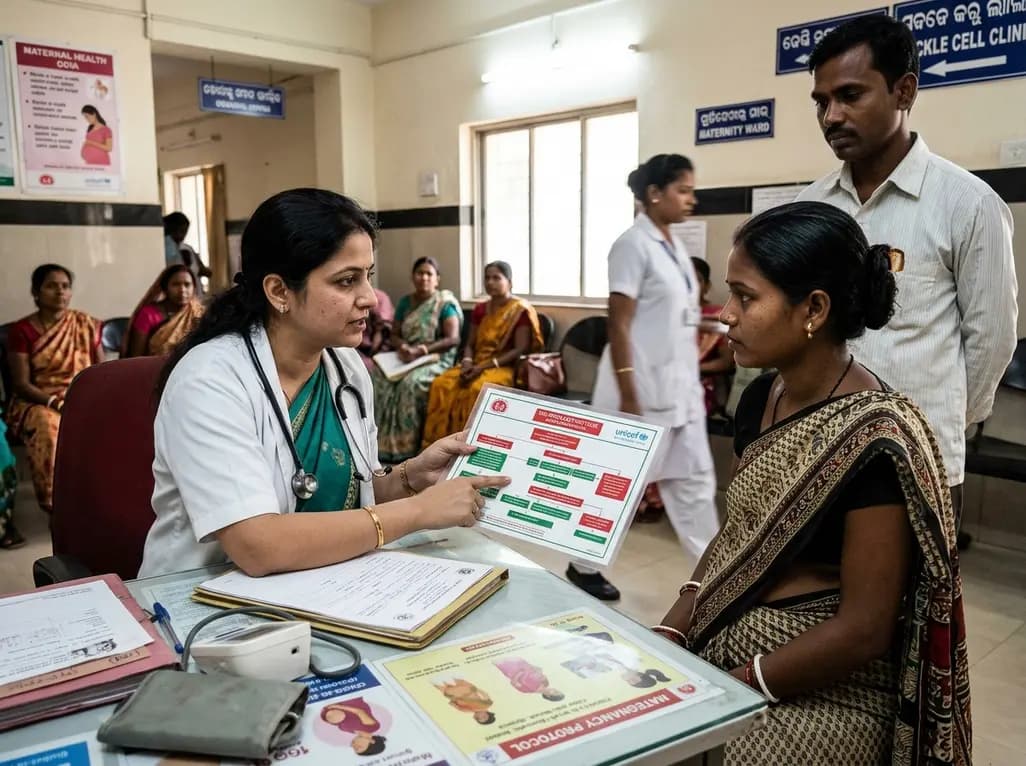
Odisha has established India's first state-level clinical protocol specifically tailored for pregnant women with sickle cell disease. Developed with NHM and UNICEF, the framework provides structured antenatal screening, crisis mitigation, standardized referral pathways, and specialized interdisciplinary care.
Today
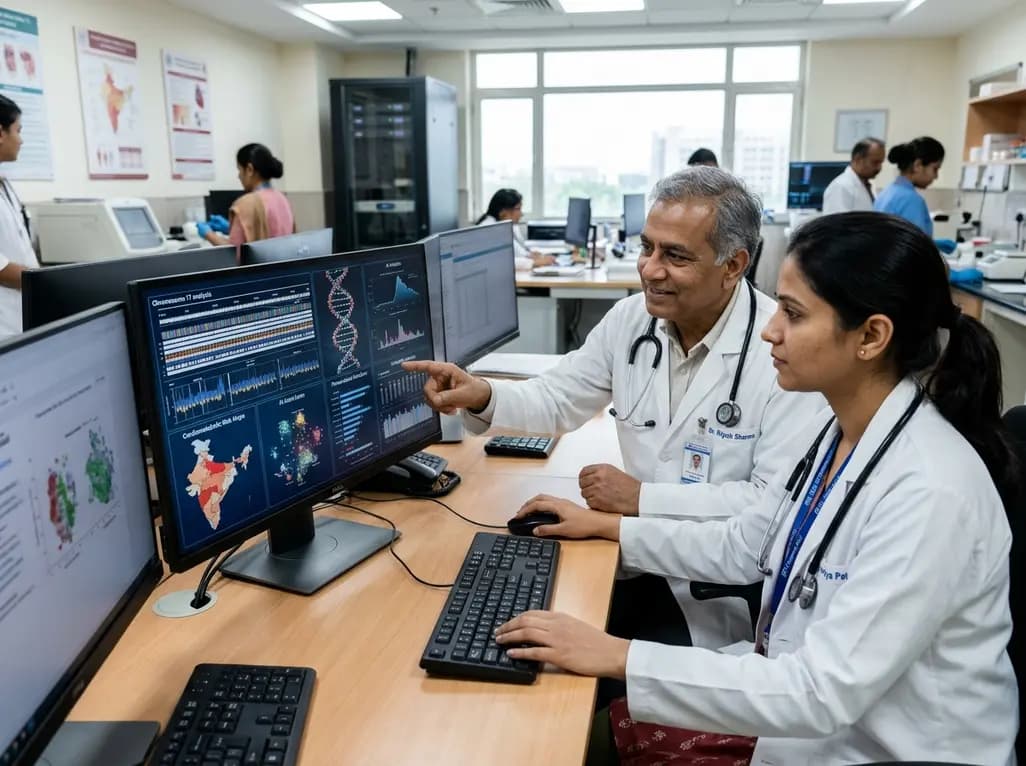
India is advancing preventive healthcare by integrating genomics, artificial intelligence, and quantum technologies. With the SANGAM programme sequencing one million Indian genomes, clinicians can unlock personalized therapies, detect cardiometabolic risks early, and curb the burden of diabetes and heart disease.
Today
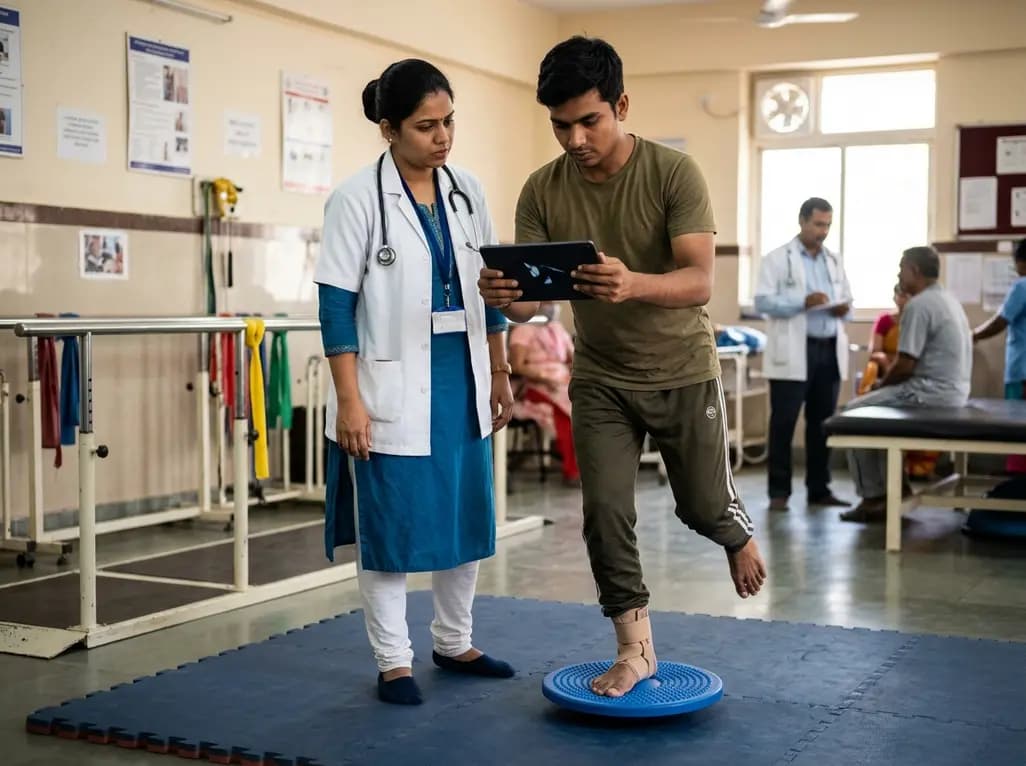
A randomized controlled trial demonstrates that an eight-week dual-task training intervention significantly improves static and dynamic postural control over standard balance exercises in individuals with chronic ankle instability, addressing critical neurocognitive deficits during athletic and daily activities.
Today
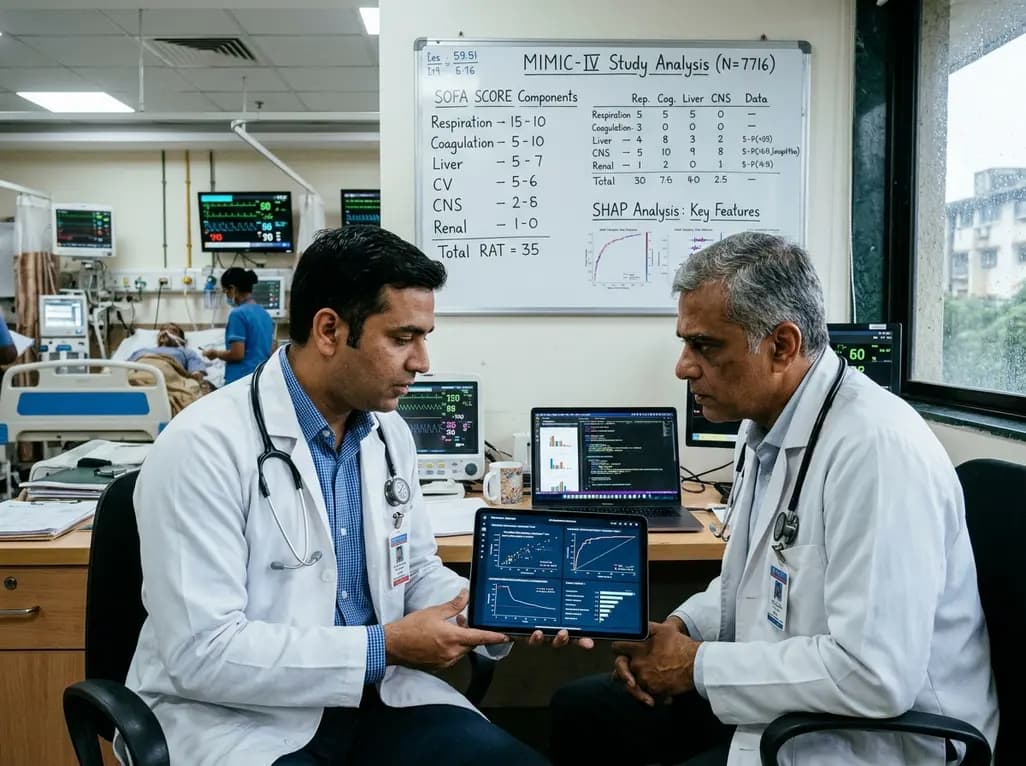
A retrospective cohort study of 7,716 ICU patients from the MIMIC-IV database demonstrates that Gradient Boosting Decision Trees significantly outperform traditional SOFA scores in predicting in-hospital mortality among patients with sepsis and diabetes, with SHAP analysis providing clinical interpretability.
Today
