.webp&w=384&q=75)

Loading, please wait...
Loading, please wait...
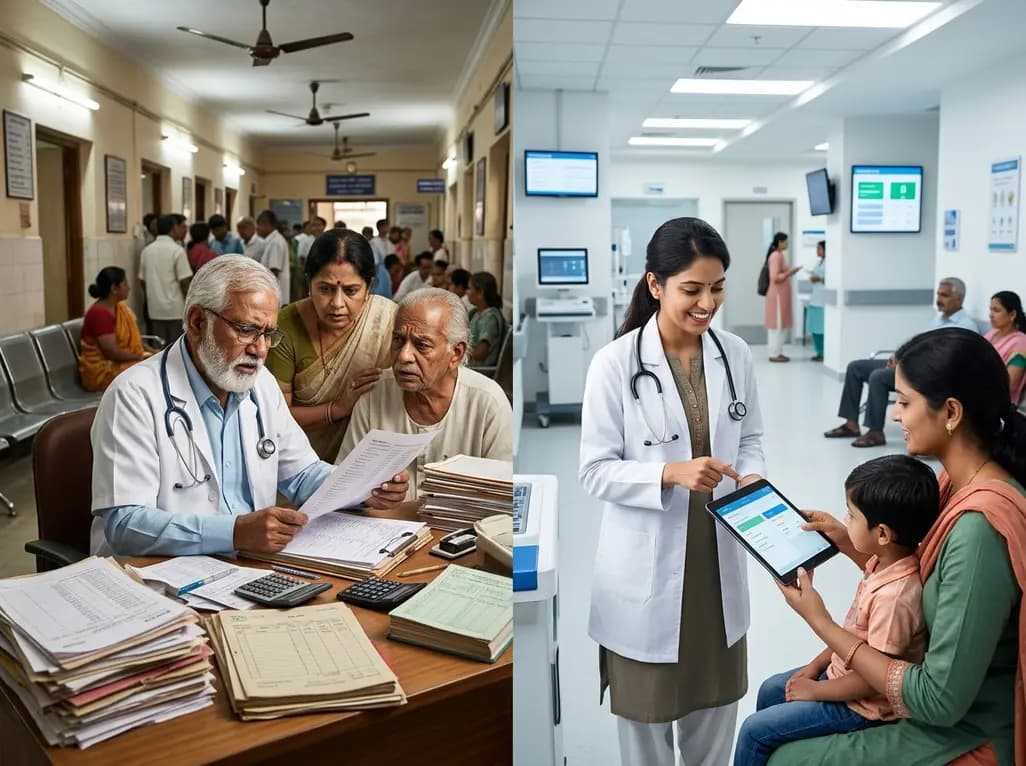
Traditional hospital business models in India face heavy scrutiny due to opaque pricing and misaligned clinical incentives. To begin with, Varun Dubey, Founder of SuperHealth, highlights that clinical outcomes have improved significantly. However, he argues that the financial experience of patients remains highly unpredictable. Consequently, patients face unexpected bills for routine procedures. Therefore, this unpredictability breeds distrust between patients and hospital systems.
Many private hospitals use variable pricing structures that tie administrative costs to doctor fees. For instance, an operation theatre fee often mirrors the surgeon's fee. Therefore, if a highly experienced surgeon charges a premium, the administrative facility fee doubles automatically. Furthermore, this happens even when an experienced surgeon completes the procedure much faster. Consequently, such arbitrary pricing schemes make healthcare costs appear highly unpredictable. However, hospitals actually know their baseline operational costs very well because they perform these procedures daily. Thus, the perceived fluctuation in surgical costs is largely artificial rather than medical.
Another major challenge in India's healthcare infrastructure is the massive supply gap. Specifically, the country is currently short of nearly three million hospital beds. Additionally, traditional hospitals suffer from immense operational delays. Consequently, patients spend hours waiting for consultations, diagnostics, and discharge procedures. According to Dubey, these delays occur because hospital systems manage their workflows poorly. Instead of streamlining patient flow, legacy setups focus on maximizing real estate monetization. Therefore, reforming hospital operations is essential to improve patient satisfaction and control costs.
To resolve these systemic flaws, innovative startups are testing new delivery models. For example, SuperHealth is rolling out a zero-commission, zero-wait hospital model in Bengaluru. Under this framework, doctors receive fixed salaries rather than referral fees or performance commissions. Consequently, this alignment of incentives reduces unnecessary surgical prescriptions by nearly fifty percent. In addition, these facilities provide a single, upfront, all-inclusive price before admission. Thus, this transparent approach protects patients from shocking billing variances. Ultimately, shifting away from archaic hospital business models helps restore trust in modern medicine.
Q1: Why do hospital charges fluctuate so much for the same surgical procedure?
According to experts, many private hospitals tie administrative fees directly to the surgeon's experience and fees. Consequently, if a highly experienced surgeon performs a surgery, the operating theatre fee increases dramatically, despite no increase in medical input costs.
Q2: How does a zero-wait hospital model improve healthcare delivery?
The zero-wait model optimizes patient scheduling and workflows to eliminate administrative delays. Therefore, patients receive timely consultations and diagnostics without spending hours waiting in crowded out-patient departments.
Q3: How do commission-free salaries for doctors benefit patients?
When clinicians work on fixed salaries without surgical commissions, they only recommend procedures based on clinical necessity. As a result, this practice drastically reduces unnecessary surgeries and lowers overall out-of-pocket patient expenditures.
Disclaimer: This content is for informational and educational purposes only. It does not constitute medical advice or replace professional judgment. Refer to the latest local and national guidelines for clinical practice.
References

Read summarized clinical updates, watch expert medical content, and earn CME certifications right from your smartphone.
Open your smartphone camera to scan and install.





Explore how traditional hospital business models inflate medical bills in India and how innovative, zero-wait, transparent systems are reshaping patient car...
4 months ago
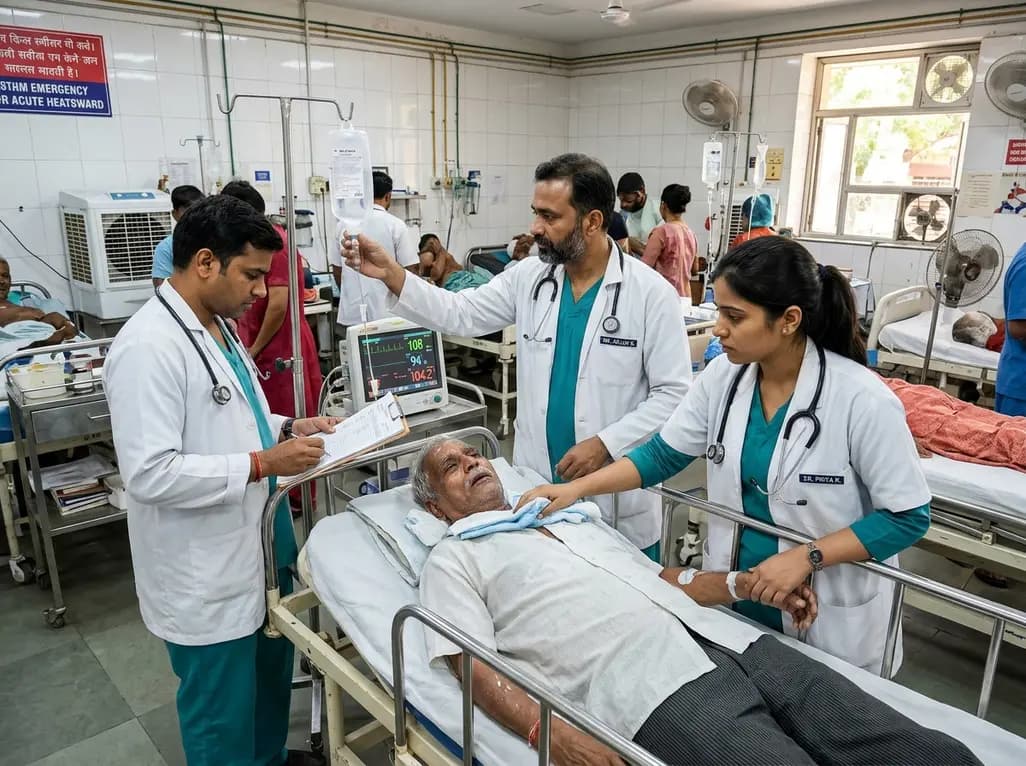
Recent epidemiological data reveals a dramatic surge in summer heat mortality driven by human-induced climate warming. This analysis explores the pathophysiological impacts on cardiac and renal systems, diagnostic dilemmas in death certification, and essential emergency cooling protocols for acute clinical care.
Today

Odisha has established India's first state-level clinical protocol specifically tailored for pregnant women with sickle cell disease. Developed with NHM and UNICEF, the framework provides structured antenatal screening, crisis mitigation, standardized referral pathways, and specialized interdisciplinary care.
Today

India is advancing preventive healthcare by integrating genomics, artificial intelligence, and quantum technologies. With the SANGAM programme sequencing one million Indian genomes, clinicians can unlock personalized therapies, detect cardiometabolic risks early, and curb the burden of diabetes and heart disease.
Today
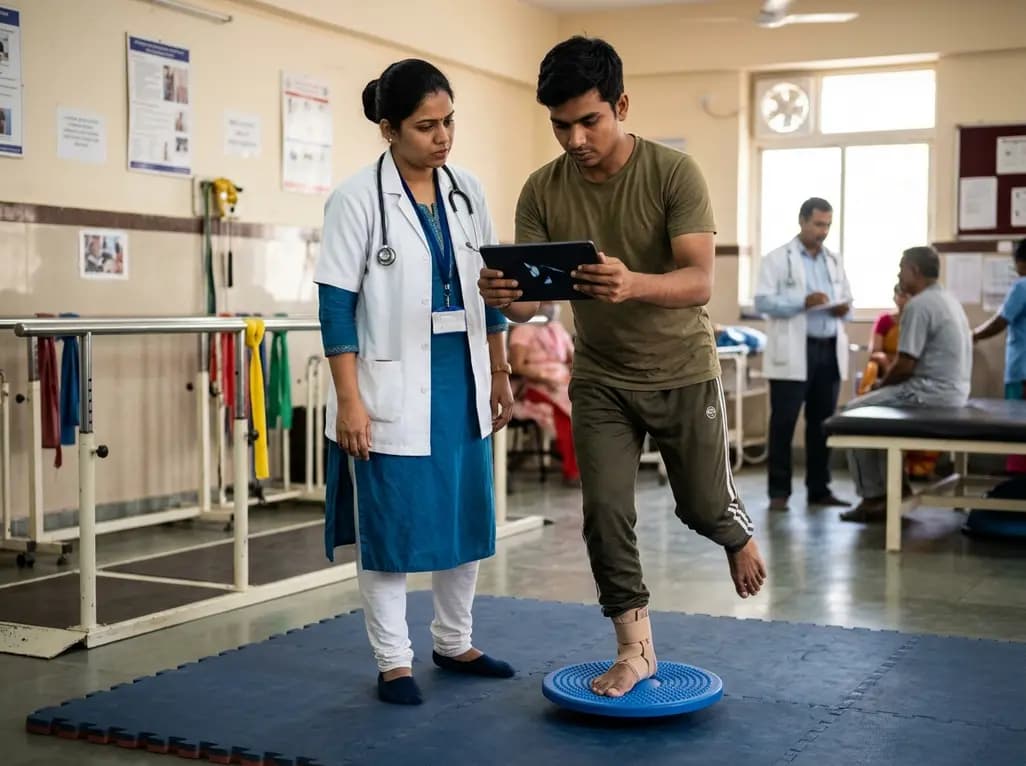
A randomized controlled trial demonstrates that an eight-week dual-task training intervention significantly improves static and dynamic postural control over standard balance exercises in individuals with chronic ankle instability, addressing critical neurocognitive deficits during athletic and daily activities.
Today

A retrospective cohort study of 7,716 ICU patients from the MIMIC-IV database demonstrates that Gradient Boosting Decision Trees significantly outperform traditional SOFA scores in predicting in-hospital mortality among patients with sepsis and diabetes, with SHAP analysis providing clinical interpretability.
Today
