

Loading, please wait...
Loading, please wait...

Managing terminal cognitive decline presents distinct clinical and emotional hurdles for families. Consequently, navigating the hospice transition in dementia requires clinicians to move beyond conventional palliative care paradigms. Unlike oncological diseases with predictable functional cliffs, neurodegenerative dementias present protracted and highly erratic trajectories. Therefore, families frequently struggle to determine the ideal moment to abandon aggressive disease-modifying efforts. A rigorous qualitative investigation by Oh and colleagues examines how family caregivers experience this transition. By analyzing caregiver narratives through decision-making conflict frameworks, this research illuminates critical barriers and facilitators in end-of-life decision-making. As the burden of dementia continues to escalate worldwide and within India, healthcare professionals must recognize these dynamics. Proactive clinical guidance can alleviate caregiver distress and prevent burdensome, non-beneficial hospitalizations near the end of life.
Traditionally, medical systems define hospice enrollment as a definitive shift from disease-directed therapy to comfort care. However, the hospice transition in dementia rarely follows such a clean boundary. Neurodegenerative diseases unfold across several years, characterized by gradual cognitive deterioration punctuated by sudden, unpredictable medical crises. As a result, family members often experience profound ambiguity regarding prognosis. When clinicians fail to discuss disease trajectory early, caregivers carry the sole burden of identifying the terminal phase. Furthermore, systemic fragmentation frequently leaves families feeling isolated after acute hospital discharges. Caregivers often report that past healthcare interactions focused exclusively on discrete episodic crises, such as aspiration pneumonia or recurrent sepsis. Consequently, clinicians rarely framed these events as manifestations of terminal decline. Therefore, preparing caregivers for hospice requires longitudinal prognostic conversations rather than reactive emergency consultations. By establishing proactive palliative milestones, physicians can help families anticipate functional loss and embrace comfort care seamlessly.
The decision to pursue end-of-life hospice care does not happen in a vacuum. Instead, as the study highlights, this pivotal choice reflects the cumulative caregiving journey over years of relentless decline. Caregivers systematically weigh the perceived risks and tangible benefits of hospice against their loved ones' previously stated preferences. However, many persons with advanced dementia can no longer articulate their wishes, which forces surrogate decision-makers to bear intense ethical conflict. In addition, negative appraisals of prior acute hospitalizations strongly motivate families to seek palliative alternatives. Repeated emergency room transfers, invasive catheterizations, and futile diagnostic workups frequently cause acute physical trauma and delirium in patients. When family networks lack formal supportive infrastructure, caregiver exhaustion reaches a critical breaking point. Thus, the enrollment decision often emerges from severe caregiver burnout alongside clinical deterioration. Clinicians must recognize these antecedents early. By validating caregiver exhaustion and framing palliative comfort as high-quality medical management, doctors can dramatically reduce decisional hesitation and family guilt.
A successful transition demands a profound cognitive shift for family members. Specifically, caregivers must pivot from managing a chronic illness toward prioritizing comfort-oriented interventions. However, this reframing remains exceptionally difficult because physical decline in dementia is rarely linear. A patient may rally unexpectedly after an infection, which temporarily obscures the underlying fatal progression. Furthermore, families often fear that enrolling in hospice signifies premature abandonment or hastened death. To address this misconception, healthcare providers must explicitly explain the philosophy of palliative hospice support. Interprofessional teams must reassure caregivers that comfort care actively manages distressing symptoms, such as pain, agitation, dyspnea, and dysphagia. Moreover, hospice care preserves personhood and emotional connection even when verbal communication ceases entirely. When clinical teams guide families toward finding meaning in quiet companionship, caregivers experience reduced distress. Ultimately, reframing the therapeutic goals empowers families to view hospice not as giving up, but as the most compassionate standard of care.
Emotional turbulence invariably accompanies end-of-life decisions in dementia. Throughout the hospice transition, family caregivers experience complicated grief, anticipatory loss, and intense guilt. Even after signing hospice enrollment documents, surrogates continuously question whether they made the correct choice. Therefore, clinical communication must address emotional vulnerability with structured empathy. Healthcare professionals should actively normalize these conflicted feelings during family conferences. In addition, palliative teams play an indispensable role in helping families maintain daily normality amidst ongoing terminal decline. Simple daily routines, gentle sensory stimulation, and familiar domestic environments provide immense comfort to patients with late-stage dementia. By shifting clinical targets away from invasive biochemical monitoring and toward peaceful symptom relief, clinicians safeguard the patient's dignity. Concurrently, continuous emotional support reassures caregivers that their surrogate choices honor their loved one's legacy. When clinicians consistently support family members through these complex transitions, bereavement outcomes improve substantially.
The findings from this qualitative analysis emphasize an urgent need for health systems to integrate palliative concepts into routine dementia care. Physicians should initiate advance care planning during the early stages of cognitive impairment while the patient retains decision-making capacity. Unfortunately, discussions about goals of care frequently occur too late, often during acute medical crises in intensive care settings. In developing health landscapes such as India, where community hospice beds remain limited, family caregivers provide nearly all advanced dementia care at home. Consequently, the lack of structured home-based palliative support creates immense financial, physical, and psychological distress. Health authorities and professional societies, including the Indian Association of Palliative Care, strongly recommend expanding community-based palliative training. Physicians must advocate for shared decision-making, discourage non-beneficial interventions such as routine tube feeding in advanced dementia, and offer round-the-clock guidance. Implementing these structured palliative interventions transforms fragmented dementia trajectories into dignified, well-supported journeys.
Clinicians should initiate palliative discussions early in the disease trajectory rather than delaying until the terminal phase. Specifically, conversations regarding goals of care and advance directives should occur when the patient still has cognitive capacity. When functional decline advances to FAST stage 7—marked by loss of speech, mobility, and swallowing—physicians must formally discuss comfort-focused hospice enrollment to prevent unwanted crisis hospitalizations.
Caregivers experience intense decisional conflict because dementia lacks a predictable, linear end-of-life trajectory. Unlike terminal cancer, cognitive decline fluctuates, causing families to doubt whether death is imminent. Furthermore, surrogate decision-makers often struggle with emotional guilt, fearing that shifting from disease management to comfort-focused palliative support represents abandonment. Inadequate prior physician communication and fragmented support systems further exacerbate this psychological distress throughout the transition.
Physicians can support families by providing clear prognostic education and proactive anticipatory guidance. Clinicians should conduct empathetic family meetings that reframe hospice as active, comfort-focused medicine. Additionally, teams must validate caregiver burden, explain that refusing invasive interventions honors patient dignity, and provide interdisciplinary palliative resources. Connecting families with home hospice teams and community networks ensures continuous physical and emotional support during end-of-life care.
Disclaimer: This content is for informational and educational purposes only... Refer to the latest local and national guidelines for clinical practice.
References

Read summarized clinical updates, watch expert medical content, and earn CME certifications right from your smartphone.
Open your smartphone camera to scan and install.





A qualitative study reveals the complex challenges family caregivers face during the hospice transition in dementia. Learn how clinicians can support decision-making, mitigate caregiver burden, and reframe care goals toward comfort and dignity in end-of-stage neurodegenerative disease.
Today

Understanding the distinction between viral detection and disease measurement is crucial. COVID-19 highlights how viral presence, host immunity, and thromboinflammation differ, urging clinicians to look beyond isolated molecular tests toward comprehensive multi-system pathophysiological monitoring.
Today

Groundbreaking experimental research demonstrates that CX3CR1 deficiency significantly attenuates endometriotic lesion growth by suppressing pro-repair M2 macrophage polarization. This discovery identifies the CX3CL1-CX3CR1 chemokine axis as a promising non-hormonal target for managing chronic endometriosis.
Today

Mayo Clinic trials and real-world datasets show GLP-1 receptor agonists improve left ventricular remodeling, reduce intracardiac filling pressures, decrease hospitalizations by 34%, and lower geriatric fall risks in patients with obesity and heart failure, delivering notable clinical and economic benefits.
Today
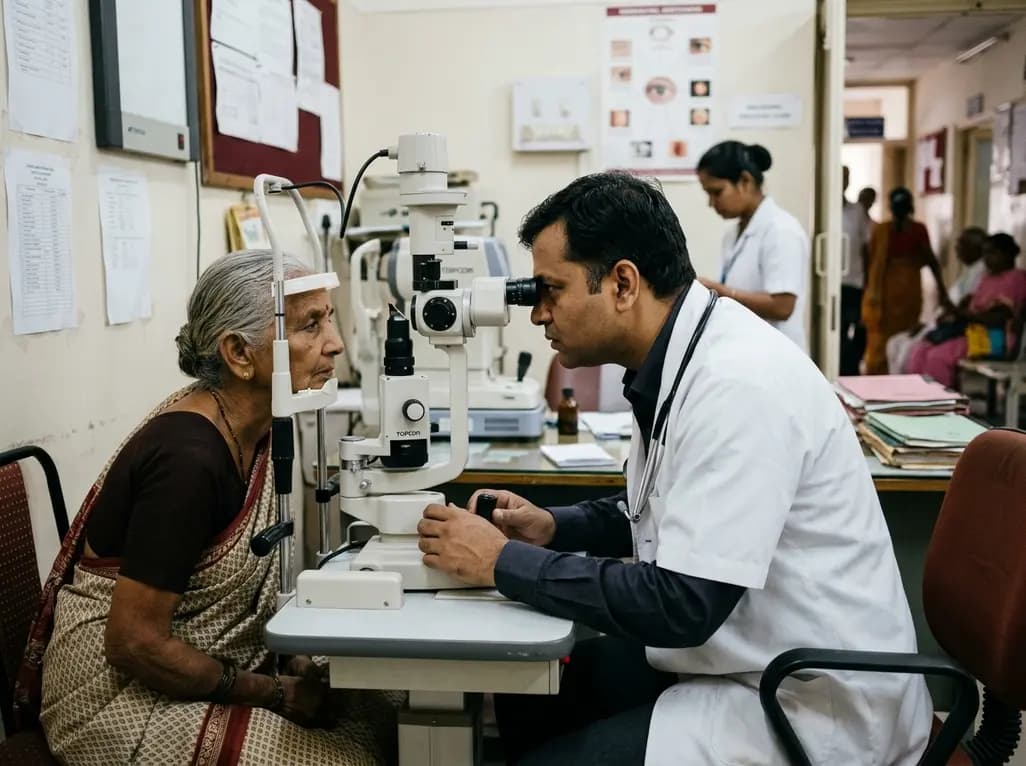
A meta-analysis of 19 studies reveals that 69% of ophthalmologists suffer from work-related musculoskeletal disorders. Slit lamps, microscopes, and high surgical loads cause severe cervical and lumbar strain, underscoring the urgent need for ergonomic workstations, micro-breaks, and institutional reforms.
Today

An analysis of 1,000 posts by macro- and mega-influencers on Instagram and TikTok revealed that 78.5% contained nutrition misinformation, while only 24% of creators held valid credentials. This article examines the clinical risks of viral dietary fads and provides actionable guidance for healthcare professionals.
Today
