.webp&w=384&q=75)

Loading, please wait...
Loading, please wait...

Decentralized healthcare models are gaining traction globally to improve patient adherence. Home-based DBS collection offers a revolutionary approach to monitoring HIV viral load (VL) in youth. A recent pilot study investigated the suitability of this technology among individuals aged 15-24 years. By shifting from traditional clinic-based venipuncture to self-sampling, providers can bridge significant gaps in routine care for high-risk populations.
The study enrolled 34 youth with HIV (YWH) who were already part of a decentralized clinical trial. These participants received a HemaSpot-HF kit via mail and followed an instructional video for sample collection. Researchers utilized both quantitative surveys and qualitative interviews to evaluate the process. Consequently, the data provided a comprehensive view of how young patients interact with remote monitoring tools.
The findings demonstrated a strong positive correlation between perceived suitability, feasibility, and acceptability. However, age played a significant factor in how participants viewed the technology. Specifically, younger participants reported higher levels of perceived suitability than their older counterparts. Furthermore, health insurance coverage significantly influenced the feasibility scores among the cohort. This suggests that financial and administrative support remains crucial for the widespread adoption of remote sampling.
Qualitative analysis identified several key facilitators. Many participants cited clinic support and awareness of biosampling innovation as major drivers for participation. Streamlined mailing processes also enhanced the user experience. Conversely, barriers included living environment challenges and concerns regarding mail delivery reliability. Therefore, clinical implementation must account for the diverse socio-economic backgrounds of the youth population.
For clinicians in India, these findings are particularly relevant. Given the geographical and logistical challenges in the country, DBS technology can decentralize HIV care effectively. Previous Indian studies have already confirmed that DBS is a cost-effective alternative for viral load monitoring. Scaling up this method could transform HIV management by reducing the need for frequent clinic visits while maintaining high standards of care.
It allows for remote viral load monitoring, which improves convenience for patients and reduces the burden on healthcare facilities, especially for youth who may face transport barriers.
While plasma remains the gold standard, studies and WHO guidelines confirm that DBS is a reliable alternative for detecting virological failure at a threshold of 1,000 copies/mL.
Common barriers include concerns over the privacy of the living environment, potential mail delivery issues, and the need for clear patient education on self-sampling techniques.
Disclaimer: This content is for informational and educational purposes only and does not constitute medical advice or a professional relationship. Always seek the advice of a qualified healthcare provider for any medical concerns. Refer to the latest local and national guidelines for clinical practice.
References
Gurung S et al. An Examination of Perceptions and Usage of Dried Blood Spot Biosampling Technology for HIV Viral Load Collection Among Youth with HIV. AIDS Behav. 2026 May 03. doi: 10.1007/s10461-026-05154-x. PMID: 42070204.
World Health Organization. Technical update on the use of dried blood spots for HIV viral load testing. Geneva: WHO; 2021.
Ujjwal N et al. Dried blood spot HIV-1 RNA quantification: A useful tool for viral load monitoring among HIV-infected individuals in India. Indian J Med Res. 2012;136(6):956-962.

Read summarized clinical updates, watch expert medical content, and earn CME certifications right from your smartphone.
Open your smartphone camera to scan and install.





New research highlights the feasibility and acceptability of home-based dried blood spot (DBS) collection for HIV viral load monitoring among youth....
5 months ago
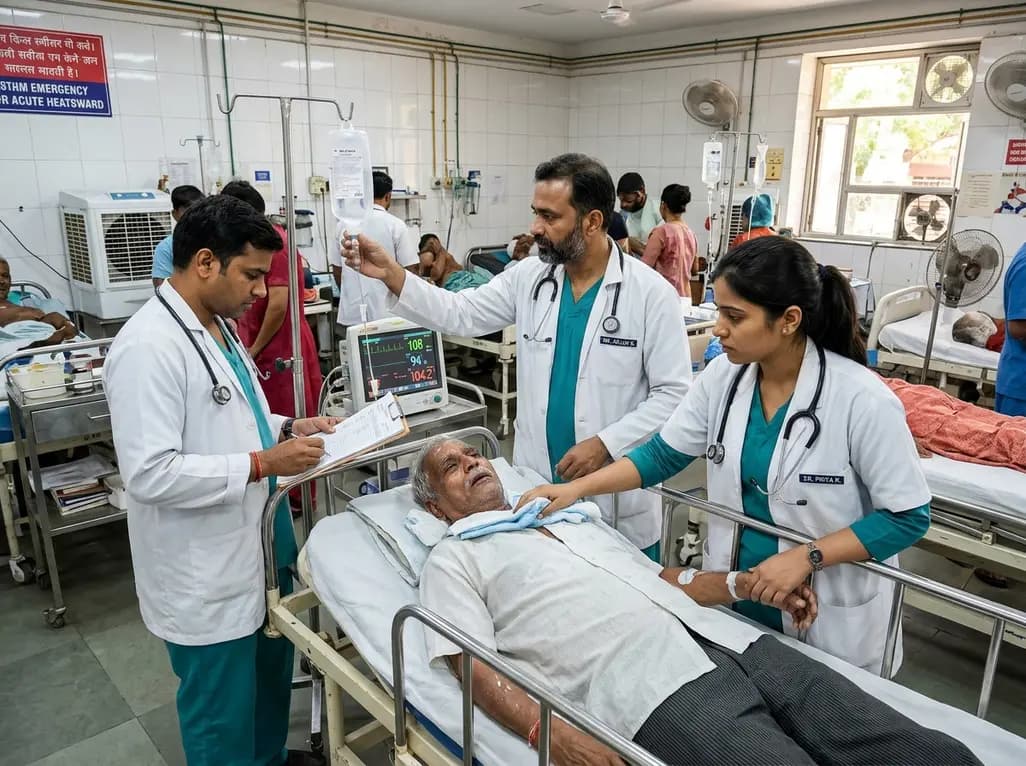
Recent epidemiological data reveals a dramatic surge in summer heat mortality driven by human-induced climate warming. This analysis explores the pathophysiological impacts on cardiac and renal systems, diagnostic dilemmas in death certification, and essential emergency cooling protocols for acute clinical care.
Today
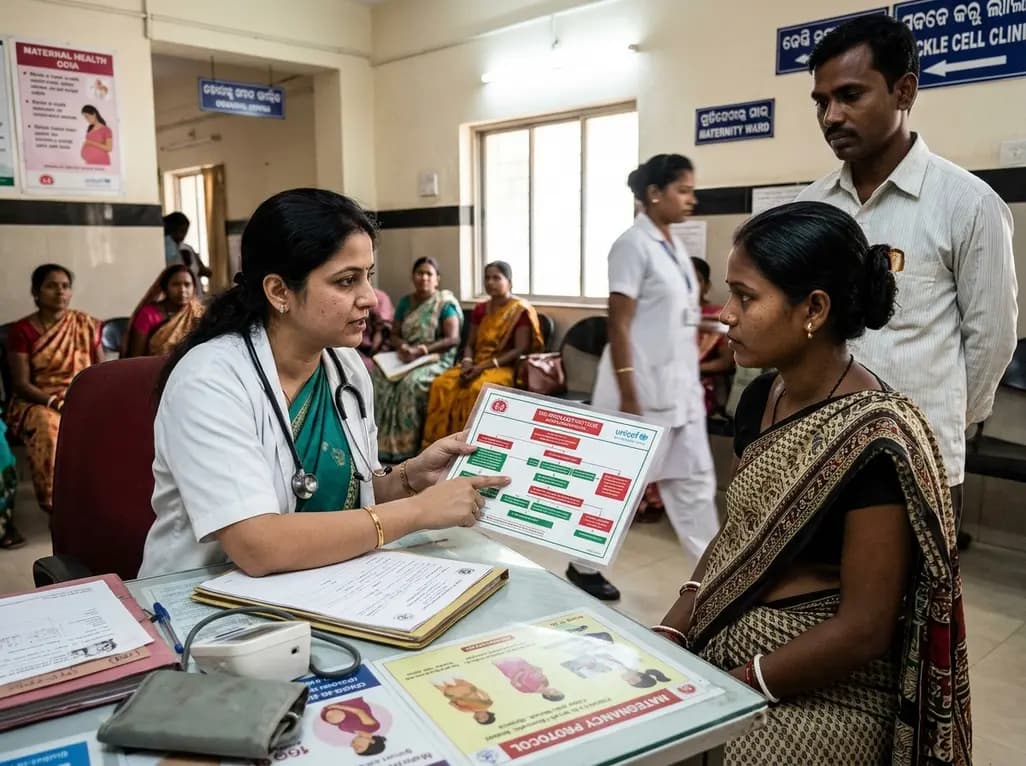
Odisha has established India's first state-level clinical protocol specifically tailored for pregnant women with sickle cell disease. Developed with NHM and UNICEF, the framework provides structured antenatal screening, crisis mitigation, standardized referral pathways, and specialized interdisciplinary care.
Today

India is advancing preventive healthcare by integrating genomics, artificial intelligence, and quantum technologies. With the SANGAM programme sequencing one million Indian genomes, clinicians can unlock personalized therapies, detect cardiometabolic risks early, and curb the burden of diabetes and heart disease.
Today
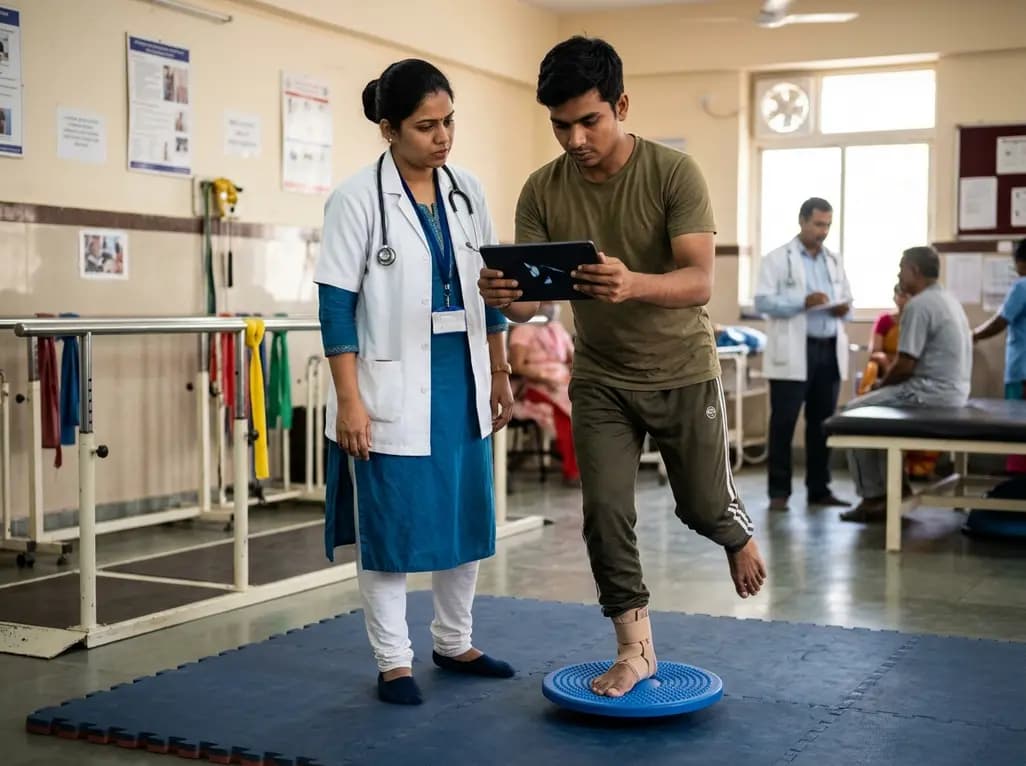
A randomized controlled trial demonstrates that an eight-week dual-task training intervention significantly improves static and dynamic postural control over standard balance exercises in individuals with chronic ankle instability, addressing critical neurocognitive deficits during athletic and daily activities.
Today

A retrospective cohort study of 7,716 ICU patients from the MIMIC-IV database demonstrates that Gradient Boosting Decision Trees significantly outperform traditional SOFA scores in predicting in-hospital mortality among patients with sepsis and diabetes, with SHAP analysis providing clinical interpretability.
Today
