.webp&w=384&q=75)

Loading, please wait...
Loading, please wait...

HIV treatment continuity remains a paramount goal for global health systems. In Nigeria, this objective faced a severe threat following an abrupt freeze in United States foreign aid in early 2025. Consequently, thousands of patients faced the prospect of losing access to life-saving antiretroviral therapy. However, a dedicated network of volunteers launched a massive door-to-door campaign to mitigate the crisis. These specialists, known locally as \"HIV champions,\" worked tirelessly to re-engage patients who had dropped out of care due to supply disruptions. Their efforts highlight the vital role of community-led interventions when national healthcare systems face sudden financial instability.
The pause in foreign aid caused immediate and widespread repercussions across Nigeria. Historically, the U.S. government funded approximately 90% of the country’s HIV treatment costs. As a result, the sudden withdrawal of support led to the temporary closure of many treatment centers. For instance, in Benue State, all major clinics shut down for an entire month during the peak of the crisis. Patients who previously received six-month supplies were suddenly limited to just one week of medication. This instability increased the risk of viral rebound and potential transmission. Fortunately, local volunteers stepped in to bridge these dangerous service gaps. They tracked patients by phone and visited homes to ensure medication adherence. These actions prevented a catastrophic rise in AIDS-related mortality during the transition period.
Volunteers successfully brought over 3,300 people back into care in Benue State alone. Furthermore, they focused heavily on vulnerable populations, including children and pregnant women. These grassroots efforts helped stabilize patient numbers by the end of 2025. Meanwhile, the Nigerian government responded by committing $200 million to an emergency health funding package. Additionally, a new bilateral agreement for 2026-2030 outlines a shift toward full domestic ownership of the HIV response. Under this deal, Nigeria will contribute $3 billion, while the U.S. provides $2.1 billion. This transition aims to build a more sustainable and self-reliant health infrastructure. Consequently, future health strategies must prioritize both clinical excellence and the community networks that sustain patient care during periods of uncertainty.
Q1: Why is HIV treatment continuity so critical for public health?
Interrupted antiretroviral therapy allows the virus to rebound quickly. This leads to drug resistance, HIV-related illnesses, and a significantly higher risk of transmitting the virus to others.
Q2: How did volunteers help maintain care during the funding gap?
Volunteers used phone tracking and door-to-door visits to find patients who had stopped treatment. They provided education to counter misinformation and connected families to reopened clinics.
Q3: What is the long-term funding plan for HIV care in Nigeria?
A five-year agreement starting in 2026 commits Nigeria to taking over funding in full. This plan includes a $3 billion investment from the Nigerian government to ensure long-term sustainability.
Disclaimer: This content is for informational and educational purposes only. It does not constitute medical advice or replace professional judgment. Refer to the latest local and national guidelines for clinical practice.
References

Read summarized clinical updates, watch expert medical content, and earn CME certifications right from your smartphone.
Open your smartphone camera to scan and install.





Nigerian volunteers bridged a massive gap in HIV care after US aid cuts, using door-to-door outreach to maintain treatment for thousands of vulnerable patie...
6 months ago

A recent study demonstrates that spinal oxygen sensors do not require mitochondrial electron transport to trigger sympathetic excitation during acute hypoxia, revealing new insights into how mitochondrial oxidative stress modulates autonomic tone in cardiovascular and neurological diseases.
Today
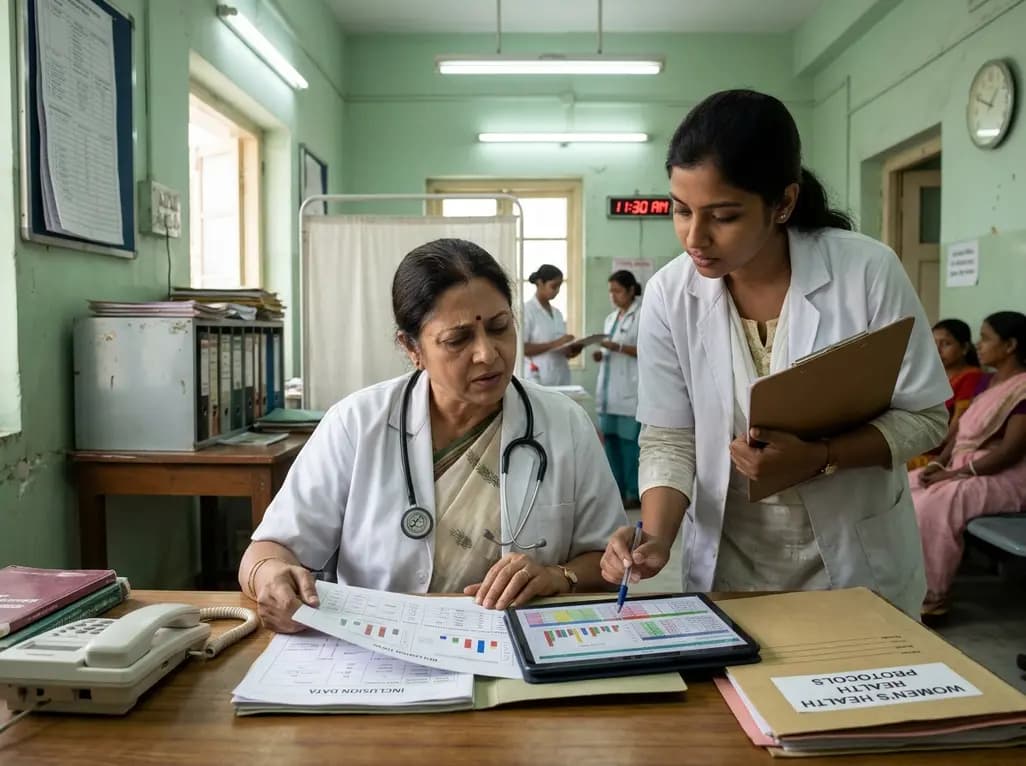
Demanding exhaustive hormonal profiling can inadvertently discourage clinical studies involving females. Methodological standards must align with the specific scientific question to expand, not restrict, equitable evidence for women.
Today

The Directorate General of Health Services directs Indian states to halt the hazardous reuse and reprocessing of single-use medical devices. Discover regulatory implications under the Drugs and Cosmetics Act, critical infection risks, legal liabilities, and operational changes required across clinical specialties.
Today
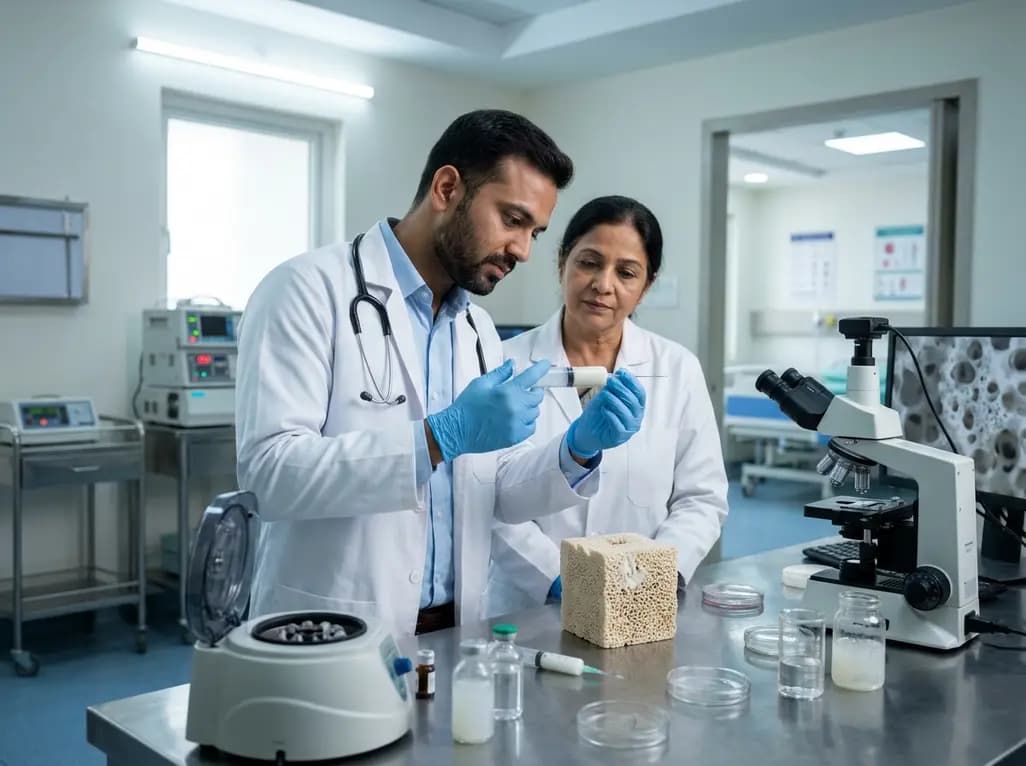
A novel calcium polyphosphate coacervate enables injectable bone implants with in situ hierarchical porosity via phase separation and gas foaming, significantly enhancing cell proliferation, energy metabolism, and osteogenic differentiation for minimally invasive bone defect repair.
Today
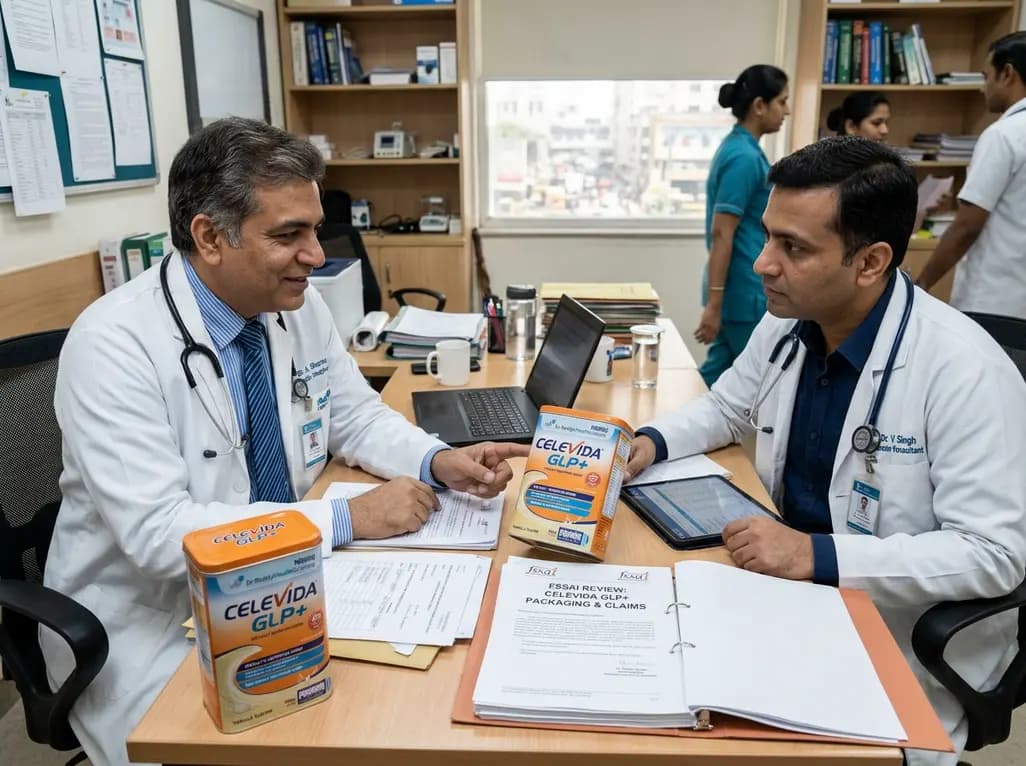
Following regulatory scrutiny from FSSAI regarding promotional representations and lean muscle preservation claims, Dr. Reddy's Laboratories and Nestlé Health Science are currently reviewing the branding and marketing strategy for their joint nutritional supplement Celevida GLP+.
Today
