.webp&w=384&q=75)

Loading, please wait...
Loading, please wait...

Recent laboratory research highlights how HIV-2 inhibits HIV-1 replication during dual infections. In vitro studies demonstrate that the presence of HIV-2 significantly reduces the infectivity of various HIV-1 subtypes. This discovery explains why dually infected patients often exhibit slower disease progression compared to those with monoinfection. Furthermore, scientists utilized subtypes A, B, C, and CRF02_AG to test these viral interactions in cell culture. Both simultaneous and sequential infections resulted in lower viral loads and significantly reduced infectivity across most tested subtypes.
Specifically, the study showed a marked decrease in the expression of specific HIV-1 RNA species, including unspliced and multiply spliced RNA. These findings suggest that HIV-2 inhibits HIV-1 by interfering with the transcription and splicing stages of the viral life cycle. Although the degree of inhibition varied slightly among subtypes, the overall trend remained consistent. Consequently, these mechanistic insights could pave the way for novel therapeutic strategies. Additionally, understanding these interactions is vital for developing functional cures for HIV-1. Moreover, future studies will likely focus on identifying the specific molecular drivers of this reduced infectivity.
No, clinical and in vitro evidence suggests that dual infection often results in attenuated disease progression and slower AIDS development compared to HIV-1 monoinfection.
The study observed reduced infectivity across several major subtypes, including A, B, C, and the recombinant form CRF02_AG.
The reduction coincides with lower viral loads and decreased HIV-1 transcription and splicing, likely due to competitive interference within the host cell.
Disclaimer: This content is for informational and educational purposes only and does not constitute medical advice or a professional recommendation. Always consult a qualified healthcare provider for diagnosis and treatment. Refer to the latest local and national guidelines for clinical practice.
References
Magomere E et al. HIV-1 and HIV-2 interaction results in reduced cell infectivity and viral replication in vitro. Virol J. 2026 Feb 10. doi: 10.1186/s12985-026-03077-6. PMID: 41668177.
Esbjörnsson J, et al. Inhibition of HIV-1 disease progression by contemporaneous HIV-2 infection. N Engl J Med. 2012;367(3):224-232. doi:10.1056/NEJMoa1113244.
Yapo V, et al. HIV-2 inhibits HIV-1 gene expression via two independent mechanisms during cellular co-infection. J Virol. 2023;97(12):e0123523. doi:10.1128/jvi.01235-23.

Read summarized clinical updates, watch expert medical content, and earn CME certifications right from your smartphone.
Open your smartphone camera to scan and install.





A study explores how HIV-2 interaction leads to reduced HIV-1 infectivity and viral replication in vitro, offering clues for future therapeutic strategies....
8 months ago

Recent epidemiological data reveals a dramatic surge in summer heat mortality driven by human-induced climate warming. This analysis explores the pathophysiological impacts on cardiac and renal systems, diagnostic dilemmas in death certification, and essential emergency cooling protocols for acute clinical care.
Today
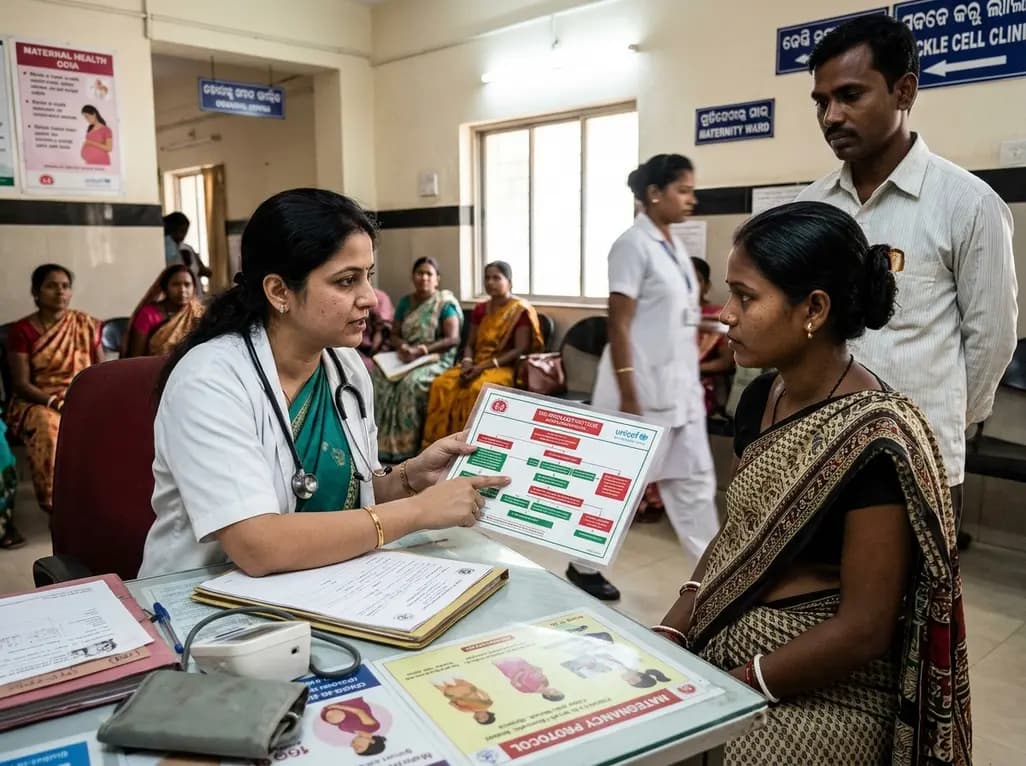
Odisha has established India's first state-level clinical protocol specifically tailored for pregnant women with sickle cell disease. Developed with NHM and UNICEF, the framework provides structured antenatal screening, crisis mitigation, standardized referral pathways, and specialized interdisciplinary care.
Today

India is advancing preventive healthcare by integrating genomics, artificial intelligence, and quantum technologies. With the SANGAM programme sequencing one million Indian genomes, clinicians can unlock personalized therapies, detect cardiometabolic risks early, and curb the burden of diabetes and heart disease.
Today
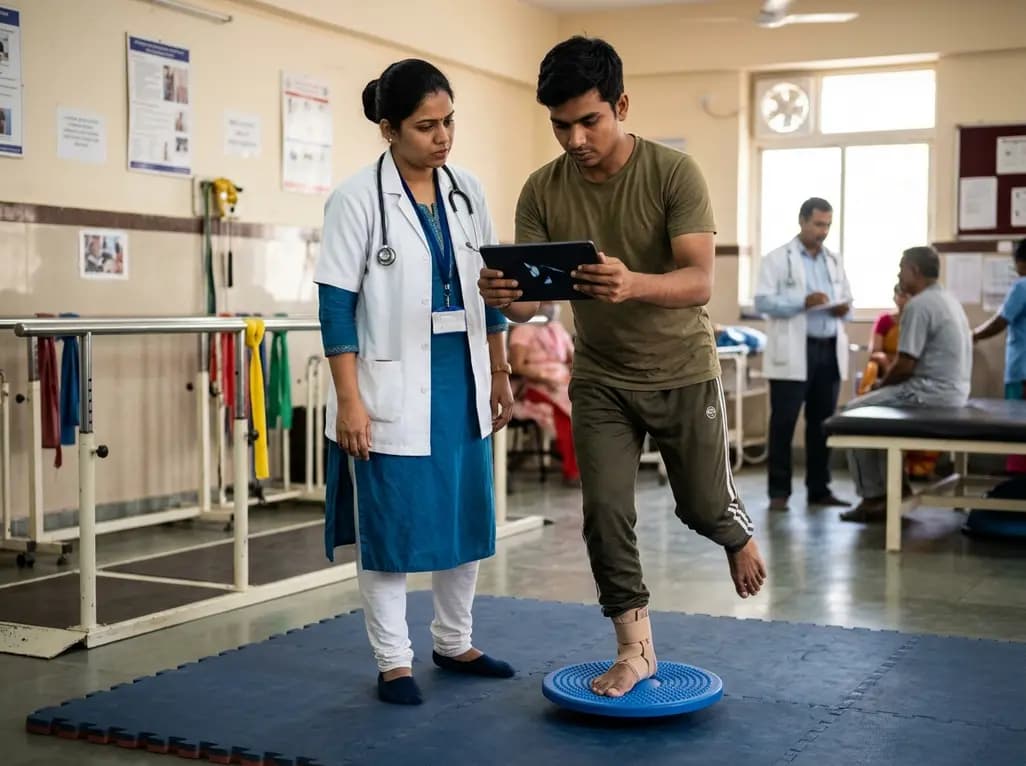
A randomized controlled trial demonstrates that an eight-week dual-task training intervention significantly improves static and dynamic postural control over standard balance exercises in individuals with chronic ankle instability, addressing critical neurocognitive deficits during athletic and daily activities.
Today

A retrospective cohort study of 7,716 ICU patients from the MIMIC-IV database demonstrates that Gradient Boosting Decision Trees significantly outperform traditional SOFA scores in predicting in-hospital mortality among patients with sepsis and diabetes, with SHAP analysis providing clinical interpretability.
Today
