.webp&w=384&q=75)

Loading, please wait...
Loading, please wait...

These hydrogels provide superior adhesion and mechanical strength, allowing them to seal wounds even under high arterial pressure where standard sealants might fail.
They offer low electrical impedance and excellent tissue compliance, which ensures stable long-term monitoring and reduces motion artifacts in wearable or implantable devices.
Mesoscale organization governs how the gel domains interact, directly influencing emergent properties like toughness, fatigue resistance, and the ability to respond to external stimuli.
Disclaimer: This content is for informational and educational purposes only and does not constitute medical advice or a professional relationship between the reader and the author or publisher. While we strive for accuracy, the rapidly evolving nature of medical research means that some information may change. Always consult with a qualified healthcare professional for medical diagnosis, treatment, or before making any changes to your health regimen. Refer to the latest local and national guidelines for clinical practice.
References
Shao Y et al. Harnessing Phase Separation for the Development of High-Performance Hydrogels. Adv Sci (Weinh). 2026 Mar 02. doi: 10.1002/advs.202600032. PMID: 41766618.
Hu Y et al. Hydrogels of arrested phase separation simultaneously achieve high strength and low hysteresis. Sci Adv. 2023 Jun 30;9(26):eadh7742. doi: 10.1126/sciadv.adh7742.
Li J et al. Adhesive hydrogels for bioelectronics. Advanced Science. 2026 Jan 30. doi: 10.1002/advs.202500001.

Read summarized clinical updates, watch expert medical content, and earn CME certifications right from your smartphone.
Open your smartphone camera to scan and install.





Phase-separated hydrogels offer superior toughness and adhesion for medical use, from hemostatic sealants to low-impedance bioelectronics....
7 months ago
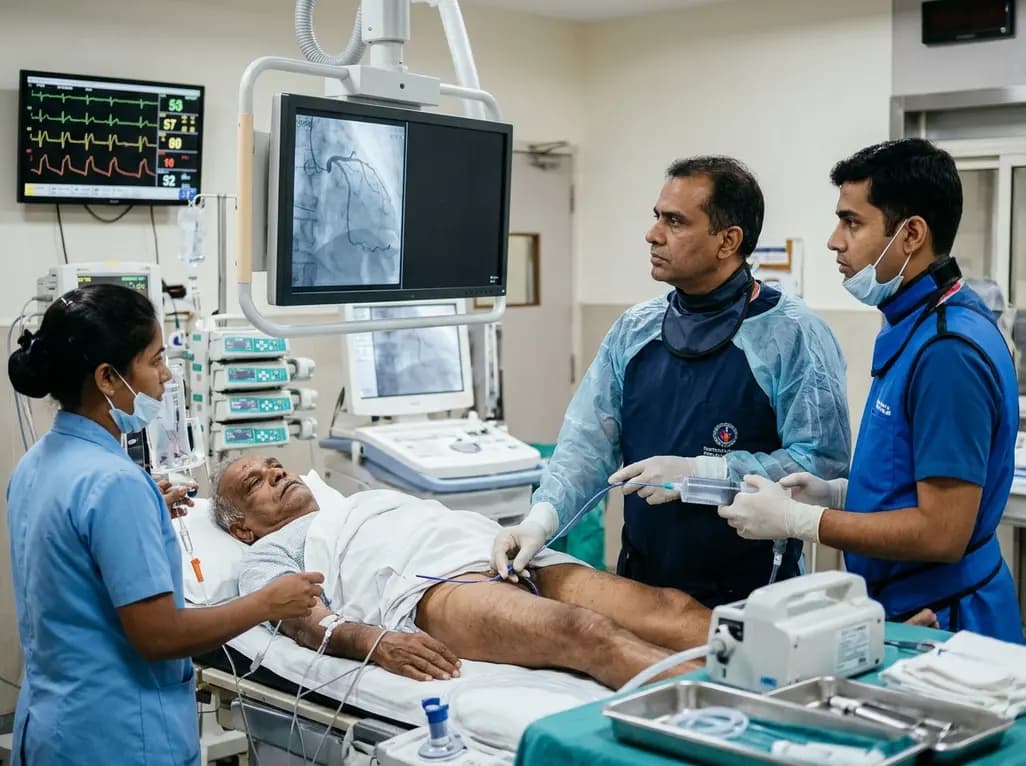
An elderly man with partially repaired Tetralogy of Fallot presented with STEMI caused by coronary embolism rather than atherosclerosis. Successful treatment with sustained mechanical aspiration thrombectomy underscores the vital need for high clinical vigilance in adult congenital heart disease.
Today

Demanding exhaustive hormonal profiling can inadvertently discourage clinical studies involving females. Methodological standards must align with the specific scientific question to expand, not restrict, equitable evidence for women.
Today

A recent study demonstrates that spinal oxygen sensors do not require mitochondrial electron transport to trigger sympathetic excitation during acute hypoxia, revealing new insights into how mitochondrial oxidative stress modulates autonomic tone in cardiovascular and neurological diseases.
Today

A novel calcium polyphosphate coacervate enables injectable bone implants with in situ hierarchical porosity via phase separation and gas foaming, significantly enhancing cell proliferation, energy metabolism, and osteogenic differentiation for minimally invasive bone defect repair.
Today

Following regulatory scrutiny from FSSAI regarding promotional representations and lean muscle preservation claims, Dr. Reddy's Laboratories and Nestlé Health Science are currently reviewing the branding and marketing strategy for their joint nutritional supplement Celevida GLP+.
Today
