.webp&w=384&q=75)

Loading, please wait...
Loading, please wait...

Heatwave health resilience is a critical necessity as India braces for an intense summer season. Martin Krause of the United Nations Environment Programme (UNEP) states that access to cooling represents a matter of health and dignity. Because rising temperatures pose severe risks to public health, the 'Beat the Heat' initiative aims to implement sustainable solutions nationwide. Furthermore, experts emphasize that cooling should not remain a privilege for the wealthy. Healthcare providers must recognize that extreme heat disproportionately impacts vulnerable populations, including the elderly and children. Consequently, the focus is shifting toward long-term urban planning and health system preparedness.
Implementing passive cooling can lower indoor temperatures by approximately three degrees Celsius. For example, upgrading roofs with reflective materials and planting urban trees reduces heat stress significantly. Moreover, these strategies can cut energy use by nearly 35 percent without relying on air conditioning. Consequently, integrating these elements into urban planning protects vulnerable groups like outdoor workers and street vendors. Additionally, the Ministry of Health and Family Welfare (MoHFW) recently issued guidelines to manage heat-related illnesses effectively. These guidelines help hospitals standardize the diagnosis of heatstroke and ensure evidence-based medical decisions. Therefore, early warning systems and heat action plans are vital components of modern public health strategy.
The 'Beat the Heat' initiative is a global climate effort launched to accelerate heat resilience in cities worldwide. Currently, 44 Indian cities have joined this movement to turn global ambitions into local actions. In Maharashtra, 30 municipal corporations are already translating political commitments into concrete projects. Furthermore, the Mumbai Metropolitan Region is integrating these strategies into regional planning to mitigate urban heat islands. This initiative focuses on nature-based solutions and efficient cooling technologies to protect citizens. Meanwhile, international grants from the Green Climate Fund support these transitions in developing nations. However, domestic private sector investment remains crucial for achieving large-scale results across India.
Q1: Which populations are most at risk during Indian heatwaves?
The most vulnerable groups include the elderly, children, pregnant women, and outdoor workers who lack formal social protection. People with pre-existing medical conditions also face heightened risks from extreme temperatures.
Q2: What are the primary benefits of passive cooling techniques?
Passive cooling techniques like reflective roofs and natural ventilation can reduce indoor temperatures by 3°C. This reduction lowers the risk of heat-related illnesses and decreases electricity bills by about 35 percent.
Q3: How are Indian cities currently preparing for extreme heat?
Many cities are implementing Heat Action Plans (HAPs) which include early warning systems, cool roof programs, and the establishment of dedicated heatstroke rooms in public health facilities.
Disclaimer: This content is for informational and educational purposes only. It does not constitute medical advice or replace professional judgment. Refer to the latest local and national guidelines for clinical practice.
References

Read summarized clinical updates, watch expert medical content, and earn CME certifications right from your smartphone.
Open your smartphone camera to scan and install.





UNEP emphasizes that cooling is essential for health, not a luxury. Explore passive cooling and heat action plans to protect India's vulnerable populations....
7 months ago

A recent study demonstrates that spinal oxygen sensors do not require mitochondrial electron transport to trigger sympathetic excitation during acute hypoxia, revealing new insights into how mitochondrial oxidative stress modulates autonomic tone in cardiovascular and neurological diseases.
Today
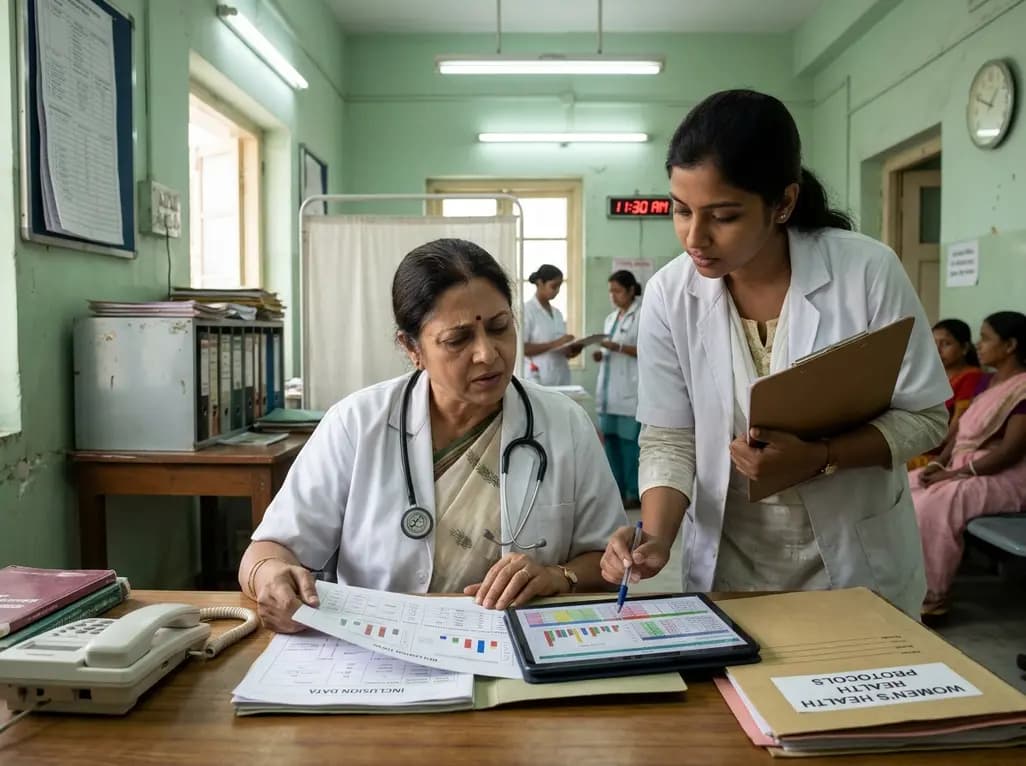
Demanding exhaustive hormonal profiling can inadvertently discourage clinical studies involving females. Methodological standards must align with the specific scientific question to expand, not restrict, equitable evidence for women.
Today

The Directorate General of Health Services directs Indian states to halt the hazardous reuse and reprocessing of single-use medical devices. Discover regulatory implications under the Drugs and Cosmetics Act, critical infection risks, legal liabilities, and operational changes required across clinical specialties.
Today
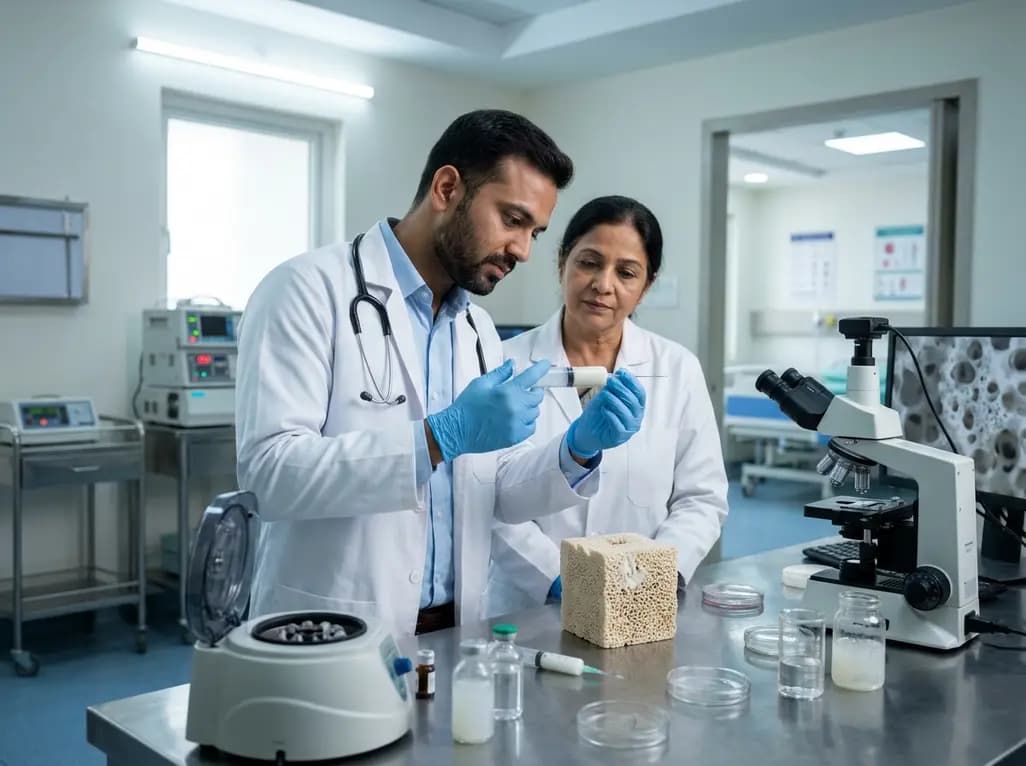
A novel calcium polyphosphate coacervate enables injectable bone implants with in situ hierarchical porosity via phase separation and gas foaming, significantly enhancing cell proliferation, energy metabolism, and osteogenic differentiation for minimally invasive bone defect repair.
Today

Following regulatory scrutiny from FSSAI regarding promotional representations and lean muscle preservation claims, Dr. Reddy's Laboratories and Nestlé Health Science are currently reviewing the branding and marketing strategy for their joint nutritional supplement Celevida GLP+.
Today
