.webp&w=384&q=75)

Loading, please wait...
Loading, please wait...
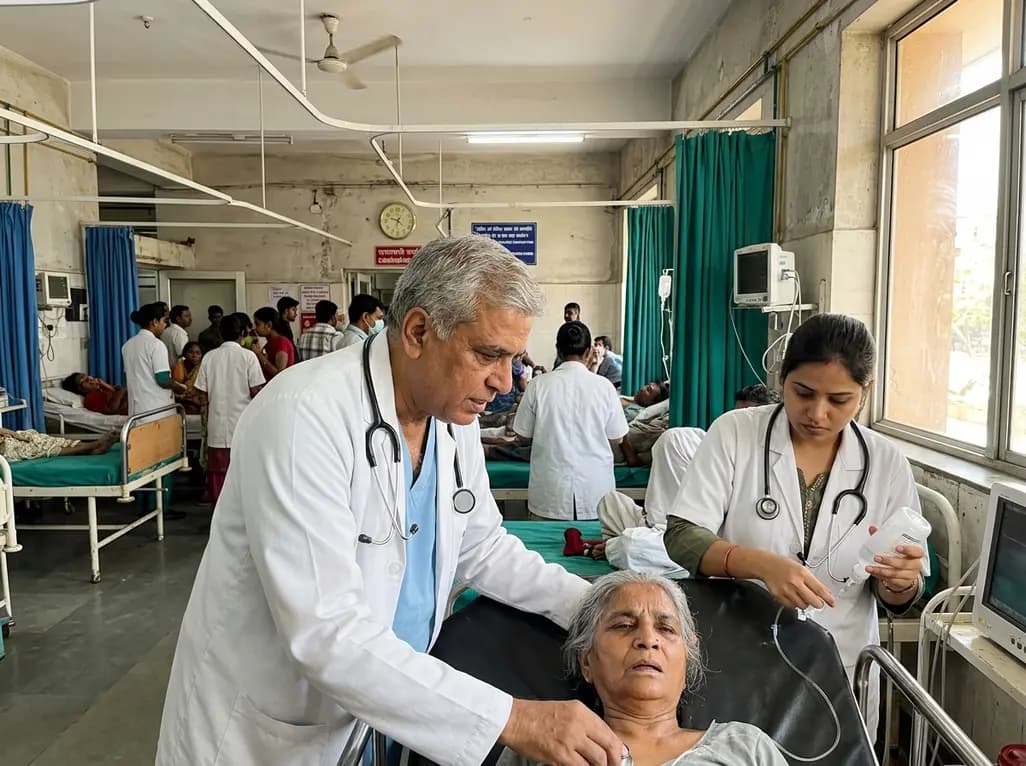
Record-breaking ambient temperatures across Europe have driven a dramatic surge in heat-related deaths, highlighting how environmental hyperthermia severely threatens vulnerable populations. In particular, official health records demonstrate that elevated thermal stress precipitates acute crises across multiple organ systems. Although classic exertional heatstroke represents an unmistakable medical emergency, the vast majority of heat-associated fatalities result from the fatal destabilization of chronic pre-existing medical conditions. Therefore, clinicians in tropical and temperate regions alike must understand these systemic impacts to deliver timely interventions.
When ambient temperatures exceed core physiological thresholds, the human body mobilizes intensive thermoregulatory mechanisms to dissipate thermal energy. Primarily, cutaneous vasodilation redirects significant blood volume toward the peripheral vascular bed to facilitate evaporative cooling. Consequently, this dramatic drop in systemic vascular resistance demands a substantial increase in cardiac output and stroke volume. In healthy individuals, the heart accommodates this increased circulatory load effectively. However, in patients with compromised cardiovascular function, the inability to augment myocardial performance triggers acute coronary ischemia, congestive heart failure, or lethal ventricular arrhythmias. Furthermore, profuse diaphoresis rapidly precipitates hypovolemia and hemoconcentration. This elevated blood viscosity significantly heightens the risk of acute thromboembolic events, including acute myocardial infarction and ischemic stroke. Concurrently, profound intravascular fluid depletion compromises renal perfusion pressure, which leads to prerenal acute kidney injury. In severe cases, extreme hyperthermia induces widespread systemic inflammatory response syndrome and gut barrier breakdown. Therefore, clinicians must recognize that systemic collapse during severe heatwaves rarely stems from pure hyperthermia alone. Instead, multiple compounding pathophysiological pathways accelerate end-organ failure in susceptible patients.
Geriatric patients face the greatest danger during prolonged periods of elevated atmospheric temperatures. For instance, advanced age naturally diminishes thirst perception and impairs autonomic sweat gland responsiveness. Moreover, age-related vascular stiffness blunts normal cutaneous vasodilation, thereby severely limiting effective heat dissipation. Consequently, individuals aged 75 and above account for the vast majority of excess mortalities during heatwaves. In addition, patients suffering from chronic cardiometabolic disorders experience substantial clinical destabilization under thermal stress. Specifically, individuals with type 2 diabetes mellitus often display autonomic neuropathy, which directly impairs peripheral sudomotor axon reflexes. Similarly, patients with chronic kidney disease possess minimal physiological reserve to tolerate acute intravascular dehydration or sudden electrolyte shifts. Neurological impairments, such as dementia or Parkinson disease, further amplify risk by impairing behavioral self-protection and cognitive awareness of thermal discomfort. Furthermore, socioeconomic isolation and substandard housing conditions markedly worsen heat exposure. When patients reside in unventilated living spaces without access to climate control, baseline body temperatures steadily climb over successive days. Therefore, healthcare practitioners must identify these high-risk clinical profiles early to prevent severe morbidity.
A wide spectrum of standard pharmaceutical agents directly compromises physiological thermoregulation and fluid homeostasis during periods of extreme heat. For example, loop and thiazide diuretics accelerate fluid depletion, thereby precipitating severe prerenal azotemia and life-threatening electrolyte disturbances. Similarly, angiotensin-converting enzyme inhibitors and angiotensin receptor blockers blunt physiological compensatory vasoconstriction, which increases the risk of profound hypotension and renal hypoperfusion. Moreover, beta-adrenergic antagonists constrain chronotropic and inotropic cardiac responses, preventing the necessary augmentation of cardiac output required for cutaneous heat dissipation. In psychiatric practice, anticholinergic medications and first-generation antipsychotics inhibit peripheral sweat production, which severely impairs evaporative cooling mechanisms. Concurrently, selective serotonin reuptake inhibitors may alter central hypothalamic temperature setpoints and induce inappropriate antidiuretic hormone secretion. Furthermore, common nonsteroidal anti-inflammatory drugs cause renal afferent arteriolar vasoconstriction, creating substantial nephrotoxic synergy when combined with heat-induced hypovolemia. Therefore, physicians must proactively conduct medication reviews during summer months. In particular, clinicians should consider temporary dose titrations for high-risk patients while avoiding inappropriate cessations. Clear patient counseling regarding hydration and drug interactions remains essential.
Immediate clinical triaging remains vital when evaluating patients presenting with suspected heat-related illnesses in acute care settings. Initially, medical teams must distinguish mild heat exhaustion from life-threatening heatstroke. While heat exhaustion manifests with heavy diaphoresis, lightheadedness, nausea, and tachycardia, classic heatstroke features severe central nervous system dysfunction and profound hyperthermia above 40 degrees Celsius. Therefore, providers must immediately measure core body temperature via rectal thermometry rather than unreliable axillary or tympanic devices. Once heatstroke is suspected, rapid cooling takes absolute clinical priority over diagnostic investigations. Specifically, clinicians should initiate evaporative cooling with cool water mist and continuous convective fanning, or employ whole-body cold-water immersion when available. Simultaneously, clinicians must establish intravenous access to administer isotonic crystalloids, taking care to avoid fluid overload in patients with pre-existing heart failure. In addition, continuous cardiac telemetry is essential to detect malignant arrhythmias triggered by electrolyte abnormalities. Routine laboratory panels should rapidly evaluate serum electrolytes, arterial blood gases, renal function, coagulation parameters, and creatine kinase levels. Consequently, rapid intervention prevents irreversible neurological injury and catastrophic disseminated intravascular coagulation.
Healthcare facilities and long-term care institutions must implement rigorous heat-health action protocols to safeguard hospitalized patients and healthcare personnel. Historically, many older clinical facilities lack dedicated climate control, allowing indoor temperatures to match or exceed dangerous outdoor thresholds. Consequently, fragile inpatients develop secondary hyperthermia, which escalates length of stay and inpatient mortality. Therefore, hospital administrators must allocate dedicated capital investments toward active air conditioning, architectural shading, and enhanced indoor airflow systems. Furthermore, clinical leadership should establish institutional surveillance algorithms that trigger specialized clinical pathways whenever ambient temperature forecasts surpass local safety thresholds. During these heat alert periods, nursing teams must increase the frequency of vital sign checks and hydration assessments. In particular, fluid balance monitoring should become standard for all geriatric, diabetic, and nephrology inpatients. Additionally, institutional pharmacy departments must monitor environmental storage conditions, because excessive ambient heat degrades essential pharmaceuticals, intravenous solutions, and diagnostic testing strips. Finally, occupational health divisions must mandate structured rest intervals and active cooling breaks for clinical staff, ensuring operational continuity during extended heatwaves.
Beyond hospital walls, medical professionals play an indispensable role in community-level advocacy and patient education. Primary care physicians should routinely discuss environmental heat management during routine outpatient visits prior to summer seasons. Specifically, clinicians must advise patients to maintain adequate oral hydration, seek air-conditioned community shelters, and avoid strenuous outdoor exertion during peak solar hours. Furthermore, urban healthcare networks should collaborate with municipal authorities to implement targeted outreach programs for isolated older adults. For example, community health workers can conduct regular welfare checks, verify home cooling capabilities, and reinforce medication compliance among vulnerable residents. In addition, healthcare systems should advocate for structural climate adaptation policies, such as expanding urban green cover and revising municipal building insulation codes. Ultimately, mitigating climate-induced mortality requires a coordinated public health paradigm that links clinical vigilance with community infrastructure resilience. By combining proactive clinical reviews with robust public health messaging, medical providers can substantially reduce preventable excess mortality during extreme weather events.
Q1: Why do heatwaves cause far more indirect cardiovascular deaths than classic heatstrokes?
Thermal stress forces significant peripheral vasodilation to dissipate heat, which substantially drops systemic vascular resistance and elevates myocardial workload. For patients with pre-existing coronary artery disease or heart failure, this increased circulatory strain can trigger fatal myocardial infarctions, decompensated heart failure, or lethal cardiac arrhythmias before core temperatures reach heatstroke levels.
Q2: Which routine medications require careful clinical review during prolonged heatwaves?
Clinicians should carefully review diuretics, antihypertensive agents, anticholinergics, psychotropic drugs, and nonsteroidal anti-inflammatory drugs during severe heat events. Specifically, diuretics and renin-angiotensin blockers heighten dehydration and acute renal impairment risks. Meanwhile, beta-blockers prevent adaptive cardiac output increases, anticholinergics suppress sweating, and nonsteroidal anti-inflammatory drugs worsen prerenal failure in hypovolemic patients.
Q3: What are the primary diagnostic indicators that distinguish heat exhaustion from heatstroke?
Heat exhaustion is characterized by heavy sweating, dizziness, headache, and peripheral vasodilation with an intact neurological status and core temperature usually under 40 degrees Celsius. Conversely, heatstroke constitutes a critical medical emergency marked by profound central nervous system dysfunction, such as delirium, encephalopathy, seizures, or coma, alongside severe hyperthermia exceeding 40 degrees Celsius.
Disclaimer: This content is for informational and educational purposes only. It does not constitute medical advice or replace professional judgment. Refer to the latest local and national guidelines for clinical practice.
References

Read summarized clinical updates, watch expert medical content, and earn CME certifications right from your smartphone.
Open your smartphone camera to scan and install.





Recent European data reveals a sharp rise in heatwave mortality, primarily impacting older adults with chronic illnesses. This clinical brief outlines the underlying pathophysiology, high-risk comorbidities, pharmacotherapy adjustments, and critical inpatient cooling protocols to mitigate severe heat-related harm.
last month

Pancreatic cancer cachexia affects over 80% of patients, driving severe muscle wasting, systemic inflammation, and treatment intolerance. This review highlights key pathophysiological drivers, exocrine insufficiency, objective CT imaging, and emerging therapies like GDF-15 inhibitors to improve clinical outcomes.
Today

A scoping review reveals how pregnancy affects phonation through laryngeal edema and reduced phonation time rather than major acoustic pitch alterations. Learn how to identify, evaluate, and manage vocal symptoms in expectant mothers.
Today
According to WHO data, average lifespan reached 73.3 years in 2023, recovering from pandemic lows. However, healthy life expectancy lags at 62.8 years due to surging noncommunicable conditions like cardiovascular disease and dementia, demanding proactive primary screening and sustained chronic care.
Today
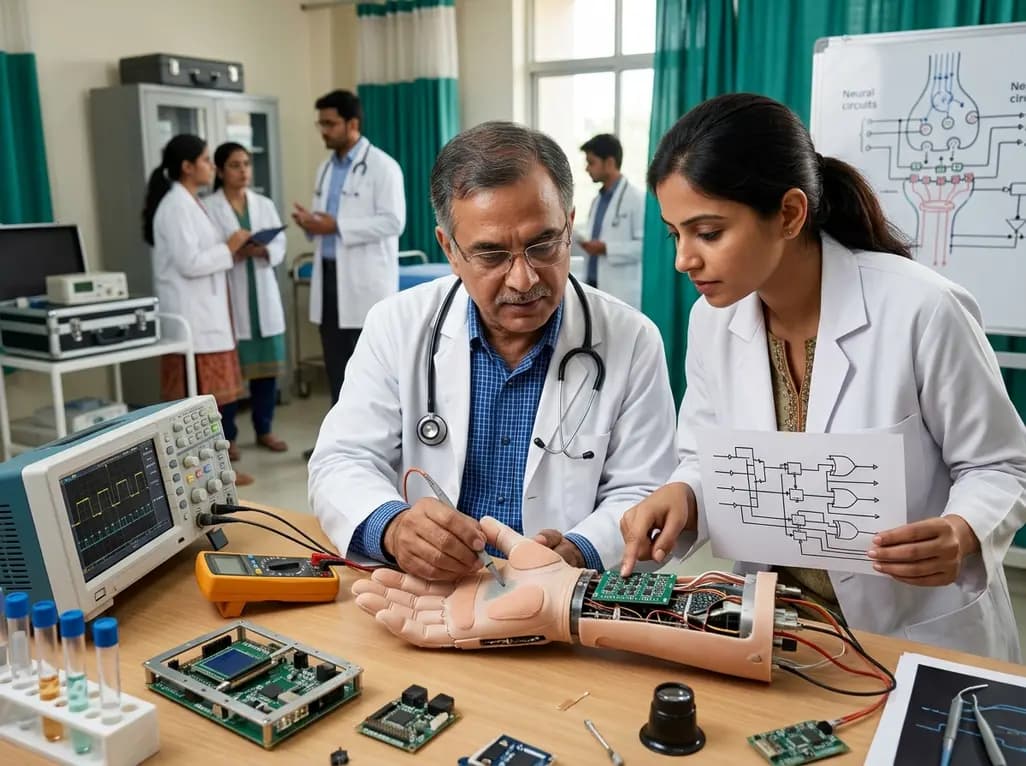
Researchers have engineered an artificial sensory-pain integrated receptor using a multi-threshold organic synaptic transistor. The system distinguishes benign touch from noxious stimuli, enabling safer, more responsive prosthetic limbs with built-in memory and simplified hardware architecture.
Today

Medical robotics is transitioning beyond operative suites into diagnostics, cardiology, and endocrinology. Explore how innovations in tele-robotics, AI integration, and nanomedicine are overcoming geographical barriers and transforming precision healthcare delivery across India's evolving disease landscape.
Today
