.webp&w=384&q=75)

Loading, please wait...
Loading, please wait...
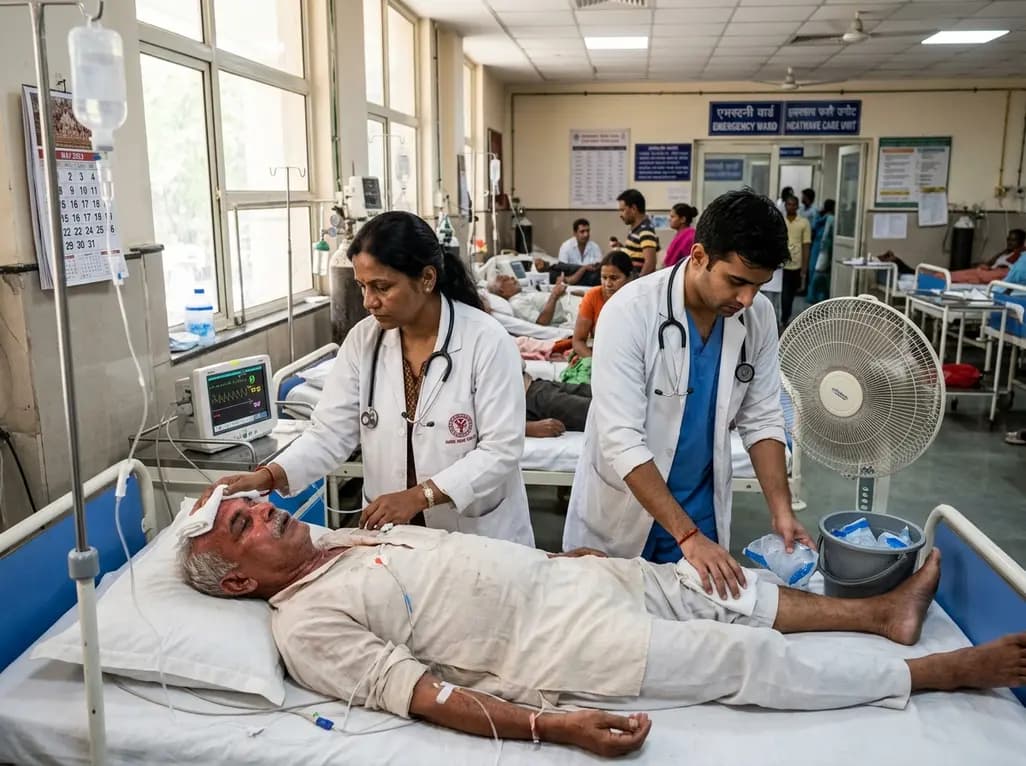
Recent epidemiological surveillance underscores the growing threat of global heatwaves on public health. Official registry data indicates that heat-related deaths surged significantly during peak summer months, resulting in thousands of excess fatalities. Environmental thermal stress strains public health infrastructure and challenges clinical practice. While classical heatstroke represents an obvious medical emergency, the vast majority of fatal outcomes stem from the severe exacerbation of pre-existing chronic conditions. Consequently, healthcare professionals must recognize early physiological warning signs, understand cardiovascular and renal mechanisms, and deliver proactive medical counseling to protect vulnerable patients.
Extreme environmental heat forces the human body to engage rigorous thermoregulatory countermeasures to maintain core thermal homeostasis. The primary physiological mechanisms for heat dissipation involve cutaneous vasodilation and increased sweat production. Cutaneous vasodilation redistributes a substantial fraction of cardiac output toward peripheral capillary beds. Consequently, the cardiovascular system must significantly increase stroke volume and heart rate to maintain central perfusion pressure. This intense demand creates massive cardiac strain, especially in patients with underlying ischemic heart disease, heart failure, or severe hypertension.
Furthermore, persistent profuse sweating leads to rapid intravascular volume depletion, severe hemoconcentration, and progressive electrolyte derangements. Dehydration increases blood viscosity, thereby elevating the risk of acute coronary syndromes, cerebral infarctions, and venous thromboembolism. Additionally, renal perfusion drops as the body attempts to conserve core vascular volume. This reduction frequently precipitates acute kidney injury or accelerates chronic kidney disease progression. When thermoregulatory capacity fails entirely, systemic inflammatory cascades trigger endothelial injury, cellular hyperthermia, and multiorgan failure.
Certain patient groups demonstrate distinct physiological and demographic susceptibility to severe heat stress. Geriatric individuals represent the most vulnerable demographic due to diminished baroreceptor sensitivity, impaired thirst sensation, and reduced sweat gland density. In addition, older adults frequently live alone, which hampers timely intervention during sudden functional decline. Therefore, clinicians must maintain heightened vigilance when assessing elderly patients during prolonged periods of high ambient temperature.
Moreover, patients with multimorbidity face compounding biological hazards during thermal extremes. Individuals with chronic cardiovascular disorders, chronic obstructive pulmonary disease, diabetes mellitus, and established renal impairment display markedly lower heat tolerance. Pediatric patients and pregnant women also exhibit distinct thermoregulatory vulnerabilities that require close clinical observation. In addition to biological factors, socioeconomic determinants profoundly affect clinical risk. Patients without access to effective indoor cooling, adequate hydration, or social support networks suffer the highest rates of heat decompensation.
Pharmacotherapy plays an essential yet frequently overlooked role in predisposing patients to thermal injury. Many common cardiovascular and psychiatric medications directly interfere with natural thermoregulation or worsen dehydration. For example, diuretics accelerate fluid loss and promote dangerous electrolyte imbalances such as hyponatremia and hypokalemia. Similarly, beta-blockers limit compensatory heart rate increases, which restricts maximum cutaneous blood flow during extreme heat exposure.
Angiotensin-converting enzyme inhibitors and angiotensin receptor blockers can blunt normal thirst reflexes and impair renal autoregulation under hypovolemic conditions. Furthermore, anticholinergic agents, tricyclic antidepressants, and first-generation antipsychotics inhibit peripheral sweat production, which severely limits evaporative heat loss. Consequently, clinicians should conduct structured summer medication reviews for all high-risk chronic disease patients. Adjusting diuretic dosages, reinforcing fluid monitoring, and providing specific pharmacological education can avert life-threatening hospital admissions during severe heat events.
Primary care and emergency clinicians must rapidly differentiate between mild heat exhaustion and life-threatening heatstroke. Heat exhaustion typically presents with heavy diaphoresis, lightheadedness, nausea, muscle cramping, tachycardia, and a normal neurological examination. Conversely, heatstroke is defined by severe hyperthermia, usually with a core body temperature exceeding forty degrees Celsius, accompanied by profound central nervous system dysfunction such as delirium, seizures, ataxia, or coma.
When clinicians suspect heatstroke, immediate aggressive whole-body cooling takes precedence over diagnostic imaging or transport delays. Cold-water immersion remains the gold standard cooling modality, providing rapid reduction of elevated core temperatures. Alternatively, staff should apply evaporative cooling techniques with misting fans and strategically placed ice packs over major axial vessels. Meanwhile, clinicians must administer cautious intravenous isotonic crystalloid fluid resuscitation, avoiding excessive fluid overload in patients with pre-existing heart failure. Continuous rectal temperature monitoring, serial electrolyte evaluations, and cardiac telemetry ensure safe and effective clinical resuscitation.
Preventing heat-induced complications requires proactive communication between healthcare teams, patients, and caregivers. Physicians should encourage at-risk patients to formulate personalized summer action plans well before temperatures rise. Clinicians must educate patients to stay indoors during peak sunshine hours, wear loose clothing, and utilize cool baths when air conditioning is unavailable. Furthermore, healthcare teams should emphasize regular hydration with balanced fluids rather than relying solely on thirst perception.
Additionally, primary care practices can establish targeted outreach protocols for isolated geriatric patients during municipal heatwave alerts. Teleconsultations, community health worker visits, and automated health reminders can detect early signs of decompensation before critical organ damage occurs. Healthcare institutions should also coordinate closely with public health agencies to disseminate local heat warnings and establish accessible cooling centers. Through early recognition, tailored pharmacotherapy, and comprehensive patient education, healthcare providers can dramatically decrease the preventable burden of extreme environmental temperatures.
Q1: Why do extreme ambient temperatures primarily cause cardiovascular mortality rather than classical heatstroke?
Extreme ambient temperatures force extensive peripheral vasodilation to dissipate internal thermal energy. This circulatory shift significantly increases heart rate and cardiac workload to preserve vital organ perfusion. In patients with underlying coronary artery disease or heart failure, this sudden metabolic strain can trigger myocardial ischemia, malignant arrhythmias, or acute decompensation, leading to fatal cardiovascular events long before core body temperature reaches classical heatstroke thresholds.
Q2: Which routine prescription medications most significantly increase a patient's susceptibility to heat stress?
Diuretics significantly accelerate volume depletion and electrolyte disturbances during hot weather. Antihypertensives, such as beta-blockers, reduce the heart's ability to augment cardiac output for cutaneous vasodilation. Furthermore, medications with anticholinergic properties, including certain antipsychotics, antihistamines, and tricyclic antidepressants, actively suppress sweat gland activity, thereby impairing the body's primary mechanism for evaporative heat dissipation.
Q3: What immediate clinical actions should primary care providers take for an elderly patient presenting with heat exhaustion?
Clinicians must immediately move the patient to a cool, shaded environment and initiate active external cooling with wet towels or fans. They should elevate the patient's lower extremities, provide oral rehydration with balanced electrolyte solutions if the patient is alert, and closely monitor vital signs. If neurological deficits appear or vital signs destabilize, providers must initiate emergency transfer for suspected heatstroke.
Disclaimer: This content is for informational and educational purposes only. It does not constitute medical advice or replace professional judgment. Refer to the latest local and national guidelines for clinical practice.
References

Read summarized clinical updates, watch expert medical content, and earn CME certifications right from your smartphone.
Open your smartphone camera to scan and install.





Surging summer temperatures continue to drive severe spikes in heat-related morbidity and mortality globally. This clinical overview outlines the pathophysiological mechanisms of heat stress, identifies high-risk patient phenotypes, and provides actionable management strategies for ambulatory and acute healthcare.
4 weeks back

Pancreatic cancer cachexia affects over 80% of patients, driving severe muscle wasting, systemic inflammation, and treatment intolerance. This review highlights key pathophysiological drivers, exocrine insufficiency, objective CT imaging, and emerging therapies like GDF-15 inhibitors to improve clinical outcomes.
Today

A scoping review reveals how pregnancy affects phonation through laryngeal edema and reduced phonation time rather than major acoustic pitch alterations. Learn how to identify, evaluate, and manage vocal symptoms in expectant mothers.
Today
According to WHO data, average lifespan reached 73.3 years in 2023, recovering from pandemic lows. However, healthy life expectancy lags at 62.8 years due to surging noncommunicable conditions like cardiovascular disease and dementia, demanding proactive primary screening and sustained chronic care.
Today
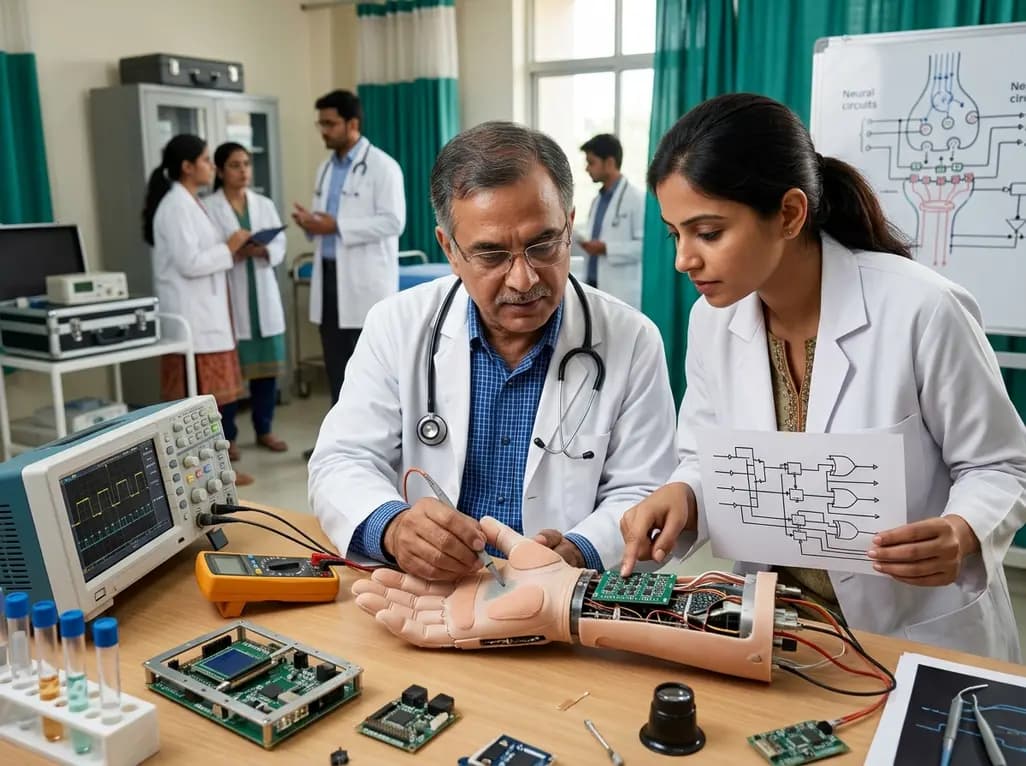
Researchers have engineered an artificial sensory-pain integrated receptor using a multi-threshold organic synaptic transistor. The system distinguishes benign touch from noxious stimuli, enabling safer, more responsive prosthetic limbs with built-in memory and simplified hardware architecture.
Today
Medical robotics is transitioning beyond operative suites into diagnostics, cardiology, and endocrinology. Explore how innovations in tele-robotics, AI integration, and nanomedicine are overcoming geographical barriers and transforming precision healthcare delivery across India's evolving disease landscape.
Today
