.webp&w=384&q=75)

Loading, please wait...
Loading, please wait...

Currently, recent research highlights how heat and male births are interconnected in a warming world. Specifically, scientists at the UK’s University of Oxford analyzed over five million births across India and sub-Saharan Africa. Notably, they discovered that exposure to extreme temperatures significantly influences human reproduction and demographic compositions.
The study suggests that ambient heat increases prenatal mortality, specifically among male fetuses. In sub-Saharan Africa, researchers observed this decline during the first trimester of pregnancy. Consequently, this indicates that early-stage fetal survival is highly sensitive to external thermal stress. Moreover, the biological vulnerability of male embryos often makes them more susceptible to environmental shifts than female embryos.
In India, the effects of high temperatures appear later in the gestational period. Specifically, the second trimester shows a stronger link between heat and fewer male births. This trend is particularly evident among older mothers and women in northern states. Furthermore, extreme heat seems to influence family planning behaviors in regions with high son preference. Therefore, temperature changes may temporarily narrow gender imbalances by reducing the frequency of sex-selective abortions.
Q1: How does extreme heat affect the sex ratio at birth?
Extreme heat can increase prenatal mortality, which researchers found happens more frequently in male fetuses. This leads to a decline in the number of male babies born compared to females.
Q2: When is heat exposure most critical during pregnancy?
The critical window varies by region. In sub-Saharan Africa, the first trimester is most sensitive. In India, the study found the second trimester to be the most impactful period regarding male birth ratios.
Disclaimer: This content is for informational and educational purposes only. It does not constitute medical advice or replace professional judgment. Refer to the latest local and national guidelines for clinical practice.
References

Read summarized clinical updates, watch expert medical content, and earn CME certifications right from your smartphone.
Open your smartphone camera to scan and install.





A study by Oxford researchers links extreme heat exposure during pregnancy to a decline in male births in India and sub-Saharan Africa, impacting sex ratios...
6 months ago

Recent findings from the VESUVE study demonstrate that brain MRI detects intracranial lesions in over 76% of patients with infective endocarditis. Acute ischemic stroke and subarachnoid hemorrhage independently elevate six-month mortality, underscoring the critical prognostic utility of neuroimaging.
Today
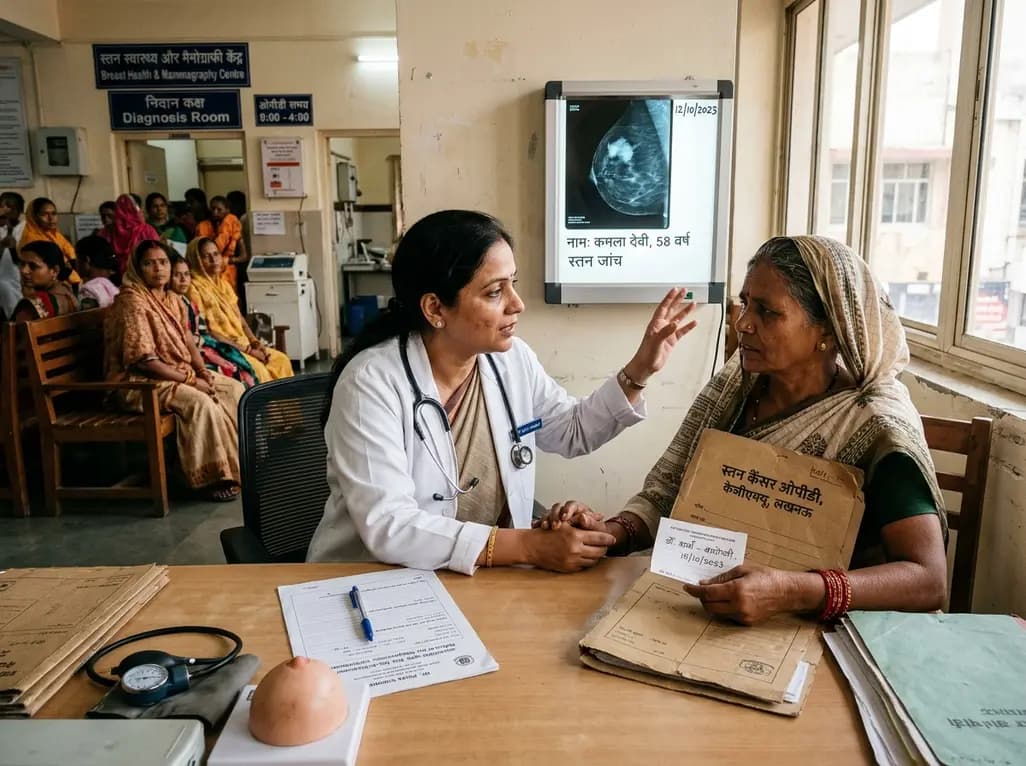
A KGMU study reveals over half of women with breast abnormalities fail to undergo diagnostic confirmation, leading to advanced-stage detection. Discover the socio-cultural barriers, clinical risks of incomplete resection, and community-level solutions needed to bridge the critical screening-to-diagnosis gap in India.
Yesterday

A controlled evaluation reveals that AI raters in clinical LLM benchmarking disagree significantly due to divergent scoring models, challenging automated healthcare AI validation.
Today
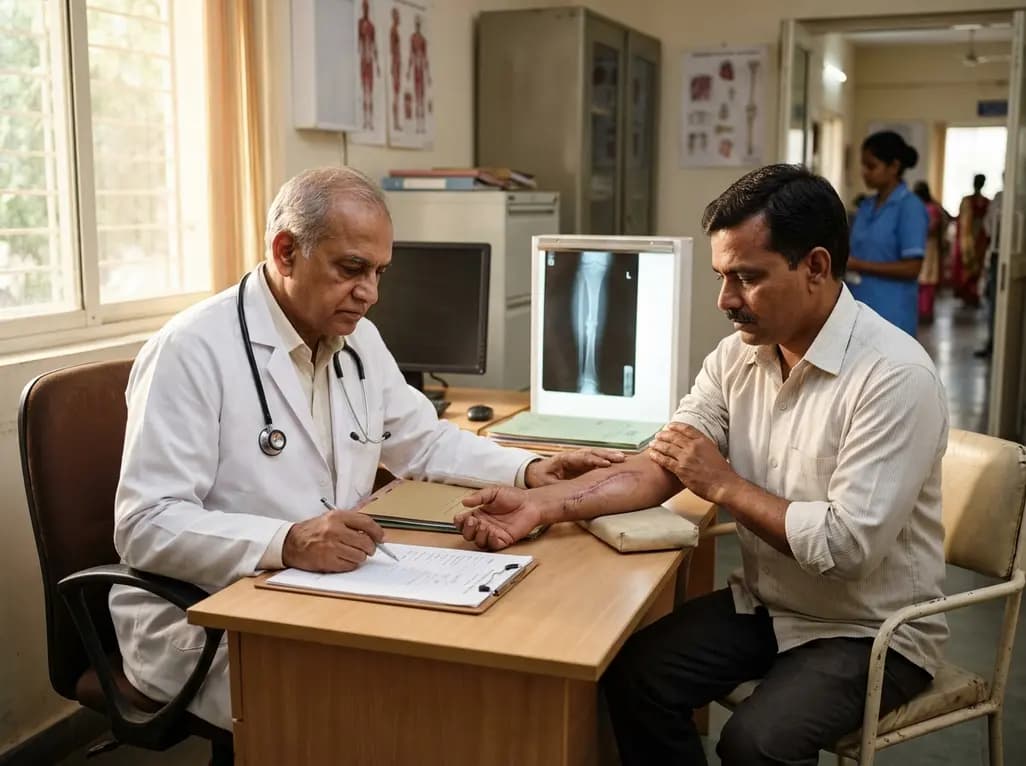
A phase I/II trial evaluated E. coli-derived rhBMP-2 combined with beta-tricalcium phosphate for long-bone nonunion. The combination demonstrated high radiographic union, functional limb recovery, undetectable systemic absorption, and transient antibody formation without clinical adverse events.
Today

A meta-analysis of 18 studies reveals that bariatric surgery does not significantly alter circulating homocysteine levels, regardless of follow-up duration. Clinicians must maintain vigilance over post-surgical micronutrient supplementation to prevent hyperhomocysteinemia.
Today
