

Loading, please wait...
Loading, please wait...

JAK2 mutations promote a pro-inflammatory environment and alter blood rheology, which increases the likelihood of microvascular dysfunction and thrombotic complications, directly contributing to heart failure progression.
Standard echocardiography often misses early myocardial strain. Advanced tools like global longitudinal strain (GLS) and CMR tissue characterization provide a more nuanced understanding of subclinical damage before the ejection fraction drops.
The score integrates cardiac biomarkers (natriuretic peptides/troponins), validated HF risk scores, MPN driver mutations, blood counts (leukocytosis/thrombocytosis), and LDH levels to stratify risk levels.
Disclaimer: This content is for informational and educational purposes only and does not constitute medical advice. Always seek the advice of a qualified healthcare provider regarding any medical condition. Refer to the latest local and national guidelines for clinical practice.
References
1. Muraretu IR et al. Diagnostic and prognostic biomarkers in heart failure and myeloproliferative neoplasms: clinical applications and risk scores - a narrative review. Cardiooncology. 2026 Jun 06. doi: 10.1186/s40959-026-00518-7. PMID: 42251458.
2. Leiva O, et al. Cardiovascular Disease in Myeloproliferative Neoplasms: JACC: CardioOncology State-of-the-Art Review. JACC CardioOncol. 2022;4(2):161-182.
3. Lyon AR, et al. 2022 ESC Guidelines on cardio-oncology developed in collaboration with the European Hematology Association (EHA). Eur Heart J. 2022;43(41):4229-4361.
"
Read summarized clinical updates, watch expert medical content, and earn CME certifications right from your smartphone.
Open your smartphone camera to scan and install.





A review of biomarkers and risk scores for patients with heart failure and myeloproliferative neoplasms, proposing a new hybrid 0-8 point assessment framewo...
4 months ago
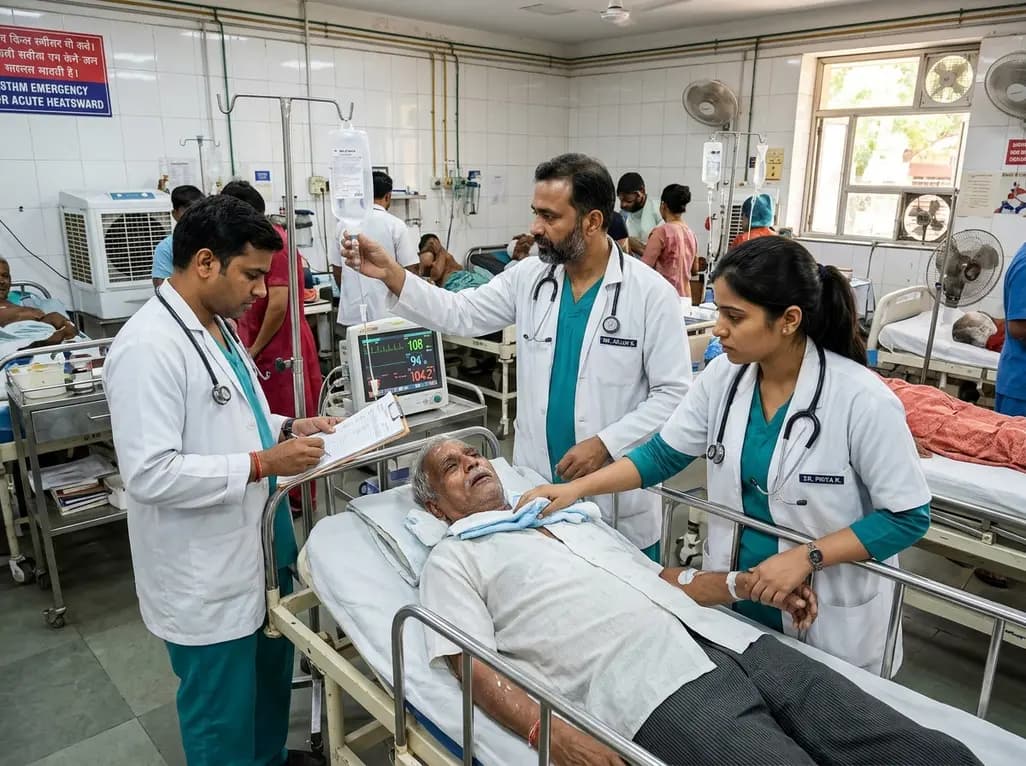
Recent epidemiological data reveals a dramatic surge in summer heat mortality driven by human-induced climate warming. This analysis explores the pathophysiological impacts on cardiac and renal systems, diagnostic dilemmas in death certification, and essential emergency cooling protocols for acute clinical care.
Today
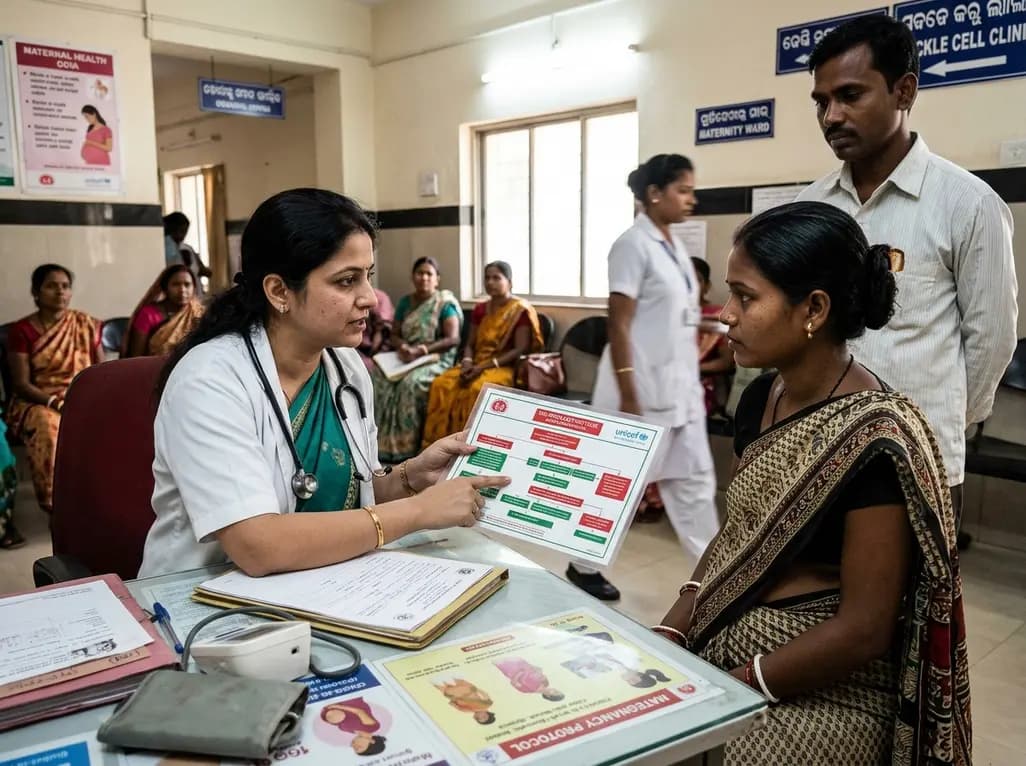
Odisha has established India's first state-level clinical protocol specifically tailored for pregnant women with sickle cell disease. Developed with NHM and UNICEF, the framework provides structured antenatal screening, crisis mitigation, standardized referral pathways, and specialized interdisciplinary care.
Today
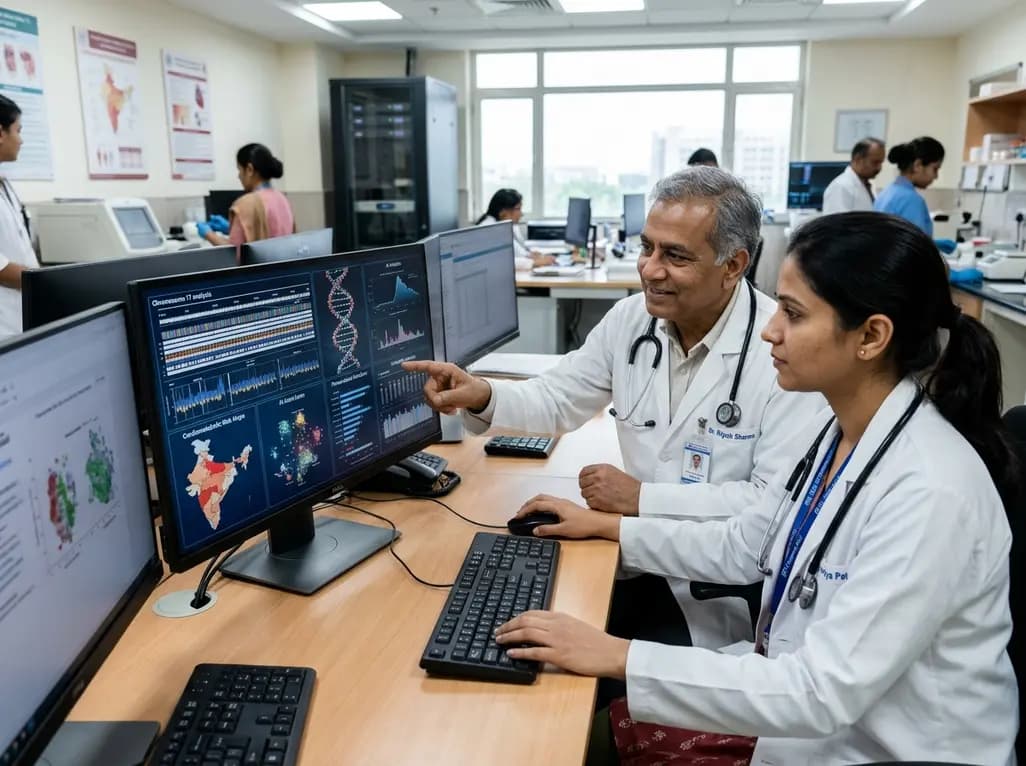
India is advancing preventive healthcare by integrating genomics, artificial intelligence, and quantum technologies. With the SANGAM programme sequencing one million Indian genomes, clinicians can unlock personalized therapies, detect cardiometabolic risks early, and curb the burden of diabetes and heart disease.
Today
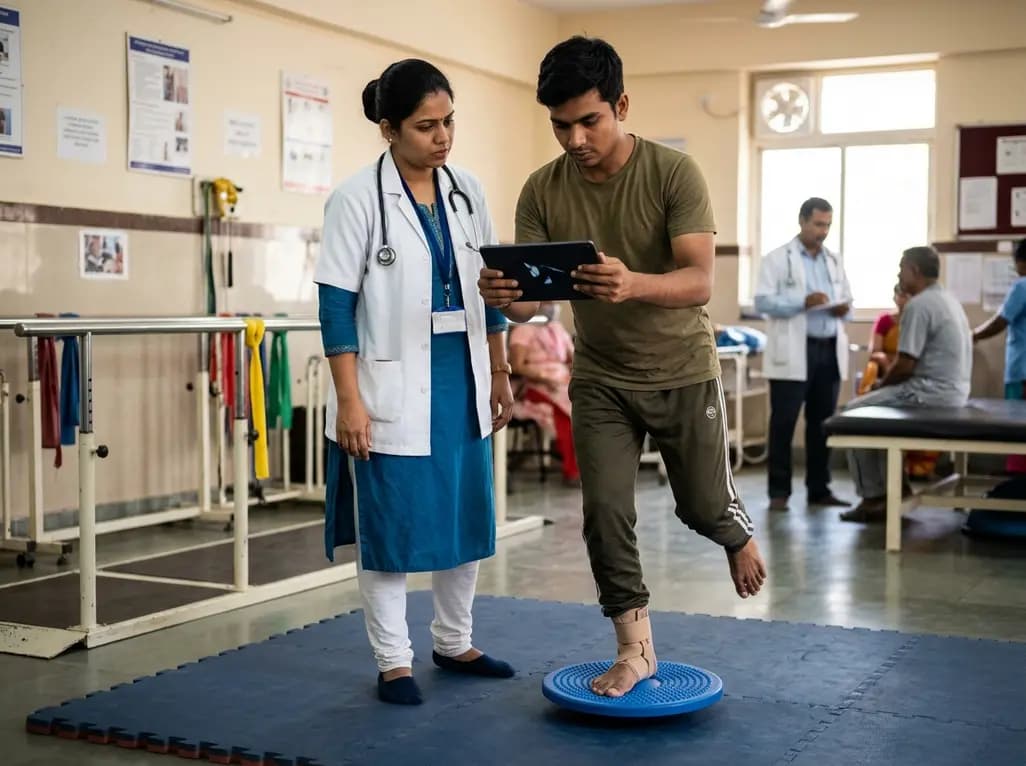
A randomized controlled trial demonstrates that an eight-week dual-task training intervention significantly improves static and dynamic postural control over standard balance exercises in individuals with chronic ankle instability, addressing critical neurocognitive deficits during athletic and daily activities.
Today
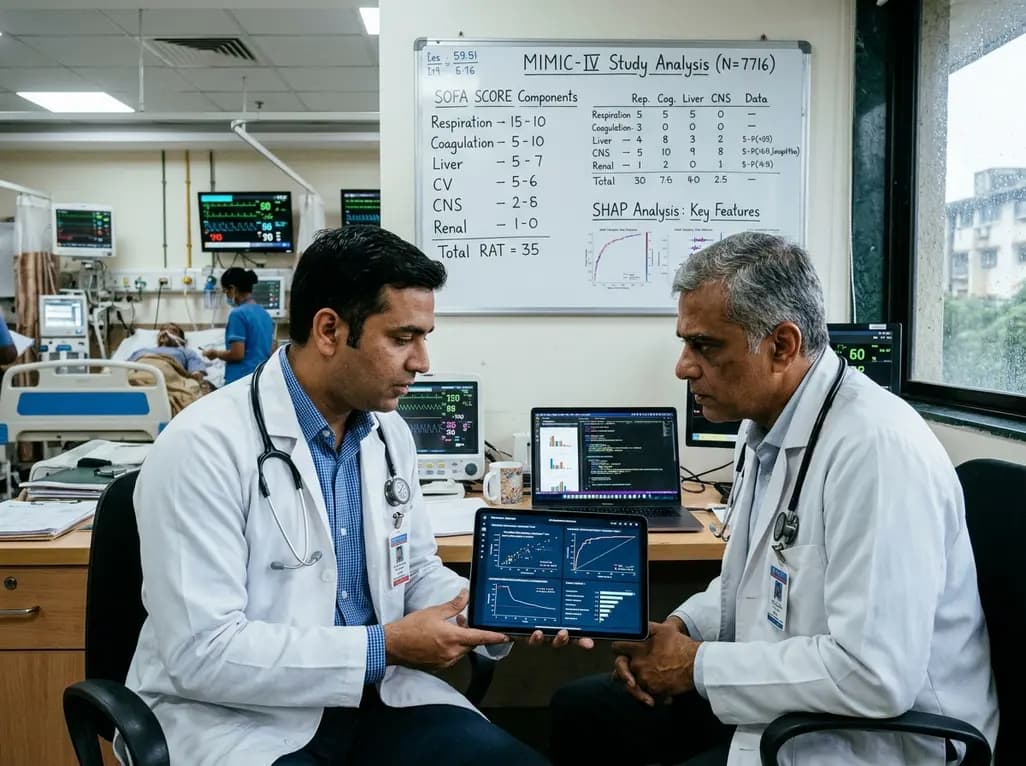
A retrospective cohort study of 7,716 ICU patients from the MIMIC-IV database demonstrates that Gradient Boosting Decision Trees significantly outperform traditional SOFA scores in predicting in-hospital mortality among patients with sepsis and diabetes, with SHAP analysis providing clinical interpretability.
Today
