.webp&w=384&q=75)

Loading, please wait...
Loading, please wait...

New research underscores the vital connection between healthy diets and mental health in low- and middle-income countries (LMICs). This massive meta-analysis involved over 600,000 individuals across 23 nations. It provides compelling evidence that nutrition influences psychological well-being. Specifically, high-quality diets are associated with a reduction in common mental health symptoms. Consequently, the findings suggest that nutrition is a key modifiable risk factor for psychiatric care.
The study analyzed 83 eligible reports from countries including India, Iran, and China. Researchers measured the impact of diet on depression, anxiety, and stress. Moreover, the results showed Standardized Mean Differences (SMD) favoring healthy diets across all categories. Specifically, depression scores improved by -0.29, while anxiety and stress improved by -0.25 and -0.24 respectively. These findings remained robust even after adjusting for socio-economic status. Furthermore, the magnitude of the effect was consistent regardless of the specific dietary indices or diagnostic tools used.
Most previous nutritional psychiatry research focused on high-income western nations. However, this synthesis shifts the focus to regions where health burdens are most prevalent. In India, where mental health resources are often limited, dietary interventions offer a scalable solution. Therefore, primary care physicians should consider nutrition as a frontline adjunct to standard therapy. Because the associations are robust across different income strata, the potential public health impact is immense. Additionally, focusing on whole-food patterns rather than single nutrients appears most effective.
The meta-analysis highlights that healthy eating patterns reduce inflammation and oxidative stress. These biological pathways are closely linked to mood disorders. However, researchers noted a lack of longitudinal data from very low-income settings. This gap identifies a critical need for future intervention trials. Nevertheless, current evidence is sufficient to justify integrated dietary and mental health programming. Integrating these services could significantly improve outcomes for vulnerable populations worldwide.
The meta-analysis indicates that healthy eating patterns significantly reduce symptoms of depression, anxiety, and stress. The strongest association was observed with depressive symptoms, showing a consistent improvement across various LMIC populations.
Yes, India is a prominent low- and middle-income country where these findings are highly applicable. Given the high prevalence of nutritional deficiencies and mental health disorders in India, dietary improvements could serve as a valuable tool for clinicians.
Healthy diets were identified using validated indices like the Mediterranean diet score or factor-analytic methods. Generally, these patterns focus on high consumption of vegetables, fruits, whole grains, and lean proteins, while limiting ultra-processed foods and refined sugars.
Disclaimer: This content is for informational and educational purposes only. It does not constitute professional medical advice, diagnosis, or treatment. Always seek the advice of your physician or other qualified health provider with any questions you may have regarding a medical condition. Refer to the latest local and national guidelines for clinical practice.
References

Read summarized clinical updates, watch expert medical content, and earn CME certifications right from your smartphone.
Open your smartphone camera to scan and install.





A meta-analysis of 633,317 individuals across 23 LMICs reveals that healthy diets are consistently linked to lower levels of depression, anxiety, and stress...
4 months ago

A recent study demonstrates that spinal oxygen sensors do not require mitochondrial electron transport to trigger sympathetic excitation during acute hypoxia, revealing new insights into how mitochondrial oxidative stress modulates autonomic tone in cardiovascular and neurological diseases.
Today
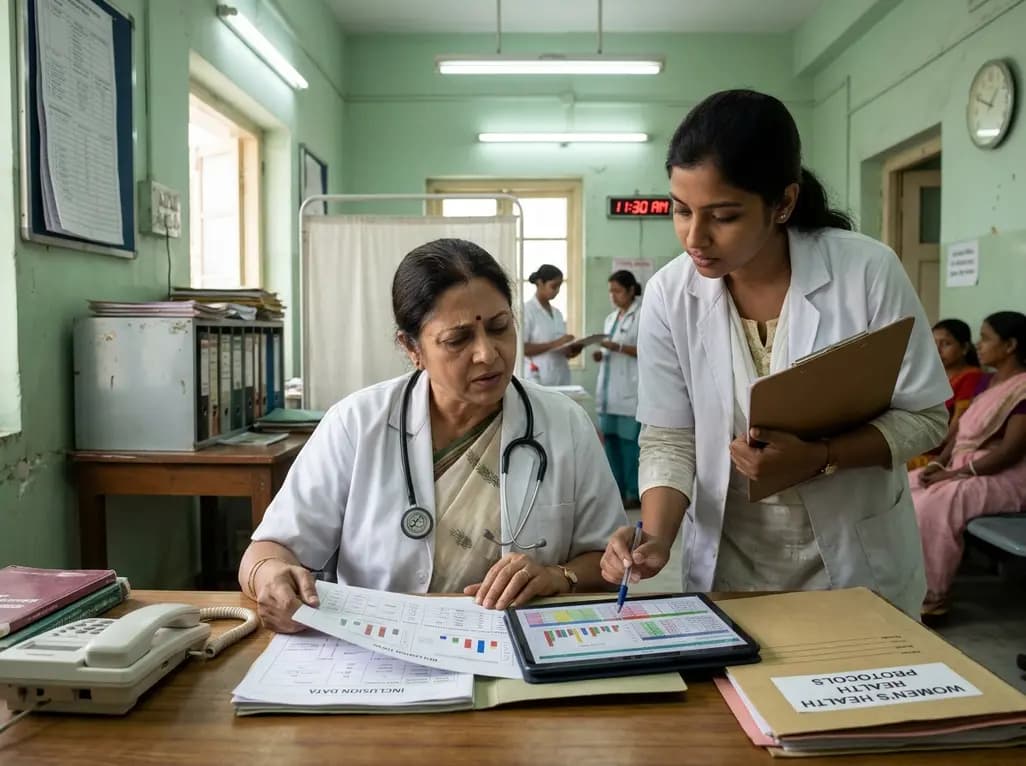
Demanding exhaustive hormonal profiling can inadvertently discourage clinical studies involving females. Methodological standards must align with the specific scientific question to expand, not restrict, equitable evidence for women.
Today

The Directorate General of Health Services directs Indian states to halt the hazardous reuse and reprocessing of single-use medical devices. Discover regulatory implications under the Drugs and Cosmetics Act, critical infection risks, legal liabilities, and operational changes required across clinical specialties.
Today

A novel calcium polyphosphate coacervate enables injectable bone implants with in situ hierarchical porosity via phase separation and gas foaming, significantly enhancing cell proliferation, energy metabolism, and osteogenic differentiation for minimally invasive bone defect repair.
Today

Following regulatory scrutiny from FSSAI regarding promotional representations and lean muscle preservation claims, Dr. Reddy's Laboratories and Nestlé Health Science are currently reviewing the branding and marketing strategy for their joint nutritional supplement Celevida GLP+.
Today
