.webp&w=384&q=75)

Loading, please wait...
Loading, please wait...

Healthcare professional burnout remains a significant barrier to ensuring high-quality patient care and safety. A recent study by Tömő Z et al. examined the mental health status of nurses in Békés county, Hungary, and Hargita county, Romania. The researchers aimed to compare general well-being, depression, and burnout levels across these two regions. By understanding these psychosocial factors, healthcare administrators can better monitor the mental state of their staff to prevent systemic failures.
The cross-sectional survey utilized several validated instruments, including the WHO Well-Being Questionnaire and the Maslach Burnout Inventory. Consequently, the findings revealed a strong negative correlation between well-being and both depression and burnout. Specifically, nurses who reported lower well-being scores were significantly more likely to exhibit signs of emotional exhaustion and depersonalization. This trend suggests that mental health monitoring must consider both personal and socioeconomic stressors.
Furthermore, the study highlighted differences in how regional factors influence mental health. While the core issues of burnout were present in both samples, the intensity of symptoms varied. Global data supports these findings, indicating that nearly one in three healthcare workers experience symptoms of depression or anxiety. Moreover, these conditions directly impact patient safety, as clinicians under stress are more prone to medical errors and reduced vigilance.
Therefore, addressing these challenges requires a multifaceted approach. Institutional support and mindfulness programs have shown promise in reducing stress levels by nearly 30%. Additionally, improving staffing levels and workplace culture can mitigate the long-term risks associated with chronic exhaustion. Healthcare systems must prioritize the mental health of their workforce to maintain operational stability and safeguard patient outcomes.
Burnout leads to emotional exhaustion and depersonalization, which often results in reduced vigilance and impaired cognitive function. Consequently, this increase in medical errors and suboptimal care directly compromises patient safety.
High levels of anxiety and severe burnout are the most significant predictors of turnover intention. In fact, research indicates that as mental health declines, the intention to leave the profession increases exponentially.
Disclaimer: This content is for informational and educational purposes only. It does not constitute professional medical advice, diagnosis, or treatment. Always seek the advice of your physician or other qualified health provider with any questions you may have regarding a medical condition. Refer to the latest local and national guidelines for clinical practice.
References
Tömő Z et al. [Exploring the mental health status of healthcare professionals in terms of general well-being, depression and burnout in a sample from Békés and Hargita counties]. Orv Hetil. 2026 Apr 05. doi: 10.1556/650.2026.33516. PMID: 41936032.
Hall LH, Johnson J, Watt I, Tsipa A, O'Connor DB. Healthcare Staff Wellbeing, Burnout, and Patient Safety: A Systematic Review. PLOS One. 2016;11(7):e0159015.
WHO/Europe. Healing hands, hurting minds: the mental health crisis among Europe’s medical workers. 2025.

Read summarized clinical updates, watch expert medical content, and earn CME certifications right from your smartphone.
Open your smartphone camera to scan and install.





A cross-sectional study evaluates the well-being, depression, and burnout levels of nurses in Békés and Hargita counties to ensure patient care quality....
6 months ago
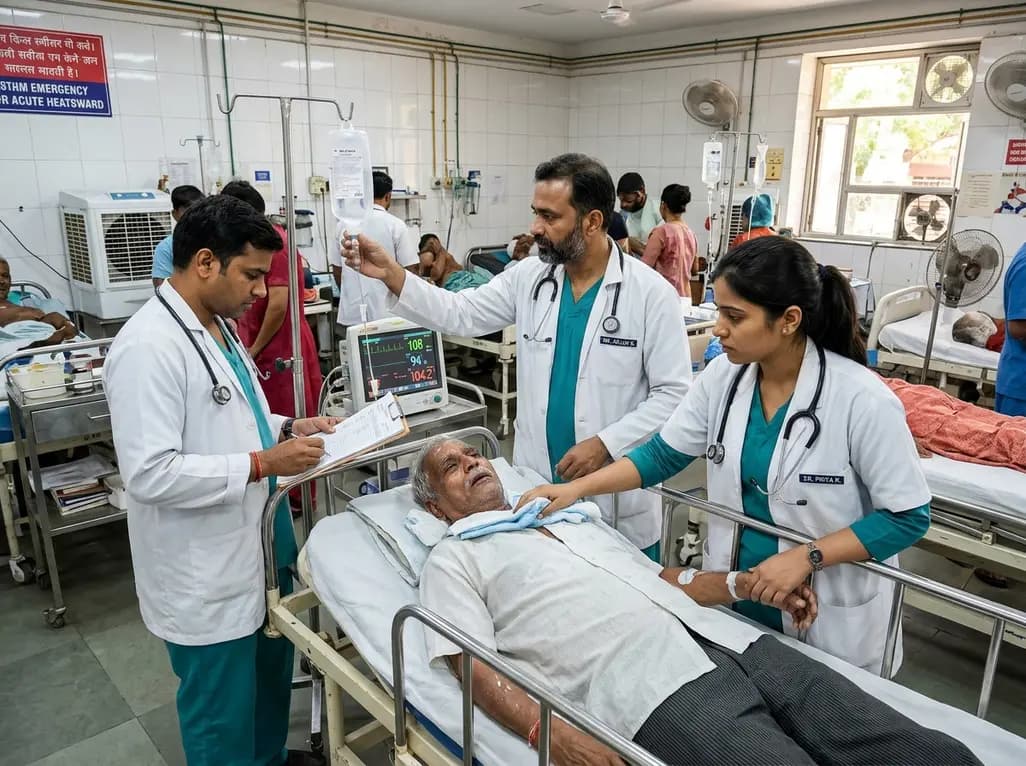
Recent epidemiological data reveals a dramatic surge in summer heat mortality driven by human-induced climate warming. This analysis explores the pathophysiological impacts on cardiac and renal systems, diagnostic dilemmas in death certification, and essential emergency cooling protocols for acute clinical care.
Today

Odisha has established India's first state-level clinical protocol specifically tailored for pregnant women with sickle cell disease. Developed with NHM and UNICEF, the framework provides structured antenatal screening, crisis mitigation, standardized referral pathways, and specialized interdisciplinary care.
Today

India is advancing preventive healthcare by integrating genomics, artificial intelligence, and quantum technologies. With the SANGAM programme sequencing one million Indian genomes, clinicians can unlock personalized therapies, detect cardiometabolic risks early, and curb the burden of diabetes and heart disease.
Today
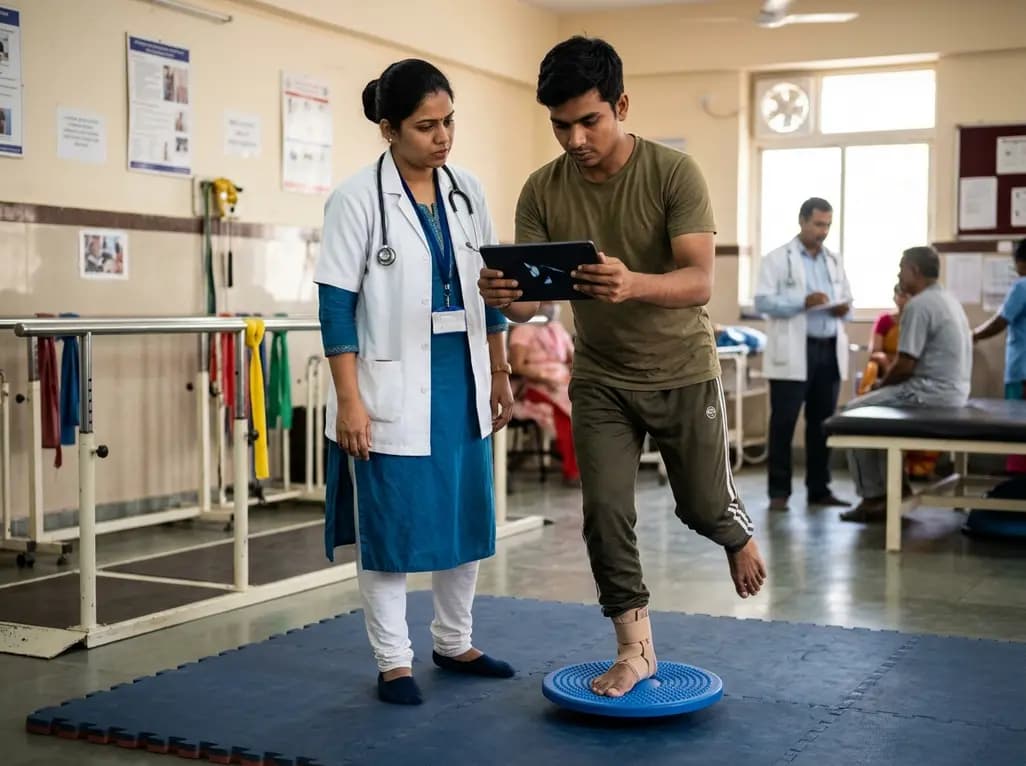
A randomized controlled trial demonstrates that an eight-week dual-task training intervention significantly improves static and dynamic postural control over standard balance exercises in individuals with chronic ankle instability, addressing critical neurocognitive deficits during athletic and daily activities.
Today

A retrospective cohort study of 7,716 ICU patients from the MIMIC-IV database demonstrates that Gradient Boosting Decision Trees significantly outperform traditional SOFA scores in predicting in-hospital mortality among patients with sepsis and diabetes, with SHAP analysis providing clinical interpretability.
Today
