.webp&w=384&q=75)

Loading, please wait...
Loading, please wait...
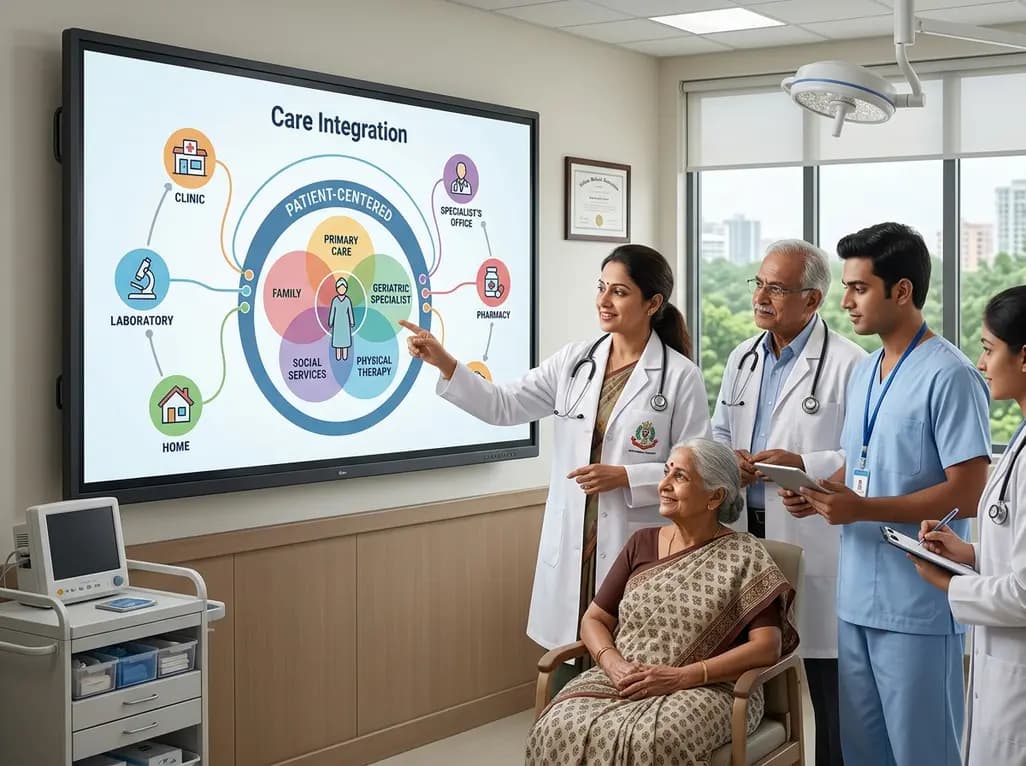
The Spanish National Health System (SNS), built on universality and equity, currently faces profound structural challenges. These issues stem from a rapidly ageing population and the rise of chronic conditions. Consequently, the fragmentation of the care system has emerged as a primary weakness. This fragmentation specifically impacts patients with complex needs who require both clinical and social support. To address these gaps, modern care coordination models must evolve beyond simple organizational structures to meet the actual lived needs of vulnerable populations.
Research suggests that while various integration initiatives have been tested, results remain inconsistent across different regions. Effective integration requires a fundamental shift in how resources are allocated. Furthermore, the mismatch between existing bureaucratic frameworks and the fluid needs of multimorbid patients often leads to suboptimal health outcomes. Therefore, health systems must prioritize flexibility and adaptability to ensure that clinical interventions remain effective and equitable.
The SESPAS Report 2026 proposes four central theses to reform current systems. First, coordination efforts must be tailored to the level of clinical and social complexity of each patient. Uniform, one-size-fits-all strategies often fail those with the highest vulnerability. Second, structural barriers such as misaligned financing and rigid professional hierarchies require urgent attention. If financial incentives do not support collaborative work, care coordination models will likely remain theoretical rather than practical.
Third, facilitators for coordination must be operational and sustainable. Simply transferring solutions from one context to another without adaptation is rarely successful. Instead, clinicians need measurable tools that fit their specific local environment. Finally, defining clear professional roles is essential for accountability. Strengthening primary care is the cornerstone of this approach, as it ensures longitudinal care and better management of chronic diseases. Ultimately, the goal is a person-centered system that acknowledges complexity and improves overall equity.
Fragmentation leads to disconnected clinical information, which can result in medication errors, duplicated tests, and delayed diagnoses. It particularly affects elderly patients who see multiple specialists without a central coordinating physician.
Primary care serves as the entry point and the continuous link for patients within the healthcare system. It provides the longitudinal perspective necessary to manage multimorbidity and integrate social care with clinical needs.
The primary barriers include siloed financing systems, lack of interoperable digital health records, and traditional professional hierarchies that discourage multidisciplinary collaboration.
Disclaimer: This content is for informational and educational purposes only. It does not constitute professional medical advice, diagnosis, or treatment. Always seek the advice of your physician or other qualified healthcare provider with any questions you may have regarding a medical condition. Refer to the latest local and national guidelines for clinical practice.
References
Coronado-Vázquez V et al. [Health coordination: a challenge for the National Health System. SESPAS Report 2026]. Gac Sanit. 2026 Jun 04. doi: undefined. PMID: 42241782.
[Good coordination practices in community health. SESPAS Report 2026]. Gac Sanit. 2026 Apr 2:40 Suppl 1:102560. doi: 10.1016/j.gaceta.2025.102560.
Integrated people-centred care. World Health Organization (WHO). July 29, 2025.
"
Read summarized clinical updates, watch expert medical content, and earn CME certifications right from your smartphone.
Open your smartphone camera to scan and install.





The SESPAS Report 2026 highlights the critical need for person-centered care coordination to address healthcare fragmentation and population ageing....
4 months ago
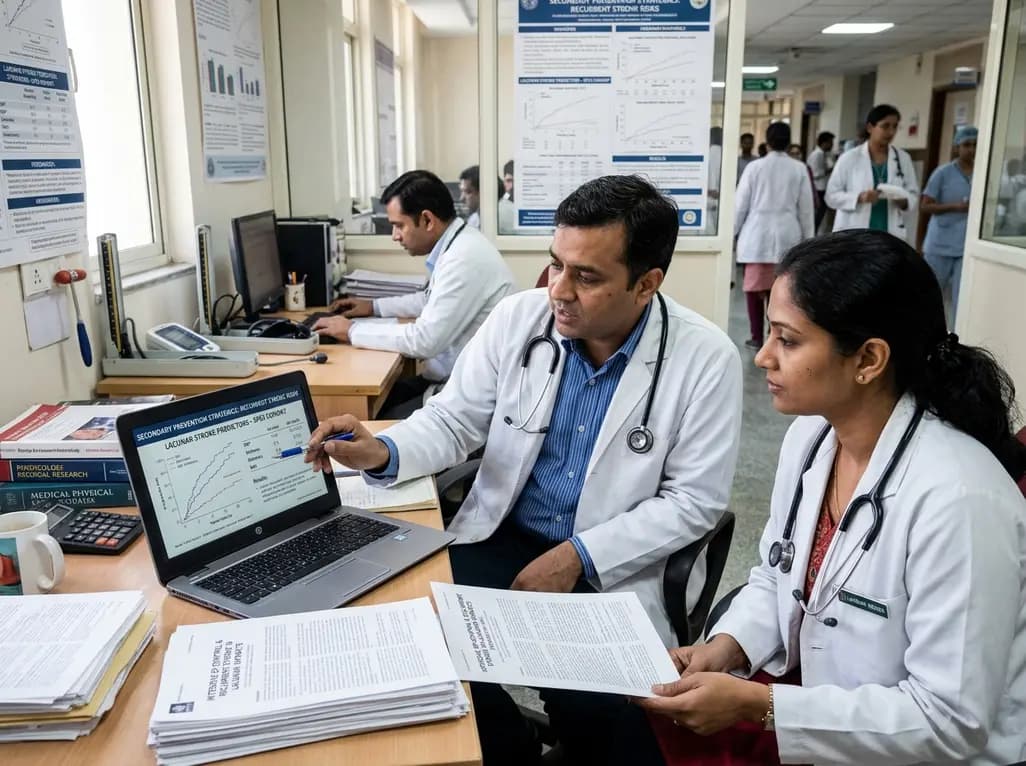
Explore vital recurrent stroke predictors in lacunar stroke patients managed with intensive blood pressure lowering. This analysis examines trial findings from SPS3 to uncover residual vascular risks, metabolic factors, and targeted secondary prevention strategies for high-risk neurological patients.
Today

Odisha has established India's first state-level clinical protocol specifically tailored for pregnant women with sickle cell disease. Developed with NHM and UNICEF, the framework provides structured antenatal screening, crisis mitigation, standardized referral pathways, and specialized interdisciplinary care.
Today

The Directorate General of Health Services directs Indian states to halt the hazardous reuse and reprocessing of single-use medical devices. Discover regulatory implications under the Drugs and Cosmetics Act, critical infection risks, legal liabilities, and operational changes required across clinical specialties.
Today

Mitochondria-targeted nanoparticles self-assembled from EGCG and L-glutamic acid effectively restore mitochondrial homeostasis, suppress synovial inflammation, and attenuate chondrocyte senescence in osteoarthritis, offering a promising disease-modifying nanotherapy.
Today

India is advancing preventive healthcare by integrating genomics, artificial intelligence, and quantum technologies. With the SANGAM programme sequencing one million Indian genomes, clinicians can unlock personalized therapies, detect cardiometabolic risks early, and curb the burden of diabetes and heart disease.
Today
