.webp&w=384&q=75)

Loading, please wait...
Loading, please wait...

Modern college campuses across India show a rising trend of tobacco alternatives. While manufacturers market these devices as safe, the health risks of vaping are deeply concerning to medical practitioners. Consequently, clinicians are warning young adults about the hidden dangers of these new-age habits. Specifically, many users believe that the lack of smoke means an absence of harm. However, medical experts emphasize that nicotine is still highly addictive. Therefore, introducing this substance to developing brains can cause permanent cognitive impairment. Furthermore, early nicotine exposure increases the risk of long-term tobacco dependency. As a result, a seemingly harmless habit often leads to smoking conventional cigarettes later in life.
In addition to nicotine, the chemicals inside e-cigarette aerosols pose severe physiological threats. Indeed, many young Indians mistakenly believe that vapor is completely harmless. However, clinical studies show that these aerosols contain ultrafine particles and chemical irritants. Consequently, inhaling these substances triggers acute respiratory irritation and airway inflammation. For instance, recent medical cases in India link flavored vapes to serious conditions like popcorn lung. Moreover, the long-term cardiovascular impacts of these toxins remain extremely dangerous. Therefore, doctors urge young people to avoid these products entirely.
Similarly, oral nicotine pouches are gaining rapid popularity as a discreet alternative to vaping. Because these pouches do not require smoke or vapor, users easily conceal them in classrooms. Nevertheless, removing the smoke does not eliminate the physical dangers. Specifically, these products deliver highly concentrated nicotine directly through the oral mucosa. Consequently, regular use increases heart rate and blood pressure while severely irritating the gums. Furthermore, oncologists warn that unchecked oral nicotine consumption can lead to periodontal disease and cardiovascular complications. Thus, these discreet alternatives carry risks that are just as severe as traditional smoking.
Additionally, tobacco companies use predatory marketing strategies to target youth. For example, they utilize sweet flavors, attractive packaging, and social media influencers to make addiction look like a modern lifestyle. Consequently, these products appeal to young people who would otherwise avoid conventional cigarettes. Therefore, public health experts are calling for urgent systemic changes to address this crisis. Specifically, India needs stronger government regulations, school-level education, and active parental guidance. In conclusion, raising awareness about the true health risks of vaping is essential to protect the next generation.
Q1: Why are vapes and nicotine pouches particularly dangerous for young adults?
Young brains continue to develop until the mid-twenties. Consequently, introducing highly addictive nicotine during this critical window can disrupt brain development, impair concentration, and negatively affect mood control. Furthermore, early use significantly increases the risk of long-term tobacco dependency.
Q2: Are nicotine pouches a safe alternative to smoking or vaping?
No, they are not safe. Although they do not produce smoke, nicotine pouches deliver highly concentrated nicotine directly into the bloodstream. Consequently, regular use can increase blood pressure, irritate gums, and cause cardiovascular strain.
Q3: What harmful substances are found in e-cigarette aerosols?
Many people assume that vape aerosol is merely harmless water vapor. However, scientific evidence reveals that these aerosols contain ultrafine particles, toxic heavy metals, and chemical irritants. Consequently, inhaling these substances can lead to lung inflammation and severe respiratory damage.
Disclaimer: This content is for informational and educational purposes only. It does not constitute medical advice or replace professional judgment. Refer to the latest local and national guidelines for clinical practice.
References

Read summarized clinical updates, watch expert medical content, and earn CME certifications right from your smartphone.
Open your smartphone camera to scan and install.





Indian oncologists and surgeons warn young adults about the severe cognitive, respiratory, and cardiovascular risks of vaping and smokeless nicotine pouches...
4 months ago

Explore vital recurrent stroke predictors in lacunar stroke patients managed with intensive blood pressure lowering. This analysis examines trial findings from SPS3 to uncover residual vascular risks, metabolic factors, and targeted secondary prevention strategies for high-risk neurological patients.
Today
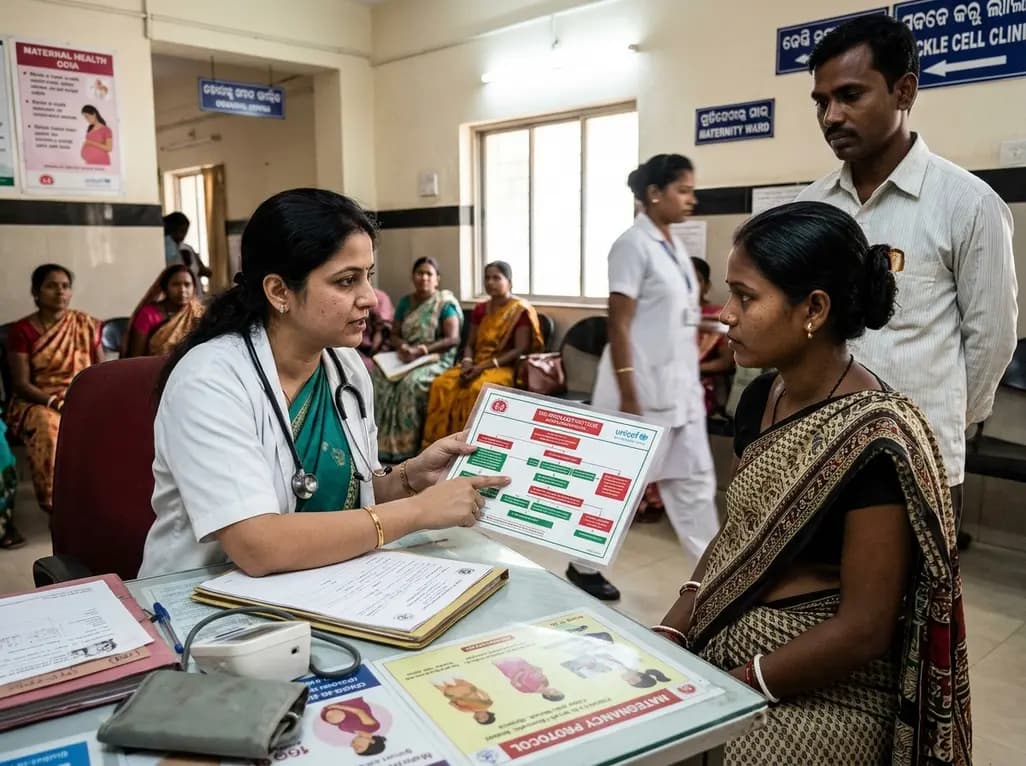
Odisha has established India's first state-level clinical protocol specifically tailored for pregnant women with sickle cell disease. Developed with NHM and UNICEF, the framework provides structured antenatal screening, crisis mitigation, standardized referral pathways, and specialized interdisciplinary care.
Today

The Directorate General of Health Services directs Indian states to halt the hazardous reuse and reprocessing of single-use medical devices. Discover regulatory implications under the Drugs and Cosmetics Act, critical infection risks, legal liabilities, and operational changes required across clinical specialties.
Today

Mitochondria-targeted nanoparticles self-assembled from EGCG and L-glutamic acid effectively restore mitochondrial homeostasis, suppress synovial inflammation, and attenuate chondrocyte senescence in osteoarthritis, offering a promising disease-modifying nanotherapy.
Today

India is advancing preventive healthcare by integrating genomics, artificial intelligence, and quantum technologies. With the SANGAM programme sequencing one million Indian genomes, clinicians can unlock personalized therapies, detect cardiometabolic risks early, and curb the burden of diabetes and heart disease.
Today
