

Loading, please wait...
Loading, please wait...

Effective cardiovascular disease management relies heavily on patient comprehension and collaborative decision-making. Optimizing health literacy in stroke care has emerged as a cornerstone of long-term functional recovery and secondary prevention. Consequently, healthcare providers must acknowledge that clinical outcomes depend on clear, accessible communication across every stage of care. Unfortunately, traditional discharge protocols often overwhelm survivors with complex regimens and dense medical jargon. Moreover, cognitive deficits, language barriers, and socioeconomic factors frequently exacerbate these communication gaps. Therefore, recent professional guidelines highlight how health literacy shapes clinical recovery while urging systemic communication reform.
Historically, medical professionals viewed health literacy simply as an individual patient attribute or educational deficit. However, modern clinical frameworks define it as an interactive dynamic between patient capability and healthcare system demands. In acute stroke care, this relationship becomes fragile very rapidly. Stroke survivors frequently encounter cognitive dysfunction, executive fatigue, or expressive aphasia during their hospital stays. Consequently, even patients with high baseline literacy struggle to process complex anatomical explanations and medication changes.
Furthermore, caregivers face sudden emotional trauma alongside complicated home-care instructions. When clinical teams fail to simplify their messaging, treatment adherence drops substantially. For example, patients may miss secondary prevention therapies, misunderstand recurrent warning signs, or neglect outpatient rehabilitation appointments. In addition, low functional literacy directly correlates with increased hospital readmissions and elevated long-term mortality. Therefore, interprofessional teams must shift away from outdated assumptions regarding patient understanding. Instead, clinicians should treat health literacy as an organizational responsibility rather than an isolated personal deficit. By adopting universal health literacy precautions, hospitals can systematically bridge the gap between clinical intent and patient execution. Ultimately, this proactive approach reduces preventable cerebrovascular complications and empowers families throughout the entire rehabilitation trajectory.
Health literacy influences every milestone along the cerebrovascular continuum, beginning with primary prevention in outpatient clinics. Specifically, individuals with low health literacy often struggle to interpret blood pressure readings, glycemic targets, and dietary sodium recommendations. Furthermore, these knowledge deficits directly hinder early recognition of acute stroke symptoms in the community. Consequently, affected individuals frequently delay seeking emergency medical care, missing critical therapeutic windows for thrombolysis and mechanical thrombectomy.
In the inpatient setting, inadequate communication exacerbates patient anxiety and impairs informed consent for acute interventions. Afterward, the transition to secondary prevention requires substantial patient engagement and sustained behavioral changes. Survivors must manage anticoagulants, antiplatelet therapies, lipid-lowering agents, and targeted lifestyle modifications. However, complex dosing schedules frequently confuse patients, leading to accidental discontinuation or toxic polypharmacy errors. In addition, patients who fail to comprehend their vascular risk profiles rarely achieve optimal blood pressure targets. Thus, clinicians must proactively integrate standardized educational assessments into daily clinical rounds. Furthermore, providers should ensure that stroke survivors fully understand the rationale behind each prescribed therapy. By delivering clear, risk-stratified guidance, multidisciplinary teams can dramatically bolster secondary prevention, improve long-term drug adherence, and prevent debilitating recurrent ischemic events across diverse patient populations.
Nurses occupy a premier position to transform patient education through continuous bedside engagement and relational continuity. Consequently, nurse-led educational interventions serve as a primary vehicle for improving clinical comprehension and self-efficacy. Among various educational modalities, the teach-back method represents the most reliable, evidence-based technique for verifying patient understanding. Rather than asking passive questions like whether patients understand, nurses prompt individuals to explain care plans in their own words. For instance, a nurse might ask a survivor to describe their morning medication routine or outline red-flag warning signs.
Furthermore, dyadic psychoeducational programs engage both the stroke survivor and their primary family caregiver simultaneously. This collaborative approach recognizes that stroke recovery is fundamentally a shared family journey requiring collective problem-solving. In addition, structured nurse navigation bridges the vulnerable transition from inpatient rehabilitation units to home-based recovery. Nurse navigators reinforce essential self-care behaviors, coordinate outpatient therapy follow-ups, and actively troubleshoot common barriers to prescribed regimens. As a result, dyadic and nurse-led interventions consistently improve patient self-efficacy, enhance overall functional quality of life, and substantially lessen acute caregiver burnout during long-term home management.
Effective communication becomes remarkably complex when neurological deficits intersect with social determinants of health. Specifically, stroke frequently damages neural networks responsible for language processing, attention, and executive function. Consequently, patients with aphasia or cognitive impairment face overwhelming obstacles when trying to absorb standard healthcare instructions. Healthcare teams must therefore replace dense written brochures with multimodal communication aids, such as pictograms, simplified infographics, and assistive communication boards.
Moreover, language barriers severely compound these clinical challenges among patients with limited dominant-language proficiency. In these scenarios, clinicians must consistently utilize certified medical interpreters rather than relying on untrained family members. Additionally, the contemporary transition toward digital patient portals, remote monitoring tools, and telehealth platforms introduces significant digital literacy disparities. Older survivors and socioeconomically disadvantaged individuals often lack high-speed internet connectivity, functional electronic hardware, or basic technological fluency. Therefore, healthcare systems must actively avoid deploying one-size-fits-all digital interventions without prior screening. Instead, clinicians must carefully evaluate individual digital readiness before recommending mobile health applications or virtual check-ins. By deliberately tailoring communication formats to cognitive, cultural, and socioeconomic realities, interprofessional teams can dismantle existing inequities and provide truly inclusive, patient-centered stroke rehabilitation.
Transforming stroke care requires substantial institutional investment alongside innovative technological integration. First, healthcare organizations must embed universal health literacy principles directly into institutional clinical policies and workforce training curricula. Professional teams need rigorous, ongoing training in plain-language communication, cultural humility, and nonverbal engagement strategies. Furthermore, clinical environments must streamline written consent forms, medication summaries, and discharge summaries to match average reading proficiencies.
Concurrently, emerging technological advances present powerful opportunities to personalize patient communication at scale. For example, generative artificial intelligence and specialized machine learning algorithms can rapidly translate complex discharge instructions into fifth-grade reading levels. Similarly, automated platforms can dynamically convert clinical text into culturally resonant audiovisual formats in dozens of regional languages. However, healthcare leaders must evaluate these emerging digital solutions with tremendous clinical scrutiny. Flawed algorithms can easily perpetuate racial, linguistic, or socioeconomic biases if trained on unrepresentative biomedical datasets. Therefore, artificial intelligence tools must strictly augment, rather than replace, empathetic bedside communication between clinicians, patients, and families. By thoughtfully uniting institutional health literacy policies with ethically vetted technological tools, healthcare systems can build sustainable, equity-driven stroke care pathways that optimize long-term clinical outcomes.
Limited health literacy significantly impairs stroke recovery by reducing medication adherence, hindering symptom recognition, and increasing hospital readmission rates. Furthermore, survivors often struggle to navigate complex rehabilitation schedules or communicate emergent neurological changes to clinicians. Consequently, these comprehension gaps elevate preventable secondary complications, increase caregiver distress, and lead to poorer long-term functional recovery.
The teach-back method provides an objective way to confirm that patients and caregivers comprehend crucial discharge instructions. Instead of asking simple yes-or-no questions, clinicians invite patients to restate medical plans in their own words. Consequently, this technique immediately exposes hidden misunderstandings regarding drug dosing, lifestyle adjustments, and warning signs, allowing prompt educational reinforcement.
Artificial intelligence can simplify complex medical documents into plain-language summaries and translate instructions into multiple regional languages. Additionally, conversational digital agents can provide personalized, multimodal recovery reminders. However, clinicians must carefully supervise automated tools to prevent algorithmic bias, safeguard patient privacy, and ensure that digital innovations enhance rather than supplant human clinical empathy.
Disclaimer: This content is for informational and educational purposes only and does not constitute medical advice. Treatment decisions should be individualized and made by qualified healthcare professionals based on patient-specific factors. Refer to the latest local and national guidelines for clinical practice.
References

Read summarized clinical updates, watch expert medical content, and earn CME certifications right from your smartphone.
Open your smartphone camera to scan and install.





An AHA scientific statement underscores health literacy and clear communication as vital drivers of stroke recovery and prevention, urging nurse-led teach-back methods, equity-driven education, and digital caution.
Today

Standardizing continuous physiological waveforms in EHRs has long challenged clinical teams. The novel TIDE framework leverages HL7 FHIR R4 to decouple queryable clinical metadata from massive raw signal repositories, unlocking scalable telemetry exchange for bedside care and predictive research.
Today

A secondary analysis of the MOMS clinical trial reveals that infant sex does not influence neonatal opioid withdrawal syndrome severity in buprenorphine-exposed newborns. Maternal co-exposures and clinical factors drive outcomes, highlighting the need for objective assessment and supportive breastfeeding.
Today
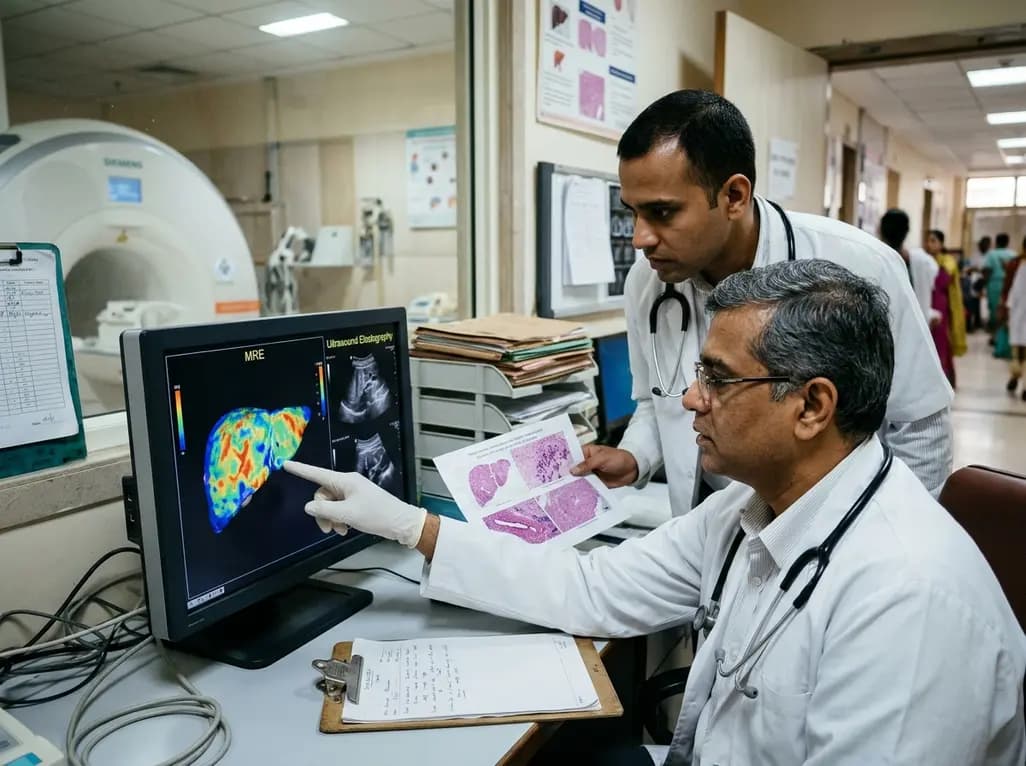
A comparative study reveals magnetic resonance elastography outperforms ultrasound elastography in assessing liver fibrosis in Fontan-associated liver disease, demonstrating stronger histological agreement and superior discrimination.
Today

A systematic review and meta-analysis highlights the substantial impact of plyometric jump training on jump performance, reactive strength, and landing kinematics in female team-sport athletes, providing evidence-based programming guidelines for sports medicine and orthopedics.
Today

A comprehensive review of the role of growth hormone in diabetic kidney disease and podocytopathy. Learn how elevated GH activates ZEB2, Notch, and TGF-beta1, driving podocyte loss and glomerulosclerosis, and explore novel targeted therapeutic approaches.
Today
