.webp&w=384&q=75)

Loading, please wait...
Loading, please wait...

Recent advancements in molecular hematology highlight the importance of HDAC7 in DLBCL prognosis as a significant indicator of patient outcomes. Histone deacetylase 7 (HDAC7) has long been recognized as a regulator of early B-cell development. However, its specific role in mature B-cell biology remained unclear until now. Scientists have recently demonstrated that HDAC7 is indispensable for the initiation and maintenance of the germinal center (GC) reaction.
During a normal immune response, activated B-cells form germinal centers to produce high-affinity antibodies. HDAC7 governs the acquisition of specific gene identities in B-cell progenitors. Specifically, a deficiency in HDAC7 leads to the generation of aberrant germinal center B-cells. Consequently, this loss results in diminished class switch recombination (CSR) and reduced plasma cell formation. Furthermore, the absence of this enzyme disrupts the delicate balance required for proper B-cell maturation and immune function.
Moving from basic biology to clinical practice, researchers found that low levels of HDAC7 significantly impact diffuse large B-cell lymphoma (DLBCL). The study reveals that underexpression of HDAC7 in DLBCL prognosis correlates strongly with poor survival rates in patients. Additionally, in vivo experiments show that re-expressing HDAC7 in DLBCL cell lines reduces their proliferative capacity. Therefore, HDAC7 appears to act as a tumor suppressor in the context of mature B-cell malignancies. This discovery provides clinicians with a potential biomarker to identify high-risk patients who may require more aggressive or targeted therapeutic interventions.
The deregulation of HDAC7 contributes heavily to the tumorigenicity of DLBCL. In summary, the findings emphasize two main points. First, HDAC7 is a vital architect of the germinal center reaction. Second, its expression levels serve as a crucial prognostic tool. Clinicians should monitor these epigenetic markers as they may eventually guide personalized treatment strategies. Understanding these molecular pathways is essential for developing next-generation therapies for hematological cancers.
HDAC7 is essential for the formation of germinal centers. Without it, B-cells cannot properly undergo class switch recombination or develop into effective plasma cells, leading to a compromised immune response.
Low expression of HDAC7 in DLBCL tumors is associated with a poor prognosis. Higher levels of HDAC7 have been shown to reduce the proliferative capacity of lymphoma cells, suggesting a protective role against tumor progression.
While currently used primarily as a prognostic marker, the ability of HDAC7 to reduce tumorigenicity in cell lines suggests that strategies to restore its activity or influence its pathways could be explored for future lymphoma treatments.
Disclaimer: This content is for informational and educational purposes only. It is not intended as medical advice or as a substitute for the professional judgment of a healthcare provider. Refer to the latest local and national guidelines for clinical practice.
References
Meler A et al. HDAC7 is a key factor for the germinal center reaction and its underexpression is associated with DLBCL prognosis. J Immunol. 2026 Mar 17. doi: undefined. PMID: 41847858.
Zhang, J., & Chen, L. (2024). Histone Deacetylases in B-cell Malignancies: Mechanisms and Therapeutic Potential. Journal of Hematology & Oncology, 17(1), 45-58.
Barneda-Zahonero, B., et al. (2023). The transcriptional regulator HDAC7 role in B cell development and associated malignancies. University of Barcelona Institutional Repository.

Read summarized clinical updates, watch expert medical content, and earn CME certifications right from your smartphone.
Open your smartphone camera to scan and install.





New research reveals HDAC7 is essential for germinal center formation, and its underexpression significantly predicts poor prognosis in DLBCL patients....
7 months ago
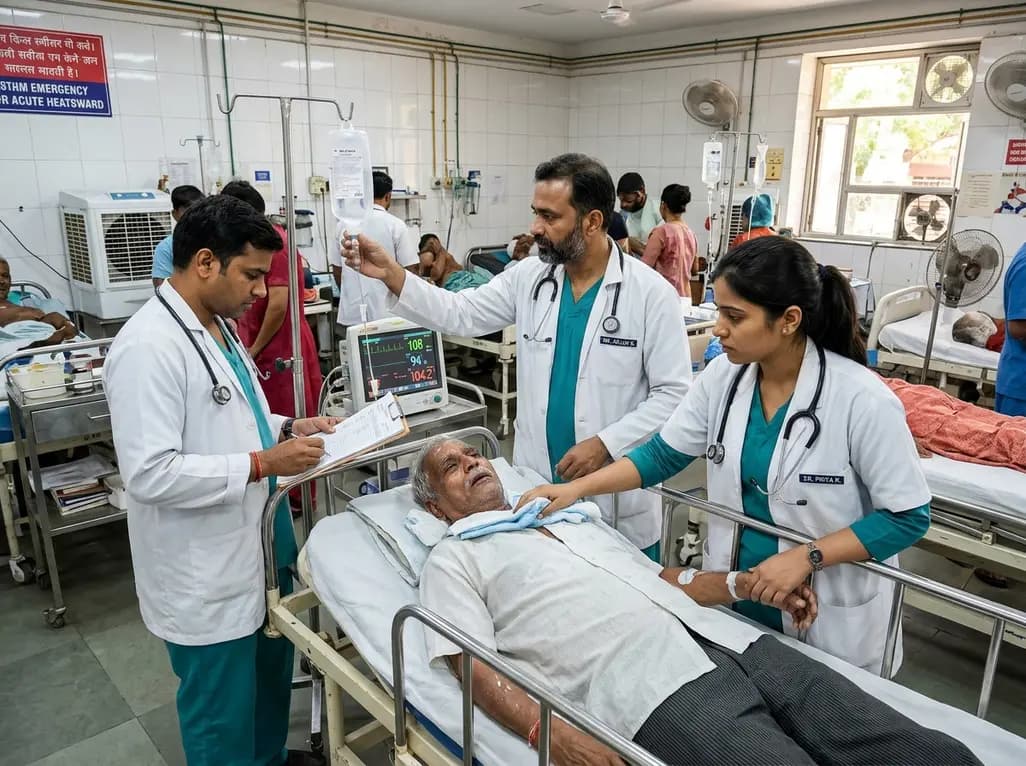
Recent epidemiological data reveals a dramatic surge in summer heat mortality driven by human-induced climate warming. This analysis explores the pathophysiological impacts on cardiac and renal systems, diagnostic dilemmas in death certification, and essential emergency cooling protocols for acute clinical care.
Today
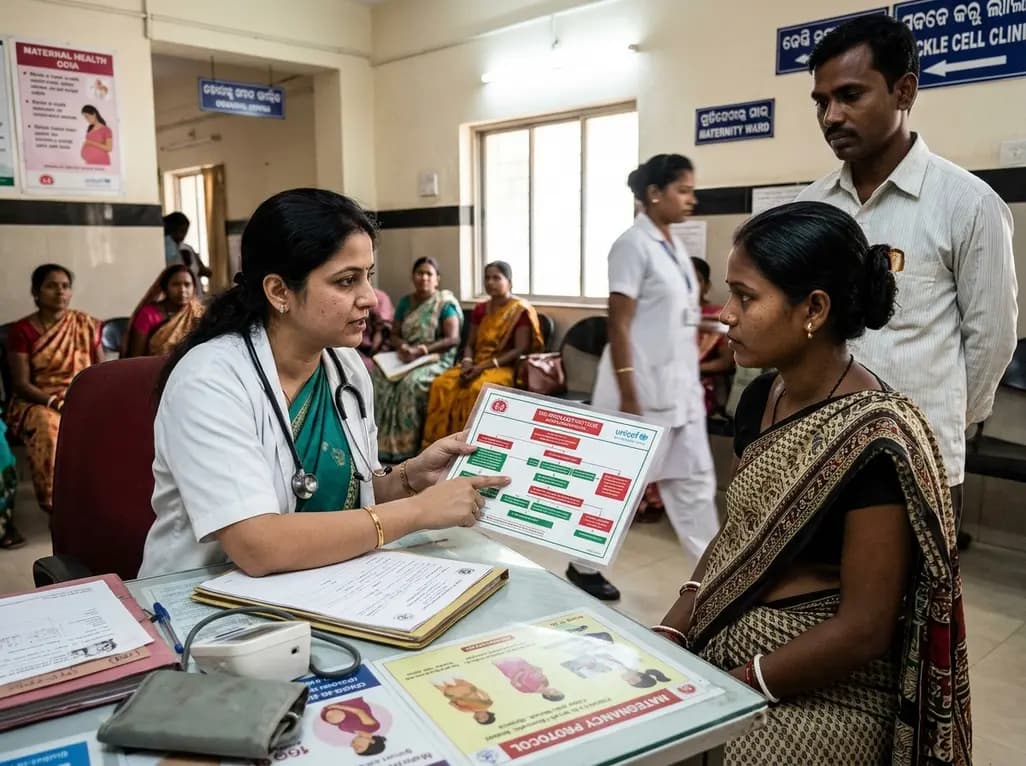
Odisha has established India's first state-level clinical protocol specifically tailored for pregnant women with sickle cell disease. Developed with NHM and UNICEF, the framework provides structured antenatal screening, crisis mitigation, standardized referral pathways, and specialized interdisciplinary care.
Today

India is advancing preventive healthcare by integrating genomics, artificial intelligence, and quantum technologies. With the SANGAM programme sequencing one million Indian genomes, clinicians can unlock personalized therapies, detect cardiometabolic risks early, and curb the burden of diabetes and heart disease.
Today
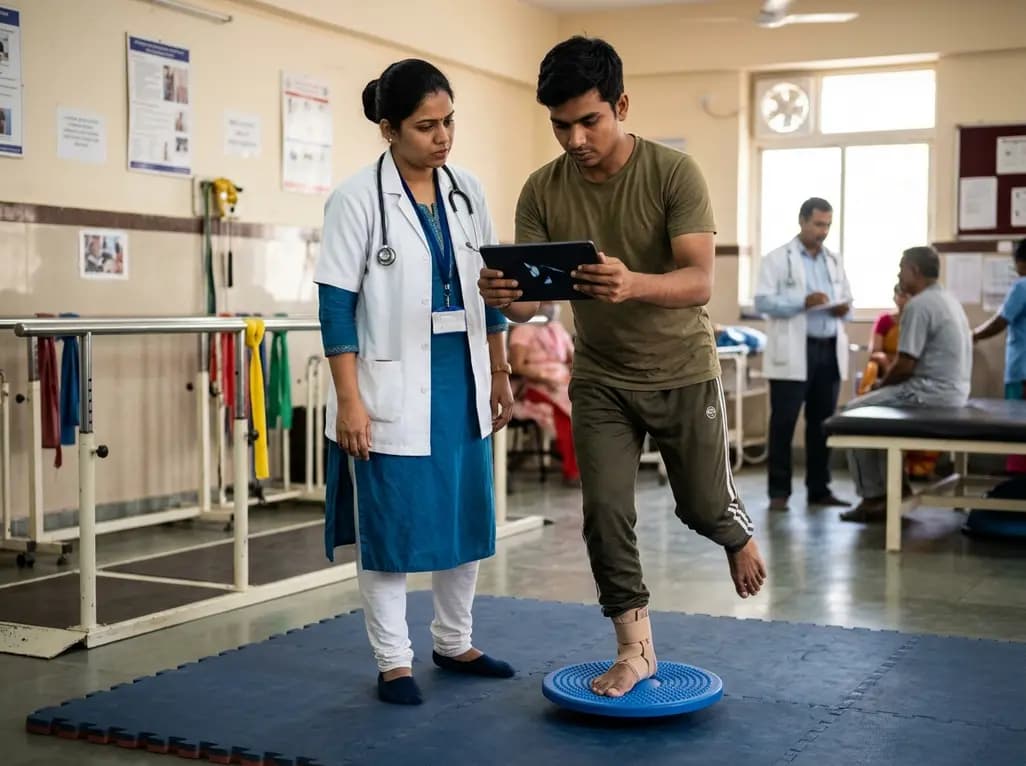
A randomized controlled trial demonstrates that an eight-week dual-task training intervention significantly improves static and dynamic postural control over standard balance exercises in individuals with chronic ankle instability, addressing critical neurocognitive deficits during athletic and daily activities.
Today

A retrospective cohort study of 7,716 ICU patients from the MIMIC-IV database demonstrates that Gradient Boosting Decision Trees significantly outperform traditional SOFA scores in predicting in-hospital mortality among patients with sepsis and diabetes, with SHAP analysis providing clinical interpretability.
Today
