.webp&w=384&q=75)

Loading, please wait...
Loading, please wait...
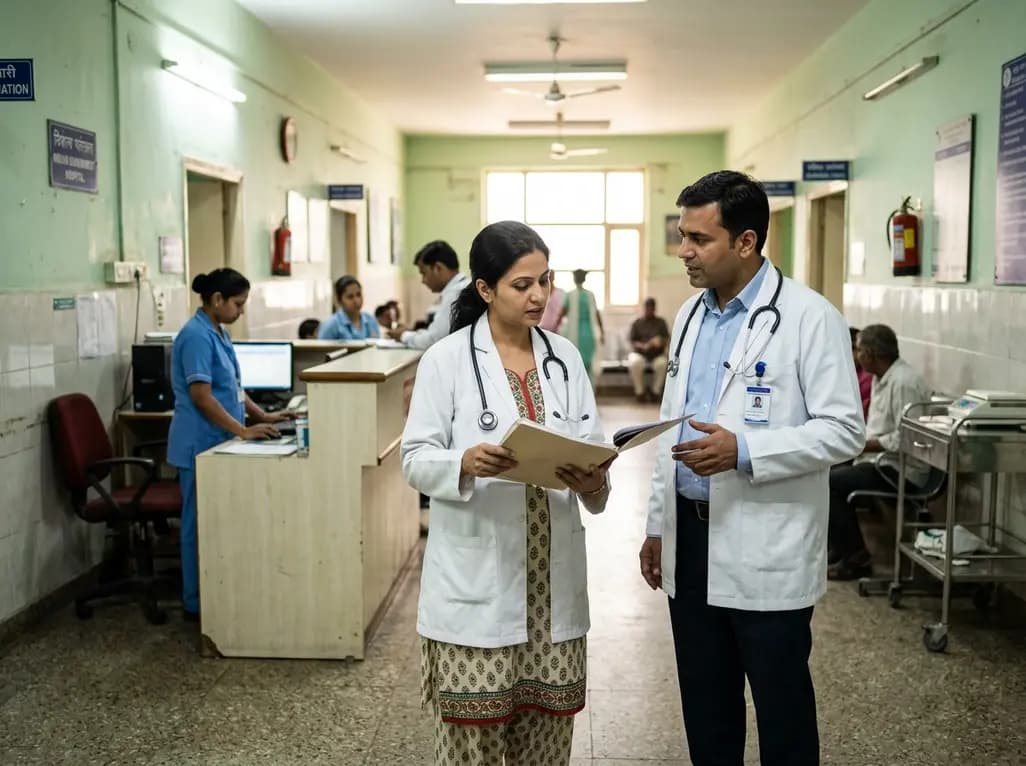
With the arrival of the monsoon season, public health departments across India are intensifying their efforts to control vector-borne diseases. Consequently, governments are emphasizing the critical need for proactive dengue prevention measures. These strategies are vital because they empower citizens and healthcare workers to eliminate breeding grounds before cases surge.
Historically, public health initiatives demonstrate that active community participation represents the most effective tool in controlling mosquito-borne outbreaks. Therefore, implementing systematic dengue prevention measures at the household level is essential to reduce the overall vector population. The primary culprit, the Aedes mosquito, breeds rapidly in small pockets of clean stagnant water. Consequently, even a minor oversight can lead to a localized outbreak. Healthcare professionals must actively educate patients on identifying these hidden hazards around their properties. Furthermore, early source reduction remains far more cost-effective than managing a massive clinical outbreak. Therefore, we must establish a routine of checking our environments weekly. This habit significantly reduces vector density and protects vulnerable populations like children and the elderly. When individuals take responsibility for their immediate surroundings, the cumulative effect drastically lowers infection rates across the entire community. Ultimately, prevention is not just an individual choice; it is a shared social obligation. By coordinating local actions, we can successfully protect our families and eliminate vectors.
To effectively disrupt the breeding cycle of the Aedes mosquito, health authorities strongly recommend implementing a structured "Dry Day" protocol. Specifically, residents should observe a dry day every Sunday at home, while workplaces should dedicate every Friday to this task. During this routine, individuals must empty and thoroughly dry all water containers, coolers, overhead tanks, refrigerator trays, and flower pots. This drying process must last for at least twenty-four consecutive hours because it effectively destroys mosquito eggs and larvae that cling to surfaces. Because the vector breeds in clean water, routine household items often become unsuspecting hazardous sites. Additionally, keeping overhead water tanks tightly covered prevents adult mosquitoes from accessing breeding sites. Properly discarding unused plastic items, old tyres, and coconut shells further eliminates potential water catchments. Residents must also fill potholes around residential zones with soil to prevent rainwater accumulation. Through these meticulous steps, communities can systematically eliminate breeding grounds and significantly lower the vector population before the monsoon reaches its peak.
A critical component of managing any vector-borne outbreak involves early detection and timely medical intervention. Therefore, individuals must remain highly vigilant regarding the primary symptoms of dengue infection. These clinical features typically manifest as a sudden onset of high fever, accompanied by a severe headache and debilitating joint pain. Patients frequently describe joint and muscle pain as "breakbone" in nature due to its intensity. Additionally, pain behind the eyes and the appearance of skin rashes are common diagnostic indicators. If anyone experiences these warning signs, they should immediately visit a qualified medical professional rather than resorting to self-medication. Taking over-the-counter pain relievers, particularly non-steroidal anti-inflammatory drugs, can dangerously increase the risk of internal bleeding. Instead, patients should seek proper testing at government laboratories where laboratories offer services free of cost. Early professional assessment ensures appropriate monitoring of platelet levels and prevents severe complications like dengue hemorrhagic fever. Staying alert and choosing professional clinical care can save lives.
To support citizens during the high-risk monsoon months, the state health department has significantly upgraded public medical facilities. Specifically, twenty-seven government laboratories are now operational across Haryana, providing free ELISA-based diagnostic testing to all patients. Furthermore, because severe cases of dengue can lead to critical thrombocytopenia, the government has made platelet transfusion services free at all district civil hospitals. This ensures that financial constraints do not prevent any patient from receiving life-saving treatments. Additionally, the government has regulated the private healthcare sector to prevent exploitation during this peak season. The health ministry has strictly directed private laboratories to limit charges for ELISA-based tests to a maximum of six hundred rupees. Citizens can easily access these essential services by contacting their local Chief Medical Officer or District Malaria Officer. By combining robust public infrastructure with strict pricing controls, the healthcare system aims to offer comprehensive support. This strategy guarantees that diagnostic resources and critical therapies remain accessible to everyone in the community.
While eliminating breeding sites remains a primary goal, individual physical protection is equally critical to prevent transmission. Since the Aedes mosquito is primarily a daytime feeder, people must take personal precautions during daylight hours. Clinicians strongly advise wearing light-colored, full-sleeved clothing to minimize exposed skin. In addition, applying effective mosquito repellents and utilizing insecticide-treated bed nets provides a vital secondary defense. Individuals must combine these efforts with active community mobilization to achieve maximum impact. Local health departments are coordinating closely with municipal and panchayat bodies to conduct routine vector-control operations, including targeted chemical fogging. However, public health experts emphasize that official actions alone cannot completely eradicate the threat. True success relies on sustained public participation and widespread behavioral change. By uniting under collective community campaigns, residents and health officials can build an active defense network. Together, we can successfully break the chain of transmission and establish a vector-resilient society for future generations.
Q1: Why is the "Dry Day" strategy recommended to prevent dengue breeding?
The "Dry Day" strategy is highly recommended because it directly interrupts the life cycle of the Aedes mosquito. These vectors require stagnant water to lay their eggs, which then hatch into larvae. By completely emptying and drying all water containers, coolers, and trays for at least twenty-four hours, you effectively dehydrate and destroy these eggs. This weekly intervention prevents new mosquitoes from developing.
Q2: Why is self-medication discouraged when a patient has dengue symptoms?
Self-medication is extremely dangerous during a suspected dengue infection because certain common pain relievers can worsen the disease. Specifically, non-steroidal anti-inflammatory drugs like ibuprofen or aspirin can interfere with blood clotting and severely increase the risk of internal hemorrhage. Therefore, patients must always consult a qualified medical professional and only use approved medications like paracetamol for fever management.
Q3: How does the government regulate diagnostic testing for dengue in Haryana?
The Haryana government ensures accessible healthcare by offering free ELISA-based testing at twenty-seven designated government laboratories located in district civil hospitals. Furthermore, to protect patients utilizing private healthcare services, the state has capped the maximum price for ELISA-based NS-1 and IgM tests at six hundred rupees. This dual approach ensures that financial limitations do not delay crucial diagnostic testing during the peak monsoon season.
Disclaimer: This content is for informational and educational purposes only. It does not constitute medical advice or replace professional judgment. Refer to the latest local and national guidelines for clinical practice.
References

Read summarized clinical updates, watch expert medical content, and earn CME certifications right from your smartphone.
Open your smartphone camera to scan and install.





Haryana Health Minister Arti Singh Rao launched the 'Let's Stop Dengue Together' campaign, calling on citizens to observe July as Anti-Dengue Month. The initiative offers free diagnostic testing at 27 government laboratories and free platelet transfusion services at all district civil hospitals to curb outbreaks.
3 months ago

Novel diimide and hydrazone scaffolds, particularly compound #C4, synergistically reactivate latent HIV-1 when combined with JQ1 or PKC activators. Demonstrating donor-matched proviral transcription ex vivo and non-canonical signaling, these findings advance shock and kill strategies toward reservoir eradication.
Today

A comparative cohort study evaluates vNOTES vs TLH hysterectomy for benign conditions, demonstrating shorter operative duration, faster return to daily activities, and equivalent female sexual function scores without increased dyspareunia.
Today

Review how tailored exercise programs benefit frail older patients with heart failure. Explore pathophysiological mechanisms, individualized training prescriptions, and strategies to overcome adherence barriers in clinical practice.
Yesterday

This comparative study evaluates posterior labral tears with and without glenohumeral instability, highlighting distinct demographic patterns, MRI underestimation in stable shoulders, and successful arthroscopic repair outcomes.
Yesterday

A clinical study demonstrates that early intervention with tocilizumab, either as monotherapy or bridged with corticosteroids, achieves significant proptosis reduction and resolves active inflammation in treatment-naive thyroid eye disease.
Today
