.webp&w=384&q=75)

Loading, please wait...
Loading, please wait...
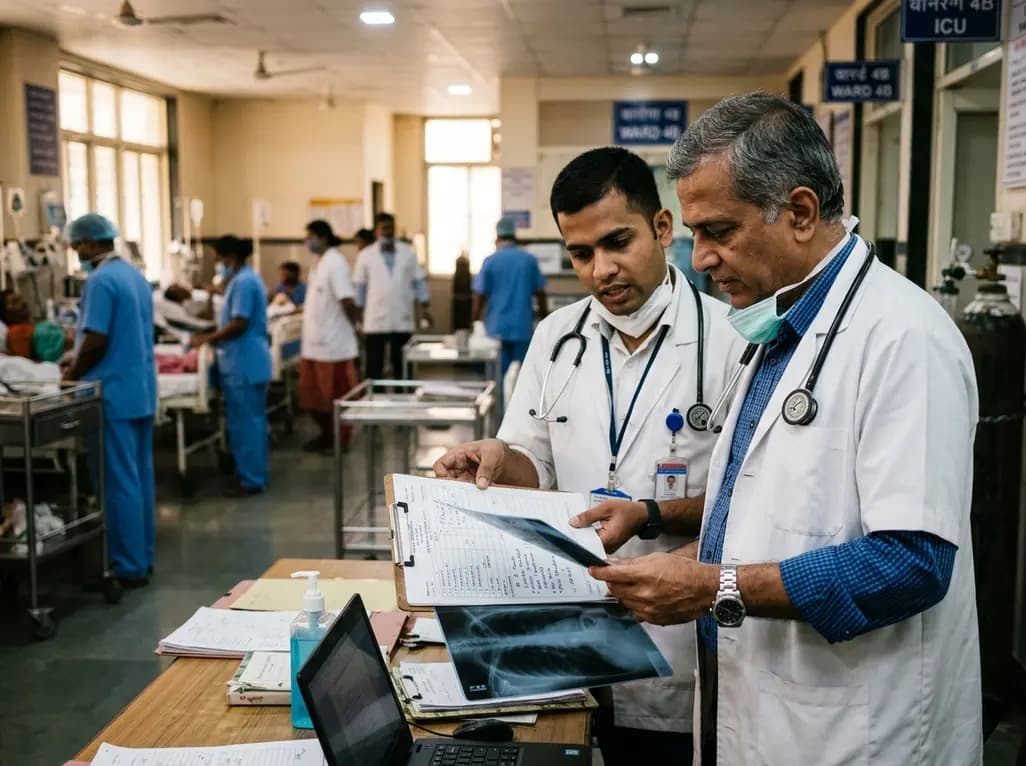
Recent surveillance alerts clinicians to changing respiratory viral patterns across urban and rural healthcare facilities. Specifically, the transmission of the H1N1 flu in India has outpaced other seasonal respiratory viruses in recent weeks. Data indicates that influenza A(H1N1)pdm09 accounts for three out of every four confirmed respiratory isolates. Therefore, primary care physicians and pulmonologists must remain highly vigilant. Early clinical differentiation enables timely medical intervention and prevents widespread seasonal complications.
According to the World Health Organization surveillance update for epidemiological weeks 36 and 37, influenza activity continues to escalate. Across the South-East Asia region, laboratories tested 3,632 respiratory specimens and reported an overall positivity rate of 22%. However, India demonstrated a uniquely high proportion of the influenza A(H1N1)pdm09 lineage. This specific strain accounted for 75% of all influenza-positive samples within the country. In contrast, the regional average for H1N1 stood at roughly 50%. Neighboring countries observed similar trends, with Bhutan recording 97% and Thailand reporting 74% H1N1 predominance.
Furthermore, the Indian Council of Medical Research confirmed that this surge reflects expected seasonal antigenic drift. The circulating strain aligns with the familiar post-pandemic seasonal clade. Nevertheless, the heavy case volume places a substantial operational burden on outpatient clinics. Post-monsoon atmospheric moisture and declining ambient temperatures foster prolonged viral stability in droplets. Consequently, transmission spreads rapidly through household contacts, crowded venues, and academic institutions. Practitioners must therefore anticipate higher volumes of influenza-like illness during this peak. Timely community awareness and institutional monitoring remain central to public health containment. Healthcare workers should maintain heightened surveillance in all acute care facilities. Moreover, clinical laboratories should promptly report unusual cluster spikes to local public health surveillance officers.
The Ministry of Health and Family Welfare establishes clear triaging categories for influenza-like illness. Clinicians must classify presenting patients into Categories A, B, and C to guide appropriate interventions. Category A includes individuals who display mild fever, cough, and sore throat without comorbid conditions. These individuals do not require antiviral prescription or testing. Instead, clinicians should recommend home isolation, symptomatic relief, and adequate hydration. Conversely, Category B represents patients with higher clinical vulnerability.
This group includes individuals older than 65 years, pregnant women, and young children under five. In addition, patients with diabetes, chronic kidney disease, cardiac disorders, or immunosuppression fall into Category B. Clinicians must initiate prompt antiviral therapy for Category B patients, even while maintaining outpatient isolation. Finally, Category C includes patients demonstrating acute respiratory distress, severe hypoxemia, chest pain, somnolence, or marked hypotension. Such presentations demand emergency hospitalization, continuous oxygen monitoring, and immediate critical care evaluation. Pediatric Category C presentations often feature grunting respiration, persistent somnolence, poor feeding, or febrile convulsions. Systematic triaging ensures that physicians avoid hospital bed exhaustion while safeguarding vulnerable patients from catastrophic complications. Therefore, structured triage protocols protect fragile clinical resources during widespread viral outbreaks. Additionally, frequent clinical reassessment prevents unexpected deterioration in borderline outpatient cases.
Diagnostic evaluation requires balanced clinical judgment rather than reflexive routine laboratory orders. National guidelines explicitly discourage indiscriminate testing for mild, uncomplicated Category A presentations. For such patients, empirical supportive care suffices. In contrast, molecular confirmation using real-time reverse transcription polymerase chain reaction remains the gold standard for hospitalized cohorts. Clinicians should specifically test patients categorized under Category C or those exhibiting atypical neurological or systemic presentations. In addition, sentinel laboratories monitor community swab positivity to assess ongoing genetic drift.
When obtaining specimens, healthcare workers must collect both a nasopharyngeal swab and an oropharyngeal swab. Technicians place these samples into specialized viral transport media while maintaining a strict cold chain. Rapid antigen detection tests offer convenient bedside speed; however, their lower sensitivity can produce false-negative outcomes during peak viral transmission. Therefore, negative rapid antigen tests in symptomatic, high-risk individuals require definitive RT-PCR confirmation. Crucially, clinicians must never delay therapeutic intervention while awaiting laboratory confirmation. Initiating empirical antiviral therapy within the therapeutic window provides the highest probability of improving outcomes. Thus, molecular tests guide epidemiological tracking and hospital cohorting rather than emergency drug initiation. Furthermore, testing protocols should prioritize institutional outbreak investigations and unexplained respiratory fatalities.
Neuraminidase inhibitors represent the cornerstone of pharmaceutical intervention against influenza A(H1N1)pdm09. Oseltamivir effectively halts viral replication when patients begin therapy within 48 hours of initial symptom onset. For adult Category B and C patients, clinicians standardly prescribe oseltamivir at 75 mg orally twice daily for five consecutive days. Meanwhile, pediatric dosages depend strictly on weight-based titration protocols. Severely ill patients in intensive care units may occasionally require prolonged therapy beyond the standard five-day course.
Current Indian Council of Medical Research surveillance data confirms that circulating strains remain highly susceptible to oseltamivir. Notably, widespread antiviral resistance has not emerged among Indian isolates. Clinicians should also remember that empirical antibacterial drugs offer no clinical benefit against primary viral influenza. Physicians must reserve empirical antibiotics exclusively for documented secondary bacterial superinfections, such as post-influenza staphylococcal or pneumococcal pneumonia. For hospitalized Category C patients, clinicians must deliver aggressive supportive management. This strategy includes supplemental oxygen, conservative fluid resuscitation, and lung-protective mechanical ventilation for acute respiratory distress syndrome. Corticosteroids do not provide routine clinical benefit and may prolong viral shedding; hence, guidelines discourage their indiscriminate administration. Additionally, secondary bacterial infections significantly increase mortality if clinicians overlook timely antimicrobial escalation.
Preventive strategies remain the most sustainable barrier against seasonal influenza transmission in high-risk communities. The World Health Organization and national expert committees advocate annual seasonal influenza vaccination for all vulnerable cohorts. This priority cohort comprises pregnant women at any gestational stage, children aged six months to five years, and adults over 65 years. Furthermore, healthcare personnel require mandatory annual vaccination to prevent nosocomial transmission to immunosuppressed hospital inpatients.
Quadrivalent inactivated influenza vaccines provide comprehensive coverage against circulating A(H1N1)pdm09, A(H3N2), and influenza B lineages. Alongside vaccination, rigorous institutional infection prevention protocols significantly curtail clinical transmission. Healthcare workers must wear appropriate personal protective equipment, including well-fitted masks, during patient triage and aerosol-generating procedures. Moreover, outpatient clinics must establish dedicated respiratory isolation areas with adequate natural or mechanical ventilation. Practitioners should actively educate patients on respiratory etiquette, frequent hand hygiene, and voluntary self-isolation during symptomatic episodes. By coupling broad-based seasonal immunization with disciplined infection control practices, healthcare networks can successfully blunt the impact of seasonal influenza surges. Ultimately, preventative vigilance protects vulnerable patients and preserves hospital capacity during winter and post-monsoon peaks. Consequently, comprehensive seasonal immunization campaigns provide indispensable community-wide herd immunity benefits.
Q1: Which patient groups face the highest risk of severe complications from H1N1 flu in India?
High-risk groups include adults over 65 years, pregnant women across all trimesters, and children under five years. Furthermore, individuals with chronic medical disorders face elevated vulnerability. These comorbidities include diabetes mellitus, bronchial asthma, chronic pulmonary disease, cardiac failure, and secondary immunosuppression. Consequently, these fragile patients frequently develop severe viral pneumonia or respiratory failure. Therefore, they demand immediate clinical evaluation and prompt therapeutic intervention.
Q2: When should clinicians initiate oseltamivir in suspected seasonal influenza cases?
Clinicians should initiate oseltamivir as early as possible, ideally within 48 hours of symptom onset. However, physicians must not delay therapy in Category B or C patients while awaiting RT-PCR laboratory confirmation. For hospitalized individuals or high-risk patients presenting with progressive disease, starting oseltamivir remains beneficial even after 48 hours. Prompt administration halts viral replication, reduces hospital stay duration, and lowers overall mortality.
Q3: How effective is the current seasonal influenza vaccine against circulating H1N1 strains?
The current quadrivalent seasonal influenza vaccine offers robust protection against circulating A(H1N1)pdm09 lineages. Genomic surveillance confirms that circulating Indian strains closely match the recommended vaccine composition. Although minor antigenic drift occurs naturally, immunization significantly reduces the risk of severe disease, hospitalization, and death. Therefore, health authorities strongly recommend annual vaccination for all healthcare workers, older adults, pregnant women, and chronic disease patients.
Disclaimer: This content is for informational and educational purposes only. It does not constitute medical advice or replace professional judgment. Refer to the latest local and national guidelines for clinical practice.
References

Read summarized clinical updates, watch expert medical content, and earn CME certifications right from your smartphone.
Open your smartphone camera to scan and install.





Recent WHO surveillance indicates that influenza A(H1N1)pdm09 accounts for three out of four influenza cases in India. Healthcare providers must prioritize early clinical risk stratification, initiate timely antiviral therapy in vulnerable groups, and advocate for annual seasonal vaccination.
Today
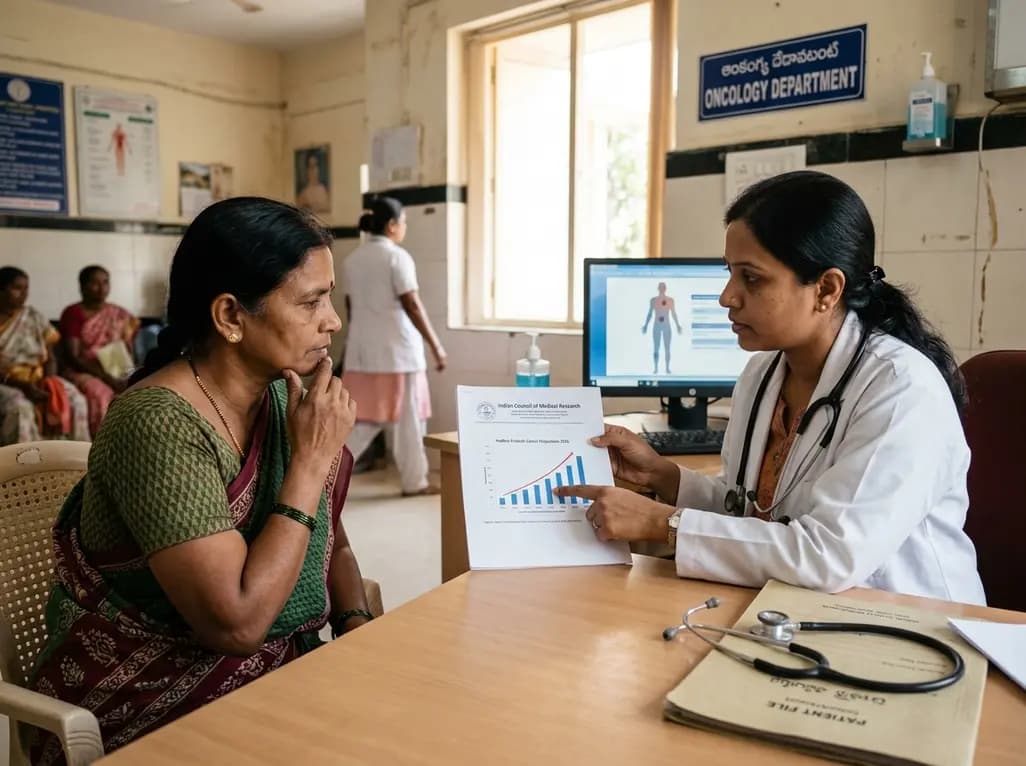
A new ICMR-NINE profile projects 65,000 new adult cancer cases in Andhra Pradesh for 2026, with women carrying the highest burden. The findings underscore an urgent need for oncological infrastructure, early detection initiatives, and public awareness campaigns addressing widespread tobacco and metabolic risk factors.
Today

The FEBE study investigates the prevalence of post-traumatic stress disorder symptoms in women receiving high-dose-rate brachytherapy for cervical cancer, highlighting the critical role of procedural sedation and trauma-informed clinical care.
Today

Aortic root aneurysms often develop silently, yet timely intervention provides a critical window to salvage the native aortic valve. Preserving the patient's own anatomy avoids lifelong anticoagulation, provided clinicians identify root dilatation before secondary leaflet distortion and ventricular failure occur.
Today

A Level I trauma center study shows a brief bedside mental health intervention boosts 30-day follow-up screening adherence by 84% in nonviolent injury patients. However, outcomes for violence survivors reveal critical care gaps, underscoring the urgent need for specialized community violence intervention programs.
Today

A preclinical study demonstrates that the SGLT2 inhibitor remogliflozin attenuates cyclophosphamide-associated peripheral neurotoxicity in rats. Remogliflozin restores antioxidant balance via Nrf2, suppresses NF-κB-driven neuroinflammation, activates PI3K/Akt survival signaling, and preserves structural myelin integrity.
Today
