.webp&w=384&q=75)

Loading, please wait...
Loading, please wait...
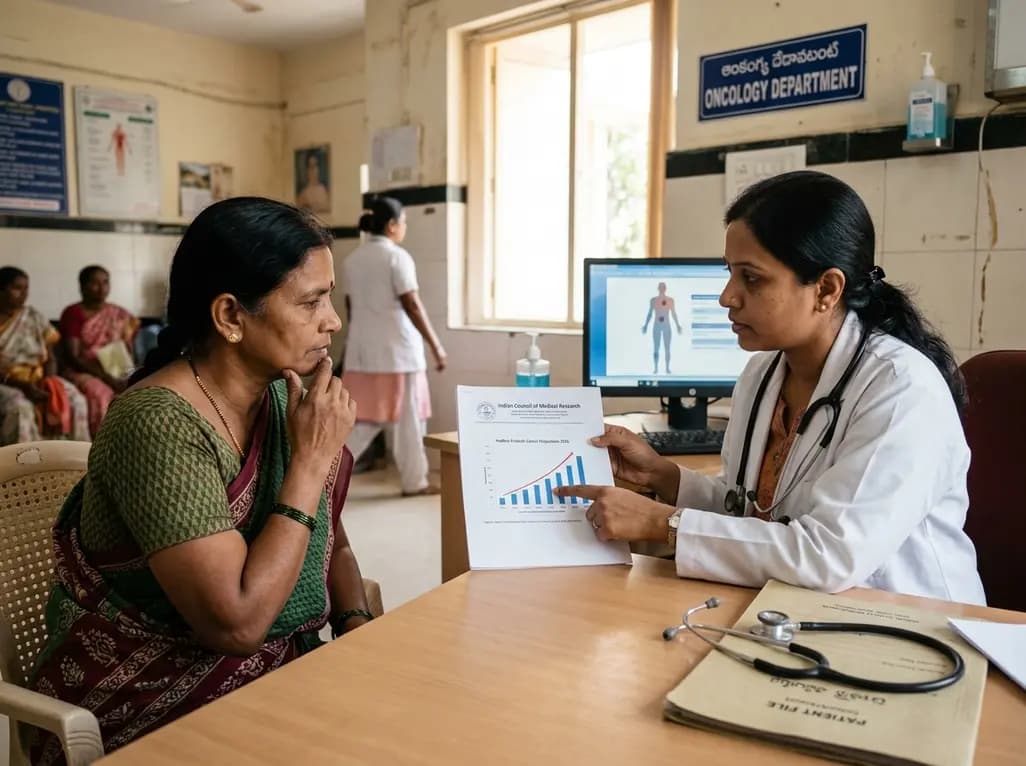
The ICMR-National Institute of NCD Epidemiology recently published the Cancer Burden Profile 2026 for Andhra Pradesh. Consequently, this critical report outlines the escalating cancer burden in Andhra Pradesh across populations. Therefore, clinicians must evaluate these projections to optimize clinical care.
The profile projects that Andhra Pradesh will record nearly 65,000 adult cancer cases in 2026. More specifically, public health registries anticipate 35,646 cases among females and 29,344 cases among males. Thus, women shoulder a substantially greater oncological burden than men across the state. In addition, healthcare facilities will encounter approximately 1,698 pediatric and adolescent cancer cases during the same year. Projections indicate that pediatric cases will reach 1,709 by 2030.
Furthermore, this demographic distribution requires prompt strategic intervention from clinical multidisciplinary teams. Female vulnerability largely reflects elevated incidences of breast and gynecological malignancies. Meanwhile, male vulnerability stems primarily from carcinogenic lifestyle habits and workplace exposures. Currently, Andhra Pradesh operates only one population-based cancer registry in Visakhapatnam. Additionally, twelve hospital-based cancer registries track institutional data across several districts. Therefore, physicians must champion comprehensive clinical documentation across these medical networks. Expanding local data registries will ensure better resource distribution toward high-risk communities. Ultimately, early detection initiatives across peripheral healthcare facilities remain essential for boosting long-term patient survival. Consequently, clinicians should prioritize routine examinations to detect early cellular anomalies. Such diligence saves lives.
Organ-specific data reveals distinct oncological patterns among both men and women. Among men, oral cavity cancer represents the leading malignancy, accounting for 15.3 percent with 4,498 cases. Lung cancer ranks second at 9.7 percent, while colorectal cancer represents 8.8 percent. Furthermore, prostate and stomach malignancies contribute 6.9 percent and 6.2 percent, respectively. Together, these five common malignancies account for nearly 47 percent of the entire male burden.
Conversely, breast cancer dominates the clinical landscape among women, comprising 27.9 percent with 9,941 cases. Cervical cancer ranks second at 12.7 percent of female diagnoses. Colorectal, corpus uteri, and ovarian malignancies represent the remaining top female malignancies. In total, these five neoplasms account for nearly 58 percent of all female cancer presentations. Importantly, tobacco consumption acts as a major catalyst driving many of these diagnoses. The report confirms that 22.6 percent of adult men use tobacco products regularly. In contrast, only 3.8 percent of women report active tobacco usage. Nevertheless, tobacco-related sites include the oral cavity, esophagus, larynx, lung, cervix, and bladder. Alcohol use among 23.3 percent of men compounds this malignant risk substantially. Consequently, physicians must address both substance habits during routine patient checkups.
Despite the high incidence of manageable cancers, routine screening coverage remains critically inadequate throughout the state. Survey findings highlight severe diagnostic deficits among adults aged 30 to 49 years. Specifically, only 4.7 percent of eligible women have ever undergone cervical cancer screening. Even more alarming, merely 0.8 percent of women have undergone a breast examination. Routine oral cavity examinations also reflect widespread neglect across communities. Only 7.3 percent of women and 6.3 percent of men have ever undergone an oral check.
Consequently, many oncologists in Andhra Pradesh continue to diagnose invasive solid tumors at late clinical stages. Advanced presentation severely restricts therapeutic options and increases patient mortality rates. Moreover, late diagnoses drive up catastrophic medical expenditures for families. Primary healthcare providers must therefore spearhead systematic screening programs during everyday clinical visits. Practitioners can easily integrate visual inspection with acetic acid into basic pelvic exams. Similarly, nurses should provide clinical breast exams during maternal health checks. Dental professionals must also inspect oral mucosa thoroughly for suspicious leukoplakia or erythroplakia. Overcoming these widespread screening barriers will rapidly improve cancer outcomes statewide. Thus, early screening prevents avoidable progression.
The ICMR-NINE report highlights that metabolic comorbidities significantly intensify oncological susceptibility among the population. Recent clinical surveys show that overweight and obesity affect 31.1 percent of men and 36.3 percent of women. Additionally, medical officers diagnose systemic hypertension in 29 percent of adult men and 25.3 percent of women. Elevated random blood glucose levels also impact 21.8 percent of men and 19.5 percent of women. These metabolic derangements strongly correlate with colorectal, postmenopausal breast, and endometrial malignancies.
Simultaneously, the publication calculates the state's cancer burden at 2,138 disability-adjusted life years (DALYs) per 100,000 residents. Women experience a slightly higher burden at 2,196 DALYs compared to 2,100 DALYs in men. However, ICMR-NINE cautions clinicians against making direct comparisons with historical state data. The updated estimates incorporate newly formed registries and sophisticated statistical modelling techniques. Therefore, reported changes reflect superior surveillance capabilities rather than an actual epidemiological surge. Clinicians must view these metrics as baseline reference values for healthcare planning. Accordingly, public health teams can utilize this refined data to structure oncological wards efficiently. Proactive clinical management remains critical for long-term prognosis.
Medical practitioners across Andhra Pradesh must convert these statistical findings into decisive clinical interventions. First, primary care physicians must screen patients for behavioral and metabolic risk factors. Doctors must provide assertive counseling for tobacco cessation and medical management for alcohol dependence. Furthermore, clinical teams must emphasize healthy dietary patterns and physical activity to curb obesity. Managing blood pressure and glycemic parameters simultaneously minimizes cardiovascular events and disrupts chronic tumor promotion pathways.
Second, healthcare administrators must enhance regional diagnostic infrastructure across peripheral district hospitals. Tertiary cancer centers should partner with rural health centers to deliver structured screening camps. Consequently, secondary healthcare centers can detect precancerous changes before malignant transformation occurs. Clinicians must also champion human papillomavirus vaccination for young girls to prevent future cervical malignancies. Educating families regarding vaccination will dramatically lower future cervical carcinoma cases. Finally, hospitals must improve institutional reporting to population-based cancer registries. Detailed documentation will assist state epidemiologists in allocating chemotherapy supplies, radiation equipment, and surgical staff efficiently. Through unified clinical action, healthcare providers can mitigate the expanding oncological challenge effectively. Thus, multidisciplinary collaboration remains vital.
Q1: Why do women face a higher cancer burden than men in Andhra Pradesh?
The ICMR-NINE report estimates that women will account for 35,646 of the 65,000 adult cases in 2026. This female predominance stems largely from the high incidence of breast and cervical cancers, which collectively account for over 40 percent of female malignancies. Furthermore, substantial gaps in routine gynecological screening, widespread metabolic obesity, and delayed healthcare seeking contribute to higher overall disability-adjusted life years statewide.
Q2: Which cancers are most prevalent among men in Andhra Pradesh per the report?
Oral cavity cancer is the most prevalent malignancy among men, accounting for 15.3 percent of all male cases. Lung cancer follows at 9.7 percent, colorectal cancer at 8.8 percent, prostate cancer at 6.9 percent, and stomach cancer at 6.2 percent. High rates of tobacco usage and alcohol consumption drive this disease distribution. Consequently, these five anatomical sites represent nearly 47 percent of the male cancer volume.
Q3: Why does ICMR-NINE advise against comparing 2026 estimates with past state data?
ICMR-NINE cautions against direct comparisons because the latest profile incorporates updated registry data, newly activated population-based cancer registries, and advanced statistical estimation methodologies. Consequently, variations in reported figures often reflect improved cancer surveillance, better hospital reporting, and refined diagnostic documentation across districts. These numbers do not necessarily indicate a sudden biological increase or sudden decline in true disease incidence across Andhra Pradesh.
Disclaimer: This content is for informational and educational purposes only. It does not constitute medical advice or replace professional judgment. Refer to the latest local and national guidelines for clinical practice.
References

Read summarized clinical updates, watch expert medical content, and earn CME certifications right from your smartphone.
Open your smartphone camera to scan and install.





A new ICMR-NINE profile projects 65,000 new adult cancer cases in Andhra Pradesh for 2026, with women carrying the highest burden. The findings underscore an urgent need for oncological infrastructure, early detection initiatives, and public awareness campaigns addressing widespread tobacco and metabolic risk factors.
Today
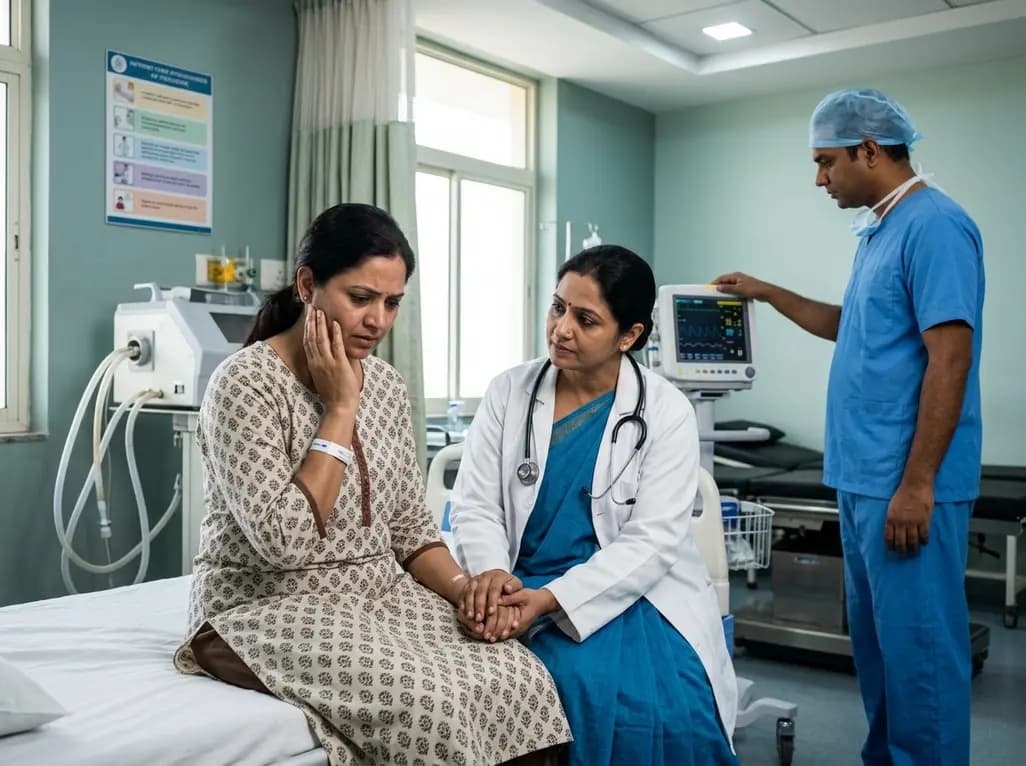
The FEBE study investigates the prevalence of post-traumatic stress disorder symptoms in women receiving high-dose-rate brachytherapy for cervical cancer, highlighting the critical role of procedural sedation and trauma-informed clinical care.
Today
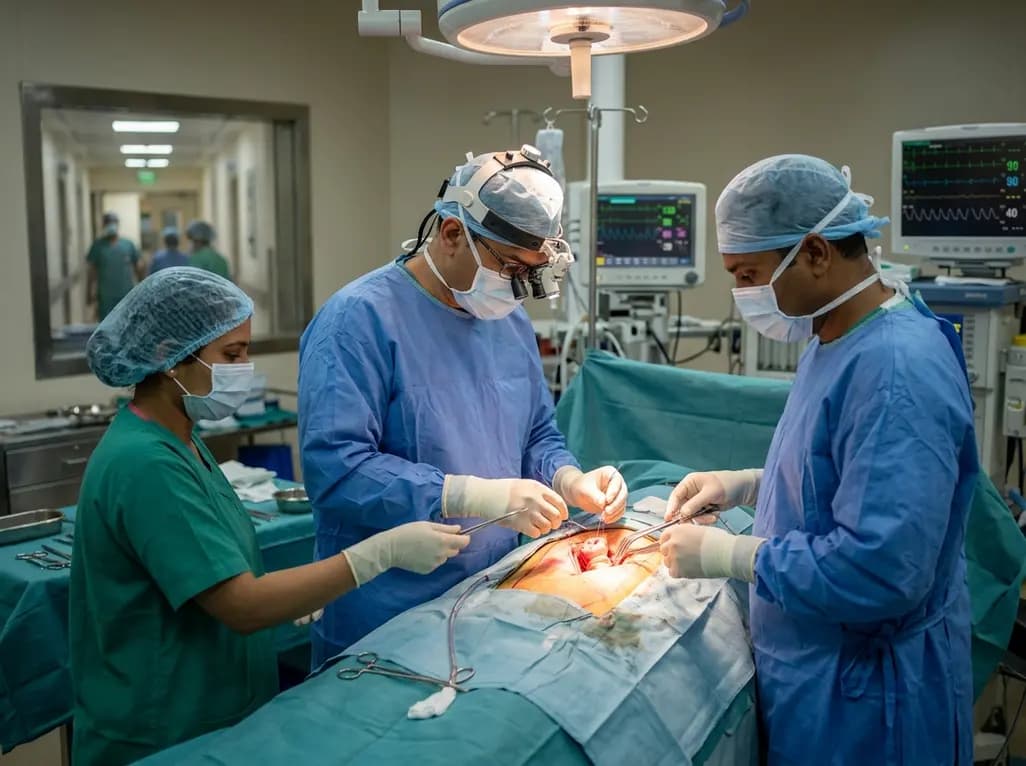
Aortic root aneurysms often develop silently, yet timely intervention provides a critical window to salvage the native aortic valve. Preserving the patient's own anatomy avoids lifelong anticoagulation, provided clinicians identify root dilatation before secondary leaflet distortion and ventricular failure occur.
Today
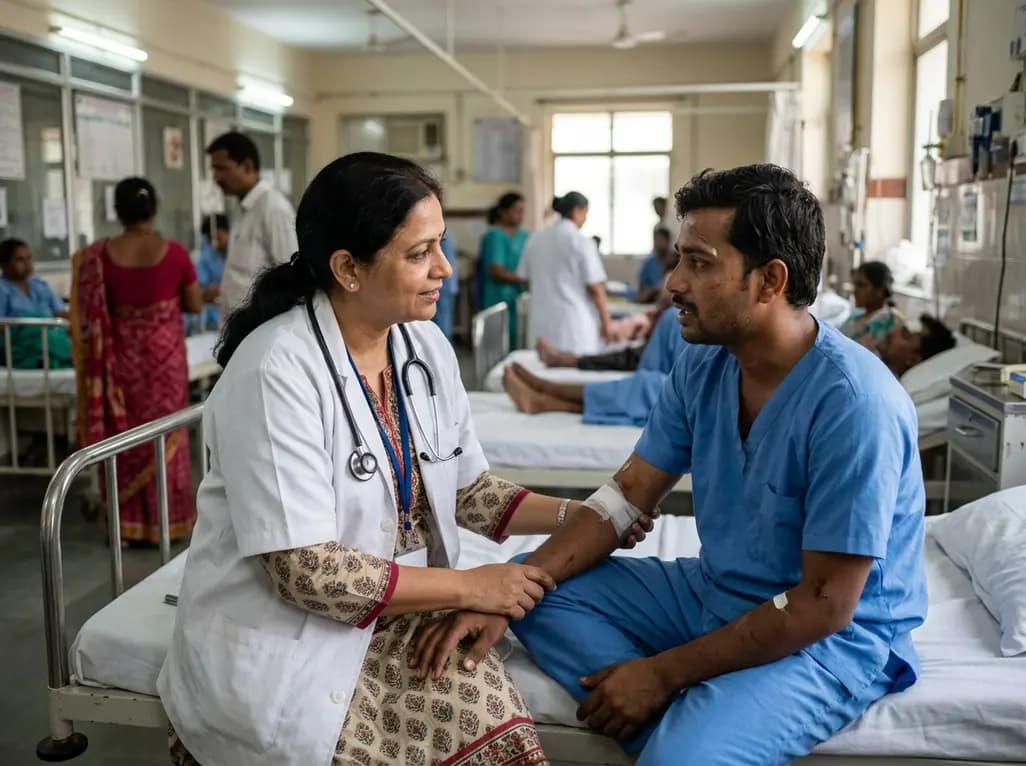
A Level I trauma center study shows a brief bedside mental health intervention boosts 30-day follow-up screening adherence by 84% in nonviolent injury patients. However, outcomes for violence survivors reveal critical care gaps, underscoring the urgent need for specialized community violence intervention programs.
Today

A preclinical study demonstrates that the SGLT2 inhibitor remogliflozin attenuates cyclophosphamide-associated peripheral neurotoxicity in rats. Remogliflozin restores antioxidant balance via Nrf2, suppresses NF-κB-driven neuroinflammation, activates PI3K/Akt survival signaling, and preserves structural myelin integrity.
Today
