.webp&w=384&q=75)

Loading, please wait...
Loading, please wait...

The GZF1-related phenotype (GZF1RP) is a rare genetic disorder characterized by a specific combination of ocular and skeletal abnormalities. Historically, clinicians referred to this condition by multiple names, including autosomal recessive Larsen syndrome (LRS). However, recent studies suggest that GZF1RP represents a distinct clinical entity. While patients share features like short stature and joint dislocations with LRS, the severe ocular manifestations in GZF1RP are significantly more pronounced. Researchers have now identified biallelic variants of the GZF1 gene as the primary cause of this condition.
Identifying the GZF1-related phenotype requires a careful comparison with classic Larsen syndrome caused by FLNB mutations. In contrast to FLNB-related cases, GZF1RP presents with severe ophthalmologic phenotypes. These often include congenital glaucoma, abnormal iris morphology, and severe myopia. Furthermore, the inheritance pattern is autosomal recessive, whereas classic Larsen syndrome typically follows an autosomal dominant pattern. Understanding these differences is crucial for accurate genetic counseling and patient management.
A recent study described three new patients, identifying specific GZF1 variants such as c.1440del (p.His481IlefsTer26) and c.1451_1452del (p.Cys484fs). Moreover, clinicians have identified new radiological findings that further define the GZF1-related phenotype. These findings include cervical segmentation defects, carpal shortening, and lower lumbar sacralization. Some patients also present with clinical features uncommon in previous reports, such as umbilical hernias and congenital heart disease. Consequently, the clinical profile of GZF1RP is broader than initially thought.
A recognizable GZF1RP includes a constellation of symptoms beyond joint hypermobility. Specifically, clinicians should look for severe ocular defects, facial dysmorphism, scoliosis, and thoracic deformity. Additionally, progressive hearing loss, hypodontia, and short stature are common. Because these features overlap with other connective tissue disorders, genetic testing remains the definitive diagnostic tool. Therefore, multidisciplinary teams should prioritize GZF1 testing when ocular and skeletal symptoms coexist in an autosomal recessive pattern.
Patients typically present with severe myopia, congenital glaucoma, and abnormal iris morphology. These ocular defects are often more severe than those seen in other similar skeletal disorders.
New radiological evidence identifies cervical segmentation defects, carpal shortening, and lower lumbar sacralization as specific markers for the GZF1-related phenotype.
Yes, it is an autosomal recessive disorder. This means a child must inherit two copies of the pathogenic GZF1 variant, one from each parent, to develop the condition.
Disclaimer: This content is for informational and educational purposes only. It does not constitute medical advice or a professional diagnosis. Always seek the advice of your physician or another qualified health provider with any questions you may have regarding a medical condition. Refer to the latest local and national guidelines for clinical practice.
References
Yokoyama-Rebollar E et al. Expanding the Genetic and Clinical Spectrum of GZF1-Related Phenotype: A Specific Ocular and Skeletal Disorder Distinguishable From Larsen Syndrome. Am J Med Genet A. 2026 May 22. doi: 10.1002/ajmg.a.70207. PMID: 42170786.
Patel N, et al. GZF1 Mutations Expand the Genetic Heterogeneity of Larsen Syndrome. Am J Hum Genet. 2017 May 4;100(5):831-836. PMID: 28475863.
Zeng L, et al. Novel GZF1 pathogenic variants identified in two Chinese patients with Larsen syndrome. Clin Genet. 2021;99(1):103-108. PMID: 33009817.
"
Read summarized clinical updates, watch expert medical content, and earn CME certifications right from your smartphone.
Open your smartphone camera to scan and install.





New research defines GZF1-related phenotype as a distinct disorder with severe ocular defects and unique skeletal anomalies, separate from Larsen syndrome....
4 months ago

A retrospective cohort study demonstrates that comprehensive pharmacy transitions of care—including admission medication history, discharge review, and 72-hour telephone follow-up—significantly reduced 30-day readmission rates in acute care patients, highlighting the value of pharmacist-led clinical interventions.
Today
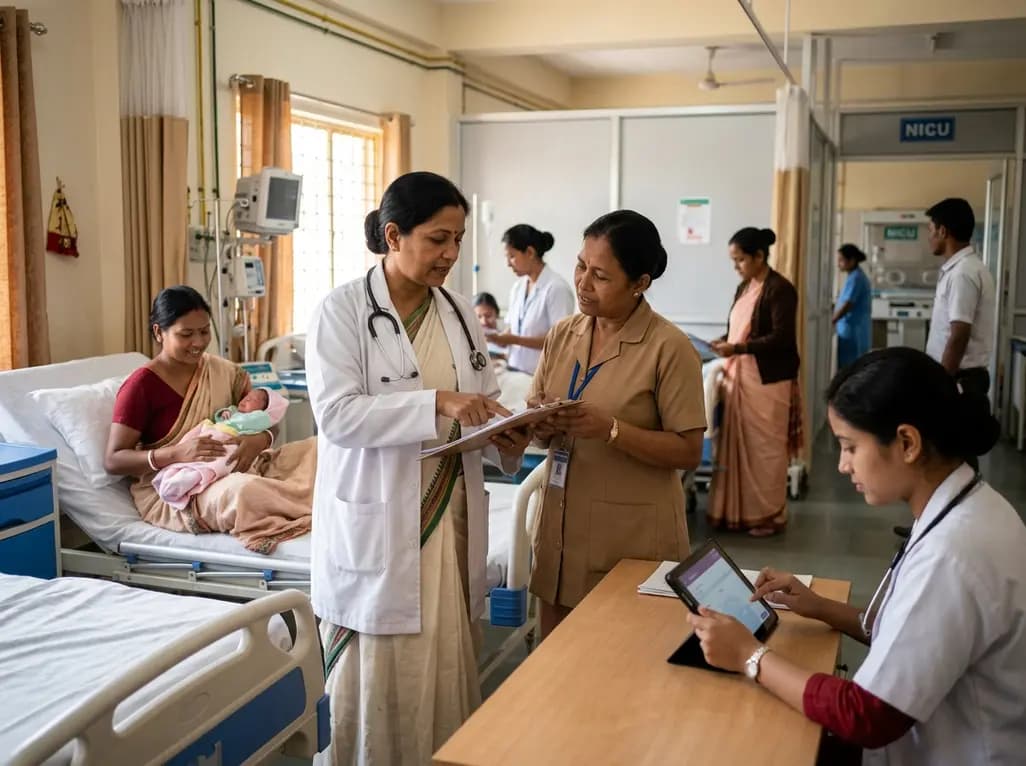
Meghalaya recorded a historic 55% reduction in maternal deaths, dropping from 244 to 107 over five years. Through the MOTHER app, dedicated transit homes, and expanded infrastructure like the 150-bed Tura Maternity Hospital with its first public NICU, the state demonstrates an effective public health model.
Today
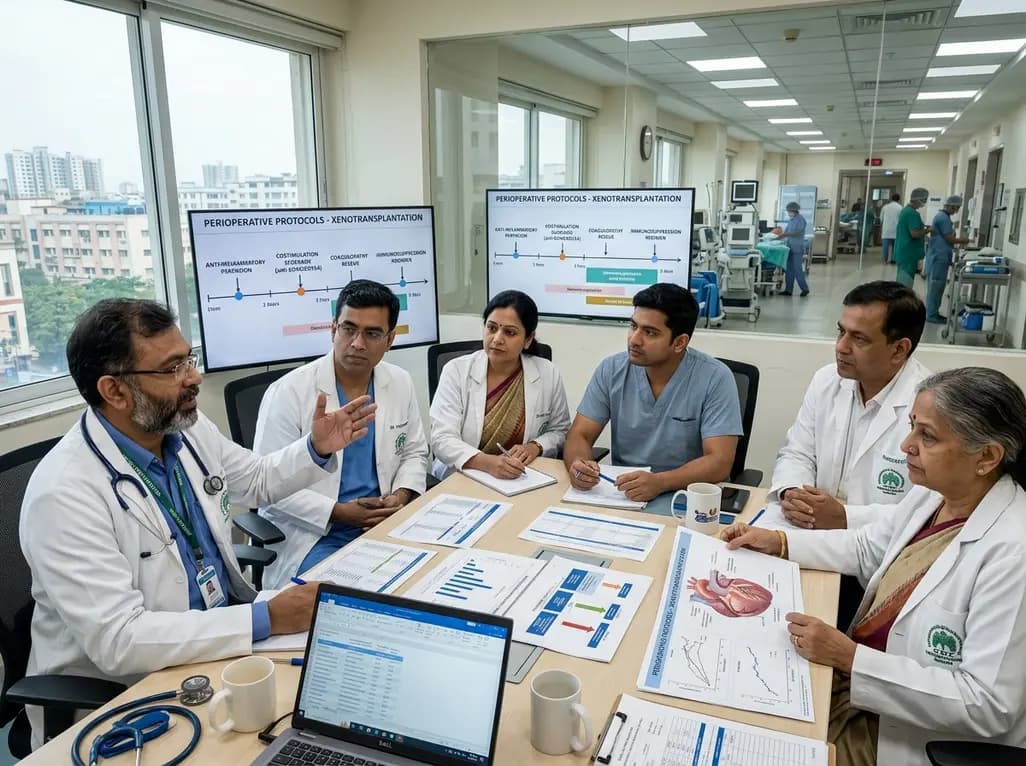
Explore modern perioperative management protocols for clinical xenotransplantation. Learn how costimulation blockade, anti-inflammatory perfusion, and coagulopathy rescue overcome interspecies hurdles.
Today
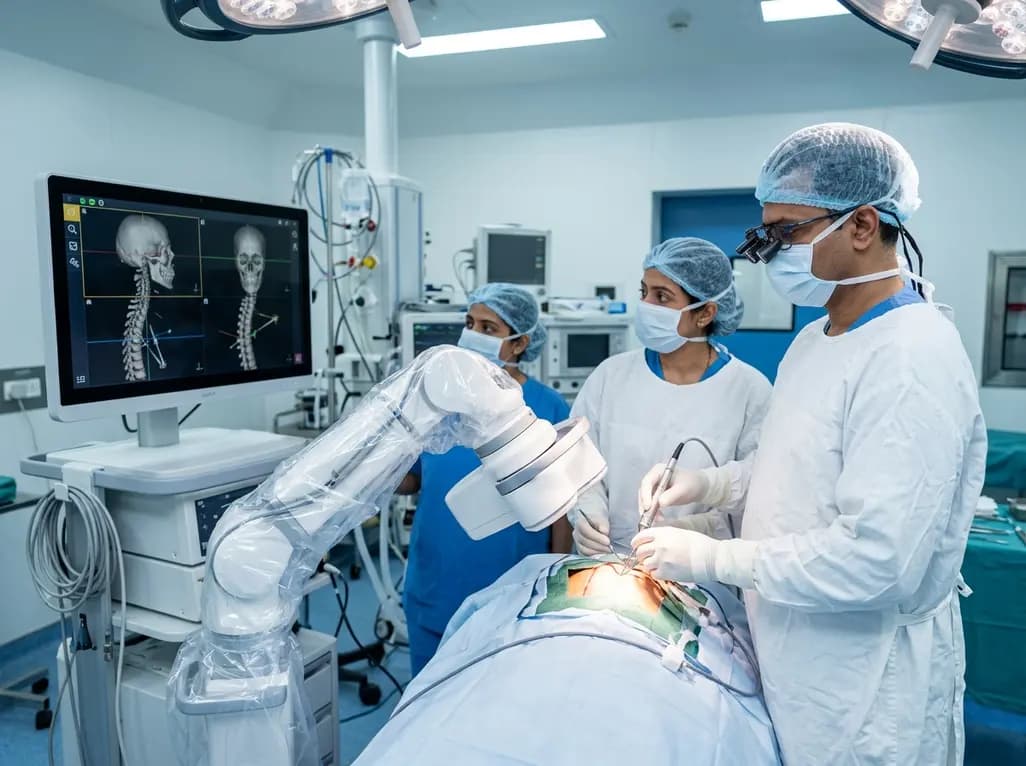
North India's first Centre of Excellence for Brain and Spine at Amrita Hospital Faridabad integrates Brainlab's Loop-X mobile robot. This landmark facility combines cone-beam computed tomography with surgical navigation to elevate precision, optimize operative workflows, and enhance specialized clinician training.
Today
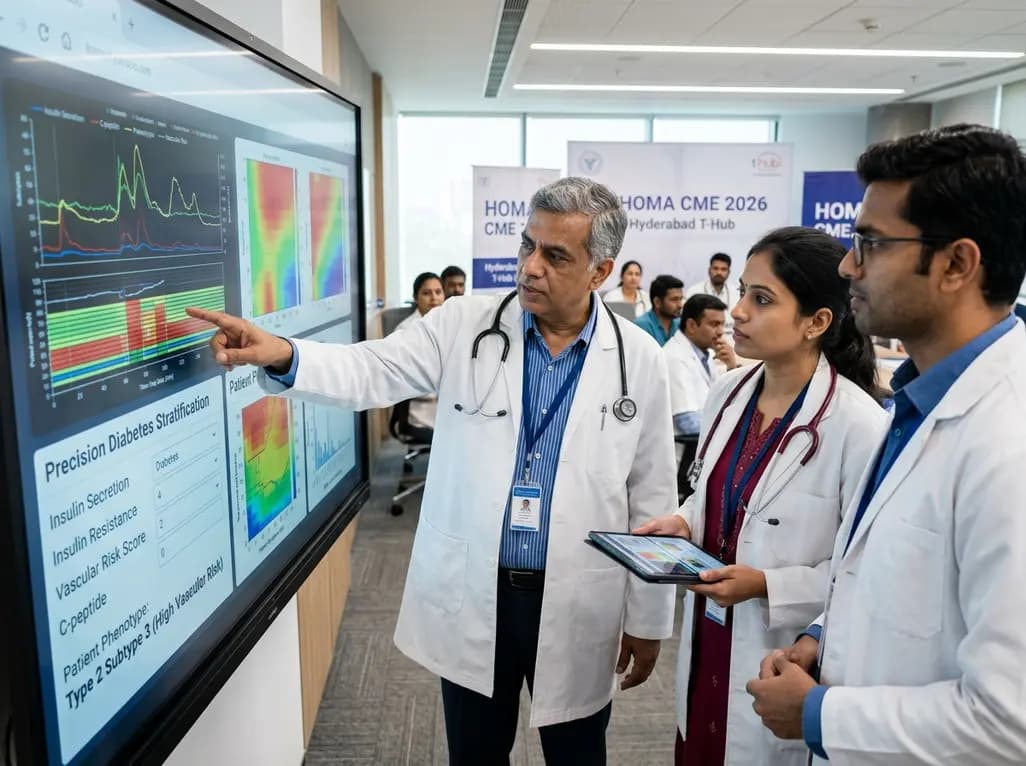
At Homa CME 2026 at Hyderabad's T-Hub, healthcare leaders emphasized moving beyond routine metrics through digital calculators and precision stratification. Discover why characterizing individual insulin secretion, resistance patterns, and vascular risks transforms chronic metabolic care in India.
Today
