.webp&w=384&q=75)

Loading, please wait...
Loading, please wait...

Growing Teratoma Syndrome (GTS) represents a rare and often confusing clinical phenomenon in pediatric oncology and gynecology. Specifically, physicians observe enlarging tumor masses during or after chemotherapy for malignant germ cell tumors. However, these patients simultaneously show declining or normalized serum tumor markers. This paradoxical growth frequently leads to a misdiagnosis of disease progression, which may result in unnecessary or harmful treatment modifications.
A recent case series highlighted two Black African females, aged 10 and 12 years, who presented with malignant ovarian tumors. Initially, both patients exhibited significantly elevated alpha-fetoprotein (AFP) and B-human chorionic gonadotropin (B-HCG) levels. Following the initiation of standard chemotherapy, their abdominal tumors continued to enlarge. Consequently, clinical teams initially feared treatment failure. However, their serum tumor markers continued to decline toward normal ranges, suggesting a biochemical response to therapy despite the physical growth.
Subsequent surgical removal of these progressing masses revealed mature teratoma components with no evidence of residual malignancy. This finding confirms that the enlarging masses consisted of benign, differentiated tissues. Furthermore, researchers suggest that chemotherapy may selectively destroy malignant cells while allowing benign teratomatous elements to flourish or mature. Therefore, maintaining a high index of suspicion is vital when imaging shows growth alongside falling markers.
Early identification of this syndrome is essential to prevent the administration of ineffective and toxic salvage chemotherapy. Since mature teratomas are chemoresistant and radioresistant, complete surgical resection remains the gold standard of care. Moreover, the prognosis for patients with GTS is generally excellent once they undergo total excision. Surgeons must aim for clear margins to minimize the risk of local recurrence or future malignant transformation.
Diagnosis requires three specific criteria: an enlarging or new mass during or after chemotherapy for a non-seminomatous germ cell tumor, normalized or declining serum tumor markers (AFP/HCG), and histopathological confirmation of mature teratoma without malignant cells.
The growth occurs because chemotherapy successfully eliminates the malignant components, but the benign mature teratoma cells remain. These residual cells can expand or differentiate, creating the appearance of disease progression despite the loss of active malignancy.
Long-term surveillance is necessary because mature teratomas can occasionally recur or undergo malignant transformation. Clinicians should use regular imaging and tumor marker monitoring to ensure early detection of any new developments.
Disclaimer: This content is for informational and educational purposes only. It does not constitute medical advice or establish a doctor-patient relationship. Always seek the advice of a qualified healthcare provider regarding any medical condition. Refer to the latest local and national guidelines for clinical practice.
References

Read summarized clinical updates, watch expert medical content, and earn CME certifications right from your smartphone.
Open your smartphone camera to scan and install.





Growing Teratoma Syndrome (GTS) presents as enlarging masses during chemotherapy despite declining tumor markers. This case series explores two pediatric ca...
3 months ago

A breakthrough study demonstrates that BAP31 protects against acute lung injury by inhibiting ferroptosis in alveolar epithelial cells. Through activating the AKT/GSK3β/Nrf2 pathway and upregulating GPX4 and HMOX1, BAP31 preserves the alveolar-capillary barrier, offering novel avenues for critical care management.
Today

A recent longitudinal study evaluated the link between prenatal loss of control eating and cardiovascular health using Life's Essential 8 frameworks. While direct associations across pregnancy were non-significant, the high prevalence of dysregulated eating highlights critical implications for obstetric practice.
Today
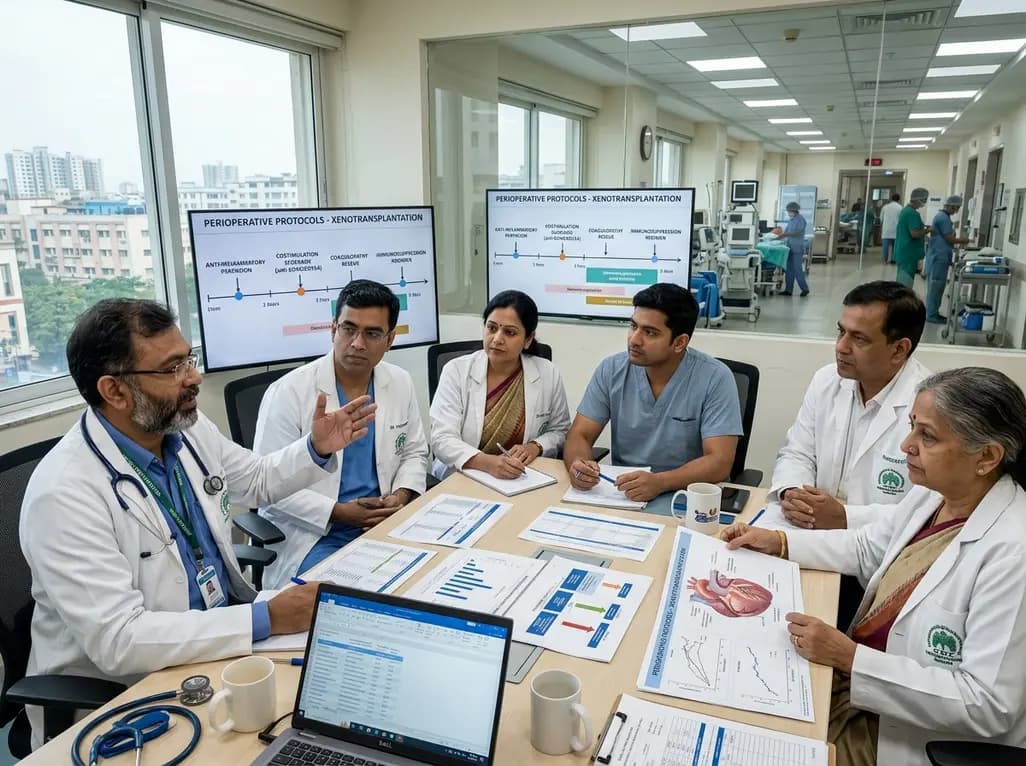
Explore modern perioperative management protocols for clinical xenotransplantation. Learn how costimulation blockade, anti-inflammatory perfusion, and coagulopathy rescue overcome interspecies hurdles.
Today
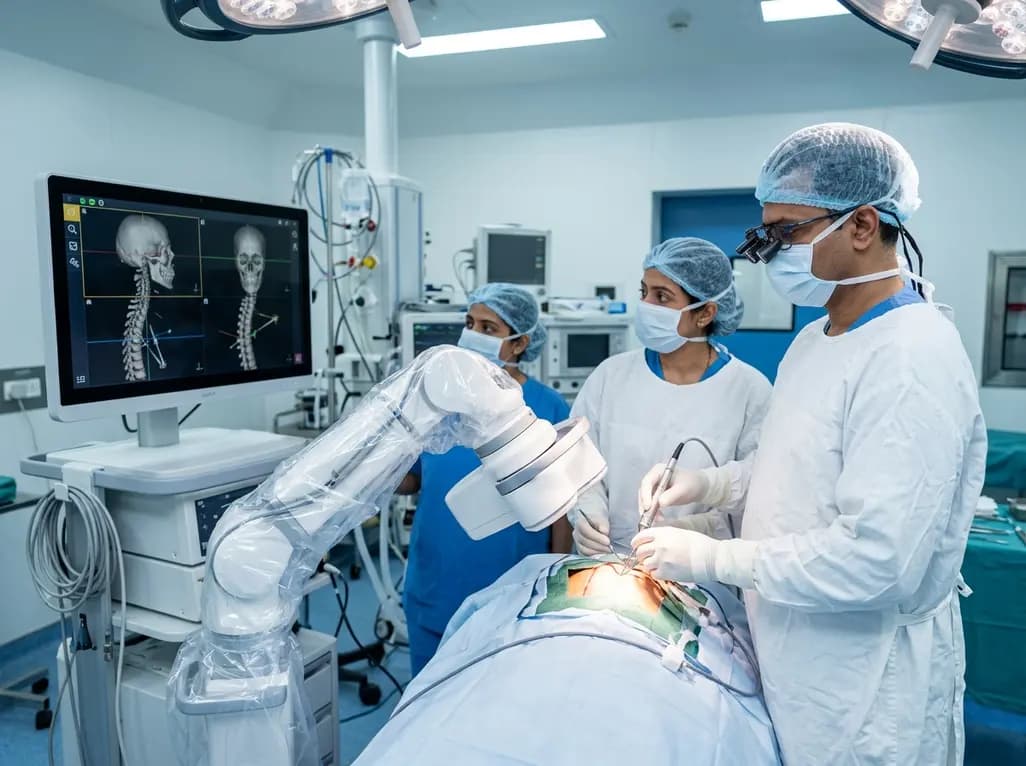
North India's first Centre of Excellence for Brain and Spine at Amrita Hospital Faridabad integrates Brainlab's Loop-X mobile robot. This landmark facility combines cone-beam computed tomography with surgical navigation to elevate precision, optimize operative workflows, and enhance specialized clinician training.
Today
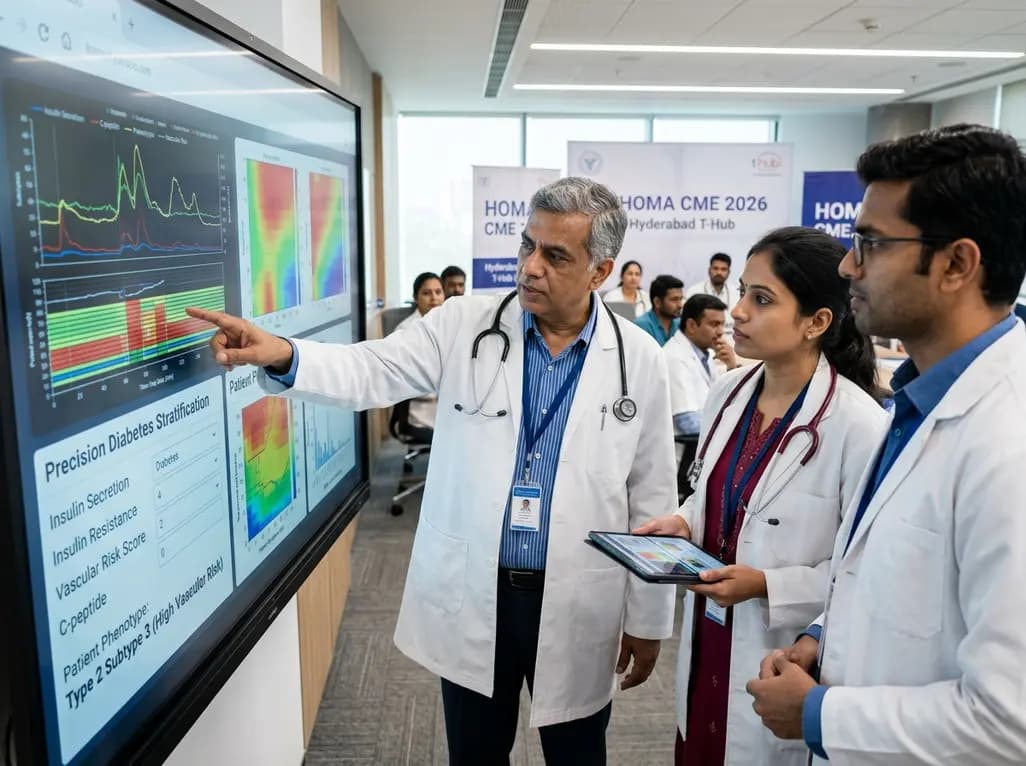
At Homa CME 2026 at Hyderabad's T-Hub, healthcare leaders emphasized moving beyond routine metrics through digital calculators and precision stratification. Discover why characterizing individual insulin secretion, resistance patterns, and vascular risks transforms chronic metabolic care in India.
Today
