

Loading, please wait...
Loading, please wait...

Patients presenting with grade 2 lumbar spondylolisthesis experience notable mechanical instability and debilitating neurological compression. Grade 2 slip represents a 25% to 50% displacement of one lumbar vertebra over another. Consequently, this structural failure produces chronic lower back pain and spinal canal compromise. Although physical disability remains well documented, nocturnal suffering represents a neglected clinical crisis. Indeed, over ninety percent of surgical candidates report persistent sleep disturbance prior to intervention. Recumbency and bed mobility often exacerbate mechanical nerve root tension. Therefore, patients suffer from persistent nocturnal awakenings, unrefreshing rest, and secondary sleep fragmentation. Chronic sleep deficit amplifies systemic inflammation and lowers central pain thresholds. Furthermore, continuous sleep deprivation significantly deteriorates psychological well-being and daily functioning. Clinicians frequently evaluate pain scores while overlooking sleep restoration as a major clinical endpoint. However, evaluating restorative sleep provides crucial insight into structural spine recovery. Consequently, understanding how decompression and fusion alleviate sleep deprivation remains paramount for spine specialists. Addressing this dimension allows surgeons to align clinical goals with direct patient-reported recovery priorities.
High-quality clinical registries provide real-world insights into long-term patient outcomes across diverse hospital settings. Specifically, investigators evaluated prospective data from the comprehensive multicenter Spine CORe study group within the Quality Outcomes Database. This rigorous analysis encompassed 328 adult patients who underwent spinal surgery for symptomatic high-grade slippage. Researchers systematically tracked sleep parameters alongside standard functional metrics preoperatively and postoperatively. Specifically, assessments occurred at 3 months, 12 months, 24 months, and 60 months following surgical intervention. The investigators utilized the validated sleep item of the Oswestry Disability Index to measure nightly disruption. In addition, minimal clinically important difference thresholds defined meaningful functional recovery. Firth penalized logistic regression models controlled for baseline confounders during multivariate predictive analyses. Furthermore, the registry maintained an exceptional 81% follow-up rate among surviving patients at five years. By tracking longitudinal trajectories across 14 specialized spine centers, the investigation established robust real-world evidence. Consequently, the study offers definitive clarity regarding sustained nocturnal recovery following reconstructive spinal procedures.
Surgical intervention yields rapid and durable improvements in sleep architecture for the vast majority of patients. Baseline evaluations revealed that an astonishing 91.5% of cohort participants suffered from baseline sleep disturbance. Following surgical decompression and stabilization, sleep scores demonstrated rapid early recovery within the initial postoperative months. Moreover, these substantial gains persisted throughout the entire five-year observation period without significant decay. At 60 months postoperatively, 74% of evaluated patients maintained clinically meaningful improvement in sleep disturbance. Conversely, approximately 26% of individuals continued to report unresolved nocturnal difficulties. Successful stabilization of vertebral translation directly eliminates dynamic micro-instability during sleep position changes. Furthermore, decompressive laminectomy relieves direct mechanical ischemia on congested nerve roots within the lateral recesses. Consequently, quiet recumbency no longer triggers severe radicular or axial exacerbations. As a result, patients regain uninterrupted sleep cycles that facilitate physiological tissue repair and psychological restoration. These compelling five-year findings demonstrate that spinal reconstruction generates durable relief from severe nocturnal disability.
The resolution of sleep disturbance closely parallels dramatic gains across primary clinical outcomes. Patients who achieved restorative sleep at five years demonstrated significantly higher rates of clinically meaningful pain relief. Specifically, 80.5% of patients with improved sleep achieved meaningful back pain relief, compared to only 50.0% among non-improvers. Similarly, meaningful leg pain alleviation occurred in 83.6% of sleep-improved patients versus 53.4% of persistent poor sleepers. In addition, functional independence showed a striking disparity between these cohorts. Nearly 63% of patients with resolved sleep issues reached meaningful thresholds on the Oswestry Disability Index. In sharp contrast, only 5.3% of individuals with persistent sleep disruption achieved equivalent disability improvements. Furthermore, health-related quality of life, measured via the EQ-5D, showed profound enhancements in the sleep-improved cohort. Notably, overall surgical satisfaction reached 88.5% in patients with restored sleep. Thus, nocturnal recovery serves as a powerful barometer for holistic clinical success and surgical satisfaction.
Identifying prognostic factors helps clinicians tailor preoperative counseling and optimize post-surgical expectations. Through multivariate Firth logistic regression, researchers examined numerous baseline demographic, surgical, and radiographic variables. Interestingly, standard anatomical parameters, operative approach, and baseline deformity magnitude did not independently dictate long-term sleep recovery. Instead, private healthcare insurance emerged as the sole independent predictor of successful five-year sleep improvement. Patients with private insurance exhibited more than double the odds of achieving sustained sleep restoration. This correlation highlights the profound impact of socioeconomic status on comprehensive postoperative rehabilitation. Furthermore, individuals with comprehensive coverage often experience fewer financial stressors and enjoy enhanced access to physical therapy. In addition, socioeconomic security reduces work-related physical strain during critical postoperative recovery phases. Chronic socioeconomic stress can perpetuate sympathetic nervous system overactivity, thereby sustaining sleep fragmentation despite mechanical anatomical correction. Consequently, spine specialists must consider comprehensive social determinants alongside anatomical pathology when planning interventions.
These robust registry findings demand a paradigm shift in how spinal surgeons assess surgical success. Historically, surgeons prioritized radiographic fusion and localized mechanical pain scores as primary benchmarks. However, persistent sleep fragmentation exacts an enormous toll on cardiovascular health, immune vigor, and cognitive stamina. Therefore, clinicians must routinely incorporate validated sleep metrics into preoperative and postoperative evaluations. When patients with grade 2 lumbar spondylolisthesis present with severe sleep disruption, targeted surgical decompression and fusion provide substantial hope. Additionally, clinicians should identify persistent non-mechanical sleep drivers when evaluating patients with suboptimal recovery. Multimodal perioperative care should combine structural stabilization with structured behavioral sleep hygiene protocols. Moreover, timely post-surgical pain management and physical rehabilitation further consolidate nocturnal gains. Ultimately, addressing sleep disruption transforms spinal reconstructive surgery from simple structural realignment into comprehensive biological restoration. By optimizing nighttime recovery, spine specialists empower patients to achieve lifelong functional vitality.
Sleep disturbance affects more than 90% of individuals with symptomatic grade 2 spondylolisthesis prior to surgical management. Severe nocturnal mechanical instability, foraminal stenosis, and nerve root compression frequently trigger positional pain. Consequently, patients experience fragmented rest, prolonged sleep latency, and frequent nighttime awakenings that severely compromise their overall quality of life.
Yes, surgical intervention delivers sustained benefits over extended periods. Clinical registries demonstrate that approximately 74% of patients maintain meaningful sleep restoration five years postoperatively. Decompression and solid arthrodesis stabilize structural spinal slippage, relieving nerve root irritation and minimizing nocturnal mechanical pain during recumbency and positional changes during sleep.
Postoperative sleep recovery closely parallels broader functional restoration. Patients experiencing substantial sleep improvements achieve significantly greater reductions in low back and radicular leg pain. Furthermore, restorative sleep enhances physical rehabilitation, decreases Oswestry Disability Index scores, and boosts general health-related quality of life, leading to substantially higher overall surgical satisfaction rates.
Disclaimer: This content is for informational and educational purposes only and is not intended as medical advice, diagnosis, or treatment. Always consult a qualified healthcare provider regarding any clinical condition. Never disregard professional medical advice or delay seeking it because of something you have read here. The findings discussed reflect observational cohort data and do not substitute for individualized surgical decision-making. Refer to the latest local and national guidelines for clinical practice.
References

Read summarized clinical updates, watch expert medical content, and earn CME certifications right from your smartphone.
Open your smartphone camera to scan and install.





A multicenter Spine CORe analysis reveals that over 90% of patients with grade 2 lumbar spondylolisthesis suffer from baseline sleep disturbance. Surgical treatment yields durable 5-year sleep improvements in 74% of patients, which strongly correlate with significant relief in back pain and disability.
Today

Review how tailored exercise programs benefit frail older patients with heart failure. Explore pathophysiological mechanisms, individualized training prescriptions, and strategies to overcome adherence barriers in clinical practice.
Today
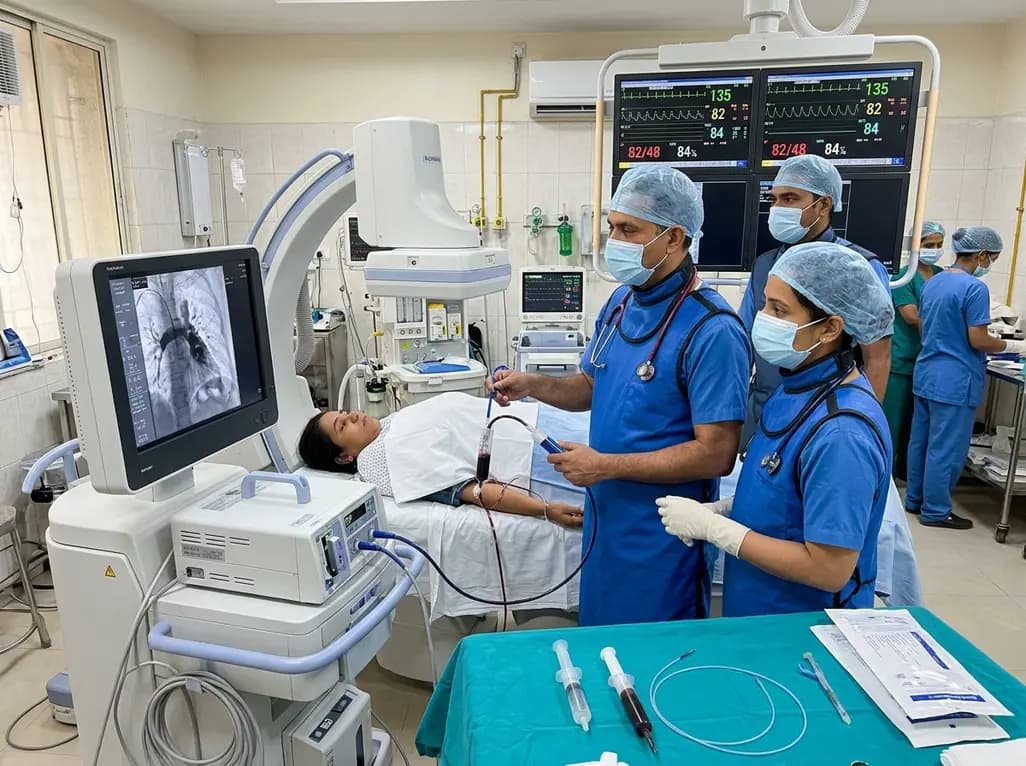
In high-risk pulmonary embolism complicated by severe anemia and active uterine bleeding, systemic thrombolysis is contraindicated. Large-bore aspiration thrombectomy provides rapid hemodynamic rescue without fibrinolysis, supported by inferior vena cava filter placement and multidisciplinary critical care.
Today

A cross-sectional study in Zanzibar reveals that 46.5% of adults with type 2 diabetes experience multidomain autonomic dysfunction on the COMPASS-31 tool, primarily orthostatic intolerance, while 45.9% exhibit cardiovascular autonomic neuropathy, highlighting the urgent need for structured clinical screening.
Today

This comparative study evaluates posterior labral tears with and without glenohumeral instability, highlighting distinct demographic patterns, MRI underestimation in stable shoulders, and successful arthroscopic repair outcomes.
Today
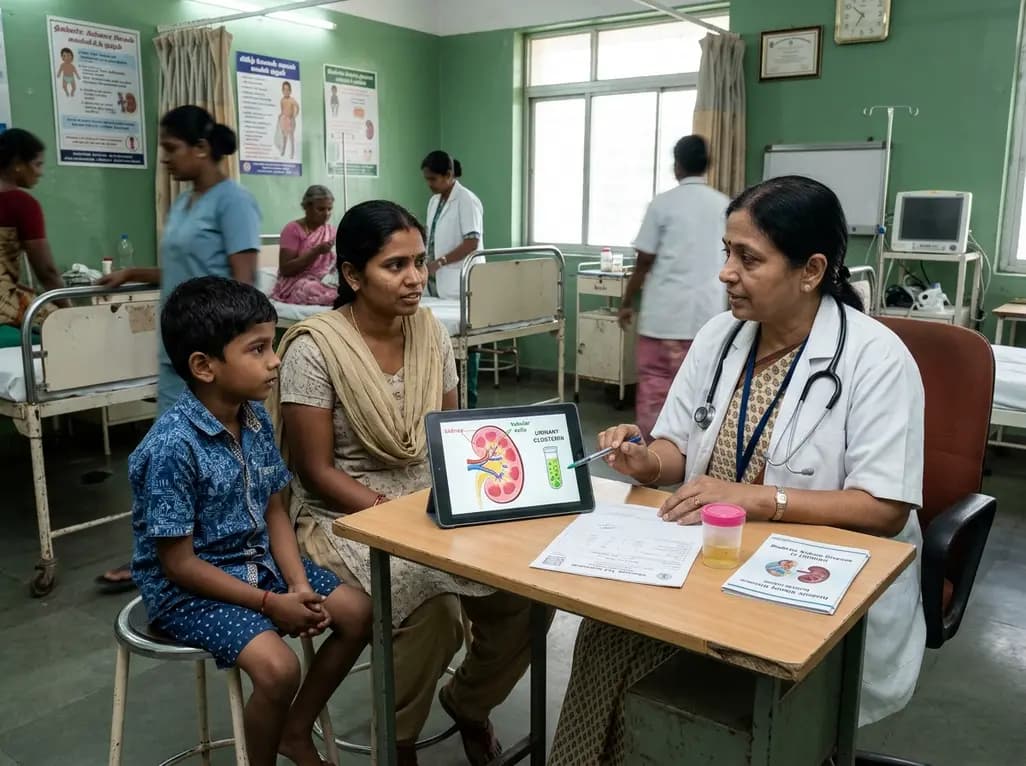
A recent case-control study reveals that urinary clusterin provides superior diagnostic performance for early diabetic kidney disease detection in pediatric type 1 diabetes mellitus, identifying tubular damage before conventional microalbuminuria occurs.
Today
