

Loading, please wait...
Loading, please wait...

Acute inflammatory arthritis triggers excruciating joint pain, profound swelling, and severe functional impairment. Clinicians routinely assess symptomatic improvement through subjective patient reports. However, objective physiological parameters yield deeper insights into recovery. A landmark prospective study recently investigated how gout flare resolution associates with daily physical activity and nocturnal sleep parameters. By deploying wrist-worn remote monitoring technology and digital symptom diaries, researchers quantified real-world functional recovery across distinct post-flare intervals. Consequently, these findings offer vital objective evidence that could reshape how physicians define complete clinical remission after an acute attack.
Gout flares impose severe physical disability on affected individuals. Pain frequently strikes lower extremity joints such as the first metatarsophalangeal joint, ankle, or midfoot. As a result, patients experience marked mobility restrictions and sleep disturbances during acute episodes. Despite the frequent occurrence of these painful episodes, rheumatologists still lack a universally accepted, standardized definition for gout flare resolution. Current clinical trials and observational studies primarily rely on subjective patient reporting. For instance, individuals report pain scores on numerical rating scales. While subjective assessments remain indispensable, they often introduce substantial recall bias. Furthermore, day-to-day pain fluctuations make it difficult to determine the exact end of an inflammatory event. Without an objective benchmark, clinicians struggle to differentiate lingering low-grade inflammation from true recovery. Therefore, incorporating wearable sensor data into flare definitions provides a promising solution. Continuous tracking illuminates subtle changes in ambulatory function. Consequently, establishing validated, objective criteria for gout flare resolution will significantly improve endpoint accuracy in clinical trials and enhance everyday patient management.
To address this diagnostic challenge, researchers designed a robust prospective observational study involving 81 adult participants diagnosed with gout. Each participant experienced at least one documented gout flare during a comprehensive six-month follow-up period. The investigators captured daily flare occurrence through validated smartphone diaries. Meanwhile, participants continuously wore actigraphy-enabled wrist trackers to measure physiological variables in their home environments. Specifically, the trackers logged daily step counts alongside sleep parameters, including total sleep duration and deep sleep percentage. To evaluate recovery trajectories, the researchers compared flare intervals against three distinct resolution timeframes. First, they analyzed timeframe T1, which captured the single day immediately following the reported flare. Second, they evaluated timeframe T2, defined as a post-flare period equal in duration to the flare itself. Finally, they assessed timeframe T3, an equivalent window occurring after a dedicated washout period. The investigators utilized linear quantile mixed models to estimate adjusted median differences. Thus, this statistical methodology minimized bias while accounting for intra-individual variability over time.
The study generated compelling empirical evidence regarding ambulation dynamics during and after gout attacks. Notably, daily step counts dropped dramatically during active flares compared to all predefined resolution timeframes. Patients took significantly fewer steps when experiencing acute joint inflammation. However, physical activity rebounded promptly once the flare subsided. During the immediate post-flare day (T1), median step counts increased substantially relative to the flare period. Furthermore, this recovery persisted through the extended observation windows T2 and T3 with high statistical significance. These observations indicate that walking capacity serves as a sensitive, real-time surrogate marker for joint inflammation. When intense pain diminishes, patients instinctively resume basic weight-bearing activities. Moreover, the rapid rebound during timeframe T1 demonstrates that functional restoration begins almost immediately after perceived flare cessation. In contrast, patients who experience prolonged mobility deficits may still harbor subclinical synovitis. Therefore, longitudinal step counting offers objective proof of joint recovery that subjective pain scales cannot capture alone.
In addition to assessing physical activity, the investigation explored sleep metrics across the entire flare trajectory. Severe pain frequently disrupts rest, compelling patients to awaken repeatedly throughout the night. Consequently, the research team analyzed total sleep time and the proportion of deep sleep recorded by the wearable devices. Although sleep disturbances frequently accompany acute arthritis, the objective sleep variables demonstrated nuanced patterns compared to step counts. Painful nocturnal awakenings undeniably burden patients during peak inflammatory episodes. Nevertheless, total sleep duration often fluctuates due to compensatory daytime naps or extended bed rest. In contrast, deep sleep percentage reflects physiological sleep quality and restorative capacity more faithfully. While step count differences demonstrated clear statistical significance across all resolution timeframes, sleep metrics exhibited greater variability among participants. Thus, individual coping mechanisms likely influence nocturnal parameters during joint recovery. Future investigations must therefore refine sleep algorithms to isolate pain-induced micro-arousals from normal nighttime restlessness.
These prospective findings carry vital clinical implications for rheumatology practices and clinical trial designs. Currently, trial endpoints frequently depend on subjective symptom resolution, which risks inconsistent reporting across diverse patient cohorts. However, pairing digital activity monitoring with patient-reported outcomes provides a comprehensive assessment of disease control. For clinicians managing chronic hyperuricemia, monitoring step count restoration can verify whether flare prophylactic strategies and anti-inflammatory therapies work effectively. In routine outpatient care, digital tracking tools also empower patients to take an active role in their disease management. When patients observe their physical activity returning to baseline, they gain confidence in their treatment regimen. Furthermore, these objective data points can alert physicians to lingering musculoskeletal impairment or incomplete flare resolution. As healthcare systems increasingly integrate digital health technologies, wearable trackers could bridge the gap between periodic clinic visits and everyday symptom burden. Consequently, physical activity metrics will likely play a central role in formal consensus definitions for gout recovery.
Research shows that daily step counts increase significantly during gout flare resolution compared to active inflammatory episodes. During an acute flare, intense joint pain and swelling severely restrict walking. However, once inflammation subsides, patients rapidly regain functional mobility. Wrist-worn actigraphy demonstrates a notable rebound in steps on the very first day following flare cessation, confirming that ambulatory activity serves as a sensitive, objective indicator of clinical joint recovery.
Defining flare resolution remains challenging because clinicians traditionally rely on subjective patient reporting rather than standardized biological criteria. Pain tolerance varies widely among individuals, and residual tenderness often blurs the line between active inflammation and complete remission. Additionally, patient recall bias can distort retrospective diary logs. Integrating objective parameters, such as continuous actigraphy step counts and physiological sleep metrics, helps clinicians accurately distinguish persistent subclinical arthritis from complete symptom resolution.
Wearable trackers offer an effective, non-invasive method to monitor recovery remotely. By continuously recording real-world physical activity and nocturnal sleep patterns, these smart devices provide clinicians with objective functional data between clinic visits. A measurable return to baseline step counts signals that joint inflammation has resolved. Consequently, remote physiological monitoring can enhance clinical trial accuracy, optimize urate-lowering therapy adjustments, and support timely interventions during painful flare recurrences.
Disclaimer: This content is for informational and educational purposes only and should not be considered medical advice. Always consult a qualified healthcare professional regarding any medical condition or treatment decisions. Refer to the latest local and national guidelines for clinical practice.
References

Read summarized clinical updates, watch expert medical content, and earn CME certifications right from your smartphone.
Open your smartphone camera to scan and install.





A prospective remote-monitoring study reveals how gout flare resolution correlates with objective improvements in daily physical activity and nocturnal sleep. The findings offer novel digital biomarkers to define complete clinical recovery.
Today
A systematic review of 56 studies classifies hospital nurse occupational hazards into physical, chemical, biological, ergonomic, and psychosocial domains. It outlines crucial protective behaviors and institutional guidelines needed to ensure clinician safety, operational resilience, and optimal patient care.
Today
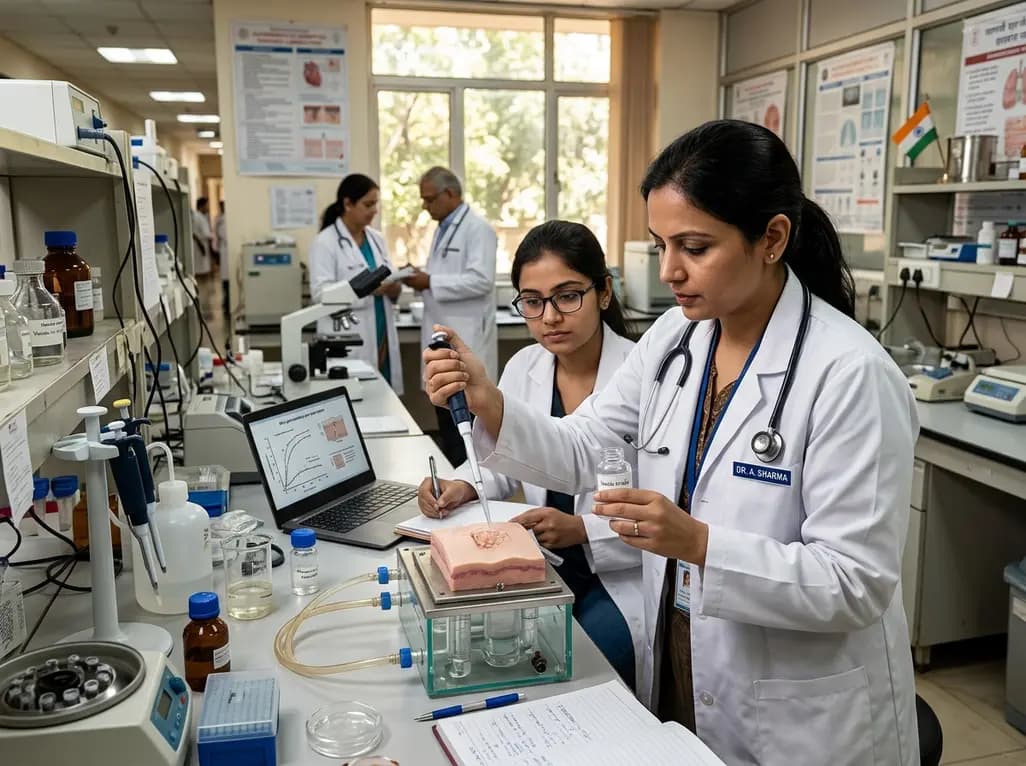
A novel high-permeation vesicle-in-gel platform enhances transdermal fulvestrant delivery, achieving sustained release, robust intradermal retention, and superior antitumor efficacy in breast cancer models while circumventing the drawbacks of painful intramuscular depot injections.
Today
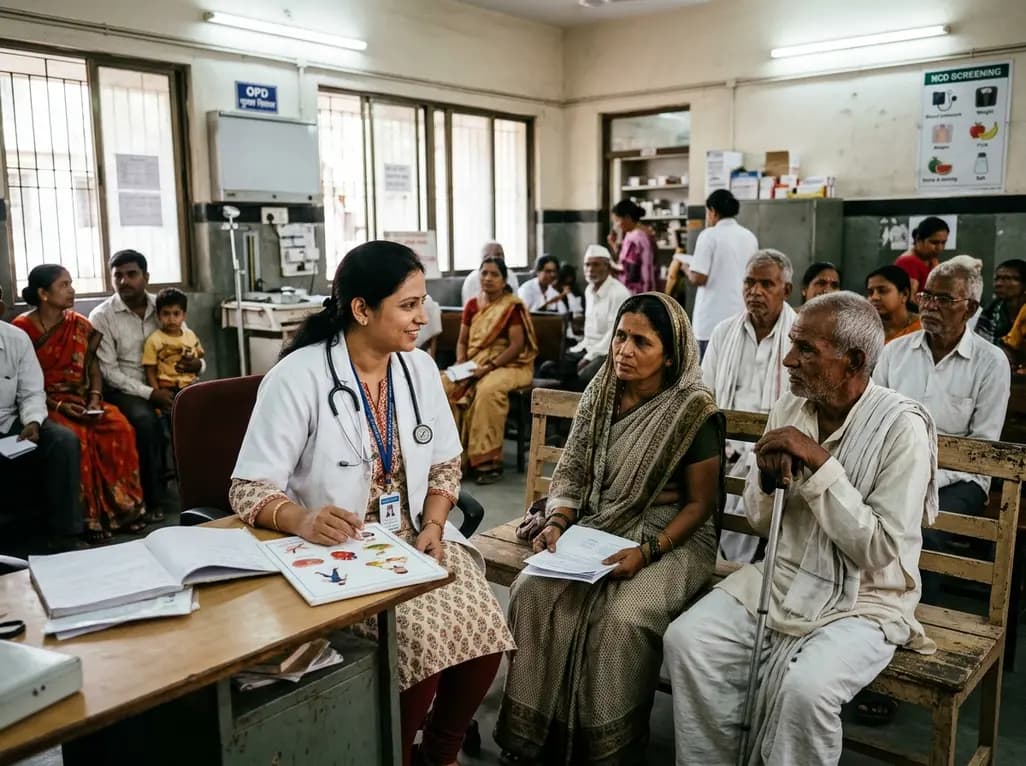
A landmark ten-year WHO report reveals how socioeconomic status, geography, and gender disparities profoundly aggravate chronic disease risks, diagnosis delays, and therapeutic outcomes globally. Discover actionable primary care strategies to bridge screening divides and optimize vulnerable patient management.
Today
A recent single-institution analysis identifies advanced patient age and progressive systemic disease as primary negative prognostic factors for five-year survival in chondrosarcoma, underscoring the urgent necessity of precise risk stratification, clear surgical margins, and dedicated oncologic follow-up.
Today

A critical review evaluates whether starch-polyphenol complexes meet structural and metabolic criteria to qualify as type 5 resistant starch. The proposed tiered evidence framework distinguishes true inclusion complexes from simple mixtures, clarifying mechanisms for glycemic modulation and gut fermentation.
Today
