.webp&w=384&q=75)

Loading, please wait...
Loading, please wait...
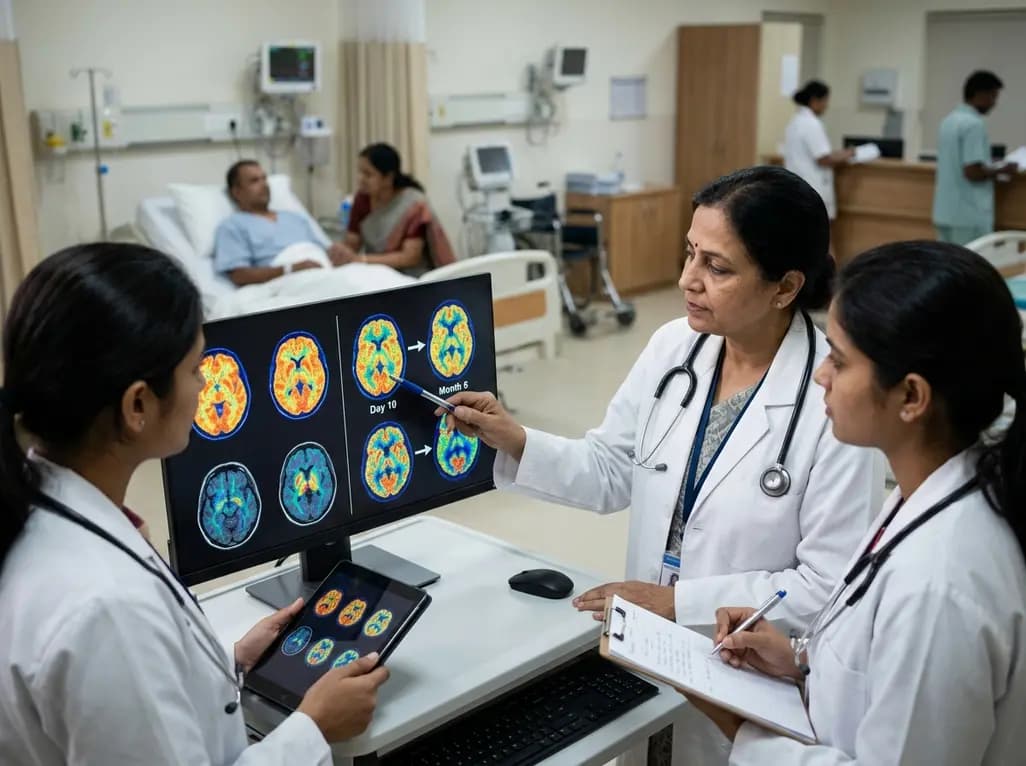
Severe traumatic and non-traumatic brain injuries often lead to persistent disorders of consciousness, presenting major diagnostic challenges in neurorehabilitation. Recently, a groundbreaking disorders of consciousness PET study evaluated how cerebral energy expenditure and amino acid uptake correlate with clinical recovery. Positron emission tomography using fluorodeoxyglucose has long provided a vital window into cerebral glucose metabolism, serving as an established biomarker for residual neuronal activity. However, researchers recognize that glucose utilization alone may not capture the complete biochemical landscape during neurological recovery. Amino acid transport and cellular protein synthesis represent additional metabolic pathways that could offer deeper mechanistic insights. Therefore, investigators designed an observational study to explore both glucose and methionine uptake in brain-injured patients. By integrating serial Coma Recovery Scale-Revised assessments with dual-tracer imaging, the authors aimed to identify metabolic predictors of functional improvement. Consequently, this research provides essential data bridging molecular neuroimaging with clinical outcomes. Understanding these dynamic metabolic shifts helps clinicians evaluate prognosis more accurately during post-acute care. Furthermore, these findings emphasize the necessity of evaluating diverse metabolic pathways when assessing unresponsive or minimally conscious individuals.
To evaluate metabolic shifts comprehensively, investigators conducted a prospective observational cohort study at a specialized rehabilitation center. They consecutively enrolled patients older than fifteen years who had severe brain injury and adequate glycemic control. The protocol incorporated two distinct analytical approaches to evaluate both baseline characteristics and dynamic temporal changes over time. First, an exploratory cross-sectional analysis compared baseline PET findings from sixty patients against twenty-eight non-injured control subjects. Second, a prospective longitudinal analysis followed forty-three patients through serial neurobehavioral testing and nuclear imaging scans during routine care. Participants underwent serial examinations using the Coma Recovery Scale-Revised to detect subtle clinical improvements. Simultaneously, clinicians performed dual-tracer imaging using eighteen-F fluorodeoxyglucose and eleven-C methionine PET scans. The primary clinical outcome was defined as meaningful improvement in consciousness, requiring a minimum two-point increase in behavioral scores. Additionally, statistical analyses utilized Spearman correlation coefficients and exploratory logistic regression to link regional tracer uptake with functional recovery over time.
The baseline cross-sectional evaluation revealed profound biochemical differences between brain-injured patients and healthy control subjects. Specifically, whole-brain glucose metabolism showed marked suppression across the patient cohort, reflecting widespread metabolic depression after severe injury. Statistical comparisons demonstrated a substantial reduction in whole-brain glucose uptake values compared to controls. However, methionine uptake displayed a remarkably localized pattern that contrasted sharply with global glucose depression. While overall amino acid turnover remained relatively stable, brainstem structures exhibited a statistically significant elevation in methionine uptake among patients. This selective brainstem hypermetabolism suggests localized tissue remodeling or persistent compensatory cellular stress following primary axonal injury. Consequently, baseline imaging confirmed that glucose hypometabolism and amino acid uptake alterations coexist during chronic post-injury states. These distinct tracer profiles indicate that different cerebral regions experience unique metabolic stressors following trauma or ischemia. Furthermore, detecting preserved amino acid transport in critical subcortical nodes offers novel diagnostic avenues. Thus, baseline cross-sectional PET profiling establishes an essential reference point for tracking longitudinal clinical recovery.
During the prospective longitudinal phase of the trial, nearly half of the enrolled patients exhibited measurable clinical recovery over time. Specifically, twenty-one out of forty-three longitudinal participants demonstrated meaningful functional improvement, achieving a median four-point gain on behavioral scoring scales. Longitudinal imaging analyses demonstrated that clinical recovery correlated strongly with metabolic restoration across specific neural circuits. Patients who improved showed significant longitudinal increases in maximal glucose metabolic uptake over follow-up scanning intervals. Moreover, serial changes in behavioral scale scores correlated positively with longitudinal increases in regional glucose uptake parameters. In contrast, individuals without clinical progress displayed persistent glucose hypometabolism throughout the observation period. Statistical modeling further confirmed that rising metabolic activity in cortical networks accurately predicted behavioral gains. Therefore, serial PET tracking of glucose utilization offers objective evidence of functional neural plasticity during intensive rehabilitation. Clinicians can utilize these longitudinal metabolic trajectories to guide long-term management strategies and establish realistic therapeutic expectations. Ultimately, longitudinal glucose restoration serves as a reliable objective indicator of underlying circuit repair.
Beyond global cortical glucose changes, methionine PET imaging provided critical biological insights regarding subcortical structure function. The brainstem houses key components of the ascending reticular activating system, which regulates fundamental wakefulness and arousal. In longitudinal tracking, patients who successfully regained consciousness consistently maintained higher baseline brainstem methionine uptake compared to non-improvers. Furthermore, brainstem amino acid uptake levels correlated significantly with the degree of overall behavioral improvement observed over time. Methionine serves as an essential precursor for protein synthesis, transmethylation reactions, and endogenous antioxidant production in neural tissue. Elevated brainstem methionine uptake may therefore reflect active structural repair, remyelination efforts, or robust microglial support mechanisms. Alternatively, this localized metabolic surge could represent preserved neurovascular integrity within vital brainstem arousal centers. As a result, measuring amino acid transport provides unique prognostic data that complements conventional glucose imaging. Integrating brainstem methionine quantification into diagnostic protocols enhances clinical prediction models for recovery potential. Consequently, subcortical amino acid dynamics represent a promising biomarker for targeted neurointerventional studies.
The findings from this study carry profound clinical implications for neurorehabilitation practice and diagnostic evaluation protocols. Traditional behavioral examinations in severe brain injury often suffer from diagnostic misclassification due to severe motor, sensory, or speech deficits. Combining functional clinical scales with objective dual-tracer molecular PET imaging significantly improves prognostic precision during post-acute care. Specifically, demonstrating preserved brainstem amino acid metabolism combined with rising cortical glucose consumption supports optimistic recovery trajectories. Furthermore, identifying specific metabolic targets allows clinicians to tailor rehabilitation therapies and neuromodulation protocols more effectively. For instance, interventions designed to stimulate ascending arousal pathways may benefit most from baseline metabolic stratification. Additionally, monitoring longitudinal metabolic responses provides a quantitative method to evaluate novel neuroprotective or regenerative therapeutics in future clinical trials. However, clinicians must consider logistics, access to short-lived radiotracers, and cost factors when implementing advanced PET protocols in routine practice. Overall, dual-tracer metabolic imaging represents a major advancement toward precision medicine in neurointensive care and rehabilitation biology.
This landmark study demonstrates that combining glucose and methionine PET imaging provides enhanced prognostic clarity for patients with disorders of consciousness. By tracking both metabolic energy demands and amino acid transport, clinicians can better predict clinical recovery trajectories following severe brain injury.
Higher brainstem methionine uptake correlates with greater behavioral improvement and functional consciousness recovery. Because the brainstem modulates fundamental wakefulness, persistent amino acid transport likely reflects structural repair, cellular maintenance, or preserved neurovascular integrity within vital ascending arousal centers.
Yes, serial fluorodeoxyglucose PET scans effectively track neurobehavioral progress by demonstrating longitudinal increases in cerebral metabolic activity. Rising cortical glucose utilization correlates directly with improvements on standardized Coma Recovery Scale-Revised assessments, providing objective confirmation of functional recovery.
Disclaimer: This content is for informational and educational purposes only, and does not constitute medical advice, diagnosis, or treatment. Always seek the advice of your physician or other qualified health provider with any questions you may have regarding a medical condition. Refer to the latest local and national guidelines for clinical practice.
References

Read summarized clinical updates, watch expert medical content, and earn CME certifications right from your smartphone.
Open your smartphone camera to scan and install.





A longitudinal PET study reveals that cerebral glucose restoration and brainstem methionine uptake predict consciousness recovery following severe brain injury, offering novel molecular biomarkers for neurorehabilitation.
last month

A landmark cross-sectional study in Algeria and Türkiye reveals distinct age-related molecular IgE sensitization profiles between children and adults, highlighting higher house dust mite reactivity in youth and providing vital insights for precision allergen immunotherapy.
Today
A recent case-control study identified key protein changes in peritoneal fluid-derived small extracellular vesicles, highlighting candidates like S100-A10 and ALDOA as potential biomarkers to overcome diagnostic delays in endometriosis.
Today

Managing refractory hypoxemia after cardiothoracic surgery becomes perilous when prolonged air leak limits positive-pressure ventilation. This case-based review details how high-flow nasal cannula, paired with awake rehabilitation, enabled successful extubation and avoided invasive re-intubation.
Today

Idiopathic axillary web syndrome (IAWS) is a rare cause of shoulder pain and mobility restriction characterized by palpable axillary cording without prior surgery or trauma. Early diagnosis, nonsteroidal anti-inflammatory therapy, and physical rehabilitation lead to complete resolution of symptoms.
Today
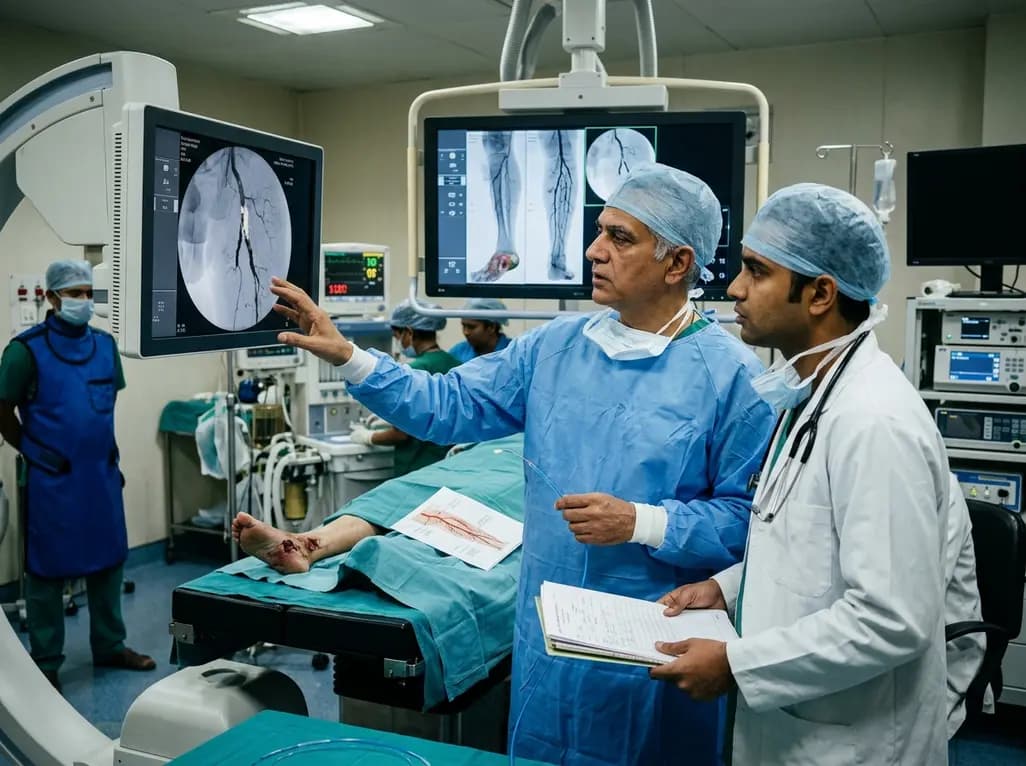
SWEDEPAD-1 trial insights show paclitaxel-coated devices do not improve long-term limb salvage in patients with chronic limb-threatening ischemia and tissue loss. While one-year reinterventions decreased, the devices were linked to a higher risk of major amputation at three months.
Today
