.webp&w=384&q=75)

Loading, please wait...
Loading, please wait...

Parkinson's disease exhibits complex biological mechanisms and heterogeneous clinical phenotypes that challenge isolated researchers. Consequently, modern neuroscience increasingly relies on broad Parkinson's disease research collaboration across borders. Historically, neurological insights depended on single-center observations. Today, however, multi-ancestry genomics and biomarker discovery require expansive international consortia. Global research synergy integrates diverse cohorts, harmonizes biological repositories, and democratizes advanced technologies, ultimately accelerating targeted clinical therapies for diverse patient populations worldwide.
Over recent decades, Parkinson's disease research has experienced a major paradigm shift. Previously, individual laboratories worked in scientific isolation with modest patient cohorts. Consequently, findings often lacked statistical power and broad clinical reproducibility. Today, international consortia unite basic scientists, computational biologists, and clinical neurologists worldwide. This collective convergence accelerates discoveries across cellular pathophysiology, disease modeling, and functional genomics.
Furthermore, collaborative networks enable large-scale multi-omics investigations that single institutions cannot independently execute. By pooling diverse clinical datasets and biological specimens, investigators identify disease subtypes and unique progression markers. Moreover, international initiatives establish open-access repositories, permitting global teams to validate preclinical therapeutic targets simultaneously. In addition, interdisciplinary communication bridges the gap between laboratory benchwork and patient care. This cooperative model elevates scientific rigor, minimizes redundant investigations, and optimizes global resources to combat neurodegenerative diseases efficiently.
Despite notable advances, international research initiatives face substantial logistical, ethical, and structural hurdles. Significant funding inequities persist between high-income nations and low-to-middle-income countries. Wealthy academic institutions frequently dictate research priorities, while resource-limited centers face chronic infrastructure deficits. Furthermore, cross-border biological sample transport often encounters complex regulatory approvals and prolonged customs delays.
In addition, restrictive data-sharing mandates and intellectual property disputes impede transparent communication among international investigators. Divergent regional privacy laws complicate the consolidation of large-scale genomic databases. Moreover, language barriers and inadequate institutional dialogue can foster regional mistrust, leaving investigators in emerging economies feeling underrepresented. Equally challenging is clinical standardization, as diagnostic rating scales and cognitive assessments require rigorous linguistic and cultural validation. Therefore, overcoming these administrative and cultural barriers is essential for building authentic, equitable partnerships globally.
To ensure data fidelity across borders, international consortia establish harmonized methodologies and clear data governance frameworks. Steering committees formulate standard operating procedures for clinical phenotyping, biofluid collection, and neuroimaging acquisition. Consequently, datasets collected across different continents remain analytically interoperable and mutually comparable.
Furthermore, modern consortia utilize secure, cloud-based federated data platforms complying with international privacy regulations. These architectures allow distributed computational analysis without transferring raw patient files across national jurisdictions. As a result, participating institutions maintain regulatory compliance while supporting global discovery. Additionally, transparent governance policies guarantee equitable academic recognition and fair authorship distribution for all contributing researchers. Harmonized legal agreements established at study inception prevent intellectual property friction. Therefore, these standardized operational protocols build long-term institutional trust and streamline multinational scientific productivity.
Historically, over ninety percent of Parkinson's genetic and clinical studies evaluated individuals of European ancestry. However, genetic risk architectures and phenotypic expressions vary substantially across diverse ancestral backgrounds. Recent multi-ancestry investigations have identified novel risk loci unique to African, Asian, and Latin American populations. Therefore, expanding research into underrepresented regions is crucial for developing universally applicable neurotherapeutics.
Moreover, sustainable research synergy requires meaningful capacity building rather than passive data harvesting. Global consortia must invest directly in local clinical trial facilities, biobanks, and laboratory equipment within developing nations. Providing specialized bioinformatics training, clinical fellowships, and sustained mentorship empowers local investigators to lead regional health initiatives. In addition, culturally grounded community education dispels local stigmas surrounding neurodegenerative conditions, enhancing participant recruitment and engagement. Consequently, inclusive capacity building ensures equitable global representation in translational neuroscience.
The clinical translation of global consortium discoveries directly enhances individualized patient care. By uncovering diverse molecular pathways, collaborative studies drive the development of targeted therapies. Specifically, large-scale genetic discoveries have advanced targeted pharmacological agents directed at glucocerebrosidase and leucine-rich repeat kinase 2 pathways. Therefore, precision medicine in Parkinson's disease is rapidly moving from theoretical concept to targeted clinical trials.
Furthermore, multinational biomarker programs have validated highly sensitive tools, such as alpha-synuclein seed amplification assays. These diagnostic assays enable early and precise identification of synucleinopathy during prodromal disease stages. In everyday clinical practice, robust biomarkers will assist neurologists in differentiating idiopathic Parkinson's disease from atypical parkinsonian syndromes. In addition, multi-ancestry genetic reference panels prevent misinterpreting benign population variants as pathogenic mutations, thereby improving diagnostic accuracy and therapeutic safety across diverse patient cohorts.
Establishing sustainable international research networks requires flexible funding models, visionary leadership, and participant-centered study designs. International grant agencies must create streamlined funding channels that reduce administrative burdens and allocate direct resources to developing regions. Furthermore, consortia should actively involve patients and advocacy groups in study design, ensuring outcomes align with meaningful patient priorities.
Additionally, emerging digital health technologies, wearable sensors, and telemedicine tools provide unprecedented opportunities to expand research access. These digital innovations allow individuals living in remote communities to participate in longitudinal clinical trials. Interdisciplinary collaboration must also expand to integrate environmental epidemiology, as regional toxicant exposures interact with genetic factors to modify disease susceptibility. By combining multi-omics technologies with comprehensive environmental monitoring, global research networks will unravel the complete etiology of Parkinson's disease and accelerate therapeutic innovation.
Ancestral diversity is vital because genetic risk factors, disease manifestations, and drug responses vary across human populations. Historically, neurogenetic studies predominantly examined European cohorts, limiting the global relevance of findings. Multi-ancestry collaborations identify novel causative variants and distinct biological pathways. Consequently, inclusive research ensures that diagnostic biomarkers, targeted pharmacological therapies, and precision medicine approaches remain accurate, safe, and clinically effective for individuals of all ancestral backgrounds.
Global research consortia safeguard patient confidentiality using federated data networks, advanced encryption, and robust de-identification protocols. Rather than exporting sensitive patient records across international borders, federated architectures allow scientists to execute secure distributed analyses within local institutional servers. Furthermore, independent ethical review boards evaluate all analytical requests. These measures ensure strict adherence to international data protection regulations while fostering transparent, reproducible scientific collaboration across global academic institutions.
Clinicians in low- and middle-income countries obtain direct access to modern diagnostic tools, standardized clinical protocols, and specialized professional training. Active participation in global networks fosters international mentorship, research funding opportunities, and access to genomic sequencing platforms. Moreover, these collaborative partnerships allow local physicians to generate population-specific evidence, enhancing diagnostic precision for regional patients while ensuring local clinical insights inform global medical guidelines.
Disclaimer: This content is for informational and educational purposes only and does not constitute medical advice, diagnosis, or treatment. Refer to the latest local and national guidelines for clinical practice.
References

Read summarized clinical updates, watch expert medical content, and earn CME certifications right from your smartphone.
Open your smartphone camera to scan and install.





Global Parkinson's disease research collaboration bridges genetics, biomarkers, and clinical science. Discover how international consortia overcome data-sharing barriers and capacity disparities to advance equitable precision neurology.
last month
Pancreatic cancer cachexia affects over 80% of patients, driving severe muscle wasting, systemic inflammation, and treatment intolerance. This review highlights key pathophysiological drivers, exocrine insufficiency, objective CT imaging, and emerging therapies like GDF-15 inhibitors to improve clinical outcomes.
Today

A scoping review reveals how pregnancy affects phonation through laryngeal edema and reduced phonation time rather than major acoustic pitch alterations. Learn how to identify, evaluate, and manage vocal symptoms in expectant mothers.
Today

According to WHO data, average lifespan reached 73.3 years in 2023, recovering from pandemic lows. However, healthy life expectancy lags at 62.8 years due to surging noncommunicable conditions like cardiovascular disease and dementia, demanding proactive primary screening and sustained chronic care.
Today
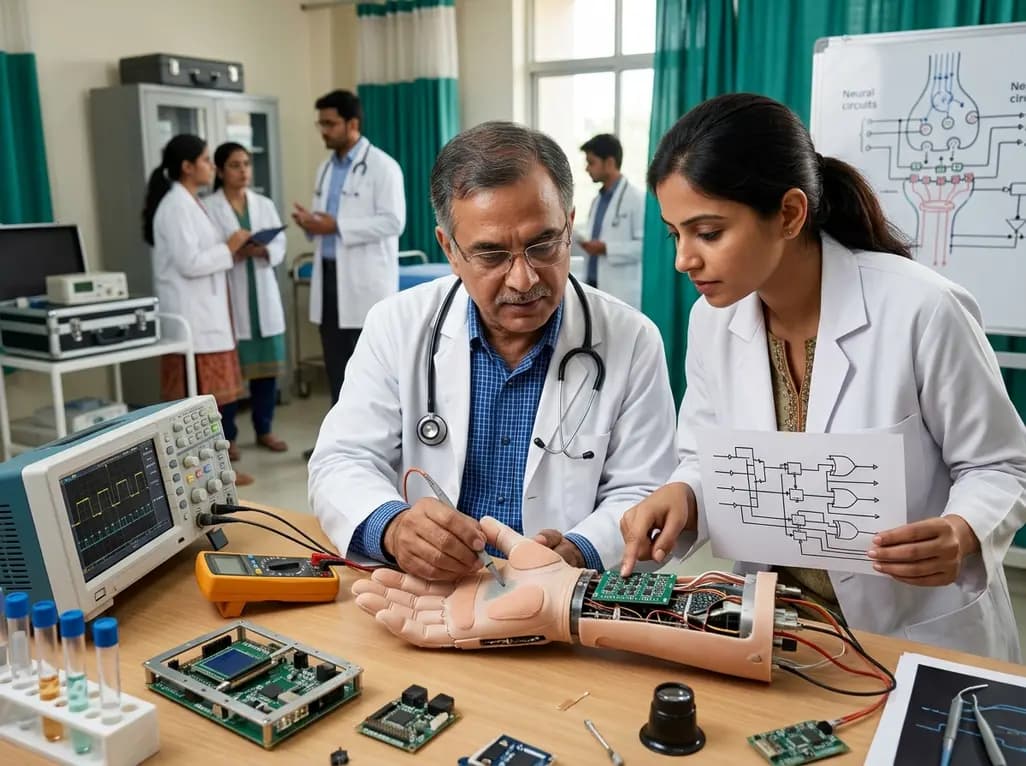
Researchers have engineered an artificial sensory-pain integrated receptor using a multi-threshold organic synaptic transistor. The system distinguishes benign touch from noxious stimuli, enabling safer, more responsive prosthetic limbs with built-in memory and simplified hardware architecture.
Today
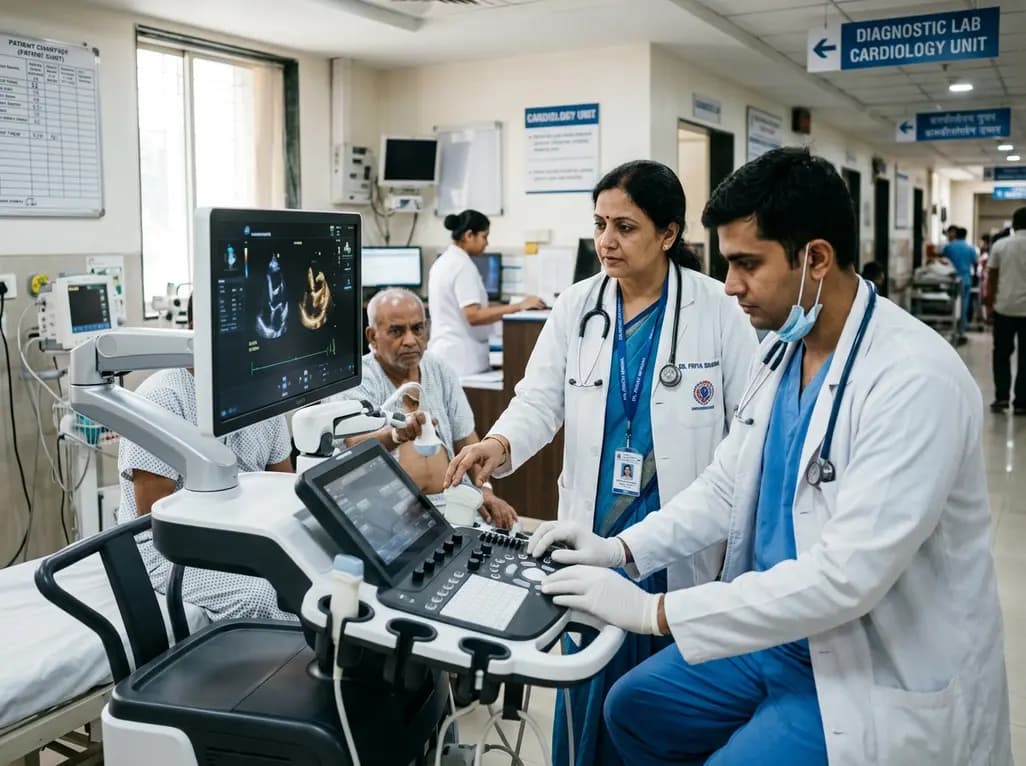
Medical robotics is transitioning beyond operative suites into diagnostics, cardiology, and endocrinology. Explore how innovations in tele-robotics, AI integration, and nanomedicine are overcoming geographical barriers and transforming precision healthcare delivery across India's evolving disease landscape.
Today
