.webp&w=384&q=75)

Loading, please wait...
Loading, please wait...

The global nurse shortage represents a significant hurdle for modern medical institutions. However, nurses remain the primary heartbeat of patient care and safety worldwide. Consequently, strengthening this workforce is essential for sustainable healthcare delivery. According to the World Health Organisation, nurses constitute nearly 59 per cent of the global health workforce. Nevertheless, the world still lacks millions of trained professionals to meet rising demands.
In India, the nurse-to-population ratio is improving slowly. Furthermore, the expansion of hospital infrastructure requires a more robust nursing presence. Experts argue that nurses are the backbone of hospital care. They perform complex clinical tasks and provide emotional support simultaneously. Moreover, their vigilance is crucial for catching subtle changes in patient conditions. Therefore, investing in their growth directly translates to better clinical outcomes and safety protocols.
The role of nurses is evolving beyond traditional caregiving. Today, they are championing the use of digital health tools to enhance monitoring and accuracy. For instance, many use AI-driven tools in hospital wards to manage patient data. Additionally, specialized training allows nurses to lead multidisciplinary teams effectively. As healthcare becomes more technology-driven, continuous upskilling is vital. Thus, structured learning ecosystems will boost professional confidence and improve retention across the sector.
Q1: What is the current scale of the global nurse shortage?
The World Health Organisation estimates a shortfall of approximately 5.9 million nurses, with the most significant gaps found in low- and middle-income countries.
Q2: How does nursing affect hospital patient safety?
Nurses enhance safety by monitoring patients round-the-clock, identifying early warning signs of complications, and strictly following infection control protocols.
Disclaimer: This content is for informational and educational purposes only. It does not constitute medical advice or replace professional judgment. Refer to the latest local and national guidelines for clinical practice.
References

Read summarized clinical updates, watch expert medical content, and earn CME certifications right from your smartphone.
Open your smartphone camera to scan and install.





Nurses are essential to healthcare. Learn about the global nurse shortage and their expanding roles in patient safety, digital health, and specialized care....
5 months ago
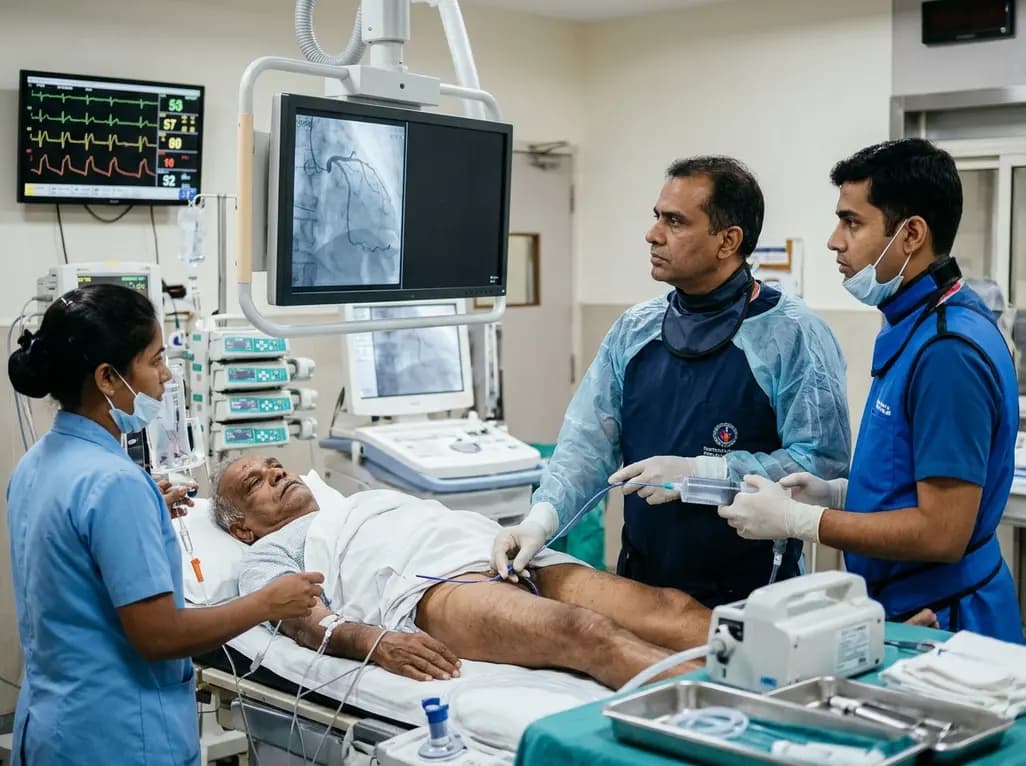
An elderly man with partially repaired Tetralogy of Fallot presented with STEMI caused by coronary embolism rather than atherosclerosis. Successful treatment with sustained mechanical aspiration thrombectomy underscores the vital need for high clinical vigilance in adult congenital heart disease.
Today
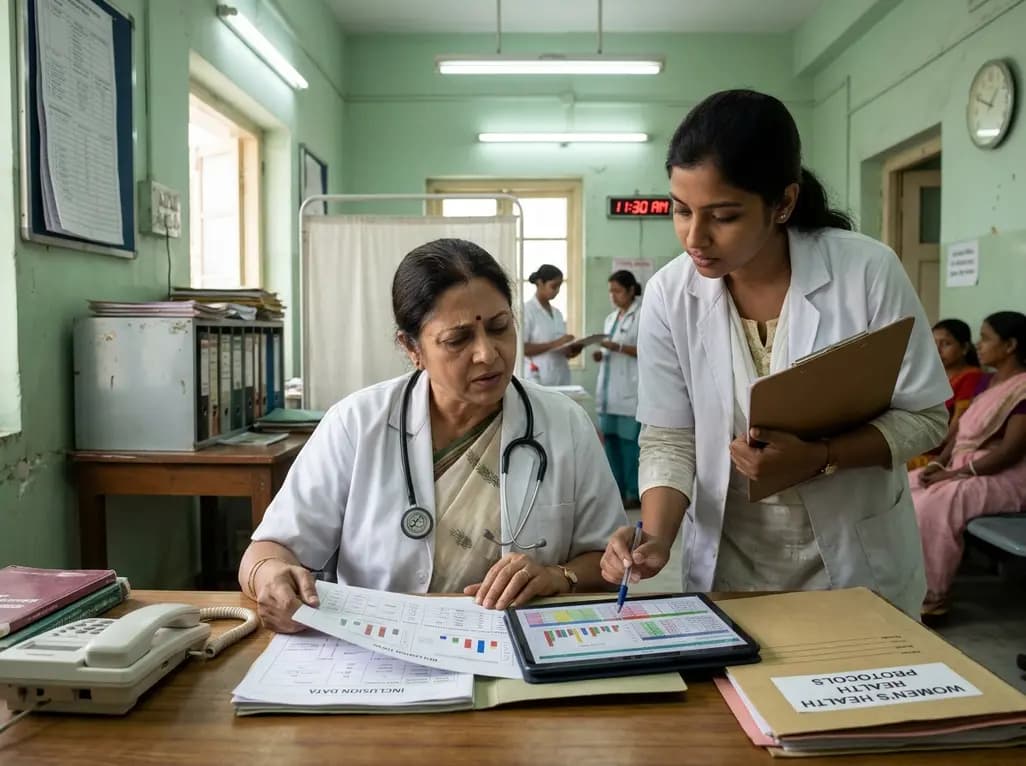
Demanding exhaustive hormonal profiling can inadvertently discourage clinical studies involving females. Methodological standards must align with the specific scientific question to expand, not restrict, equitable evidence for women.
Today
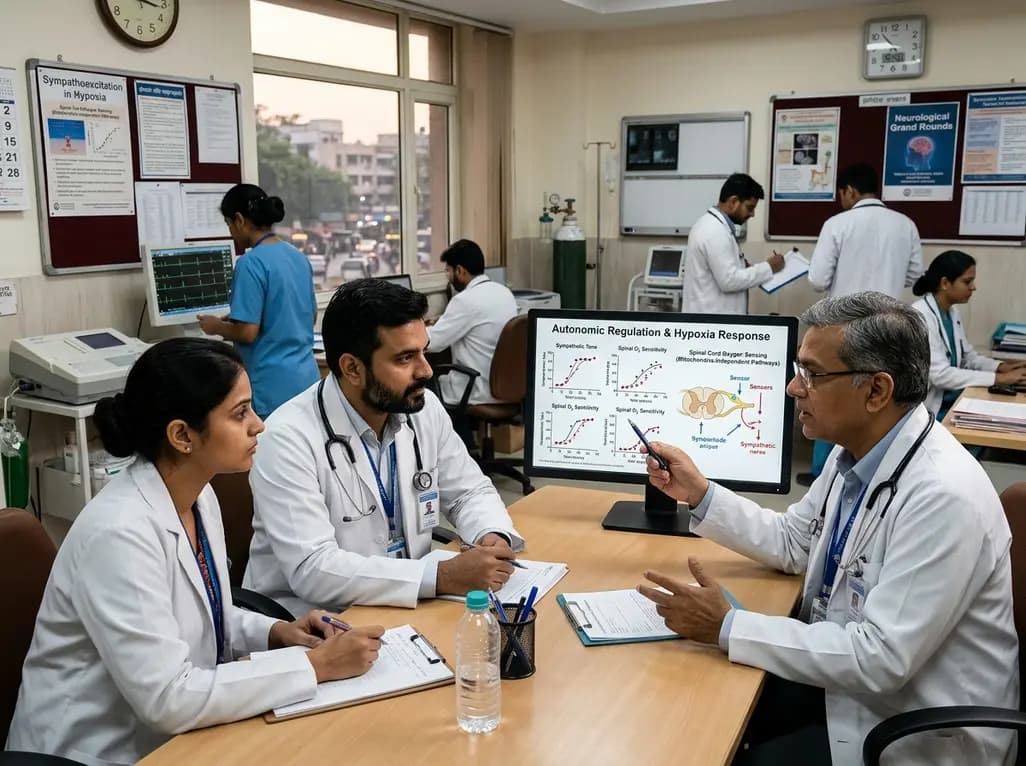
A recent study demonstrates that spinal oxygen sensors do not require mitochondrial electron transport to trigger sympathetic excitation during acute hypoxia, revealing new insights into how mitochondrial oxidative stress modulates autonomic tone in cardiovascular and neurological diseases.
Today
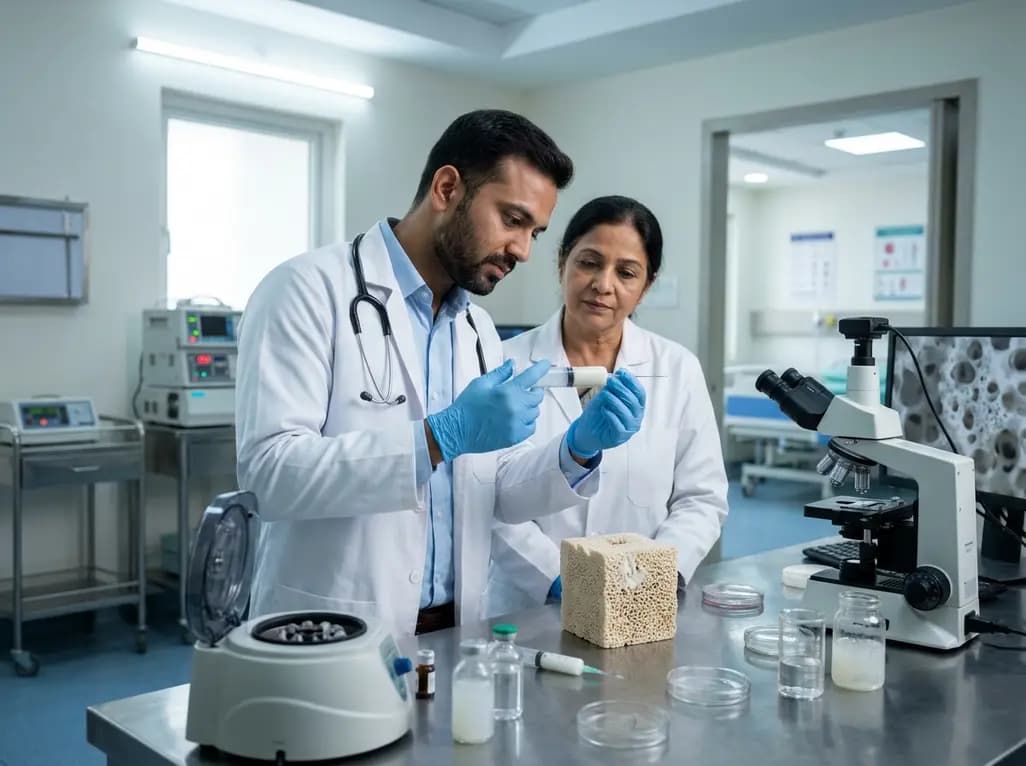
A novel calcium polyphosphate coacervate enables injectable bone implants with in situ hierarchical porosity via phase separation and gas foaming, significantly enhancing cell proliferation, energy metabolism, and osteogenic differentiation for minimally invasive bone defect repair.
Today
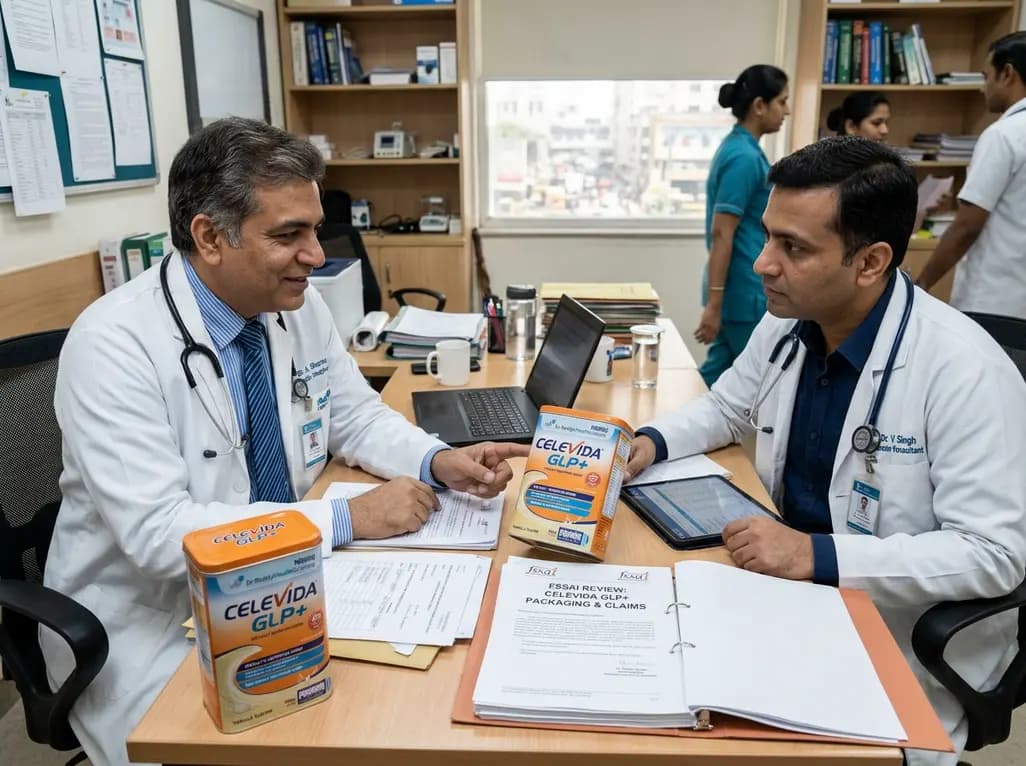
Following regulatory scrutiny from FSSAI regarding promotional representations and lean muscle preservation claims, Dr. Reddy's Laboratories and Nestlé Health Science are currently reviewing the branding and marketing strategy for their joint nutritional supplement Celevida GLP+.
Today
