.webp&w=384&q=75)

Loading, please wait...
Loading, please wait...
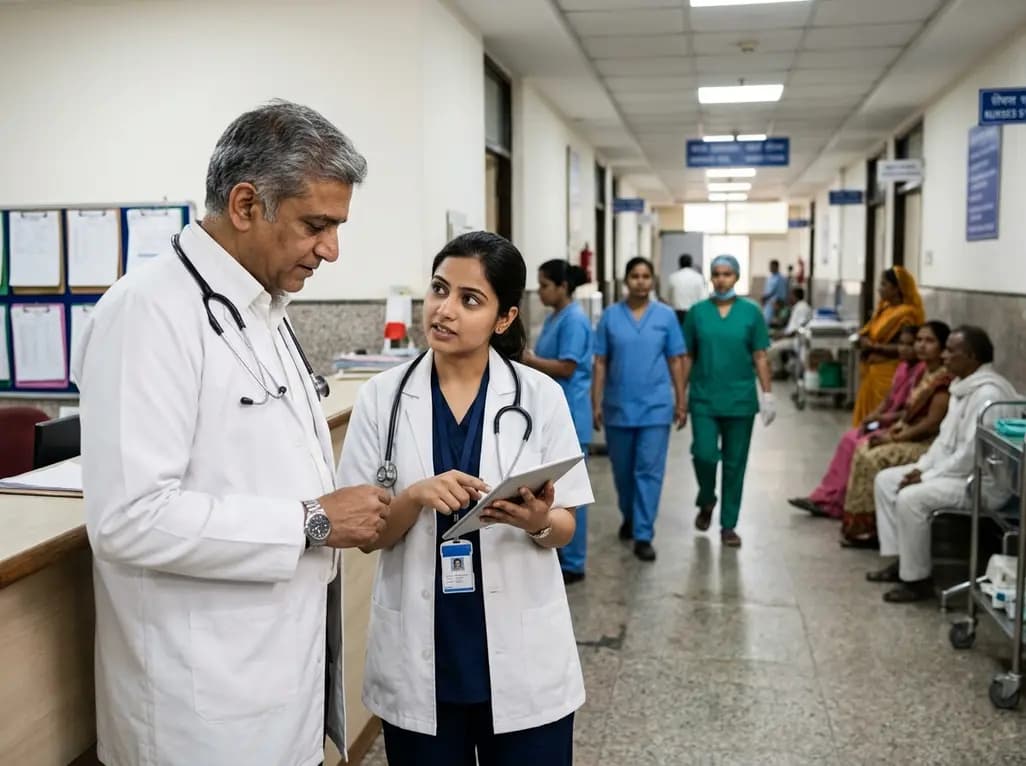
The World Health Organization (WHO) recently announced that the global Ebola risk remains low despite the confirmation of a new imported case in France. A humanitarian doctor returning from the Democratic Republic of Congo (DRC) tested positive, highlighting the importance of active surveillance and rigorous quarantine protocols at international ports of entry. This development reinforces the need for clinicians to maintain a high index of suspicion.
The Bundibugyo ebolavirus causes the current outbreak in the Democratic Republic of Congo. Unlike the Zaire strain, which has licensed vaccines, this pathogen has fewer dedicated medical countermeasures. Consequently, healthcare providers must rely heavily on supportive care to improve patient outcomes. Ebola virus disease typically begins with non-specific, flu-like symptoms that appear suddenly. Patients often present with severe headaches, high fever, myalgia, and profound weakness. As the disease progresses, severe gastrointestinal symptoms like diarrhea and vomiting quickly emerge. These continuous symptoms lead to critical dehydration and severe electrolyte imbalances. In advanced cases, patients develop hemorrhagic manifestations and multi-organ failure. Because early symptoms mirror common tropical diseases like malaria, clinicians must obtain a travel history. This travel history remains the most crucial tool for early clinical triaging. In addition, the WHO is launching clinical trials to evaluate novel therapeutics. These clinical trials will evaluate promising antivirals, specifically MBP134 and remdesivir. Understanding these diagnostic details enables frontline physicians to initiate strict isolation quickly. This proactive isolation approach ensures that the virus does not spread within healthcare facilities. Furthermore, obtaining prompt laboratory confirmation is absolutely vital to direct critical clinical decisions.
The 17th Ebola outbreak in the Democratic Republic of Congo represents a massive public health challenge for Africa. Centered primarily in the eastern province of Ituri, the outbreak has already recorded over 1,000 cases. Indeed, the overall mortality rate is currently sitting at approximately 25 percent in the region. Neighboring Uganda has also reported active cases, raising the regional risk level significantly for local populations. Several complex factors complicate containment efforts within this volatile and mineral-rich province. Specifically, ongoing armed conflict and high population mobility hinder active contact tracing in rural areas. Furthermore, frontline healthcare workers face immense risks while managing these critical patients daily. Almost 80 frontline responders have contracted the virus during this ongoing epidemic. This high infection rate highlights the vital need for robust and standardized personal protective equipment. Although the regional threat is extremely high, the risk to other nations remains exceptionally low. Historically, physicians have detected only a handful of cases outside the African continent. Therefore, this statistical reality reinforces the WHO's stance against international panic and over-reaction. Global collaboration remains essential to ensure that such localized outbreaks do not expand across international borders.
The recent confirmation of an Ebola case in France marks a critical moment for global health surveillance. The patient, a doctor working with ALIMA, returned on a commercial flight from Kinshasa. Although the physician was largely asymptomatic upon boarding, minor headaches progressed during travel. Consequently, this change prompted immediate medical isolation upon landing in Paris. French health authorities acted swiftly, isolating the patient immediately at a specialized facility. Because of this rapid action, the patient remains in a stable condition with low viral load. This low viral load significantly reduces any potential risk of secondary transmission. Epidemiologists are currently conducting a thorough investigation to trace all contacts on the flight. This incident demonstrates that modern quarantine protocols can successfully contain highly infectious pathogens. Moreover, it proves that the global Ebola risk remains low when countries maintain high preparedness. This case serves as a vital reminder that health security depends on robust local surveillance. Indeed, rapid response capabilities are far more effective than broad border closures. Such efforts are essential to ensure the seamless management of potential transcontinental transmissions.
Healthcare facilities worldwide must reinforce their infection prevention and control measures to mitigate transmission risks. The primary transmission route for Ebola virus is direct contact with infected bodily fluids. Therefore, clinicians must strictly apply standard precautions in all clinical and emergency settings. When a patient presents with a compatible travel history, triaging personnel must act very quickly. They must immediately isolate the suspected individual in a dedicated single-patient room. Staff must wear appropriate personal protective equipment during any clinical interaction with the patient. This protective equipment includes double gloves, fluid-resistant gowns, and protective face shields. Furthermore, environmental cleaning protocols require meticulous attention using specialized, hospital-grade disinfectants. Training programs should focus heavily on the correct donning and doffing of protective gear. Indeed, most healthcare worker exposures occur during the complex doffing process itself. Additionally, safe waste management and laboratory handling demand specialized, high-level biosafety containment. By standardizing these clinical practices, medical institutions can successfully protect their frontline staff. Consistent adherence to these protocols remains the ultimate cornerstone of defense against viral hemorrhagic fevers. Every clinician must recognize their critical role in executing these safety standards.
Non-governmental and international medical organizations play an indispensable role in containing dangerous outbreaks. Groups like ALIMA work directly in active transmission zones to establish treatment centers. However, these remote deployments carry inherent biological risks that require comprehensive safety management. The WHO advises that sending organizations must provide detailed risk communication and training to personnel. Additionally, countries deploying healthcare workers must establish clear, predetermined protocols for medical evacuation. This structured support ensures that responders can operate safely in challenging conflict environments. The doctor infected in France was part of this vital international humanitarian network. This specific case emphasizes that even highly trained professionals remain vulnerable to accidental exposure. Despite these clear risks, the continued deployment of medical experts remains vital for health security. Stopping transmission directly in the Democratic Republic of Congo protects the entire global population. Therefore, international funding and cooperation remain critical to supporting these frontline clinical operations. Such continuous global support remains absolutely crucial to sustaining long-term response efforts. Without this aid, containing the outbreak at its source becomes nearly impossible. Thus, we must protect and support our international healthcare workers.
Q1: Why is the global risk of this Ebola outbreak considered low by the WHO?
The global risk remains low because Ebola is not an airborne disease; it requires direct contact with infected bodily fluids for transmission. Furthermore, the quick identification and strict isolation of the imported case in France demonstrate that established public health protocols are highly effective. Because developed countries possess robust surveillance, diagnostic capabilities, and specialized treatment facilities, localized secondary transmission remains highly unlikely, preventing any widespread global threat.
Q2: How does the Bundibugyo strain differ from other Ebola virus species?
The Bundibugyo ebolavirus is a distinct species of the virus with a lower historical case fatality rate of about twenty-five to thirty-five percent compared to the Zaire strain. Significantly, licensed vaccines and monoclonal antibody therapies developed for the Zaire strain do not provide protection against the Bundibugyo strain. Consequently, clinical management relies on supportive therapy while trials for new therapeutics, such as MBP134 and remdesivir, are actively being prepared.
Q3: What actions should healthcare workers take when encountering a suspected Ebola patient?
Healthcare workers must immediately isolate any patient presenting with fever and a travel history to Ebola-affected regions. They should immediately notify infection control teams and public health authorities. Staff must wear comprehensive personal protective equipment, including double gloves, fluid-resistant gowns, and face shields, before any contact with the patient. Meticulous adherence to donning and doffing protocols is vital to prevent accidental exposure and ensure safe medical waste disposal.
Disclaimer: This content is for informational and educational purposes only. It does not constitute medical advice or replace professional judgment. Refer to the latest local and national guidelines for clinical practice.
References

Read summarized clinical updates, watch expert medical content, and earn CME certifications right from your smartphone.
Open your smartphone camera to scan and install.





Despite a recently confirmed imported Ebola case in France, the World Health Organization reassures the public that the global risk of transmission remains low, emphasizing the strength of containment protocols and travel surveillance.
3 months ago
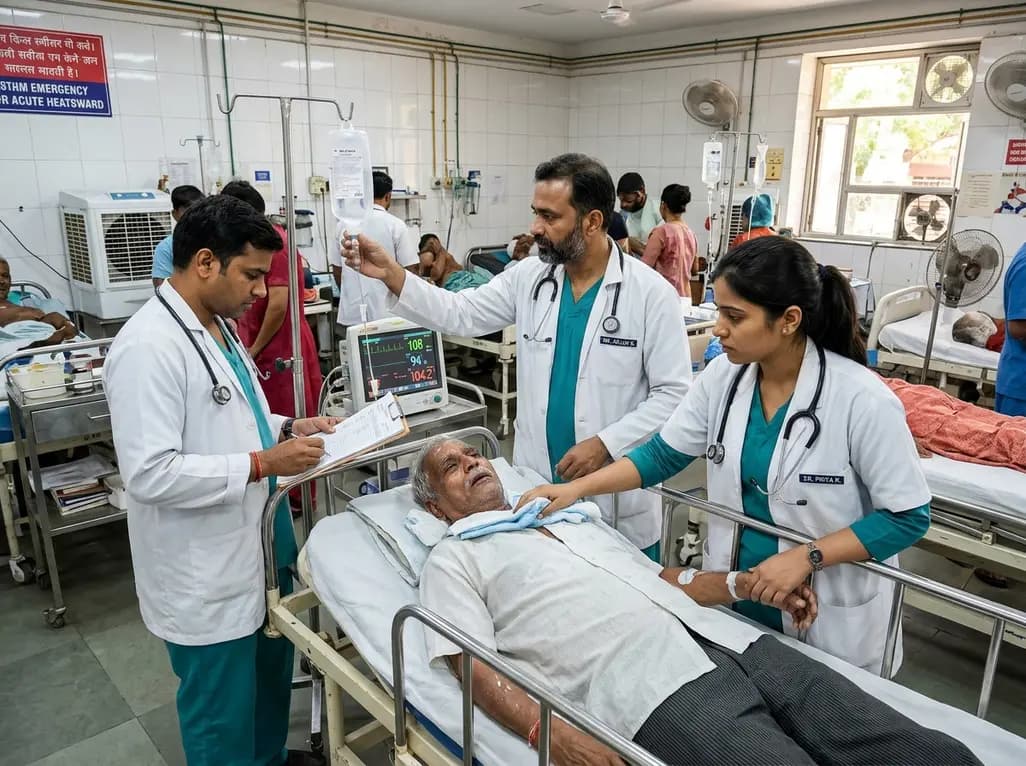
Recent epidemiological data reveals a dramatic surge in summer heat mortality driven by human-induced climate warming. This analysis explores the pathophysiological impacts on cardiac and renal systems, diagnostic dilemmas in death certification, and essential emergency cooling protocols for acute clinical care.
Today
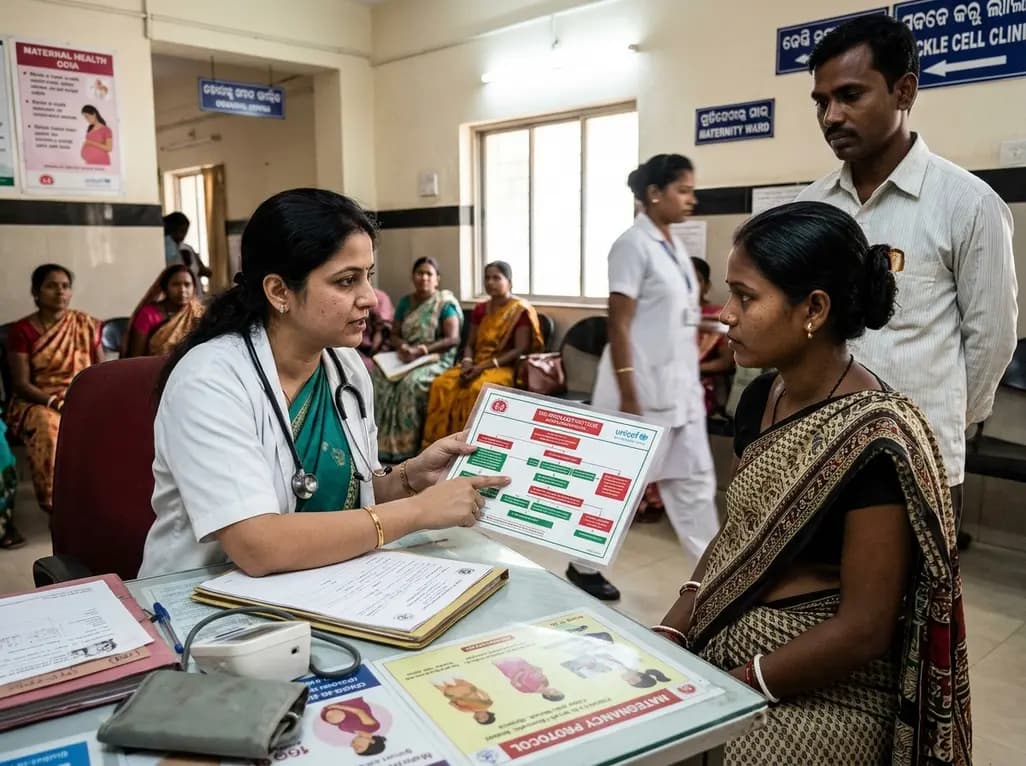
Odisha has established India's first state-level clinical protocol specifically tailored for pregnant women with sickle cell disease. Developed with NHM and UNICEF, the framework provides structured antenatal screening, crisis mitigation, standardized referral pathways, and specialized interdisciplinary care.
Today

India is advancing preventive healthcare by integrating genomics, artificial intelligence, and quantum technologies. With the SANGAM programme sequencing one million Indian genomes, clinicians can unlock personalized therapies, detect cardiometabolic risks early, and curb the burden of diabetes and heart disease.
Today
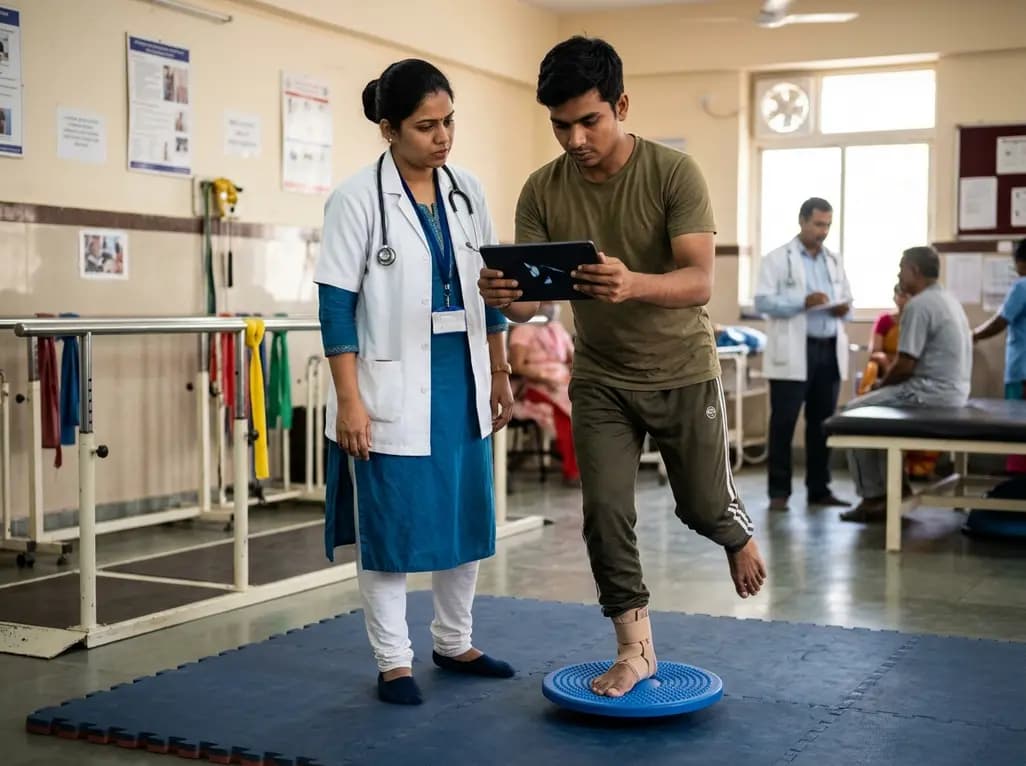
A randomized controlled trial demonstrates that an eight-week dual-task training intervention significantly improves static and dynamic postural control over standard balance exercises in individuals with chronic ankle instability, addressing critical neurocognitive deficits during athletic and daily activities.
Today

A retrospective cohort study of 7,716 ICU patients from the MIMIC-IV database demonstrates that Gradient Boosting Decision Trees significantly outperform traditional SOFA scores in predicting in-hospital mortality among patients with sepsis and diabetes, with SHAP analysis providing clinical interpretability.
Today
