.webp&w=384&q=75)

Loading, please wait...
Loading, please wait...
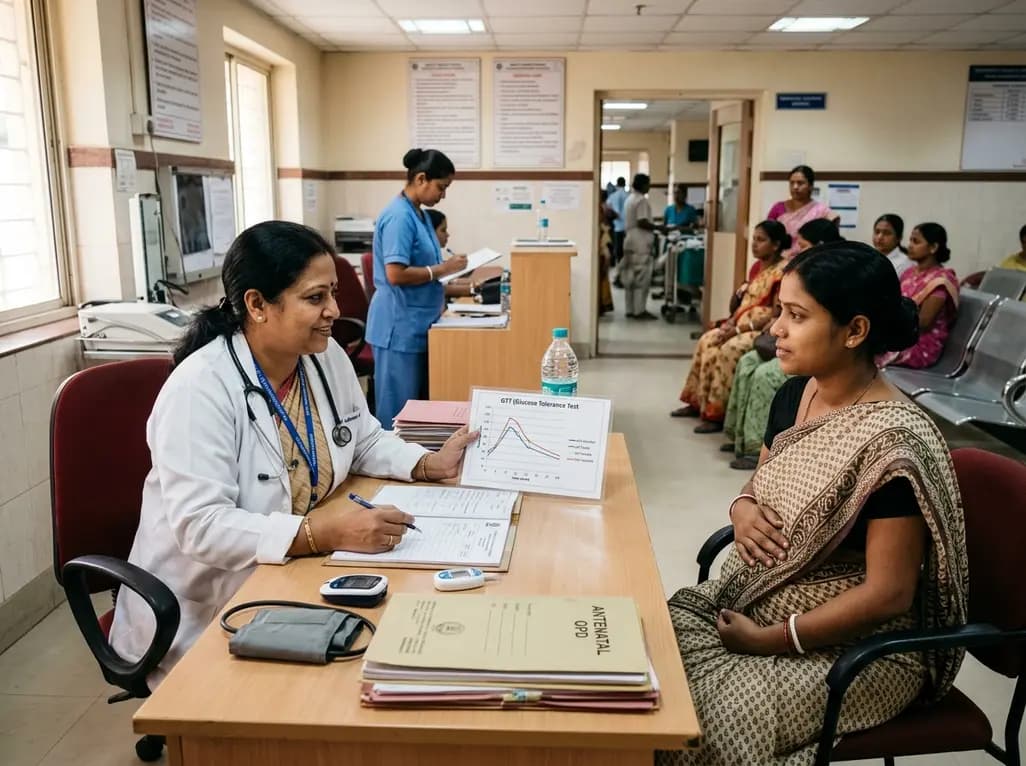
Gestational diabetes mellitus represents an urgent and expanding metabolic disorder across modern obstetric healthcare. Clinicians observe that transient hyperglycemia during pregnancy significantly increases lifetime cardiometabolic morbidity for mothers and their offspring. Recently, a comprehensive scoping review evaluated evidence regarding women of Vietnamese origin both domestically and globally. The findings underscore an alarming weighted average prevalence of 23.24% in Vietnam between 2010 and 2024. Consequently, nearly one in four pregnant women in this demographic develops gestational diabetes mellitus during their pregnancy journey.
However, substantial epidemiological heterogeneity persists throughout the published literature. Diagnostic thresholds and screening methods vary widely across regional tertiary centers. In addition, rural communities often lack uniform access to standard oral glucose tolerance testing. This fragmentation severely complicates epidemiological surveillance and delays therapeutic intervention. Clinicians practicing in Asian maternal health contexts must recognize that this elevated prevalence mirrors broader metabolic trends. Rapid economic transitions, shifting nutritional habits, and urban lifestyles heavily influence glucose tolerance during gestation. Therefore, establishing a systematic understanding of population-specific vulnerabilities is vital for frontline obstetricians and endocrinologists seeking to reduce long-term glycemic complications.
The scoping review systematically mapped consistent candidate risk factors driving glycemic dysregulation during pregnancy. Advanced maternal age emerged as an especially prominent risk determinant across multiple evaluated cohorts. Women conceiving past age thirty demonstrated significantly higher likelihoods of developing glucose intolerance. Furthermore, elevated pre-pregnancy body mass index and rapid gestational weight gain repeatedly predicted abnormal metabolic profiles. Notably, even modest increases in adiposity can precipitate insulin resistance in Asian women due to distinct visceral fat distribution patterns.
In addition, family history of type 2 diabetes mellitus consistently amplified individual maternal vulnerability. A prior history of gestational hyperglycemia or delivering macrosomic infants similarly signaled recurrent metabolic risk. Dietary transitions also play a pivotal role in accelerating disease incidence. Specifically, diets high in refined carbohydrates, sugary beverages, and processed foods heavily strain maternal pancreatic beta-cell reserve. Meanwhile, sedentary habits and physical inactivity further exacerbate systemic insulin resistance. Consequently, healthcare providers must identify these interacting risk factors early during initial prenatal visits. Stratifying pregnant women based on these validated clinical indicators allows clinicians to implement personalized dietary guidance and early metabolic surveillance.
Uncontrolled gestational diabetes precipitates severe immediate and protracted clinical consequences for maternal-fetal dyads. The scoping review demonstrated robust associations between maternal hyperglycemia and hypertensive disorders of pregnancy, including preeclampsia. In addition, affected women experienced higher rates of primary cesarean delivery and obstetric trauma. Neonates born to mothers with poorly controlled blood glucose frequently presented with fetal macrosomia, neonatal hypoglycemia, and respiratory distress. Moreover, maternal hyperglycemia permanently alters fetal metabolic programming, predisposing offspring to childhood obesity and early metabolic syndrome.
Despite these well-documented clinical risks, pregnant women exhibit substantial knowledge deficits regarding gestational diabetes. Many patients fail to recognize the profound health implications of elevated blood sugar levels. Furthermore, dietary comprehension regarding carbohydrate counting and glycemic index remains critically limited among expectant mothers. This educational gap severely hinders compliance with medical nutrition therapy and home blood glucose monitoring regimens. Cultural beliefs and misinformation often lead patients to dismiss early warning signs or avoid necessary dietary modifications. Therefore, obstetric teams must prioritize structured, culturally aligned patient education programs. Closing this informational divide is essential to empower expectant mothers, enhance therapeutic adherence, and prevent avoidable perinatal morbidity.
Interestingly, the review revealed that Vietnamese diaspora populations experience an even higher burden of gestational diabetes mellitus than host-country populations. Studies conducted in North America, Europe, and Australia consistently identified elevated disease prevalence among migrant women. In addition, migrant mothers faced higher rates of associated obstetric complications, including operative delivery and neonatal intensive care admissions. These stark disparities highlight how genetic predisposition interacts unfavorably with post-migration dietary shifts and Westernized lifestyle changes.
However, despite this heightened vulnerability, research among diaspora communities lacks interventional clinical trials. Healthcare systems in host countries often fail to deliver culturally responsive metabolic care. Language barriers, unfamiliarity with foreign healthcare navigation, and culturally discordant nutritional guidance frequently impede optimal management. Furthermore, standard body mass index cutoffs in Western nations often fail to capture the metabolic risk of Asian women at lower thresholds. Consequently, clinicians worldwide must tailor metabolic screening protocols to account for ethnic vulnerabilities. Developing community-based support networks and culturally sensitive nutritional counseling will significantly improve health equity for migrant mothers managing gestational diabetes abroad.
A critical limitation highlighted in the evidence mapping is the over-reliance on hospital-based studies. Most existing research originates from urban referral centers, which inherently skews reported prevalence and patient characteristics. Consequently, evidence regarding rural community health centers and grassroots healthcare delivery remains fragmented. Moving forward, research must prioritize population-based longitudinal cohorts to track lifelong cardiometabolic outcomes. Furthermore, randomized controlled trials evaluating lifestyle interventions and pharmacological therapies tailored to Southeast Asian populations are urgently required.
In clinical practice, healthcare providers must implement universal, standardized screening protocols rather than selective risk-based testing. Universal screening between 24 and 28 weeks of gestation captures mild or asymptomatic cases that selective criteria easily miss. Moreover, early first-trimester screening is critical for women presenting with multiple high-risk metabolic markers. Collaborative multidisciplinary care involving obstetricians, endocrinologists, diabetes educators, and registered dietitians ensures comprehensive disease management. Emphasizing regular self-monitoring of blood glucose, culturally appropriate medical nutrition therapy, and safe physical exercise will optimize maternal glycemia. Ultimately, integrating rigorous clinical guidelines with empathetic, culturally informed patient education will transform maternal and neonatal outcomes globally.
Asian populations possess a distinct metabolic phenotype characterized by higher visceral adiposity and relative beta-cell dysfunction at lower body mass index thresholds. Consequently, even mild pregnancy-related weight gain can overwhelm maternal insulin secretion and trigger rapid insulin resistance. Furthermore, rapid urban lifestyle transitions, reduced daily physical activity, and diets abundant in high-glycemic carbohydrates compound this underlying genetic susceptibility, leading to significantly higher rates of gestational diabetes mellitus compared to other racial groups.
The primary clinical risk factors include advanced maternal age over 30 years, elevated pre-pregnancy body mass index, and significant gestational weight gain. In addition, women with a family history of type 2 diabetes or previous gestational diabetes face substantial metabolic vulnerability. Obstetric complications such as prior delivery of a macrosomic newborn, unexplained stillbirth, and underlying polycystic ovary syndrome further elevate susceptibility, making comprehensive risk assessment essential during early prenatal visits.
Maternal health literacy directly impacts how effectively pregnant women manage blood glucose levels throughout gestation. Studies indicate that limited understanding of carbohydrate metabolism, self-monitoring techniques, and glycemic targets leads to poor dietary adherence and unmonitored glycemic excursions. Conversely, empowering patients with tailored medical nutritional therapy, culturally relevant dietary substitution advice, and continuous clinician support fosters active self-management, markedly reducing the incidence of macrosomia, preeclampsia, and emergency operative deliveries.
Disclaimer: This content is for informational and educational purposes only... Refer to the latest local and national guidelines for clinical practice.
References

Read summarized clinical updates, watch expert medical content, and earn CME certifications right from your smartphone.
Open your smartphone camera to scan and install.





A comprehensive scoping review reveals a 23.24% prevalence of gestational diabetes mellitus in Vietnam alongside heightened risks in diaspora communities, underscoring urgent needs for standardized screening and culturally tailored metabolic interventions.
Today

The Supreme Court has reserved its judgment on FSSAI's proposed front-of-pack nutritional warning labels for packaged foods. With debates over compliance timelines, added versus total sugars, and ultra-processed food definitions, this landmark decision carries profound public health implications for India.
Today

A pioneering Italian case series demonstrates that mobile heart teams can successfully implement TA-NRP heart procurement in peripheral noncardiac hospitals. Despite a mandatory 20-minute no-touch period and prolonged warm ischemia, 89.5% of hearts were transplanted with zero primary graft dysfunction.
Today

DOORS-GHF is a newly validated operative risk scoring system for geriatric hip fracture patients. Outperforming legacy tools like P-POSSUM, it accurately predicts 30-day postoperative complications and mortality, enhancing perioperative triage, clinical decision-making, and individualized orthogeriatric care.
Today

A systematic review evaluates the feasibility and safety of thyroidectomy after thermal ablation for thyroid nodules. Although procedures encounter significant fibrosis and surgical adhesions, permanent complication rates remain remarkably low in experienced centers.
Today
