.webp&w=384&q=75)

Loading, please wait...
Loading, please wait...
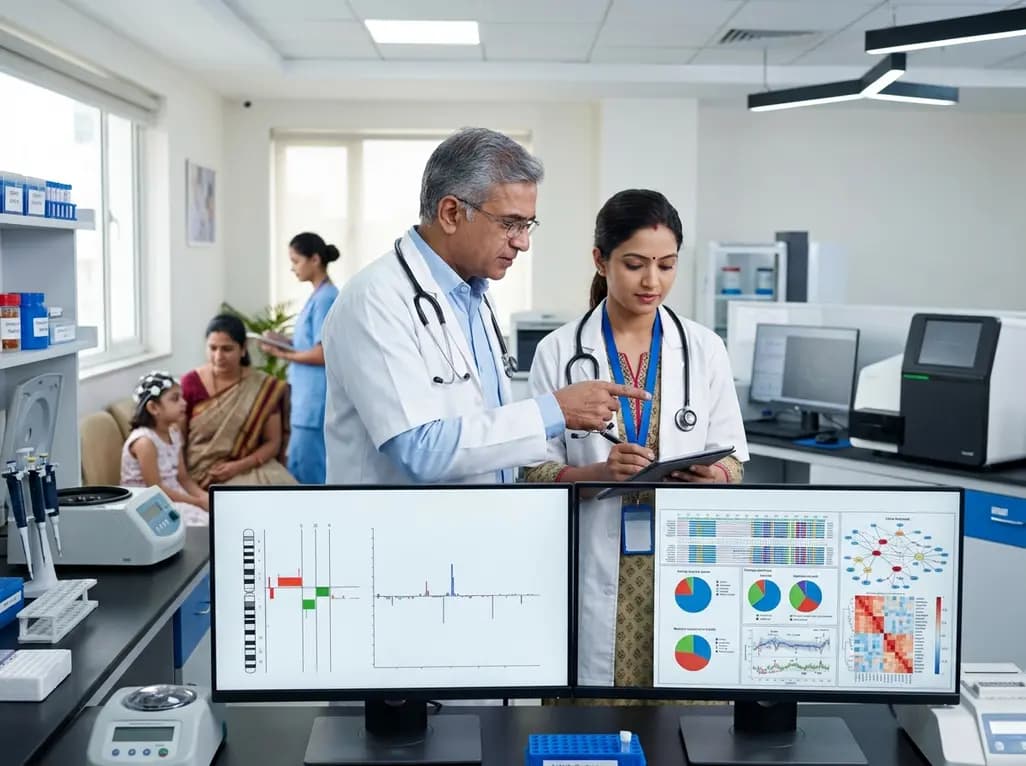
Autism Spectrum Disorder (ASD) represents a complex array of neurodevelopmental conditions characterized by significant genetic heterogeneity. For many years, clinicians relied primarily on behavioral assessments for diagnosis; however, the shift toward molecular diagnostics has revolutionized our understanding of the condition's etiology. Research increasingly emphasizes that genetic testing in ASD is no longer just a research tool but a fundamental component of clinical evaluation. By identifying specific genetic variants, physicians can provide families with a clear cause for the child's symptoms, which often ends a long and distressing diagnostic odyssey. Furthermore, a genetic diagnosis provides a roadmap for personalized management and anticipatory guidance for co-occurring conditions. Recent evidence from a single-center retrospective study involving 523 children highlights that approximately 15.1% of patients receive a definitive genetic explanation for their ASD. This underscores the importance of integrating advanced genomic tools into routine pediatric and neurological practice. Consequently, understanding which testing modality offers the highest yield is essential for optimizing patient outcomes and healthcare resources in India and globally.
When selecting a diagnostic pathway, clinicians must choose between different technologies, most notably Chromosomal Microarray (CMA) and Whole Exome Sequencing (WES). Historically, CMA was considered the first-tier test because it effectively detects large-scale copy number variants. However, recent data indicate a significant shift in diagnostic superiority. In the study by Lob K et al., WES demonstrated a diagnostic yield of 23.0%, which significantly outperformed the 8.3% yield observed with CMA. This substantial difference occurs because WES can identify single nucleotide variants and small insertions or deletions that CMA misses. Moreover, the technological advancement of WES allows for the detection of many syndromic and non-syndromic forms of ASD that were previously undetectable. Therefore, many international guidelines are beginning to favor exome-first approaches, especially in complex cases. In addition, the falling costs of sequencing have made WES more accessible to patients in specialized centers. Clinicians should recognize that while CMA still has utility, WES provides a much broader lens through which to view the genetic landscape of neurodevelopmental disorders.
Not all children with ASD will have an identifiable genetic cause, but certain clinical features can help physicians prioritize those most likely to benefit from testing. Specifically, researchers have found that children with genetically defined ASD often exhibit a distinct set of phenotypic markers. These markers include microcephaly, hypotonia, and various dysmorphic features. Furthermore, a history of significant developmental delay or regression is more frequent in those with positive genetic results. In contrast, children without a clear genetic diagnosis often present with more isolated social and communication challenges without these associated physical findings. Consequently, a thorough physical examination and detailed developmental history remain vital. If a child presents with multiple physical anomalies or severe motor delays, the likelihood of finding a causative genetic variant increases substantially. Therefore, clinicians should use these red flags to advocate for early and comprehensive genomic investigations. This targeted approach ensures that high-risk individuals receive the necessary molecular insights to guide their long-term clinical care and educational support.
One of the most striking findings in recent neurodevelopmental research is the powerful correlation between genetic causes and epilepsy. The prevalence of epilepsy is significantly higher in children with genetically defined ASD compared to those without a genetic diagnosis, with rates reaching 35.4% versus 16.4%. This increased risk suggests that the underlying genetic variants often disrupt shared pathways involving synaptic function and neuronal excitability. Moreover, genetic testing in ASD reveals that these children typically experience an earlier onset of seizures, with a median age of 2.2 years compared to 5.0 years in the non-genetic group. In addition to earlier onset, these patients are more likely to suffer from drug-resistant epilepsy, making management particularly challenging for neurologists. Therefore, a positive genetic test should prompt immediate and frequent monitoring for seizure activity. Furthermore, identifying the specific gene involved, such as SCN1A or MECP2, can directly influence the choice of anti-seizure medications. Consequently, genetic diagnosis acts as a critical prognostic tool, helping families prepare for potential neurological complications while allowing doctors to implement precision medicine strategies early in the disease course.
The transition toward precision medicine in ASD relies heavily on the integration of genetic data into daily clinical practice. By identifying the molecular basis of the disorder, clinicians can move beyond symptom management toward targeted therapies. For instance, knowing the specific pathway affected by a mutation allows for more accurate prognostic counseling regarding future cognitive development and potential health risks. Furthermore, a genetic diagnosis often qualifies families for clinical trials and provides access to specific support groups tailored to their child's unique syndrome. Additionally, this information is invaluable for reproductive counseling and family planning. However, implementing these tests requires a multidisciplinary approach involving pediatricians, neurologists, and genetic counselors to interpret complex results. In addition, the healthcare system must adapt to provide equitable access to these technologies, especially in diverse populations. Therefore, ongoing education for medical professionals is crucial to ensure they remain updated on the latest genotype-phenotype correlations. Ultimately, the goal is to utilize genetic insights to improve the quality of life for children and their families through more informed and personalized care.
In the Indian context, the adoption of advanced genetic testing faces unique challenges, including cost and laboratory availability. Nevertheless, the high diagnostic yield of WES suggests that it may be more cost-effective in the long run by reducing the need for multiple sequential tests. Furthermore, early diagnosis is essential in India to ensure children receive timely intervention services, which are critical during the early windows of neuroplasticity. Consequently, medical societies in India are increasingly looking at ways to standardize the diagnostic pathway for ASD. This involves training clinicians to recognize the syndromic signs that warrant immediate exome sequencing. Moreover, expanding the local infrastructure for genetic counseling will help parents navigate the emotional and practical implications of a genetic diagnosis. Therefore, a proactive shift toward WES as a primary diagnostic tool could significantly enhance the standard of care for neurodevelopmental disorders nationwide. In addition, fostering collaborations between academic centers and private labs will improve the accessibility of these life-changing tests. Ultimately, prioritizing genomic literacy among healthcare providers will ensure that every child with ASD has the best chance for a precisely managed future.
Current research indicates that Whole Exome Sequencing (WES) has a diagnostic yield of approximately 23%. This is significantly higher than the 8.3% yield typically seen with Chromosomal Microarray (CMA). WES is more effective because it can identify single nucleotide variations that smaller-scale tests often miss in complex cases.
Children with genetically defined ASD often have mutations in genes responsible for synaptic transmission and neuronal stability. These genetic disruptions frequently lead to both the social-communication deficits of autism and the hypersynchronous electrical activity of epilepsy. Consequently, these children face a significantly higher risk and earlier onset of seizures.
Clinicians should prioritize testing if a child presents with ASD alongside additional features such as microcephaly, hypotonia, or dysmorphic physical characteristics. Furthermore, the presence of early-onset or drug-resistant epilepsy and a history of developmental regression are strong indicators that a genetic diagnosis is likely to be found.
Disclaimer: This content is for informational and educational purposes only and does not constitute medical advice. The information provided should not be used for diagnosing or treating a health problem or disease. Clinicians should rely on their professional judgment and the specific needs of their patients. Refer to the latest local and national guidelines for clinical practice.
References
Lob K et al. Genetic Diagnostic Yield in Autism Spectrum Disorder (ASD) and Epilepsy Phenotypes in Children with Genetically Defined ASD. J Autism Dev Disord. 2025 Dec. doi: 10.1007/s10803-024-06512-1. PMID: 39136901.
Srivastava S et al. Clinical Practice Guideline: Genetic Evaluation of Autism Spectrum Disorder. Pediatrics. 2019;144(4):e20190858.
Tammimies K et al. Molecular Diagnostic Yield of Chromosomal Microarray Analysis and Whole-Exome Sequencing in Children With Autism Spectrum Disorder. JAMA. 2015;314(9):895-903.
"
Read summarized clinical updates, watch expert medical content, and earn CME certifications right from your smartphone.
Open your smartphone camera to scan and install.





A retrospective study reveals that whole exome sequencing (WES) significantly outperforms chromosomal microarray (CMA) in genetic diagnostic yield for children with ASD. Genetically defined ASD is strongly associated with early-onset epilepsy and specific physical markers like microcephaly.
3 months ago
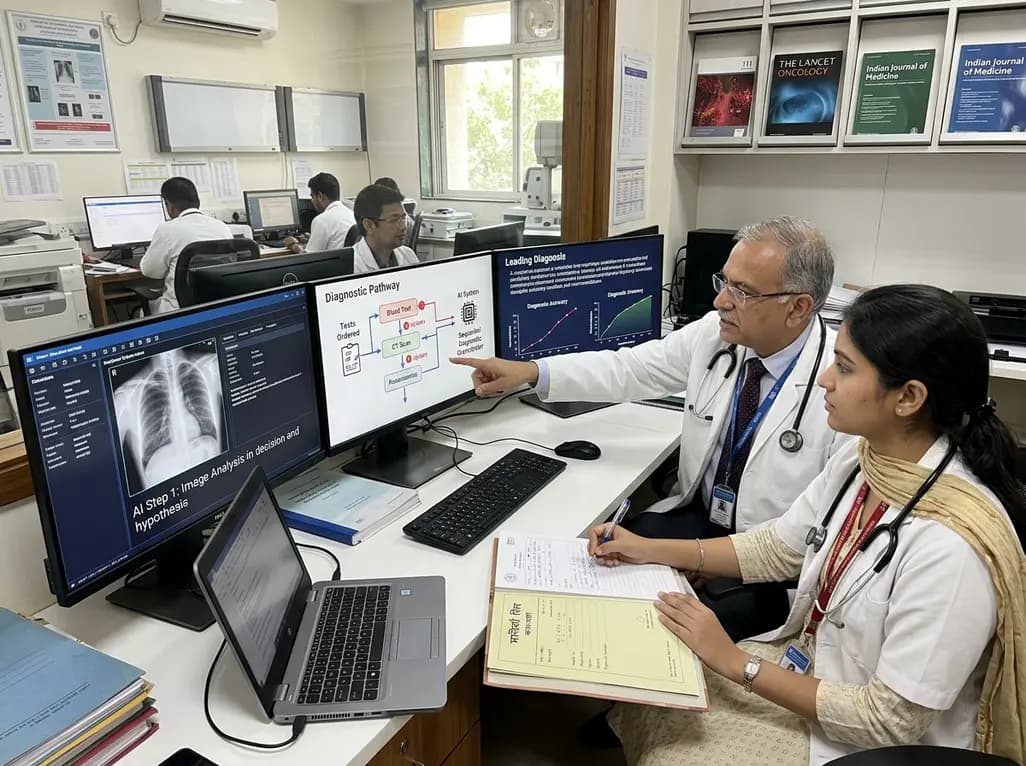
A breakthrough peer-reviewed study demonstrates that a sequential AI diagnosis system can mirror real-world clinical reasoning. By ordering stepwise tests and updating hypotheses dynamically, this multi-agent orchestrator achieved superior diagnostic accuracy while reducing investigative costs.
Today

A prenatal case highlights severe glutaric acidemia type II presenting as bilateral hyperechoic cystic kidneys at 18 weeks. Whole-exome sequencing revealed a novel homozygous ETFDH frameshift variant, demonstrating the power of rapid genetic testing in fetal renal anomalies.
Today

Review how tailored exercise programs benefit frail older patients with heart failure. Explore pathophysiological mechanisms, individualized training prescriptions, and strategies to overcome adherence barriers in clinical practice.
Yesterday

This comparative study evaluates posterior labral tears with and without glenohumeral instability, highlighting distinct demographic patterns, MRI underestimation in stable shoulders, and successful arthroscopic repair outcomes.
Yesterday

A clinical study demonstrates that early intervention with tocilizumab, either as monotherapy or bridged with corticosteroids, achieves significant proptosis reduction and resolves active inflammation in treatment-naive thyroid eye disease.
Yesterday
