

Loading, please wait...
Loading, please wait...

Substance use disorders represent complex psychiatric conditions influenced by an intricate interplay of genetic, neurobiological, and environmental determinants. Recently, investigators developed an innovative digital platform that combines genomic markers, behavioral patterns, and lifestyle factors to generate individualized susceptibility profiles. Understanding how patients interpret this personal data remains crucial for clinical adoption. A groundbreaking qualitative study evaluated adult perceptions after receiving personalized risk assessments and specialized genetic counseling for SUDs. Consequently, these findings offer essential clinical guidance for physicians seeking to integrate genomic medicine into routine psychiatric and addiction management.
Substance use disorders do not arise from a single genetic mutation. Instead, polygenic liability interacts dynamically with environmental stressors, trauma, and socioeconomic factors to influence vulnerability. To capture this multifactorial reality, researchers engineered a platform combining polygenic scores with behavioral metrics and environmental exposures. Consequently, this model delivers a nuanced risk calculation rather than a deterministic forecast.
Investigators conducted semi-structured interviews with twelve adult participants enrolled in a randomized controlled trial. Furthermore, the team applied interpretive description methods to categorize patient reactions and generate a conceptual model of their experiences. Participants demonstrated a strong grasp of their personal results. In addition, they clearly understood that elevated genetic predisposition does not guarantee future substance dependence. Instead, participants contextualized their genetic probabilities through the lens of lived family history. Therefore, presenting polygenic vulnerability alongside environmental contributors prevented fatalistic interpretations. Clinicians can utilize this holistic framework to help patients comprehend that genetic risk remains modifiable through behavioral vigilance and therapeutic interventions.
While participants appreciated receiving quantitative risk scores, they universally emphasized the indispensable value of skilled professional guidance. Specifically, every participant acknowledged that consulting with a certified genetic counselor transformed raw laboratory numbers into meaningful health knowledge. Genetic counselors successfully clarified complex probabilistic concepts, such as polygenic risk scores and gene-environment interactions.
Moreover, the counseling sessions provided a secure, nonjudgmental space for patients to process distressing emotional reactions. Many individuals originally feared that discovering a genetic vulnerability would trigger fatalism or guilt. However, genetic counselors framed addiction as a manageable medical condition influenced by biology rather than moral failure. Consequently, this therapeutic dialogue empowered patients to view their risk objectively. Participants also highlighted that specialized counseling would particularly benefit high-risk populations, including adolescents with strong family histories of addiction. Thus, genetic counseling for SUDs acts as a vital bridge between high-throughput genomic data and safe, empathetic patient care. Physicians must recognize that genetic tests without trained counseling risk confusing or overwhelming vulnerable patients.
Interestingly, the qualitative findings revealed nuanced psychological shifts among participants following their assessment. The researchers noted that receiving comprehensive risk reports did not directly trigger long-term behavioral modifications or immediate lifestyle changes. However, the intervention produced substantial psychological reassurance across the cohort. Several participants reported a significant decline in health-related anxiety after discussing their personalized scores with a counselor.
For many individuals, harboring an unknown, lurking risk had fueled persistent distress and worry for decades. Therefore, receiving concrete, quantified data replaced chronic ambiguity with objective medical clarity. Even individuals who received higher susceptibility scores described feeling relieved because the data validated their personal intuition. In contrast, those with lower scores felt unburdened from deep-seated fears regarding inevitable familial transmission. Furthermore, the genetic counselor helped participants realize that environmental protective factors, such as social support and healthy coping mechanisms, actively buffer genetic vulnerability. Consequently, combining risk estimates with counseling stabilizes emotional well-being and fosters psychological resilience among patients navigating addiction vulnerability.
Addiction remains one of the most stigmatized medical conditions worldwide, particularly where cultural attitudes misattribute substance dependence to moral weakness or poor willpower. Fortunately, participants in this landmark study highlighted that comprehensive risk assessments combined with counseling provide a powerful mechanism to combat social stigma. Framing addiction as a polygenic and environmental disorder repositions substance misuse firmly within a biomedical framework.
Patients noted that recognizing their hereditary susceptibility helped alleviate internal self-blame, shame, and parental guilt regarding transmission to their children. In addition, participants expressed hope that wider public adoption of genetic risk estimates could educate families and communities about the biological determinants of addiction. When society understands that genetic variations influence brain reward pathways and metabolic tolerance, punitive attitudes gradually shift toward compassionate clinical intervention. Nevertheless, clinicians must communicate these concepts carefully to prevent biological reductionism, which might inadvertently lead to therapeutic pessimism. Ultimately, comprehensive risk education serves as a dual-purpose clinical tool, dismantling deeply rooted social taboos while cultivating a compassionate, science-based approach to addiction rehabilitation.
As precision medicine expands across psychiatry, clinicians must prepare to address patient queries regarding commercial genetic testing and familial risk calculators. The qualitative evidence clearly demonstrates that patients welcome personalized addiction risk profiling when clinical experts deliver it thoughtfully. However, translating these digital platforms into daily healthcare practice requires robust structural frameworks and interdisciplinary collaboration between psychiatrists, primary care physicians, and genetic counselors.
Healthcare practitioners should avoid ordering direct-to-consumer genetic panels for substance dependence without establishing formal pre-test and post-test counseling protocols. Instead, medical centers should develop dedicated clinical pathways that integrate certified counselors into community mental health and addiction treatment facilities. Moreover, future clinical trials must investigate how longitudinal risk communication affects treatment adherence, relapse rates, and long-term sobriety outcomes. In resource-constrained settings, digital counseling tools and trained psychiatric nurses could expand access to risk education. Ultimately, integrating comprehensive risk assessments and structured counseling into clinical practice will empower clinicians to deliver proactive, individualized prevention strategies, transforming addiction medicine from reactive crisis intervention into personalized preventative healthcare.
A comprehensive risk estimate integrates multiple data streams to evaluate individual susceptibility to substance use disorders. Rather than evaluating single gene variants, it combines polygenic risk scores with detailed environmental factors, trauma history, and behavioral habits. This multidimensional model provides patients with a realistic, probabilistic perspective on addiction vulnerability, demonstrating how hereditary predispositions interact with lifestyle choices and environmental exposures to influence clinical risk.
Genetic counseling is critical because raw genetic data can easily provoke confusion, anxiety, or fatalistic beliefs. Certified genetic counselors translate intricate genomic scores into clear, actionable health insights. Furthermore, they address emotional concerns, clarify that genetic vulnerability is not an inevitable destiny, and highlight modifiable environmental safeguards. This personalized therapeutic dialogue prevents patient distress, reduces self-blame, and empowers individuals to make informed decisions regarding their lifestyle and healthcare.
Yes, receiving genetic risk information alongside professional counseling significantly helps diminish addiction stigma. By contextualizing substance use disorders as complex biomedical conditions driven by neurobiology and polygenic susceptibility, it reframes addiction away from moral weakness or character failure. Consequently, this medical understanding mitigates internal shame, relieves parental guilt concerning generational transmission, and fosters empathetic social attitudes that encourage affected individuals to seek timely medical assistance.
Disclaimer: This content is for informational and educational purposes only... Refer to the latest local and national guidelines for clinical practice.
References

Read summarized clinical updates, watch expert medical content, and earn CME certifications right from your smartphone.
Open your smartphone camera to scan and install.





A recent study explores how adults perceive comprehensive risk estimates and genetic counseling for substance use disorders. Findings show that genetic counseling helps demystify complex genetic data, relieves personal anxiety, and plays a vital role in reducing addiction-related stigma in clinical practice.
Today

A breakthrough study demonstrates that natural polyphenol-iron networks achieve 62.28% photothermal conversion efficiency, inactivating coronaviruses within 5 minutes under near-infrared light and tripling survival in infected animal models while triggering a robust protective immune response.
Today
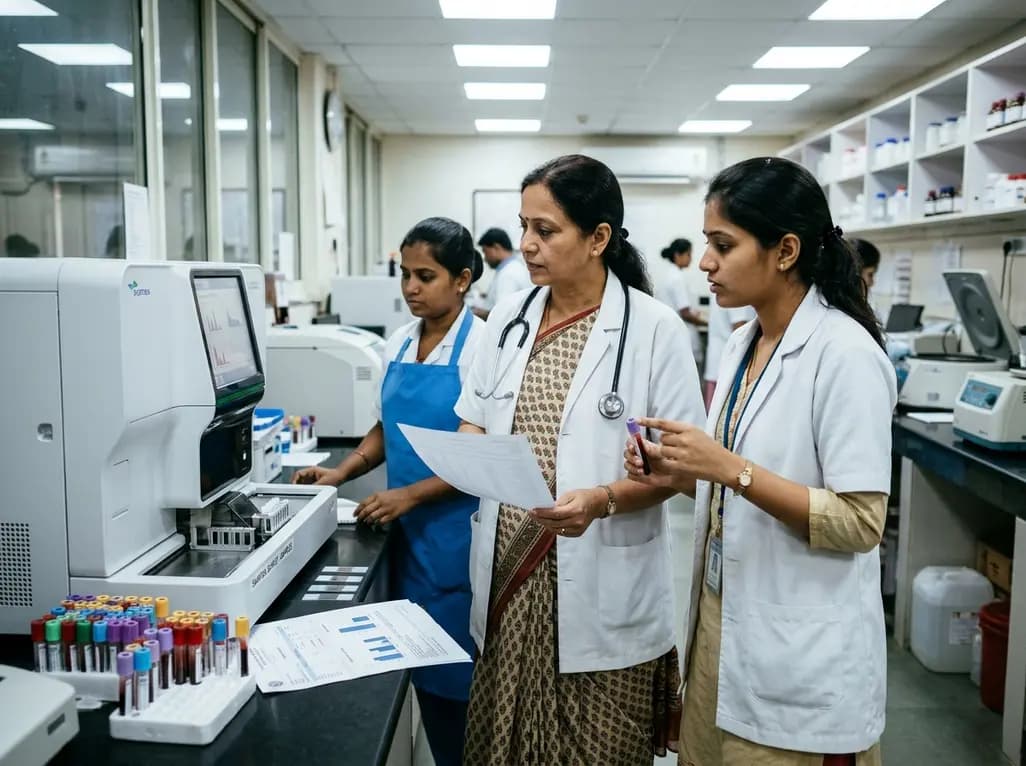
The landmark ICMR SAMPADA survey establishes updated national anaemia benchmarks using automated venous testing. Severe cases remain below two percent, while mild cases dominate across demographic groups. These vital insights urge clinicians to adopt comprehensive diagnostic profiling beyond routine iron supplementation.
Today

A recent preclinical study demonstrates that physiological levels of ascorbate (150 µM) and catechin (5 µM) provide robust protection against myocardial ischemia-reperfusion injury by preventing lipid peroxidation and cardiomyocyte apoptosis, challenging traditional high-dose pharmacological strategies.
Today
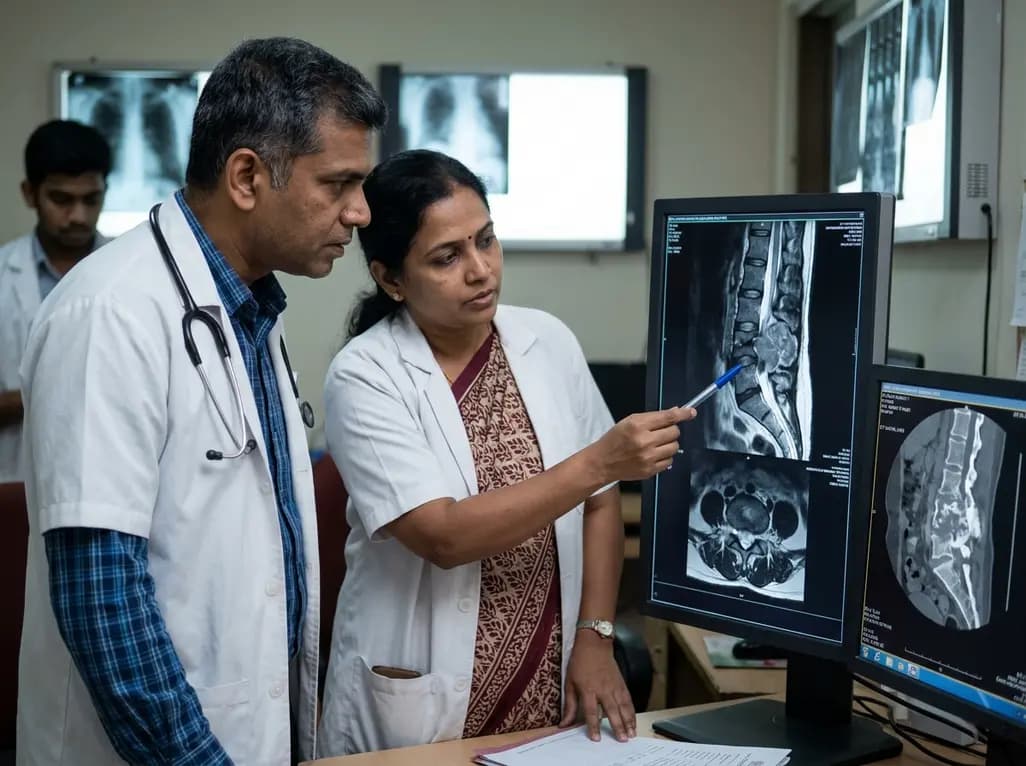
Primary spinal bone tumors can mimic benign nerve sheath tumors as foraminal dumbbell lesions. Learn to recognize crucial CT red flags and prevent delays.
Today

A recent investigation assesses the impact of succinate supplements on metabolic health, energy intake, and muscle remodeling in mice fed high-fat or ketogenic diets. Although succinate briefly blunts hyperphagia, it fails to improve long-term glycemic control or alter skeletal muscle hypertrophy.
Today
