

Loading, please wait...
Loading, please wait...

The rapid emergence of viral respiratory infections underscores the continuous demand for broad-spectrum therapeutics, placing photothermal antiviral therapy at the center of modern medical innovation. Coronaviruses mutate at high frequencies and readily escape conventional pharmacological agents. Consequently, clinicians frequently encounter therapeutic failures when novel subvariants bypass neutralizing antibodies or develop drug resistance. Photothermal intervention offers an attractive biophysical solution that bypasses conventional molecular resistance pathways. Specifically, photothermal agents absorb near-infrared light and convert photon energy into controlled hyperthermia. This rapid temperature rise destabilizes the outer lipid membrane and denatures essential viral capsid proteins within minutes. Furthermore, this localized thermal ablation operates independently of specific viral genetic sequences. Therefore, photothermal modalities demonstrate broad efficacy against highly divergent viral lineages. However, conventional photothermal materials often suffer from poor biocompatibility, complicated multi-step synthesis, and persistent tissue accumulation. Inorganic agents can induce long-term systemic toxicities in pulmonary tissues. Because successful translation demands safety, scientists actively explore biodegradable coordination complexes derived from natural polyphenols to address these therapeutic hurdles. These green nanonetworks represent a transformative paradigm.
To overcome the clinical limitations of synthetic nanomaterials, researchers successfully developed natural polyphenol-iron networks through a facile one-step coordination assembly. Polyphenols represent ubiquitous phytochemicals with strong antioxidant, chelating, and antimicrobial characteristics. When scientists introduce natural polyphenols to ferric ions, spontaneous supramolecular self-assembly generates highly stable metal-phenolic networks. Crucially, this green synthesis requires no harsh chemical crosslinkers or extreme reaction conditions. The resulting natural polyphenol-iron networks demonstrate broad light absorption across the near-infrared spectrum. Moreover, rigorous thermal assessments revealed a superior photothermal conversion efficiency of 62.28%. This remarkable conversion efficiency noticeably surpasses many established inorganic photothermal nanomaterials. Near-infrared irradiation penetrates biological tissues effectively, allowing targeted non-invasive activation of the assembled complexes. In addition, the natural phenolic building blocks ensure rapid and safe biodegradation following administration. The dissociated iron ions enter endogenous metabolic pathways without causing metal storage pathology. Consequently, these metal-phenolic networks eliminate chronic tissue retention while maximizing photothermal performance. Such exceptional photothermal responsiveness ensures rapid therapeutic efficacy. Thus, the eco-friendly fabrication strategy establishes an ideal platform for safe antiviral applications.
The synthesized polyphenol-iron networks exhibit powerful virucidal activity when exposed to near-infrared light. Comprehensive laboratory evaluations demonstrated complete viral inactivation within five minutes of irradiation. The generated hyperthermia directly destroys structural envelope glycoproteins, preventing the virus from docking onto host cellular receptors. Furthermore, the rapid thermal stress damages viral nucleic acids, arresting viral replication before the pathogen establishes intracellular infection. In addition to neutralizing coronaviruses, these nanonetworks demonstrated robust inhibitory activity against non-coronavirus models. This broad-spectrum efficacy highlights that localized physical hyperthermia overcomes the antigenic variability that limits standard antiviral drugs. For example, seasonal influenza and emerging zoonotic coronaviruses share vulnerable lipid envelopes that quickly destabilize under thermal stress. Therefore, medical teams could potentially deploy these photothermal agents during sudden viral outbreaks when targeted vaccines do not exist. Consequently, this approach provides dependable protection against emerging viral variants. Additionally, the rapid physical mechanism minimizes the likelihood of driving thermal-tolerant viral adaptations. The therapy delivers precise physical inactivation rather than prolonged biochemical pressure.
Preclinical studies evaluated the therapeutic efficacy of polyphenol-iron networks in mice infected with mouse hepatitis virus strain A59. This murine coronavirus serves as a rigorous pathophysiological model for human coronavirus infections. Control animals without light activation suffered severe systemic illness and demonstrated a dismal 20% survival rate. In contrast, infected mice receiving near-infrared photothermal therapy achieved an impressive 60% survival rate. Furthermore, treated mice exhibited significantly lower viral loads in their pulmonary tissues and preserved normal alveolar architecture. Beyond physical pathogen destruction, the photothermal intervention activated a balanced systemic immune response. Specifically, molecular testing confirmed the upregulation of interleukin-6, interleukin-10, tumor necrosis factor-alpha, and interferon-beta. Interferon-beta plays an essential role by rapidly establishing an antiviral state across neighboring respiratory epithelial cells. Concurrently, elevated interleukin-10 provides vital anti-inflammatory counter-regulation that curbs excessive tissue damage. Moreover, thermal lysis releases intact viral antigens that effectively prime host immune defenses. This synergistic protection highlights the distinctive advantage of the platform. Thus, the therapy combines direct virucidal action with beneficial host immunomodulation.
The emergence of biodegradable metal-phenolic networks offers promising translational implications for healthcare systems worldwide, including India. Respiratory epidemics routinely strain intensive care units and healthcare resources across densely populated areas. Because natural polyphenols derive from renewable botanical sources, producing these coordination complexes remains exceptionally economical and scalable. Furthermore, Indian pharmaceutical manufacturers can synthesize these agents using accessible green chemistry without relying on costly foreign equipment. Clinicians could potentially administer aerosolized formulations to decontaminate upper airways during early-stage coronavirus infections. Similarly, biomedical manufacturers can apply these photothermal coatings to personal protective equipment, hospital filtration systems, and medical catheters. Such protective surfaces would actively destroy viral pathogens upon light activation, effectively interrupting nosocomial transmission chains. However, extensive pharmacokinetic studies and standardized human clinical trials remain essential prior to therapeutic implementation. Regulatory authorities must evaluate long-term pulmonary clearance and established safety thresholds. Therefore, clinical researchers view metal-phenolic networks as viable therapeutic candidates. Nevertheless, this innovative nanoplatform provides an extraordinary foundation for broad-spectrum antiviral strategies against emerging global pathogens.
Near-infrared photothermal therapy utilizes specialized nanoscale agents that absorb specific light wavelengths and convert radiant energy into localized hyperthermia. This rapid temperature rise destabilizes the outer lipid membrane and denatures essential spike glycoproteins on the coronavirus surface. Consequently, the pathogen loses its structural integrity and cannot attach to host cellular receptors. This physical neutralization occurs within five minutes, preventing viral replication regardless of genetic mutations across different circulating viral variants.
Natural polyphenol-iron networks offer exceptional biocompatibility and green synthesis compared to traditional synthetic metallic nanoparticles. Synthetic agents frequently rely on toxic chemical crosslinkers and accumulate dangerously inside biological tissues over time. In contrast, polyphenol-iron complexes assemble through a spontaneous one-step coordination process using botanical polyphenols and dietary iron. These organic components degrade naturally in host tissues, minimizing systemic toxicity while delivering an outstanding photothermal conversion efficiency exceeding sixty-two percent.
Photothermal therapy initiates a balanced immunomodulatory cascade rather than causing unchecked inflammation. The localized thermal action induces the controlled upregulation of protective cytokines, including interleukin-6, interleukin-10, tumor necrosis factor-alpha, and interferon-beta. Interferon-beta establishes an immediate antiviral barrier across neighboring mucosal cells, while interleukin-10 prevents uncontrolled inflammatory damage. Furthermore, the structural degradation of viruses releases intact viral antigens, which effectively primes antigen-presenting cells to build long-lasting adaptive immunity against future reinfection.
Disclaimer: This content is for informational and educational purposes only and should not be construed as professional medical advice. Healthcare professionals must exercise independent clinical judgment when evaluating treatment options. Refer to the latest local and national guidelines for clinical practice.
References

Read summarized clinical updates, watch expert medical content, and earn CME certifications right from your smartphone.
Open your smartphone camera to scan and install.





A breakthrough study demonstrates that natural polyphenol-iron networks achieve 62.28% photothermal conversion efficiency, inactivating coronaviruses within 5 minutes under near-infrared light and tripling survival in infected animal models while triggering a robust protective immune response.
Today
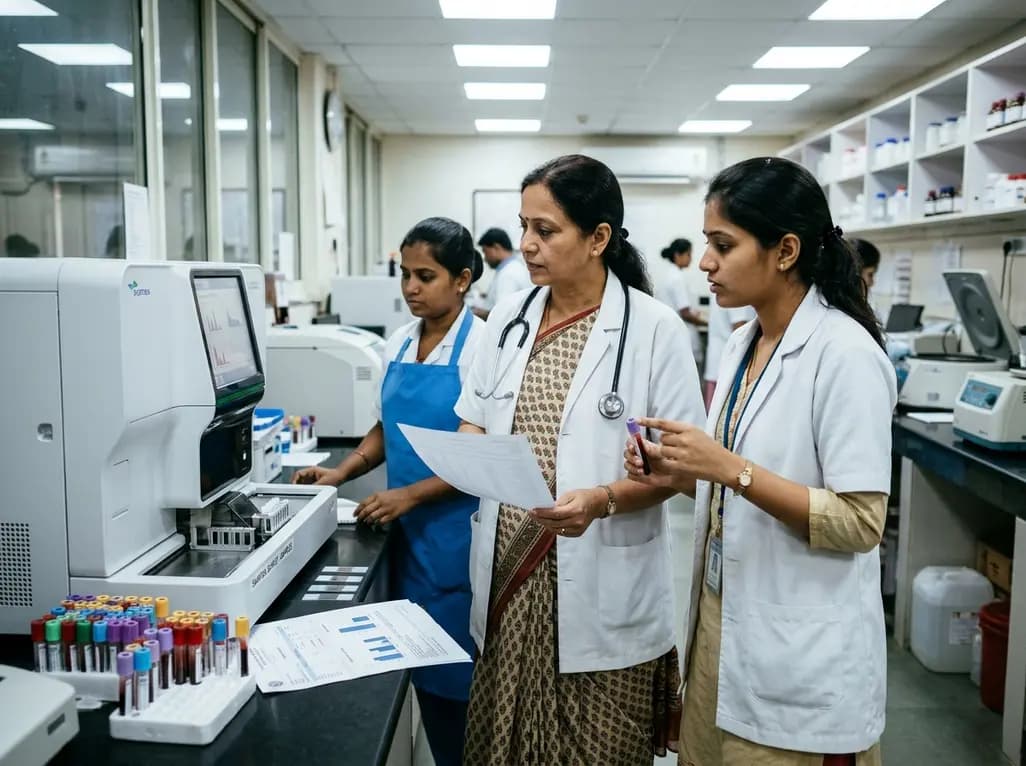
The landmark ICMR SAMPADA survey establishes updated national anaemia benchmarks using automated venous testing. Severe cases remain below two percent, while mild cases dominate across demographic groups. These vital insights urge clinicians to adopt comprehensive diagnostic profiling beyond routine iron supplementation.
Today
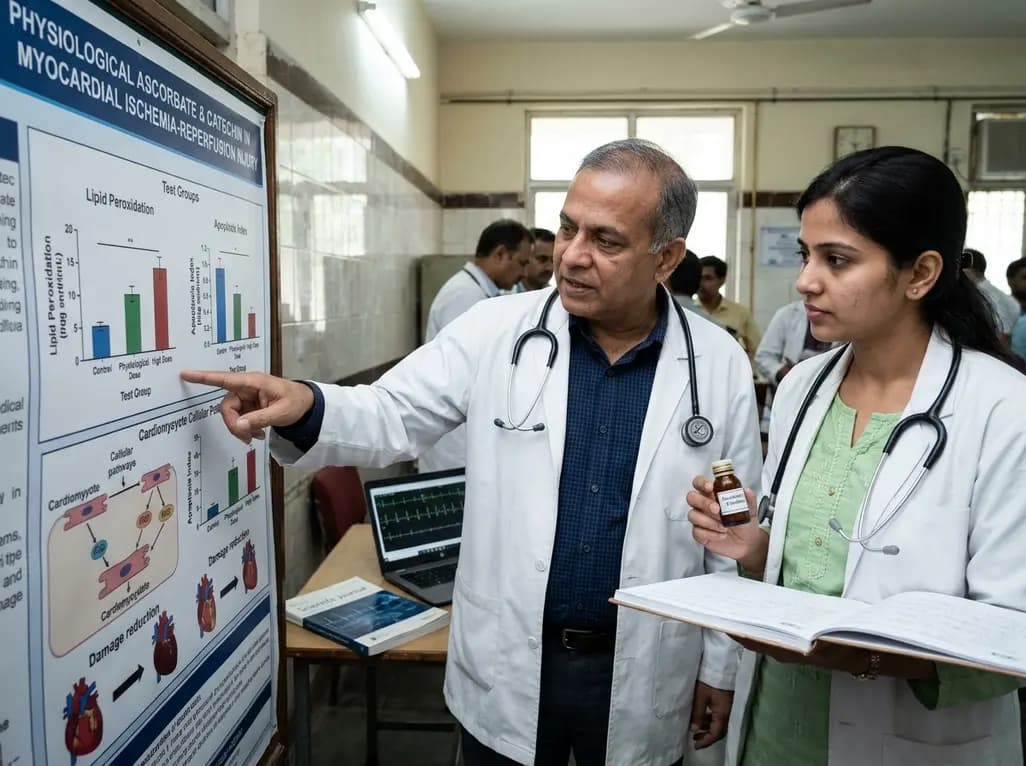
A recent preclinical study demonstrates that physiological levels of ascorbate (150 µM) and catechin (5 µM) provide robust protection against myocardial ischemia-reperfusion injury by preventing lipid peroxidation and cardiomyocyte apoptosis, challenging traditional high-dose pharmacological strategies.
Today
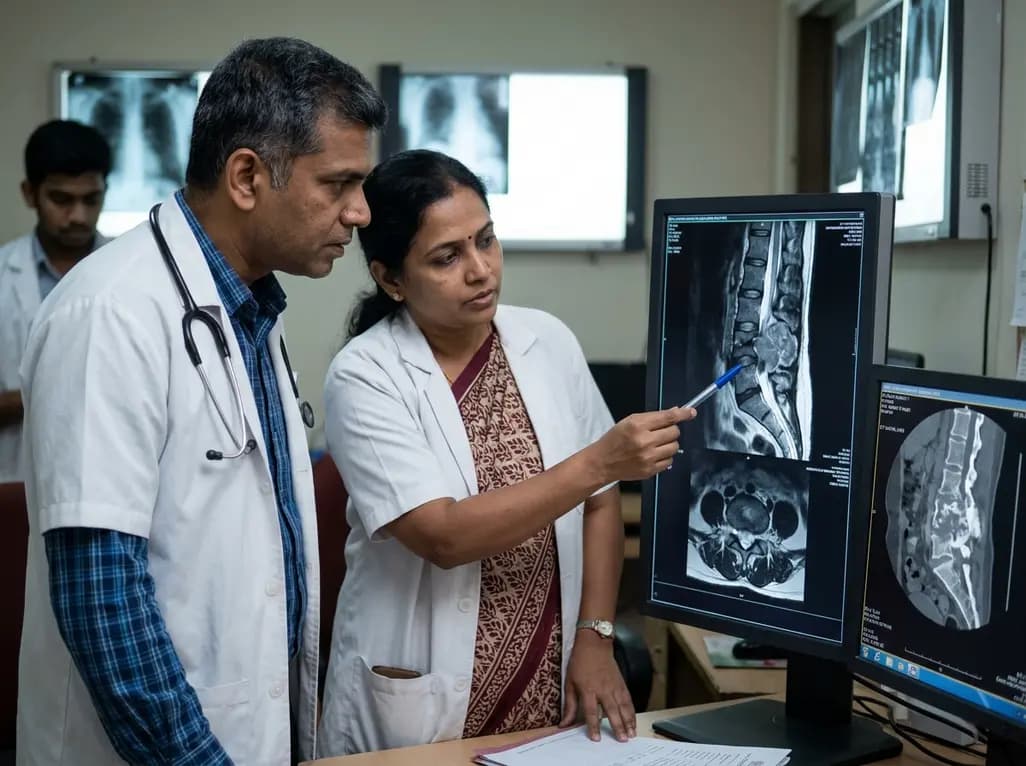
Primary spinal bone tumors can mimic benign nerve sheath tumors as foraminal dumbbell lesions. Learn to recognize crucial CT red flags and prevent delays.
Today
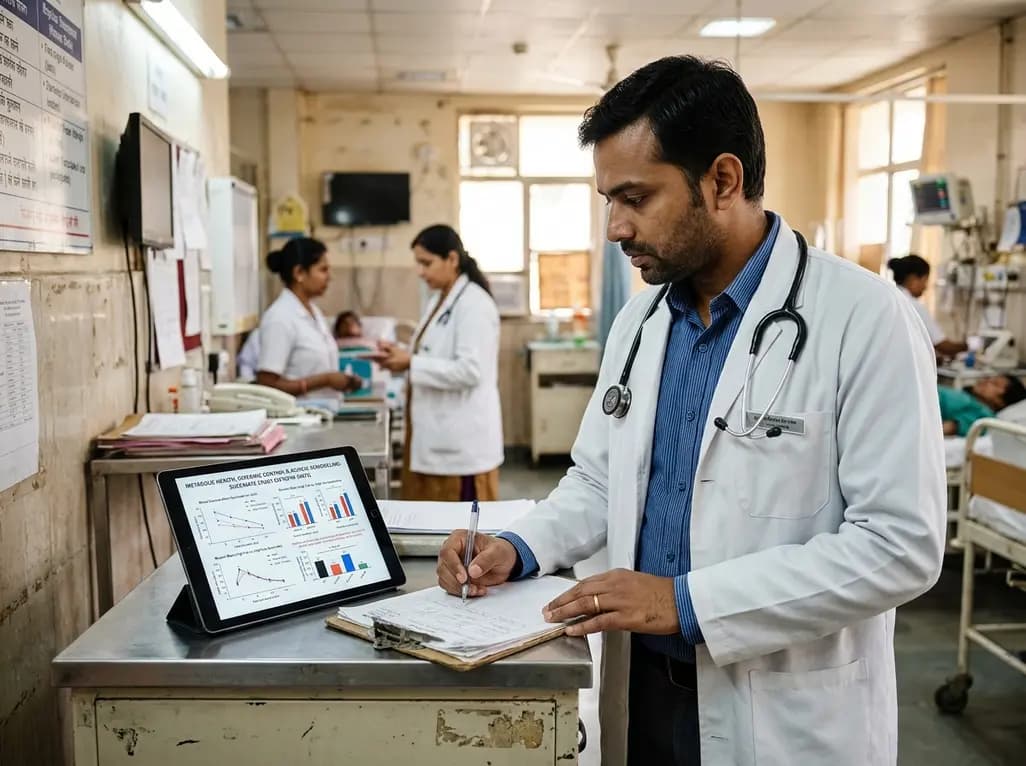
A recent investigation assesses the impact of succinate supplements on metabolic health, energy intake, and muscle remodeling in mice fed high-fat or ketogenic diets. Although succinate briefly blunts hyperphagia, it fails to improve long-term glycemic control or alter skeletal muscle hypertrophy.
Today
