

Loading, please wait...
Loading, please wait...
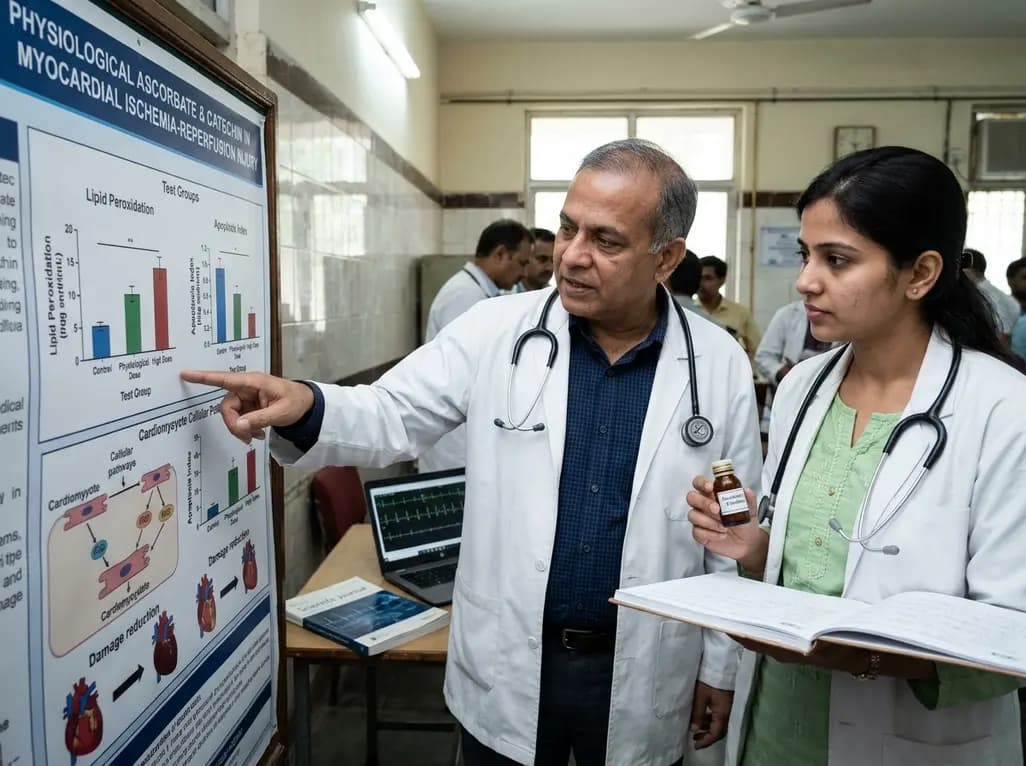
Restoring blood flow to ischemic myocardium remains the primary goal of modern interventional cardiology. However, rapid blood restoration paradoxically triggers severe cellular oxidative damage known as myocardial ischemia-reperfusion injury. Consequently, clinicians constantly seek effective interventions to mitigate tissue destruction during acute percutaneous coronary intervention and cardiac bypass surgery. Furthermore, recent laboratory investigations offer remarkable insights into targeted antioxidant delivery. These findings demonstrate that physiological concentrations of micronutrients can provide profound cardioprotection without high-dose pharmacological risks.
When coronary vessels occlude, cardiomyocytes experience rapid adenosine triphosphate depletion and severe intracellular acidosis. Consequently, membrane ion exchangers fail, leading to progressive intracellular calcium overload. However, the subsequent reperfusion phase induces even greater immediate cellular devastation. As molecular oxygen re-enters ischemic tissue, injured mitochondrial electron transport chains generate a massive burst of reactive oxygen species. These cytotoxic free radicals rapidly overwhelm endogenous antioxidant defenses, inducing extensive lipid peroxidation across cardiomyocyte membranes. Furthermore, free radicals trigger the opening of mitochondrial permeability transition pores. This mitochondrial collapse releases cytochrome c into the cytoplasm and activates caspase pathways, which drives widespread cardiomyocyte apoptosis. In addition, reperfusion injury causes severe microvascular dysfunction, endothelial swelling, and capillary no-reflow phenomena. Patients undergoing primary angioplasty or surgical revascularization therefore remain vulnerable to post-ischemic myocardial stunning and lethal arrhythmias. Therefore, blocking oxidative cascades at the very instant of blood restoration represents an urgent therapeutic priority. Experimental models using Langendorff isolated heart perfusion allow scientists to isolate these exact mechanisms during defined ischemic intervals.
Ascorbic acid, widely recognized as vitamin C, serves as a potent water-soluble antioxidant in human plasma. Historically, clinical investigators evaluated extremely high pharmacological doses of intravenous ascorbate during cardiac surgery to scavenge reactive free radicals. However, these massive pharmacological concentrations often produced inconsistent clinical results across major randomized trials. Furthermore, researchers identified an unsettling biochemical risk: excessive concentrations of ascorbate can paradoxically behave as a pro-oxidant in tissues. When high concentrations of ascorbate encounter free transition metals such as unchelated iron, Fenton chemistry accelerates hydroxyl radical formation. Consequently, supra-physiological doses may exacerbate oxidative injury rather than alleviate it. In contrast, new investigations demonstrate that high physiological concentrations around 150 micromolar exert exceptional cardioprotection without toxicity. Humans can achieve this specific concentration safely through optimized oral dietary supplementation or controlled intravenous infusion. At this precise concentration, ascorbate effectively donates electrons to quench lipid peroxyl radicals and restores endogenous alpha-tocopherol in lipid bilayers. Thus, physiological dosing avoids pro-oxidant dangers while completely suppressing lipid peroxidation and apoptotic signaling during acute tissue reperfusion. Moreover, this concentration matches levels attainable through well-planned nutritional regimens.
Flavonoids represent another vital class of natural bioactive compounds possessing established cardiovascular benefits. Specifically, catechin represents a prominent flavan-3-ol abundantly present in green tea, cocoa, red wine, and various fruits. Laboratory studies reveal that catechin exerts multifaceted protection against ischemic stress through direct radical scavenging and enzymatic modulation. Furthermore, catechin directly suppresses membrane lipid peroxidation by embedding within endothelial and cardiomyocyte phospholipids. At high physiological levels, such as 5 micromolar, catechin shields mitochondrial membranes from oxidative breakdown. Additionally, catechin inhibits inducible nitric oxide synthase and reduces inflammatory nuclear factor kappa B activation. Recent Langendorff heart experiments established that 5 micromolar catechin alone suppresses post-ischemic lipid peroxidation by 67 percent. Moreover, catechin reduces cardiomyocyte apoptosis by an impressive 90 percent during ninety minutes of continuous reperfusion. Therefore, catechin acts as an effective anti-apoptotic and anti-peroxidative shield for vulnerable cardiac tissue. In addition, these protective benefits occur at blood levels that individuals can achieve through concentrated dietary intake. Consequently, nutritional polyphenols offer substantial promise as adjunctive cardioprotective agents in clinical revascularization protocols. Cardioprotective diets emphasizing these bioactive molecules could significantly enhance baseline myocardial resistance against acute ischemic insults.
Cardiovascular pharmacologists frequently hypothesize that combining water-soluble and lipid-soluble antioxidants creates powerful therapeutic synergies. For example, ascorbate can theoretically regenerate oxidized phenolic flavonoids, establishing a continuous cooperative redox recycling system. To test this specific hypothesis, researchers designed a controlled preclinical trial using forty-eight isolated rat hearts subjected to thirty minutes of global ischemia. During ninety minutes of subsequent reperfusion, investigators administered 150 micromolar ascorbate, 5 micromolar catechin, or both compounds simultaneously. Remarkably, the standalone administration of ascorbate abolished both lipid peroxidation and cardiomyocyte apoptosis by 100 percent. Because ascorbate achieved total cardioprotection on its own, the combined treatment arm could not demonstrate additive or cooperative statistical enhancement. However, catechin alone still demonstrated remarkable efficacy, reducing lipid peroxidation by 67 percent and apoptosis by 90 percent. Therefore, both nutrients demonstrate profound intrinsic protective power when clinicians supply them at physiological concentrations. These findings challenge the conventional belief that multiple concurrent antioxidants are always required for myocardial salvage. Instead, single targeted interventions at appropriate physiological concentrations can completely arrest oxidative cell death cascades. Researchers now appreciate that optimal dosing often supersedes complex poly-antioxidant mixtures.
These rigorous preclinical observations carry immense translational relevance for modern interventional cardiology and cardiothoracic surgery. Currently, myocardial injury during percutaneous coronary intervention and cardiopulmonary bypass surgery contributes significantly to postoperative heart failure and mortality. Most human trials previously tested mega-dose antioxidant infusions with disappointing outcomes, likely due to pro-oxidant interactions. In contrast, targeting high physiological plasma concentrations represents an entirely novel, safer paradigm. Perfusionists could readily incorporate physiological ascorbate into cardioplegic arrest solutions and post-bypass perfusates to prevent immediate reperfusion damage. Furthermore, clinicians can prescribe targeted dietary supplementation before elective coronary revascularization procedures. By elevating circulating ascorbate and catechin levels before scheduled interventions, physicians may prime patient myocardium against anticipated ischemia-reperfusion stress. Additionally, this approach carries minimal toxicity and low acquisition cost, making it highly attractive for resource-conscious healthcare systems globally. Future human clinical trials must now rigorously validate whether maintaining high physiological ascorbate levels replicates these preclinical successes in acute coronary syndromes. Integrating targeted micronutrient therapy into standard reperfusion protocols could revolutionize contemporary myocardial preservation.
Ascorbate administered at 150 micromolar completely eliminated both lipid peroxidation and cell apoptosis during reperfusion in the experimental model. Consequently, because ascorbate achieved total tissue protection on its own, researchers could not detect any additional statistical enhancement from adding catechin. However, catechin still demonstrated substantial standalone protective efficacy. Thus, the apparent absence of cooperativity reflects a ceiling effect from ascorbate rather than a pharmacological failure of the combination.
High pharmacological doses of intravenous ascorbate can paradoxically induce pro-oxidant harm in ischemic tissues. Specifically, excessive ascorbate interacts with free transition metals to accelerate hydroxyl radical formation via Fenton reactions. In contrast, high physiological concentrations around 150 micromolar avoid this pro-oxidant danger while retaining robust antioxidant activity. Therefore, physiological concentrations effectively neutralize cytotoxic reactive oxygen species, suppress lipid peroxidation, and inhibit apoptotic signaling without introducing metal-catalyzed tissue toxicity.
Standard dietary intake and targeted oral supplementation can reliably establish high physiological blood concentrations in humans. For instance, consistent vitamin C supplementation readily elevates human plasma ascorbate toward 100 to 150 micromolar. Similarly, regular consumption of catechin-rich green tea elevates circulating flavonoid levels into the micromolar range. While oral absorption varies among individuals, these nutritional strategies offer practical non-invasive methods to support cardiac redox balance before planned cardiac procedures.
Disclaimer: This content is for informational and educational purposes only and should not be taken as professional medical advice. Always consult a qualified healthcare provider for specific clinical decisions, diagnosis, or treatment strategies. Refer to the latest local and national guidelines for clinical practice.
References:

Read summarized clinical updates, watch expert medical content, and earn CME certifications right from your smartphone.
Open your smartphone camera to scan and install.





A recent preclinical study demonstrates that physiological levels of ascorbate (150 µM) and catechin (5 µM) provide robust protection against myocardial ischemia-reperfusion injury by preventing lipid peroxidation and cardiomyocyte apoptosis, challenging traditional high-dose pharmacological strategies.
Today

A qualitative study explores user perspectives on smoking cessation apps, highlighting motivation tracking, peer support, and the urgent need for tailored behavioral interventions.
Today

A cross-sectional study of 4,862 women highlights how metabolic phenotypes alter female reproductive impairment. Metabolically unhealthy overweight and obesity presented the greatest odds for infertility and impaired fecundity, underscoring the vital need for comprehensive cardiometabolic screening.
Today
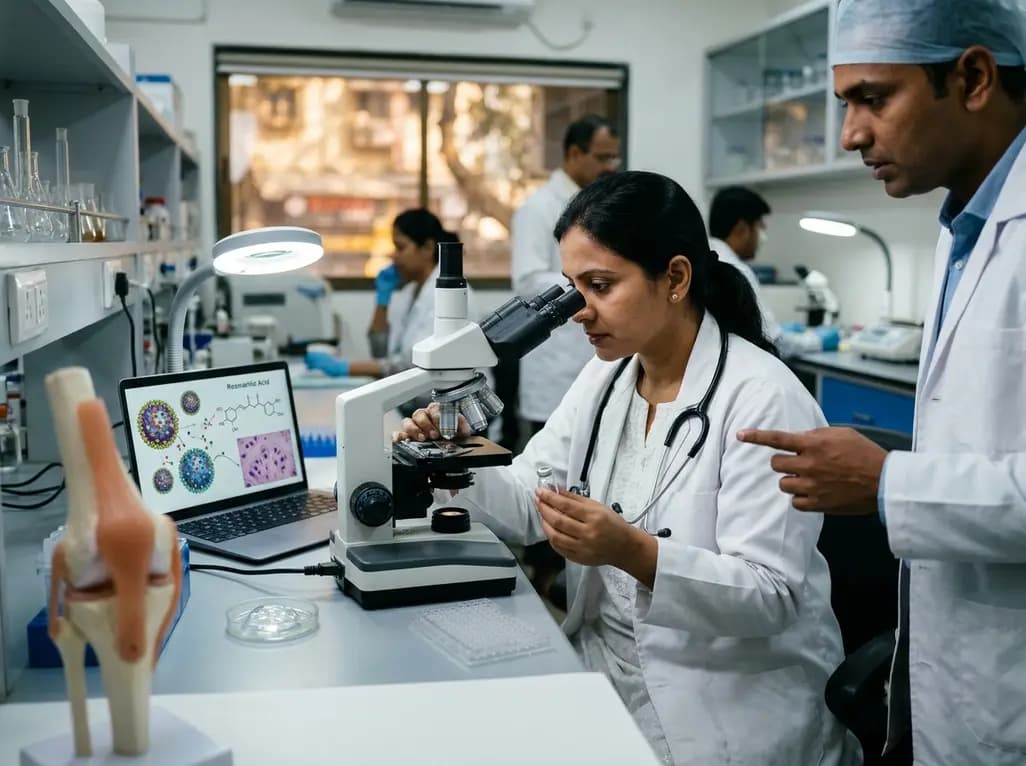
Smart biomaterial platforms for rosmarinic acid delivery offer a breakthrough in osteoarthritis therapy. By engineering responsive nanoparticles and hydrogels, researchers overcome rapid joint clearance and metabolic instability, paving the way for targeted chondroprotection and theranostics.
Today

Researchers have engineered a resilient LC-PAM hydrogel that resolves the trade-off between toughness and elasticity. Incorporating lignin and cellulose nanoparticles alongside selenium, this biomaterial offers durable adhesion and antibacterial activity for complex infected and diabetic wound care.
Today
